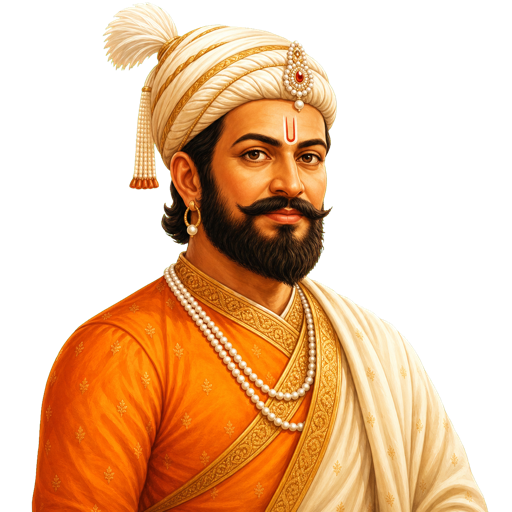
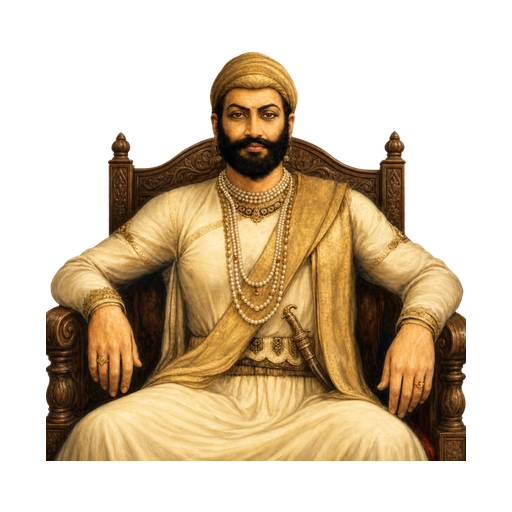
Veer Baji Prabhu Deshpande Punyatithi
Veer Baji Prabhu Deshpande was a trusted commander (senapati) of Chhatrapati Shivaji Maharaj — at the Battle of Pavan Khind (13 July 1660) he gave his life holding off the pursuing army in a mountain pass so Shivaji Maharaj could reach the fort of Vishalgad safely. This punyatithi's date is recorded in the panchang as tithi-based (Ashadh Krishna Pratipada) — this year (2026) it falls on 30 July.

This year's dates (2026)
Shivaji Maharaj had slipped out of the besieged fort of Panhala at night with a small band of soldiers; Baji Prabhu and his brother Phulaji held off the pursuing Bijapuri army at Ghod Khind, along with the Bandal Sena. Baji Prabhu is said to have drawn his last breath only after hearing the cannon signal confirming Shivaji Maharaj had reached Vishalgad safely — the sacrifice is why Ghod Khind was renamed Pavan Khind ("the pass made sacred").
Significance
Baji Prabhu Deshpande is remembered as a symbol of loyalty to Swarajya and of selfless sacrifice — a commander who held the pass to his last breath, without regard for his own life, to save Shivaji Maharaj and the future of Swarajya. His name recurs often in school curricula and in folk ballads (powade) as a striking example of loyalty, duty, and sacrifice in Maratha history. Shivaji Maharaj's son, Chhatrapati Sambhaji Maharaj, holds a similar place in Maratha history for loyalty and sacrifice.
History & the Battle of Pavan Khind
Background
In 1660, Siddi Jauhar laid siege to the fort of Panhala. Shivaji Maharaj negotiated an outward show of reconciliation with Siddi Jauhar, then slipped away at night with a small band of trusted soldiers, on a date the government Marathi encyclopedia records as 13 July 1660.
The battle in the pass
To hold off the pursuing Bijapuri army, Baji Prabhu Deshpande, his brother Phulaji Prabhu, and soldiers of the Bandal Sena blocked Ghod Khind (also called Gajapur Khind). Baji Prabhu was gravely wounded in the fighting, but is said to have kept fighting until he heard the cannon signal confirming Shivaji Maharaj had reached Vishalgad safely — only then did he draw his last breath.
Accounts differ on the number of soldiers (a few hundred Mavale) and on how long the pass was held — estimates range from a few hours to considerably longer.
The naming
This sacrifice is why Ghod Khind was renamed Pavan Khind (the sanctified pass) — the popular belief is that the Maratha soldiers' blood made the place "pavan" (sacred).
Remembrance & legacy
Baji Prabhu and Phulaji have memorials (samadhi) at Vishalgad; a full-figure statue of Baji Prabhu stands at Panhala. This sacrifice is remembered in folk ballads (powade), school textbooks, and in films as well.
Some accounts also say that after the battle, Shivaji Maharaj honoured Baji Prabhu's family — granting the elder son a land grant (vatan) and a palanquin honour.
Who observes it
History enthusiasts, school students, scholars of Maratha history, and local cultural and historical organisations across Maharashtra remember Baji Prabhu Deshpande on this day.
Public holiday status
This date is not a public holiday in Maharashtra.
Good to know
- This date is tithi-based (Ashadh Krishna Pratipada) — don't project next year's Gregorian date from this year's; check the panchang for the exact date each year.
- The historical event's fixed date (13 July 1660) and the site's tithi-based punyatithi date (30 July this year) are two different things — worth keeping both clearly in mind.
- Ghod Khind / Gajapur Khind and Pavan Khind are the old and new names of the same place — not two different locations.
FAQ
- Who was Baji Prabhu Deshpande?
- A trusted Maratha commander of Chhatrapati Shivaji Maharaj, who fell fighting at the Battle of Pavan Khind (13 July 1660), holding off the pursuing army in a mountain pass to save Shivaji Maharaj's life.
- When was the Battle of Pavan Khind fought?
- On 13 July 1660, when Shivaji Maharaj was making his way to Vishalgad after slipping out of the siege at Panhala, and the pursuing Bijapuri army caught up with his rearguard at Ghod Khind.
- How did Ghod Khind come to be called Pavan Khind?
- The sacrifice of Baji Prabhu and his soldiers is said to have made the pass "pavan" (sacred) — hence its new name, Pavan Khind.
- What did Baji Prabhu Deshpande do for Shivaji Maharaj?
- He held off the pursuing army in the pass until Shivaji Maharaj reached Vishalgad safely — even after being gravely wounded, he kept fighting until he heard the cannon signal confirming Shivaji Maharaj's safety.
- On which date does Baji Prabhu Deshpande Punyatithi fall?
- The panchang records it as tithi-based (Ashadh Krishna Pratipada) — this year (2026) it falls on 30 July, but the Gregorian date can shift every year with the tithi; the historical event itself took place on a fixed date, 13 July 1660.