Aja Ekadashi
Aja Ekadashi is a Vishnu vrat observed on Shravan Krishna Ekadashi — linked to the legend of King Harishchandra, who sold his kingdom, his family, and himself for the sake of truth. Observing this vrat is believed to erase sin and grant liberation. This year (2026): Monday, 7 September — the fast falls on this day, with parana on Tuesday, 8 September, before Dwadashi tithi ends.
This year's dates (2026)
Significance
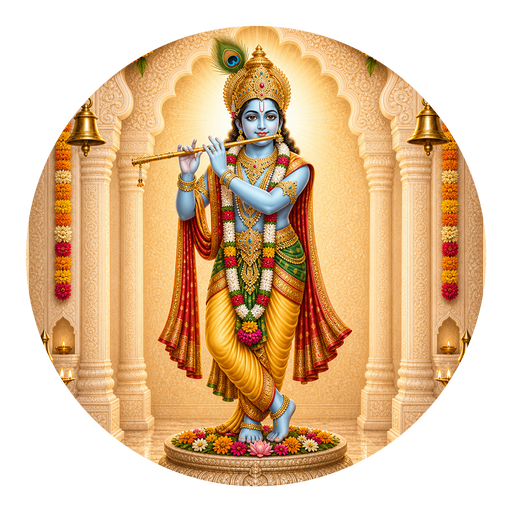
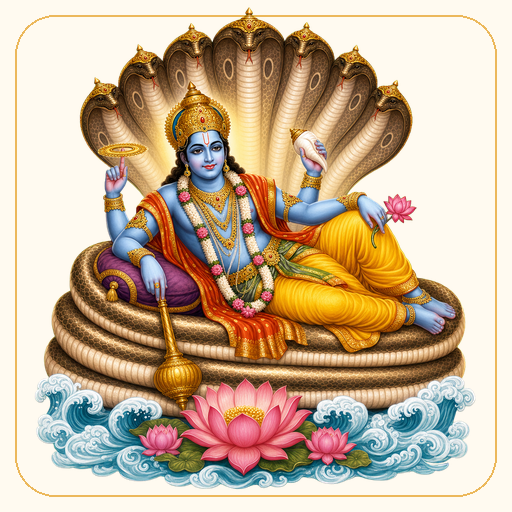
The Aja Ekadashi vrat is dedicated to Vishnu, in his Hrishikesh form. It's believed that observing this vrat erases even the gravest sins and grants liberation (moksha) — the legend behind it tells how King Harishchandra, after observing this very vrat, had his family and kingdom restored to him. Some traditions, particularly the Gaudiya and North Indian traditions, also call this Ekadashi "Annada Ekadashi" — the same observance, under a different name.
Which month — Shravan or Bhadrapad?
This is one and the same day, under two names — not a contradiction. As with the paksha after Holi, the amanta and purnimanta panchang conventions give the month a different name.
The amanta convention (Maharashtra and South India): the month ends at Amavasya, so this Krishna Ekadashi falls within Shravan → Aja Ekadashi = Shravan Krishna Ekadashi. This is the prevailing convention in Maharashtra.
The purnimanta convention (North India): the month ends at Purnima, so the same Krishna Ekadashi is counted in Bhadrapad → Aja Ekadashi = Bhadrapad Krishna Ekadashi. (This is why some sources say "Bhadrapad Krishna Ekadashi" — that isn't an error, it's the purnimanta naming convention.) The date itself is the same either way — this year, 7 September.
The legend
Details of the legend vary slightly across sources, noted where relevant.
The legend's original Puranic source is given differently across sources — some cite the Brahmavaivarta Purana, some the Brahmanda Purana, and some name no specific text at all.
This is the story of Harishchandra, the truthful king of Ayodhya's Raghu dynasty. The sage Vishwamitra put Harishchandra's commitment to truth through a severe test — demanding, as dakshina (a ritual fee), his entire kingdom. The king gave up his kingdom, wealth, and splendour entirely, yet the dakshina remained unpaid; to settle what was left, Harishchandra sold himself, his wife (named Taramati in most sources, Chandramati in ISKCON sources), and his son (named Rohitashva/Rohit in most sources, Lohit Ashva in ISKCON sources).
Harishchandra himself began working as a servant at a cremation ground under a Dom/chandal master — his task was to collect the fee for cremating the dead, and he endured immense sorrow, poverty, and humiliation without ever giving up truth. In some versions, his son died of a snakebite during this time and the body was brought to this very cremation ground; other versions simply say the son and wife were later restored to life, without this detail.
At this point, the sage Gautam arrives and instructs Harishchandra to observe the vrat of Aja Ekadashi — fasting and a night-long vigil. Harishchandra observes the vrat with full faith; through its merit, his son is restored to life, his wife and kingdom are returned to him, and King Harishchandra ultimately ascends to heaven together with his entire family.
Who observes it
Devotees of Vishnu, especially those seeking to atone for sin and attain liberation, observe the Aja Ekadashi vrat. Elderly and devout individuals observe it regularly; younger, working devotees often choose a fruit-based fast rather than a completely waterless one.
Vrat vidhi
The sequence below is a general guide — not a fixed, single-correct ritual; it can vary by family and local custom.
- On the day before Ekadashi (Dashami), a light, sattvic meal is taken to prepare for the vrat.
- On Ekadashi morning, after bathing, Vishnu (in his Hrishikesh form) is worshipped — with tulsi leaves, flowers, incense, and a lamp.
- A fast (waterless or fruit-based) is observed through the day; the legend of Harishchandra is read or recited.
- At night, a vigil (jagaran) is kept, with bhajans, kirtan, or the chanting of Vishnu's names.
- The fast is broken (parana) on Dwadashi at the proper time — the exact clock-time for parana varies by location; only the Dwadashi tithi's end-time (2:42 PM) is given here, not a specific parana muhurat.
Puja samagri
An image or murti of Vishnu, tulsi leaves, flowers, incense and a lamp, fruit-based naivedya, yellow cloth, and sandalwood.
Fasting / dietary rules
It's widely held that rice, grains, and all lentils are avoided on Ekadashi. A waterless fast isn't mandatory — some devotees keep one, but most take a fruit-based diet (fruit, milk, or sabudana) instead; both are traditionally accepted, so choose based on your health. Chanting, satsang, and a night vigil are part of the day, along with avoiding onion-garlic, alcohol, and daytime sleep. Parana should be performed at the correct time on Dwadashi — as with Ekadashi vrats generally, the fast should not be carried past Dwadashi.
Mantra / aarti
The Vishnu mool-mantra "Om Namo Bhagavate Vasudevaya" is traditionally chanted during the vrat sankalp and puja — meaning: "Salutations to Lord Vasudeva (Vishnu)." Reciting the Vishnusahasranama (Vishnu's thousand names) on Ekadashi is also a widespread custom. The exact aarti varies by tradition.
This year's date
| Date (2026) | Day | Tithi | Nakshatra | Note |
|---|---|---|---|---|
| 7 September | Monday | Shravan Krishna Ekadashi | Punarvasu | Aja Ekadashi vrat; parana on Tuesday, 8 September, before Dwadashi tithi ends (2:42 PM), avoiding Harivasar |
Future years: the tithi stays the same (Shravan Krishna Ekadashi); the Gregorian date follows that year's panchang and is only known once that year's panchang is published.
Good to know
- Fast on Ekadashi, parana on Dwadashi — break the fast at the proper time; avoid delaying it.
- The month's name can be confusing — Maharashtra calls it "Shravan," North India "Bhadrapad," but the date itself is the same.
- Legend details vary by source — the wife's and son's names, and the source text, show small differences; the core story stays the same.
- Roughly two weeks before this vrat comes Putrada Ekadashi — a separate, independent Ekadashi vrat.
FAQ
- When is Aja Ekadashi in 2026?
- Monday, 7 September 2026 (Shravan Krishna Ekadashi, Punarvasu nakshatra); parana on Tuesday, 8 September, before Dwadashi tithi ends.
- Why is Aja Ekadashi observed?
- By legend, King Harishchandra had his family and kingdom restored after observing this vrat; it's believed to atone for sin and grant liberation.
- Does Aja Ekadashi fall in Shravan or Bhadrapad?
- One and the same day, under two names — Shravan Krishna Ekadashi under the amanta convention (Maharashtra), Bhadrapad Krishna Ekadashi under the purnimanta convention (North India).
- What is the legend of King Harishchandra?
- Tested for his commitment to truth, Harishchandra sold his kingdom and himself to Vishwamitra and worked as a cremation-ground servant without ever giving up truth; on sage Gautam's counsel, he observed the Aja Ekadashi vrat and had his family and kingdom restored (in some versions, this follows his son's death).
- Why is Aja Ekadashi also called Annada Ekadashi?
- Some traditions, particularly Gaudiya and North Indian traditions, use this name for the same Ekadashi.
- How is the Aja Ekadashi vrat observed?
- Fasting and worship of Vishnu on Ekadashi, a night vigil, and breaking the fast (parana) at the proper time on Dwadashi.
- When should the Aja Ekadashi parana be done?
- After Dwadashi tithi begins and before it ends, at the proper time; the exact clock-time varies by location.