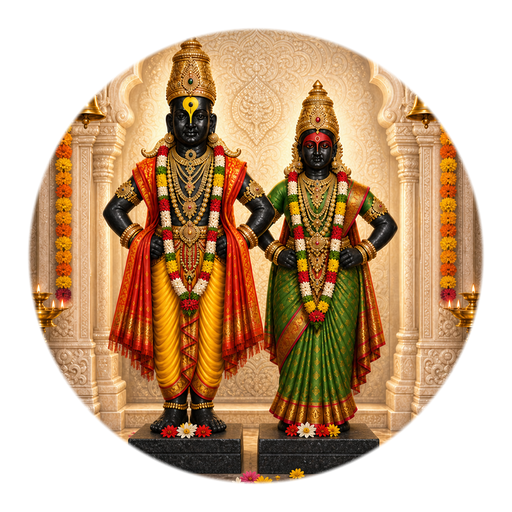
Kamika Ekadashi
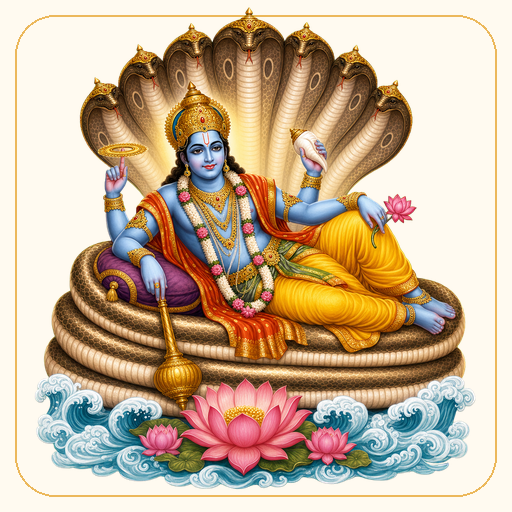
Kamika Ekadashi falls on Ashadh Krishna Ekadashi (Maharashtra's amanta convention; North India calls it "Shravan Krishna") — a fasting vrat dedicated to Vishnu (as Sridhar). Since it's the next Ekadashi after Ashadhi/Devshayani, it's regarded as the first Ekadashi of Chaturmas. This year (2026): Sunday, 9 August.
This year's dates (2026)
Significance
The first Ekadashi of Chaturmas: Chaturmas (Vishnu's yogic sleep) begins with Ashadhi/Devshayani (Ashadh Shukla Ekadashi); Kamika is the next (Krishna-paksha) Ekadashi after it — so it's widely described as "the first Ekadashi of Chaturmas." Some panchang sources don't apply this seasonal label, so take it as a commonly used descriptive reference, not a fixed rule.
The tulsi mahatmya (its most distinctive feature): Kamika's mahatmya text places special emphasis on tulsi worship — worshipping Vishnu with tulsi leaves is held to be more pleasing to him than gems and pearls; worshipping Keshav with tulsi manjari (flower clusters) is believed to destroy a lifetime's sins. Tulsi is offered to Vishnu on every Ekadashi — but Kamika's mahatmya carries a particularly strong emphasis on it.
Atonement and the merit of Vajapeya yajna: by tradition, simply remembering Kamika Ekadashi grants the merit of a Vajapeya yajna and removes all sins; one who keeps a night vigil is said to be spared an unfortunate fate. The glory of donating lamps is also described — lighting a lamp before Vishnu is held to bring special merit (satisfying one's ancestors, attaining heaven). This should be read as Puranic praise, not a universal guarantee.
The legend
An important distinction should be kept in mind about Kamika's legend — the ancient Gita Press mahatmya text carries no person-centred story at all; it's purely a glorification (mahatmya). The "Kshatriya who killed a Brahmin" story found on modern sites doesn't appear in that ancient text.
A. The mahatmya (the legend's core): Krishna narrates this glory to Yudhishthira — as it was once told by Brahma in answer to Narada's question. This Ekadashi's name is "Kamika"; simply remembering it grants the merit of a Vajapeya yajna. On this day, Vishnu should be worshipped under the names Sridhar, Hari, Vishnu, Madhav, and Madhusudan — its merit is held to be rare even compared to bathing at Ganga, Kashi, Naimisharanya, or Pushkar. Worshipping Keshav with tulsi manjari is said to destroy a lifetime's sins; donating lamps day and night is said to satisfy one's ancestors and grant heaven.
B. The "Kshatriya-Brahmin-killing" story — a modern, widely circulated version: many modern sources tell this story — a valiant Kshatriya accidentally (in some versions, in anger) killed a Brahmin; burdened with the sin of killing a Brahmin, he was even denied the right to a proper cremation. On the advice of sages/Brahmins, he observed the Kamika Ekadashi vrat (worship of Sridhar, tulsi, and feeding Brahmins), and Vishnu appeared to him and freed him from that sin. This story doesn't appear in the ancient Gita Press mahatmya text — there, the mention of a "Kshatriya" occurs in a different (Apara Ekadashi) chapter, not in Kamika's. So this story is noted here as a "modern, widely circulated version," not as part of the ancient mahatmya.
Puranic attribution also varies — most modern sources credit this legend to the Padma Purana, while some credit the Brahma-Vaivarta Purana. Neither is treated as final here.
Who observes it
Devotees of Vishnu, especially those who fast on every Ekadashi, observe Kamika as the annual cycle's first Chaturmas Ekadashi. Those seeking atonement and peace observe this vrat especially for its sin-removing purpose, given both the legend (freedom from Brahmin-killing) and the tulsi mahatmya.
Puja vidhi
The sequence below is compiled from multiple sources as a general guide — not a fixed, single-correct ritual; it can vary by family and local custom.
- On the day before (Dashami), a restrained sattvic diet — grains, onion-garlic, and tamasic foods are avoided.
- On Ekadashi, bathe at Brahma muhurta and worship an image or murti of Vishnu (as Sridhar).
- Offer sandalwood paste and akshata, tulsi leaves/manjari (Kamika's central focus) and flowers, incense and a lamp, and fruit-based naivedya; some traditions also perform a panchamrit abhishek and offer sesame seeds.
- Chant Vishnu's names and recite the Vishnusahasranama; hearing the legend carries special significance (by tradition, hearing it alone grants the merit of a Vajapeya yajna).
- At night, keep a vigil with bhajans and kirtan; charity (food, cloth, water, grain) and donating lamps are considered auspicious.
- The next day (Ashadh Krishna Dwadashi), break the fast at the proper time, avoiding Harivasar — this year the Dwadashi ends early in the morning, so the parana window may be narrow.
Puja samagri
An image or murti of Vishnu (as Sridhar), clean cloth, sandalwood paste-haldi-kumkum-akshata, tulsi leaves/manjari and garlands, incense and a lamp, panchamrit and sesame seeds (by tradition), fruit-based naivedya, the Vishnusahasranama or a pothi (recitation booklet), and food-cloth-water-lamp-dakshina for charity.
Fasting / dietary rules
It's widely held that rice, wheat, barley, and all lentils are avoided on Ekadashi; a light sattvic meal is taken on Dashami, with parana on Dwadashi. Some devotees observe a waterless fast, while most take a fruit-based diet — fruit, milk, sabudana, potato; both are traditionally accepted. Chanting and satsang are part of the day, along with avoiding falsehood, anger, onion-garlic, alcohol, and daytime sleep. Parana should be done on Dwadashi, after Harivasar ends, at the proper time — the exact clock-time varies by location and year; this year the Dwadashi ends early in the morning, so pay particular attention to the parana time.
Mantra / aarti
The common Vishnu chant: "Om Namo Bhagavate Vasudevaya" — meaning: "Salutations to Lord Vasudeva (Vishnu)." Hearing the Kamika legend carries special significance (by tradition, hearing it alone grants the merit of a Vajapeya yajna). The full text of the Vishnusahasranama isn't given here either. The exact aarti varies by tradition.
Regional customs
Kamika is a pan-India Vaishnav Ekadashi — it doesn't carry the distinctly Maharashtrian festival identity that Vat Purnima or Ashadhi Ekadashi do, and no distinct Maharashtra-specific custom has been independently documented. In Maharashtra (amanta), it's "Ashadh Krishna Ekadashi"; in North India (purnimanta), the same occasion is known as "Shravan Krishna Ekadashi" — the date and tithi are the same (9 August 2026), only the month's name differs. In Maharashtra, two Ekadashis fall within Ashadh itself — Shukla (Ashadhi/Devshayani) and Krishna (Kamika). This is the first Ekadashi of the Chaturmas that begins with Ashadhi — a fact that matters especially to Warkari and other Chaturmas-observing Marathi families.
This year's date
| Date (2026) | Day | Tithi | Nakshatra | Note |
|---|---|---|---|---|
| 9 August | Sunday | Ashadh Krishna Ekadashi | Mriga | Kamika Ekadashi; parana on 10 August (Dwadashi, ends 08:00 AM — a narrow window) |
Future years: the tithi stays the same (Ashadh Krishna Ekadashi); the Gregorian date follows that year's panchang and is only known once that year's panchang is published.
Good to know
- Watch the parana time carefully — the Dwadashi ends early in the morning, so the parana window may be narrow; check the local panchang.
- Special emphasis on tulsi worship — Kamika's mahatmya gives significant weight to worshipping with tulsi manjari.
- Know the version of the legend — the ancient mahatmya text's core is a glorification; the Kshatriya-Brahmin-killing story is a later, widely circulated version.
- Health — a waterless fast isn't suited to everyone; those with diabetes, who are pregnant, or elderly should take the fruit-based option or consult a doctor; August is a humid monsoon month.
FAQ
- When is Kamika Ekadashi in 2026?
- Sunday, 9 August 2026 (Ashadh Krishna Ekadashi); parana on 10 August (Dwadashi, an early-morning window).
- What is the significance of Kamika Ekadashi?
- The first Ekadashi of Chaturmas after Ashadhi/Devshayani; by tradition, simply remembering it grants the merit of a Vajapeya yajna and removes sin.
- What is the legend of Kamika Ekadashi?
- The ancient Gita Press mahatmya carries no person-centred story — it's a pure glorification. The "Kshatriya accidentally killed a Brahmin, then freed by the Kamika vrat" story found on modern sources is a widely circulated modern version, not found in the ancient text.
- Why is tulsi important on Kamika Ekadashi?
- By tradition, worshipping Vishnu with tulsi leaves is held more pleasing to him than gems and pearls; worshipping with tulsi manjari is believed to destroy a lifetime's sins.
- How is the Kamika Ekadashi vrat observed?
- Fasting, worship of Vishnu (as Sridhar) and tulsi, hearing the legend, a night vigil, and breaking the fast at the proper time on Dwadashi.
- What should be eaten or avoided on Kamika Ekadashi?
- Avoid rice, wheat, lentils, and pulses; fruit, milk, and sabudana are fine; both waterless and fruit-based fasting are traditionally accepted.
- When should Kamika Ekadashi's parana be done?
- The next day, on Dwadashi (10 August), avoiding Harivasar; since the Dwadashi ends early this year, check the local panchang for the exact time in advance.