Ashadhi Ekadashi
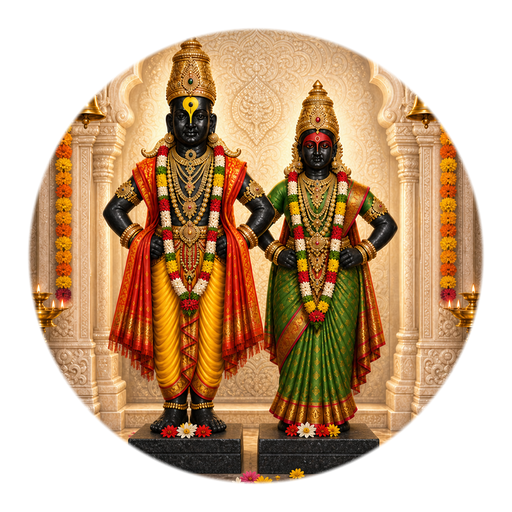
Ashadhi Ekadashi is the ekadashi (11th tithi) of the Shukla paksha (the waxing, new-moon-to-full-moon bright fortnight) of the masa (month) Ashadh — a day of Vishnu and Vitthal bhakti. It is also called Devshayani Ekadashi (and, in Marathi tradition, Padma / Shayani Ekadashi), because Vishnu is believed to enter a four-month yoganidra (cosmic sleep) on this day, marking the start of Chaturmas. In Maharashtra it is the day of the Pandharpur Wari — the biggest ekadashi of the Varkari tradition. In 2026: Saturday, 25 July.
This year's dates (2026)
Significance
Ashadhi Ekadashi is regarded as the biggest ekadashi of the Varkari tradition. Every ekadashi is dedicated to Vishnu, and the vrat (observance) with its upvas (fast) and katha (story) listening is traditionally seen as a means of clearing sin and gaining merit.
Devshayani means "the day the deity sleeps." By tradition, Vishnu reclines on Shesha in the ocean of milk and enters yoganidra on this day; from here begins Chaturmas (Ashadh to Kartik, about four months) — a period of sadhana, vrat and restraint. This period of Vishnu's sleep later ends on Kartiki (Prabodhini) Ekadashi, when Vishnu wakes. These two ekadashis are the two bookends of Chaturmas.
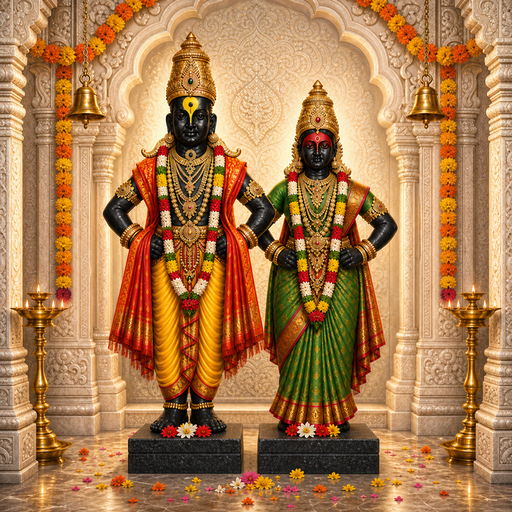
In Maharashtra this ekadashi is inseparable from the bhakti of Vitthal (Pandurang) of Pandharpur. Vitthal is the kuldaivat (family deity) of many Marathi families, and the Wari of the Dnyaneshwar–Tukaram tradition concludes on this very day. The Wari is seen as a symbol of equality, bhakti and unity.
The other major day of Ashadh is Guru Purnima (Vyas Purnima) on the Ashadh purnima — 29 July in 2026. For more on the month itself, see the Ashadh masa page.
The legend (katha)
The core mahatmya story of Ashadh Shayani Ekadashi — Vishnu's yoganidra (the Vaman–Bali link):
In the public-domain ekadashi-mahatmya text, Shrikrishna narrates the significance of Ashadh Shukla Ekadashi to Yudhishthira. This ekadashi is named 'Shayani'; it is said to grant heaven and moksha and to remove all sins. On this day one should perform the puja of the lotus-eyed Vishnu with lotus flowers and keep the vrat.
In the story Vishnu says: "On the day of Harishayani Ekadashi, one form of mine stays with King Bali, and my other form sleeps on the couch of Shesha in the ocean of milk — until the next Kartik Ekadashi arrives." (This refers to the boon given to Bali at the time of the Vaman avatar.) Therefore, between Ashadh Shukla Ekadashi and Kartik Shukla Ekadashi, one should follow dharma with special care — this is Chaturmas.
This mahatmya prescribes staying awake at night (jagaran) on the ekadashi and worshipping Vishnu, bearer of the conch, discus and mace, with devotion. It also mentions bhumishayan (sleeping on the floor) during Chaturmas and a month-by-month giving-up of certain foods (leafy vegetables in Shravan, curd in Bhadrapad, milk in Ashwin, lentils in Kartik).
The "Raja Mandhata" drought story — popularly attached to Ashadhi:
In many places a story of King Mandhata is told for Ashadhi Ekadashi: in the Satya Yuga, Mandhata was a righteous chakravarti king whose realm had prosperity. But through some karmic cause, no rain fell in his kingdom for three years — a famine set in and the people suffered without food. The king went to the rishis; the remedy given was that the king and his people should keep the ekadashi vrat, and by the merit of the vrat the rains returned and prosperity was restored.
⚠️ Note: this "Raja Mandhata drought" story actually belongs, in the source mahatmya text, to Bhadrapad Shukla 'Padma' (Parivartini) Ekadashi — not to Ashadh Shayani. Because the name "Padma" is used for both ekadashis, the attribution became popular, and it is also told for Ashadhi in popular tradition.
Some versions differ:
- In the Mandhata story the rishi's name appears as Angira / Angiras, depending on the version.
- The narration frame differs: the Shayani mahatmya is told by Shrikrishna to Yudhishthira; the Mandhata / Padma story is told by Brahma to Narada; on some websites it appears as Shrikrishna to Arjuna.
- The Purana attribution also varies — different sources credit the Mandhata story to the Padma, Brahmanda, Bhavishya or Brahmavaivarta Purana.
Who observes it, and how
- Ekadashi observers: devotees of Vishnu and Vitthal, and many Varkari families. They keep an upvas, do the puja of Vishnu/Vitthal, and stay awake at night (jagaran). At home there is puja of Vitthal–Rukmini, along with abhang and bhajan-kirtan.
- Varkaris (Pandharpur Wari): lakhs of Varkaris walk in dindis (pilgrim groups), playing taal-mridang and singing abhangs, on foot for 18–21 days, reaching Pandharpur; they bathe in the Chandrabhaga river and take Vitthal darshan and circumambulate the town.
Puja vidhi (how it is done)
The sequence varies by tradition; this is given as a researched general order, not a fixed universal rule.
- On the ekadashi, bathe in the morning and take a sankalp (resolve); at home, set up the murti/image of Vishnu or Vitthal–Rukmini for puja.
- Offer gandh (sandal paste), akshata (rice grains) and flowers, tulsi leaves (dear to Vishnu), dhup-dip (incense and lamp) and naivedya (food offering); recite Vishnusahasranam / abhang / bhajan and listen to the katha.
- Keep the upvas and remember the Name through the day; do jagaran (bhajan-kirtan) at night.
- Parana (breaking the vrat): on the next day — Ashadh Shukla Dwadashi (in 2026: Sunday 26 July) — do the parana at the proper time. The exact parana time depends on the tithi and place → see that year's panchang / the day page.
Udyapan: since ekadashi is a recurring (yearly/fortnightly) vrat, it does not have a one-time udyapan like Gudi Padwa; a specific vowed observance may have its own udyapan by tradition.
What you need (samagri)
Vitthal/Vishnu murti or image · chaurang/pat (low seat) · gandh-haldi-kunku-akshata · tulsi leaves and a tulsi mala · flowers/garland · dhup-dip-niranjan · naivedya (fruit-fast / sattvik) · an abhang-gatha or pothi (for reading the katha).
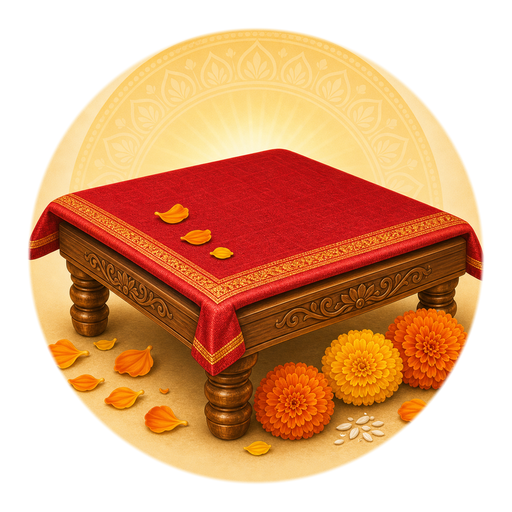 Chaurang/pat (low seat)
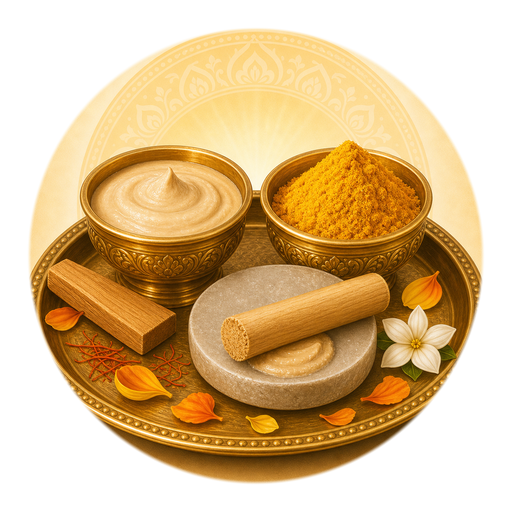 Sandalwood paste
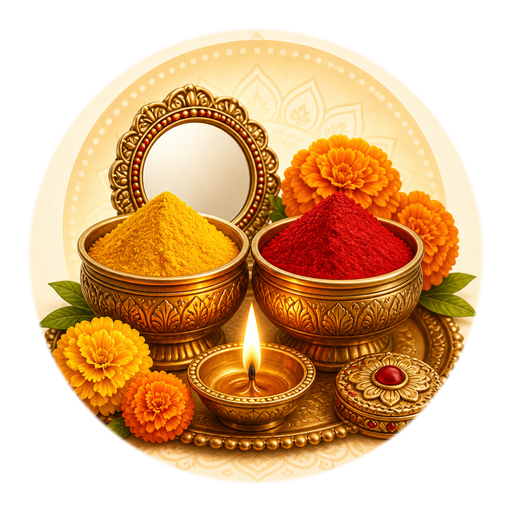 Haldi-kunku
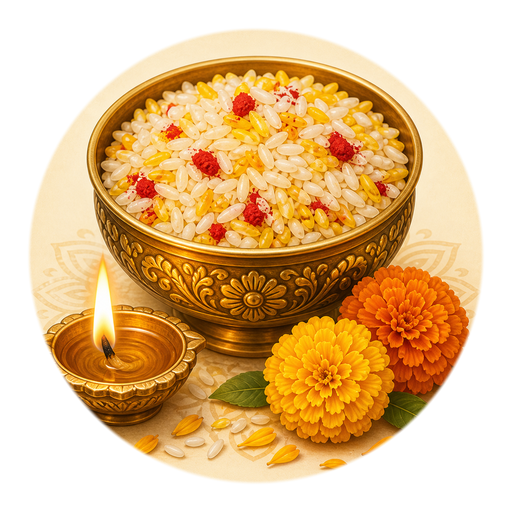 Akshata
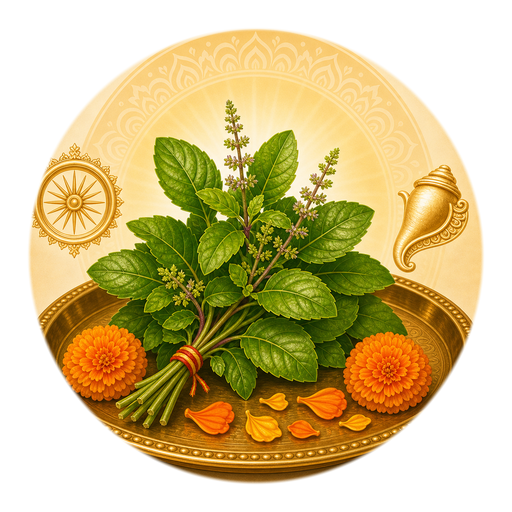 Tulsi leaves and tulsi mala
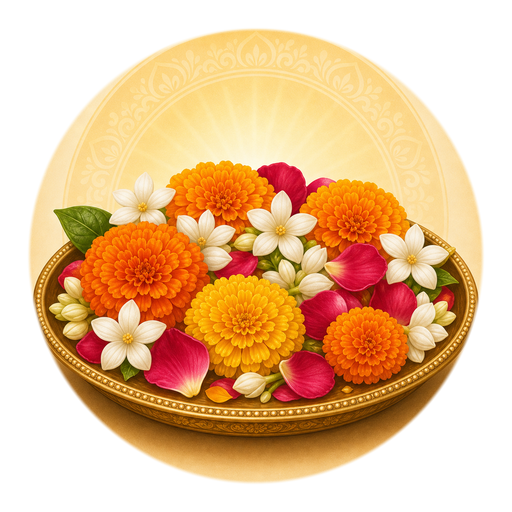 Flowers
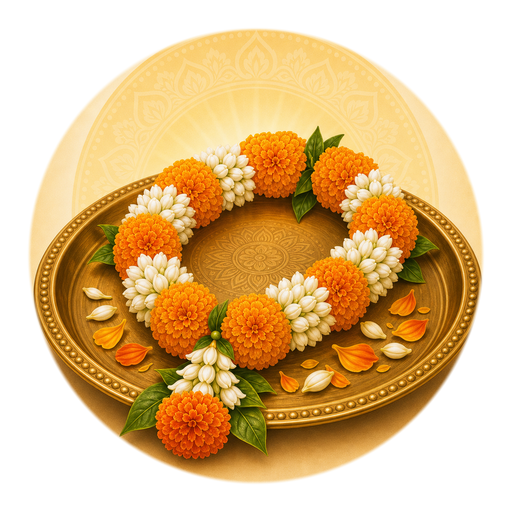 Garland
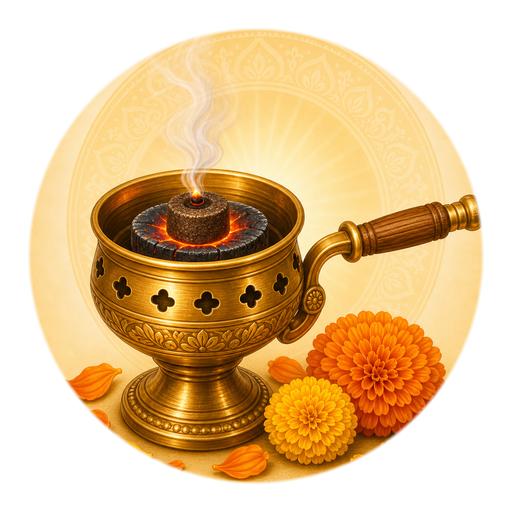 Dhup (incense)
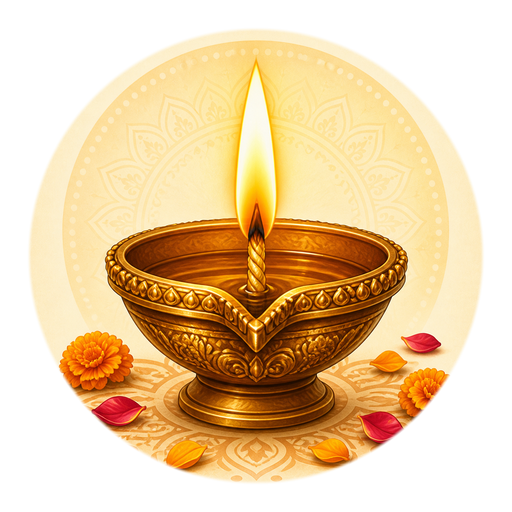 Dip (lamp)
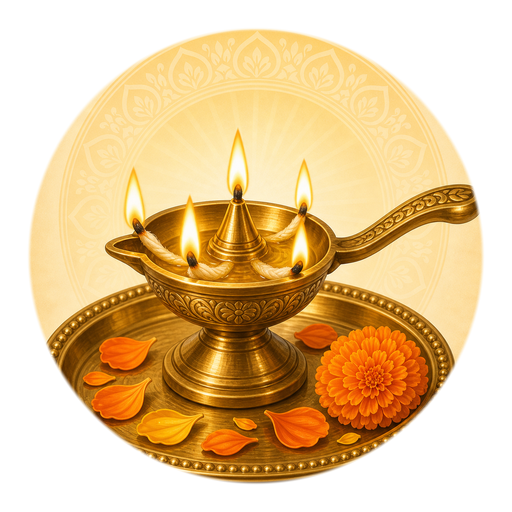 Niranjan
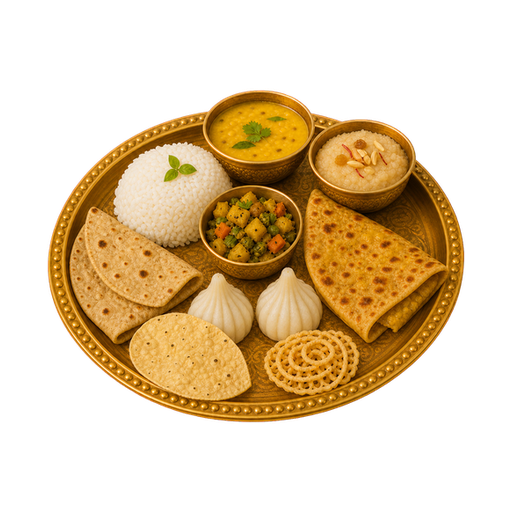 Naivedya (fruit-fast/sattvik)
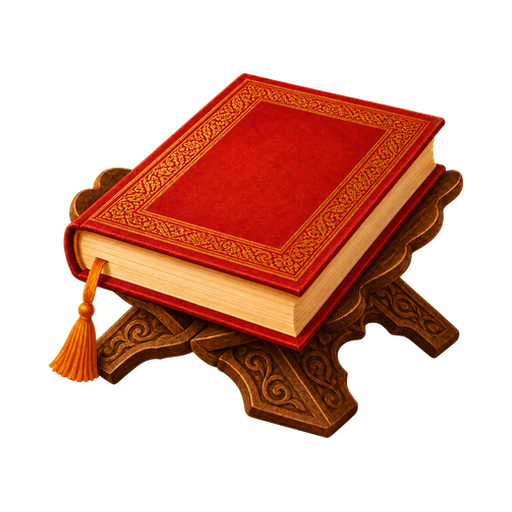 Abhang-gatha or pothi
Fasting & food (upvas)
- The upvas is the heart of the ekadashi. By tradition it is nirjal (without water), or phalahar only (fruit, milk, sabudana, rajgira, singhada flour, potato), or a single meal.
- Avoiding rice/grains on ekadashi is a widespread belief; in some traditions people eat lightly on the Dashami and do the parana on the Dwadashi.
⚠️ This can vary by home and local tradition — nirjal vs. phalahar, and which foods are allowed, are matters of tradition. A nirjal or long fast is not right for everyone; those with diabetes, who are pregnant, or elderly/unwell should decide only on expert advice and take phalahar in moderation.
Mantra & aarti
At the Vitthal puja on ekadashi it is traditional to sing the Vitthal aarti and the abhangs of the saints; in Vishnu worship the Vishnusahasranam is recited.
- Jap-mantras (traditional): in Vishnu worship, Om Namo Bhagavate Vasudevaya; in Vitthal smaran, Ram Krishna Hari.
- Vitthal aarti: its well-known opening line is "Yuge atthavis vitevari ubha, vamangi Rukhumai dise divya shobha…" — "For twenty-eight ages he stands upon the brick, Rukmini at his left side in divine splendour." Its closing verse sings the glory of the Ashadhi–Kartiki Wari and the bath in the Chandrabhaga: those who take Vitthal's darshan are said to attain mukti.
Regional variations (Maharashtra — the key distinction)
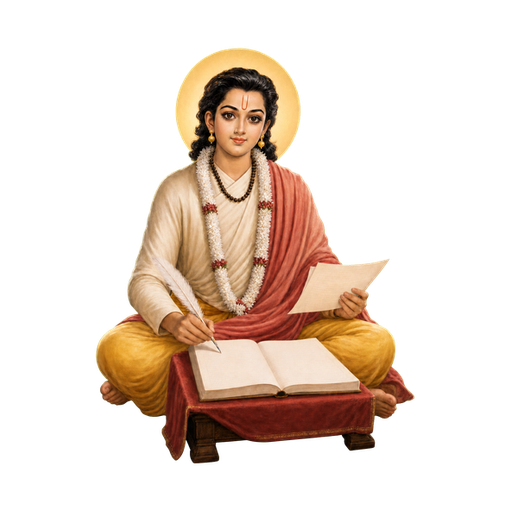
The Pandharpur Wari (Varkari tradition) is Maharashtra's distinctive form — the Dnyaneshwar palkhi sets out from Alandi and the Tukaram palkhi from Dehu; the saints' padukas (footwear-relics) are carried in the palkhi. The palkhis meet on the way at the village of Wakhari and reach Pandharpur on the ekadashi. The inspiring lineage runs through Namdev, Eknath and Tukaram.
- History: the tradition is about 700–800 years old (13th century, Dnyaneshwar). By one account, Vitthalpant (Dnyaneshwar's father) began the Ashadh–Kartik Wari; the paduka custom came from Tukaram (one version). In the 1820s, Haibatrao (Baba) Arphalkar organized the palkhi-dindi-horse structure seen today.
- Scale: an estimated one million (ten lakh) Varkaris are said to take part; it is regarded as one of the largest annual pilgrimages in the world.
- Kartiki Wari: a Wari also gathers at Pandharpur on Kartiki (Prabodhini) Ekadashi — the second big one after the Ashadhi Wari.
⚠️ The exact 2026 dates of the palkhi departures, ringan and the Wakhari meeting vary every year and are not given here — check with the Sansthan / temple committee.
Good to know
- Parana time (2026): the ekadashi tithi ends at 11:33 AM on 25 July; the parana is on the Dwadashi (26 July) at the proper time. The exact time varies by year and place → the 25 July day page.
- Fasting & health: a nirjal or long fast is not right for everyone; those with diabetes, who are pregnant, or elderly/unwell should go only by expert advice.
- Wari crowds: there are huge crowds at Pandharpur and along the palkhi routes — follow health, water, footwear, stampede-safety and local-administration advice. Temple darshan/mahapuja timings change year to year → check with the temple committee.
- Chaturmas note: avoiding auspicious ceremonies (weddings) during this period is a tradition — but it goes by family/regional custom; do not take it as a universal rule.
FAQ
- When is Ashadhi Ekadashi in 2026?
- Saturday, 25 July 2026 (Ashadh Shukla Ekadashi). The tithi ends at 11:33 AM; the parana is the next day on the Dwadashi.
- Why is Ashadhi Ekadashi called Devshayani Ekadashi?
- Because Vishnu is believed to enter a roughly four-month yoganidra (Chaturmas) on this day; 'Devshayani' means the day the deity sleeps. Vishnu wakes on Kartiki (Prabodhini) Ekadashi.
- What is the vrat katha of Ashadhi Ekadashi?
- By the core mahatmya story, on Ashadh Shayani Ekadashi one form of Vishnu stays with King Bali and the other sleeps on Shesha in the ocean of milk, remaining in yoganidra until Kartik Ekadashi — and Chaturmas begins from here. (The "Raja Mandhata drought" story attached to it in many modern places actually belongs to Bhadrapad-Padma Ekadashi in the source mahatmya — see above.)
- What should one eat or avoid on the ekadashi upvas?
- By tradition people take phalahar (fruit, milk, sabudana, rajgira, potato); avoiding rice/grains is a widespread belief. Nirjal vs. phalahar is by tradition; go by health and expert advice.
- What is the Pandharpur Wari and when does it reach Pandharpur?
- It is the on-foot pilgrimage of palkhis and dindis setting out from Alandi (Dnyaneshwar) and Dehu (Tukaram) — it concludes at Pandharpur on Ashadhi Ekadashi, with a bath in the Chandrabhaga and Vitthal darshan. It is a tradition about 800 years old.
- What is Chaturmas, and why does it begin on Ashadhi Ekadashi?
- Chaturmas is the roughly four-month period (of Vishnu's yoganidra) of sadhana, vrat and restraint, from Ashadhi Ekadashi to Kartiki Ekadashi. Because Vishnu is said to go to sleep on this day, Chaturmas begins here; auspicious ceremonies are traditionally avoided.