Mahatma Phule Janmadin
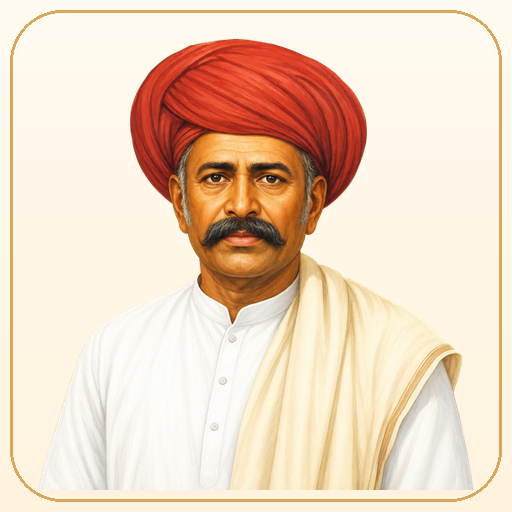
Mahatma Phule Janmadin is celebrated every year on 11 April — the birthday of social reformer Mahatma Jyotirao Govindrao Phule (born 11 April 1827). 2026 is a special year — starting 11 April 2026, his 200th-birth-anniversary (bicentenary) year begins. In 2026, the day falls on a Saturday.
This year's dates (2026)
Along with his wife Savitribai Phule, he started the first school for girls in Pune in 1848, and on 24 September 1873 he founded the Satyashodhak Samaj — an organisation that fought caste discrimination and superstition. The date is fixed every year, independent of the panchang's tithi or nakshatra.
Significance
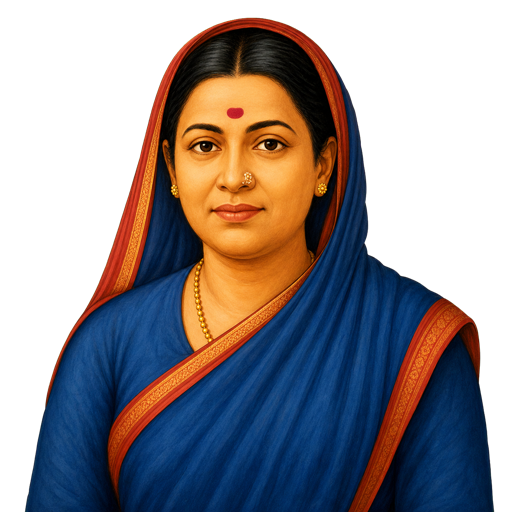
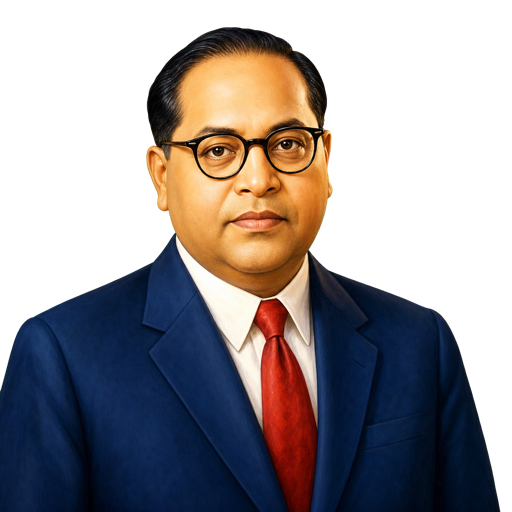
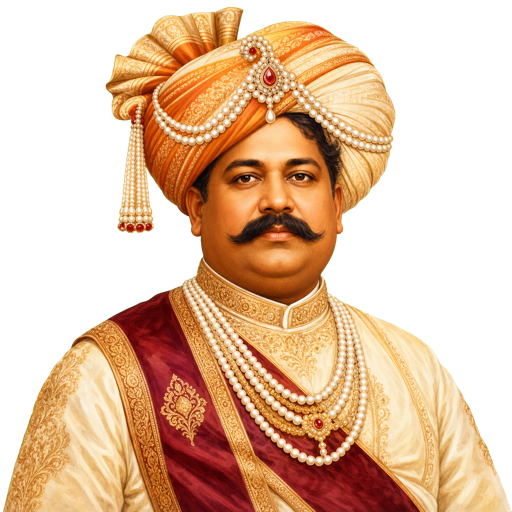
Mahatma Jyotirao Phule was one of 19th-century Maharashtra's most influential social reformers. He worked throughout his life for women's education, the elimination of caste discrimination, and the rights of marginalised communities. Along with his wife Savitribai Phule, he started schools for girls and for communities then treated as untouchable — a revolutionary step for the society of the time. Through the Satyashodhak Samaj, he championed rationalism, equality, and rituals performed without priests. His ideas' influence is clearly visible in the later work of Rajarshi Shahu Maharaj and Dr. Babasaheb Ambedkar.
History & background
Birth and family
Mahatma Jyotirao Phule was born on 11 April 1827. His father, Govindrao Shetiba Phule, sold flowers and vegetables for a living — which is how the family got the surname "Phule" (flower). He married Savitribai in 1840 and personally educated her.
Education for girls (1848)
Along with his wife Savitribai and Sagunabai Kshirsagar, he started the first school for girls in Pune on 1 January 1848. More schools followed by 1851, including schools for communities then treated as untouchable.
Literary work
Phule wrote several works, including "Brahmananche Kasab" (1869), "Chhatrapati Shivaji Raje Bhosale Yancha Powada" (1869), "Gulamgiri" (1873), "Shetkaryacha Aasud" (1883), and the posthumously published "Sarvajanik Satyadharma Pustak" (1891).
Satyashodhak Samaj (1873)
On 24 September 1873, Phule founded the Satyashodhak Samaj in Pune — an organisation open to all religions and castes, championing rituals without priests and rationalism, and working for the rights of farmers, women, and Dalits. Savitribai headed the organisation's women's wing.
The "Mahatma" title (1888)
On 11 May 1888, at a public felicitation ceremony in Mumbai, Phule was bestowed the title "Mahatma" — marking 40 years of social work.
Mahatma Phule died on 28 November 1890, in Pune.
Dr. Babasaheb Ambedkar regarded Jyotirao Phule, along with the Buddha and Kabir, as one of his "three gurus," and dedicated his book "Who Were the Shudras?" to him.
Public holiday status
This calendar lists 11 April as a holiday. However, Maharashtra's General Administration Department's list of 24 compulsory public holidays for 2026 does not show a clear entry for 11 April. Separately, the School Education and Sports Department's government resolution on the bicentenary year, issued on 10 April 2026, does not itself declare 11 April a holiday — it only mandates year-long commemorative programmes in schools across the state.
As a result, many schools, colleges, and local bodies across Maharashtra traditionally treat this day as a holiday, but whether it carries formal, state-wide compulsory public-holiday status can vary by place and institution — it is worth confirming the exact position from your own school's or office's holiday calendar.
How it is observed
Schools and colleges across the state hold tribute programmes, lectures, and cultural events around Phule's statues. Starting with the bicentenary year in 2026, the School Education Department has directed all schools in the state to hold image-veneration ceremonies, library programmes, webinars, seminars, and street plays/skits based on Phule's life — students are also encouraged to gift books and share flowers door to door as part of the celebration.
Connection with Maharashtra
Maharashtra's connection with Mahatma Phule Janmadin is the most direct and central of all — Phule's entire life's work unfolded within the state:
- Pune: his education, the founding of the school, the founding of the Satyashodhak Samaj (1873), and his death (1890) — all in Pune.
- Mumbai: the "Mahatma" title-bestowal ceremony (1888) took place in Mumbai.
- Kolhapur: Phule's Satyashodhak ideology went on to influence Rajarshi Shahu Maharaj.
Good to know
- Mahatma Phule Janmadin (11 April, birth) and Savitribai Phule Punyadin (10 March, death) are two different dates.
- The exact holiday status can vary by place — it's worth confirming from your own school's or office's calendar.
- The bicentenary year that began in 2026 runs until 10 April 2027 — expect various school programmes across the state through this period.
FAQ
- Why is Mahatma Phule Jayanti celebrated?
- It marks the birthday (11 April 1827) of social reformer Mahatma Jyotirao Phule, in memory of his work for women's education and social equality.
- When and where was Mahatma Jyotirao Phule born?
- On 11 April 1827 — sources note either Pune or his ancestral village in Satara district as the birthplace; the family settled in Pune.
- Is there a public holiday on Mahatma Phule Jayanti?
- This calendar lists it as a holiday, but it does not appear clearly on Maharashtra's list of compulsory public holidays — many schools and local bodies traditionally observe it as one, though the formal status can vary by place; it's best to confirm with your own school's or office's calendar.
- What is the Satyashodhak Samaj and when was it founded?
- An organisation founded by Mahatma Phule in Pune on 24 September 1873 — it fought caste discrimination, superstition, and priestly dominance while working for the rights of farmers, women, and Dalits.
- When and where was Mahatma Phule given the title "Mahatma"?
- He was bestowed the title at a public felicitation ceremony in Mumbai on 11 May 1888.