Savitribai Phule Punyadin
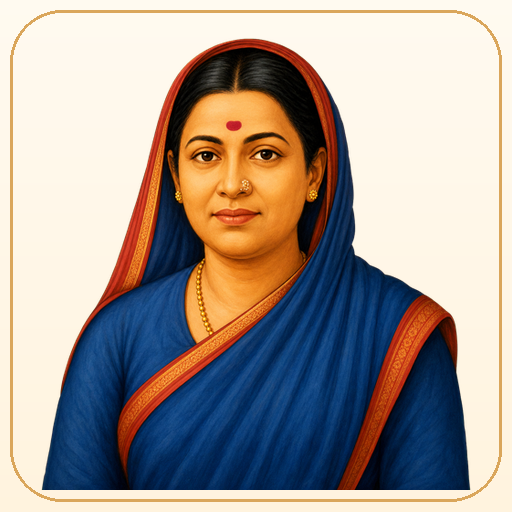
Dnyanjyoti Savitribai Phule's punyadin (death anniversary) is observed every year on 10 March — she was a pioneer of women's education and social reform in India, and this day marks her passing (she died on 10 March 1897, in Pune). In 2026, the day falls on a Tuesday.
This year's dates (2026)
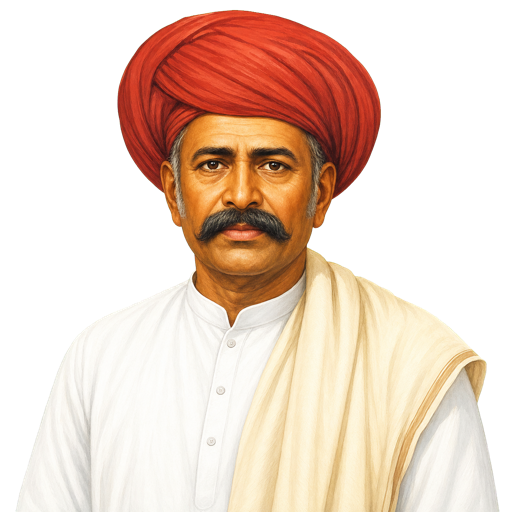
Along with her husband Mahatma Jyotirao Phule, Savitribai started the first school for girls in Pune on 1 January 1848 — she became its first teacher and headmistress. This is why she is widely regarded as India's first woman teacher of the modern era. She died after contracting an infection while nursing plague patients — a life devoted to social service until the very end. The date is fixed every year, independent of the panchang's tithi or nakshatra, and it is not a public holiday.
Significance
Savitribai Phule started schools for girls and marginalised communities at a time when education was considered the preserve of upper-caste men. She was pelted with cow-dung and mud on her way to school, yet she never gave up her work — making her a symbol of India's women's-education movement. Alongside her husband Jyotirao Phule, she fought untouchability, caste discrimination, and the subjugation of women. Her writing also carried a message of social awakening. Her work continues to inspire movements for girls' education and social equality today.
History & background
Birth and marriage
Savitribai was born on 3 January 1831 in Naigaon, Satara district. She was married to Jyotirao Phule in 1840. Jyotirao personally educated her; she later completed teacher training at institutions in Ahmednagar and Pune.
The first school for girls (1848)
On 1 January 1848, the Phule couple, along with Sagunabai Kshirsagar, started the first school for girls in Budhwar Peth, Pune — Savitribai became its first teacher and headmistress. They started more schools by 1851.
Around the same time, Savitribai's fellow trainee Fatima Sheikh is also credited with starting another school for girls — she is increasingly recognised in recent years as one of India's first Muslim women teachers.
Balhatya Pratibandhak Griha (1863)
The Phule couple, along with their friend Sadashiv Ballal Govande, started the "Balhatya Pratibandhak Griha" (infanticide-prevention home) — a safe, confidential facility offering delivery care for widows and destitute pregnant women. It is considered one of India's earliest efforts to prevent infanticide.
Leading the Satyashodhak movement
After Jyotirao's death (28 November 1890), Savitribai took charge of the Satyashodhak Samaj's work and also presided over the Satyashodhak conference at Saswad in 1893 — a notable role for her as an independent social leader in her own right.
Death (1897)
In 1897, when a plague epidemic spread around Pune, Savitribai and her adopted son Dr. Yashwant started a clinic for patients. She contracted the infection while nursing patients and died on 10 March 1897.
The honorific "Dnyanjyoti" (light of knowledge) attached to Savitribai's name is in wide popular use.
Public holiday status
Savitribai Phule Punyadin is not a public holiday in Maharashtra. The day is mainly observed with commemorative programmes, lectures, and tribute gatherings in schools, colleges, and social institutions.
How it is observed
Garlands are offered at Savitribai's statues in Pune and elsewhere. Schools and colleges hold lectures, essay competitions, and cultural programmes on her life and work, along with initiatives highlighting the importance of girls' education.
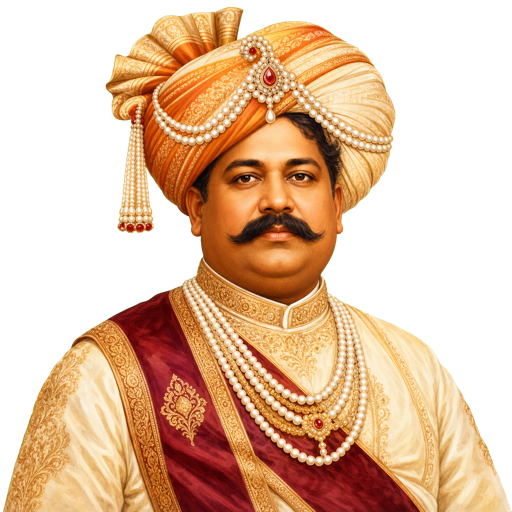
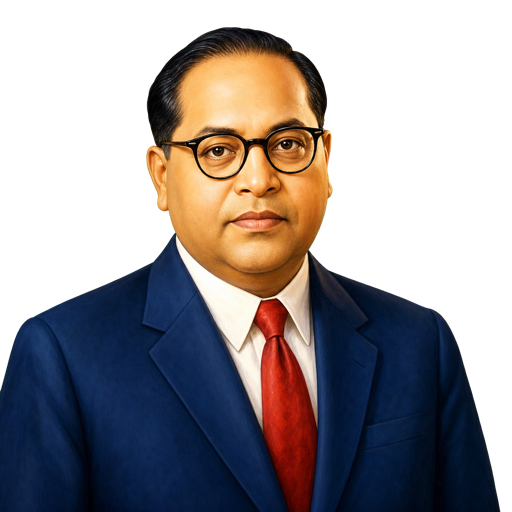
The Phule couple's work is widely seen as having laid the groundwork for social reformers who came after them, including Rajarshi Shahu Maharaj and Dr. Babasaheb Ambedkar — the movement for social equality and education carried forward in much the same spirit across later generations.
Connection with Maharashtra
Savitribai Phule is a central figure in Maharashtra's tradition of social reform — her entire life's work unfolded within the state:
- Naigaon (Satara district): her birthplace.
- Pune: her education, the founding of the school, the Balhatya Pratibandhak Griha, and the centre of the Satyashodhak movement — all of it in Pune.
- Modern government tribute: the Maharashtra government has launched a scholarship scheme in her name for students from the VJNT/OBC categories pursuing higher education.
Good to know
- Savitribai's birthday (3 January) and her punyadin (10 March, this page) are two different dates — worth keeping straight.
- Fatima Sheikh's contribution is increasingly highlighted in recent years — both women worked for girls' education in the same period.
FAQ
- When and how did Savitribai Phule die?
- On 10 March 1897, in Pune — she contracted an infection while nursing patients during a plague epidemic and died shortly after.
- Why is Savitribai Phule called India's first woman teacher?
- By starting the first school for girls in Pune on 1 January 1848 and becoming its first teacher and headmistress, she is widely regarded as India's first woman teacher of the modern era.
- Is there a holiday on Savitribai Phule Punyadin?
- No — this day is not a public holiday; schools, colleges, and social institutions hold commemorative programmes.
- What did Savitribai and Jyotirao Phule achieve together?
- Together they started schools for girls, established the Balhatya Pratibandhak Griha, and worked against caste discrimination and untouchability through the Satyashodhak Samaj. See the Mahatma Phule Janmadin page for more.
- What was Savitribai Phule's literary contribution?
- She wrote the poetry collections "Kavyaphule" (1854) and "Bavankashi Subodh Ratnakar" (1892), carrying a message of social reform and women's equality.