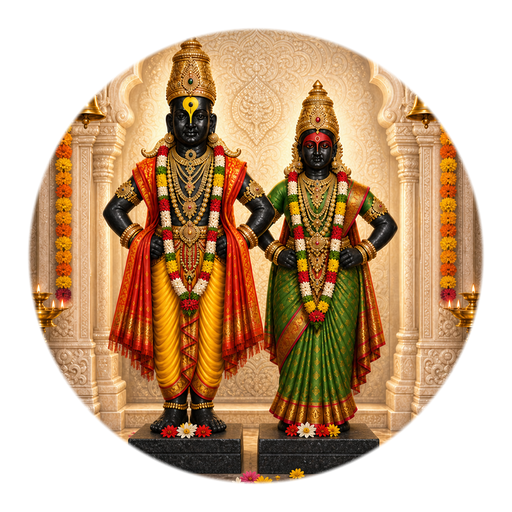
Nirjala Ekadashi (Bhimseni / Pandava Ekadashi)
Nirjala Ekadashi — the Ekadashi of the Shukla paksha of Jyeshtha month — "Nirjala" means waterless; on this day, the fast is kept without even water, alongside food. It's considered the toughest of all Ekadashis in the year, and observing it faithfully is believed to grant the merit of all 24 Ekadashis in a year. It's called "Bhimseni Ekadashi" because sage Vyasa prescribed this one fast for Bhima, and "Pandava Ekadashi" because the other Pandavas later took it up too. It falls every year on Jyeshtha Shukla Ekadashi, with parana the next day.
This year's dates (2026)
Significance
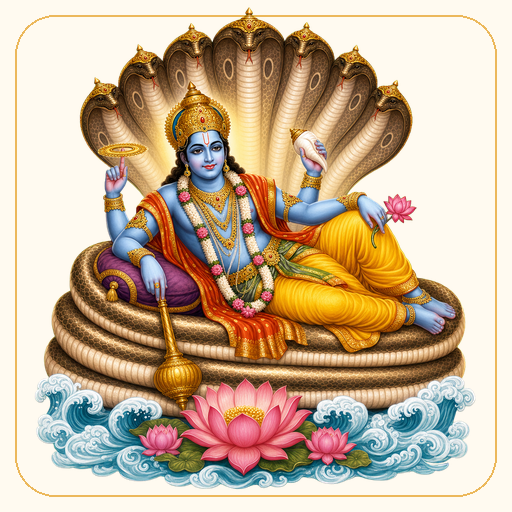
Every Ekadashi is dedicated to Vishnu, but Nirjala is the strictest of them all — even a single drop of water is avoided. The core belief behind its greatness is that observing this one vrat grants the merit of all 24 Ekadashis across the year, which is why it's also called the "queen of Ekadashis."
By Puranic belief, this vrat is said to bring atonement for sin and a path to liberation; it's also said that at the time of death, the devotee is taken to Vaikuntha by Vishnu's own messengers rather than Yama's.
Jyeshtha is the height of summer (May-June) — which is exactly why a waterless fast is most challenging during this month. This is also the inspiration behind the custom of donating water, and behind the legend of "the one vrat even Bhima could manage."
This Ekadashi falls about three to four weeks before Ashadhi Ekadashi — the next, and largest, Ekadashi from the Warkari tradition's perspective.
The legend
Bhima — among the Pandavas, known for his love of food and his great strength — goes to the sage Vyasa, revered like a grandfather. His mother Kunti, Draupadi, and his brothers all observe Ekadashi regularly, but Bhima cannot bear the hunger — a fierce digestive fire in his stomach means he cannot keep a complete fast. He asks Vyasa: is there just one fast in the year that grants the merit of all Ekadashis?
Vyasa tells him — the Ekadashi of the Shukla paksha of Jyeshtha month, "Nirjala," is that very vrat. It should be observed by giving up food and water entirely, from sunrise on Ekadashi until sunrise the next day, on Dwadashi. He promises that observing it faithfully grants the merit of all 24 Ekadashis in the year, freedom from all sins, and passage to Vaikuntha by Vishnu's messengers at the time of death. Hearing this, the other Pandavas also began observing this vrat together — which is why it's called "Pandava Ekadashi," and, because of Bhima, "Bhimseni Ekadashi."
This Bhima-Vyasa dialogue is said to originate in the Brahma Vaivarta Purana; the promise of "the merit of all Ekadashis," however, is also cited with reference to the Padma Purana.
Even though the fast is entirely waterless, a minimal amount of water (said to be the size of a mustard seed) is considered permissible for bathing and for achaman during worship — taking more than that is believed to break the vrat.
Who observes it
Devotees of Vishnu, especially Vaishnav families — Nirjala Ekadashi is observed with particular strictness among Vaishnavs. For those who can't manage every Ekadashi, this is traditionally described as a way to gain the merit of all Ekadashis by observing just this one vrat each year.
This fast is optional, not mandatory. See "Good to know" below for health precautions.
Vrat vidhi
The sequence below is a general one compiled from multiple sources — not a fixed, single-correct ritual; it can vary by family and local custom.
- On the day before (Dashami), a sattvik, single-meal diet is followed, avoiding grains, onion-garlic, and tamasik food.
- On Ekadashi, after a bath at Brahma muhurat, clean (traditionally yellow) clothing is worn, and Vishnu's murti or image is installed.
- A sankalp (vow) is taken for a day-long waterless fast.
- Sandalwood paste, akshata, yellow flowers and tulsi leaves, durva grass and chandan, incense, and a lamp are offered, along with fruit as naivedya.
- "Om Namo Bhagavate Vasudevaya" is chanted (traditionally 108 times) and the Vishnusahasranama is recited; the legend is heard or read; an arghya (a ritual offering of water) is offered to the sun.
- A kalash filled with water (covered in white cloth), along with food, clothing, an umbrella, a hand fan, sugar, and dakshina, are donated — donating water in particular is considered especially meritorious.
- Chanting continues through the day; in some traditions, a night vigil is also kept.
- The next day, on Dwadashi, the fast is broken at the proper parana muhurat, avoiding the Harivasar period, with water, fruit, or a sattvik meal after prayers to Vishnu.
Puja samagri
A murti or image of Vishnu, a low wooden seat, yellow clothing, sandalwood paste, turmeric, kumkum and akshata, tulsi leaves and yellow flowers/garlands, durva grass and chandan, incense and a lamp, fruit as naivedya (sattvik), a kalash filled with water (for donation, covered in white cloth), an umbrella and hand fan (for donation), and the Vishnusahasranama text.
Fasting / dietary rules
The waterless fast is the very center of this Ekadashi — in the ideal observance, from sunrise on Ekadashi to sunrise on Dwadashi, roughly 24 hours, both food and water are given up entirely. A minimal amount of water (the size of a mustard seed) is, however, considered permissible for achaman during worship; taking more than that is believed to break the vrat. It's widely held that rice and grains are avoided on Ekadashi; a light sattvik meal is taken on Dashami, and the fast is broken on Dwadashi.
For those who can't manage a strict waterless fast, a phalahar option (fruit, milk, coconut water, sabudana, rajgira) is available — this is still believed to carry merit. These rules can vary by family and local tradition; consult an expert if there's a health condition (see "Good to know").
Mantra / aarti / stotra
The Vishnu mool-mantra "Om Namo Bhagavate Vasudevaya" — meaning: "Salutations to Lord Vasudeva (Vishnu)" — is traditionally chanted 108 times during Nirjala puja and the sankalp. Reciting the Vishnusahasranama (Vishnu's 1,000 names) is also a widespread custom on Ekadashi. The exact aarti/stotra varies by tradition.
Regional customs
Nirjala Ekadashi is fundamentally a major North Indian vrat — it isn't established as a distinctly Marathi "festival" the way Vat Purnima or Ashadhi is. One clear Maharashtra connection is the Warkari milieu — Nirjala Ekadashi falls about three to four weeks before the Ashadhi Wari, and large crowds have also been recorded at Pandharpur for Vitthal darshan on this day itself (some devotees taking phalahar, others a full waterless fast). "Pandava Ekadashi" and "Bhimseni Ekadashi" are the names commonly used in Maharashtra. Beyond this, no distinct, independently-confirmed Maharashtra-specific custom (a particular naivedya, a local pilgrimage) is currently recorded here.
This year's date
| Date | Day | Tithi | Nakshatra | Note |
|---|---|---|---|---|
| 25 June | Thursday | Jyeshtha Shukla Ekadashi (ends 20:08) | Swati (ends 16:28) | Parana the next day (26 June, Friday, Jyeshtha Shukla Dwadashi, ends 22:21) |
2026 is a year with an Adhik Jyeshtha; this vrat, however, falls only within Nij (the regular) Jyeshtha — Nirjala Ekadashi doesn't occur during Adhik Jyeshtha.
When the Ekadashi tithi spans two sunrises, some Vaishnav traditions/panchangs may observe the fast a day later — this is a panchang-based variation; the general date (25 June) is used here.
The exact Gregorian date for next year (2027) isn't stated definitively here — the tithi (Jyeshtha Shukla Ekadashi) stays fixed, but the Gregorian date follows that year's panchang.
Good to know
- Health note (the most useful caution on this page): this fast is optional, not mandatory. The waterless fast falls during Jyeshtha's peak summer heat — temperatures across north and central India are reported to cross 40°C during this period, making it one of the most challenging times of year to fast without water. The elderly, pregnant and nursing women, young children, diabetics, patients with heart or kidney conditions, and anyone on regular medication should avoid a strict waterless fast — whether to fast, and in what form, should be decided only on a doctor's advice.
- Warning signs: dizziness, a severe headache, confusion, heart palpitations, or a marked drop in urination are signs to break the fast immediately and seek medical help if needed. If a waterless fast isn't manageable, a phalahar option (fruit, milk, coconut water) is one alternative — still considered meritorious; anyone with a health condition or on regular medication should check with a doctor before choosing even this option.
- Summer precautions: avoid overexertion and harsh sun through the day; donating water, a cool drink, an umbrella, or a hand fan is especially useful for those in need during this season.
- Parana time (2026): the Ekadashi tithi ends at 20:08 on 25 June; parana falls on Dwadashi (26 June) at the proper muhurat, avoiding the Harivasar period — check the exact clock time on that year's panchang or the 25 June day page.
FAQ
- When is Nirjala Ekadashi in 2026?
- Thursday, 25 June 2026 (Jyeshtha Shukla Ekadashi). The tithi ends at 20:08; parana is the next day (26 June).
- Can water be drunk on Nirjala Ekadashi?
- No — that's exactly what makes it distinctive. Even water is avoided along with food (from sunrise until sunrise the next day). Only a minimal amount for achaman during worship is considered permissible; more than that is believed to break the vrat. Choose a phalahar option and consult a doctor if there's a health condition.
- Why is Nirjala Ekadashi called Bhimseni Ekadashi?
- Bhima couldn't bear fasting; the sage Vyasa told him to observe just this one vrat each year, which grants the merit of all Ekadashis. That's why it's called "Bhimseni Ekadashi," and, since the other Pandavas began observing it too, also "Pandava Ekadashi."
- How is the Nirjala Ekadashi vrat observed?
- A sattvik diet on Dashami; on Ekadashi, a bath at Brahma muhurat, a sankalp, worship of Vishnu (tulsi, yellow flowers), chanting "Om Namo Bhagavate Vasudevaya," and reciting the Vishnusahasranama, a day-long waterless fast with continued chanting; parana on Dwadashi. The exact ritual can vary by tradition.
- What should be donated on Nirjala Ekadashi?
- Since it's a summer vrat, a water-filled kalash, water, a cool drink, an umbrella, a hand fan, food, clothing, sugar, and dakshina — donating water in particular is considered meritorious.
- Who shouldn't observe the Nirjala Ekadashi fast?
- The elderly, pregnant and nursing women, young children, diabetics, patients with heart or kidney conditions, and anyone on regular medication should avoid a strict waterless fast; this fast is optional — whether to observe it, and in what form (phalahar or otherwise), should be decided only on a doctor's advice.
- When should the parana for Nirjala Ekadashi be done?
- The next day, on Dwadashi (2026: 26 June), at the proper parana muhurat, avoiding the Harivasar period, with water or fruit after prayers to Vishnu. The exact time follows that year's panchang.