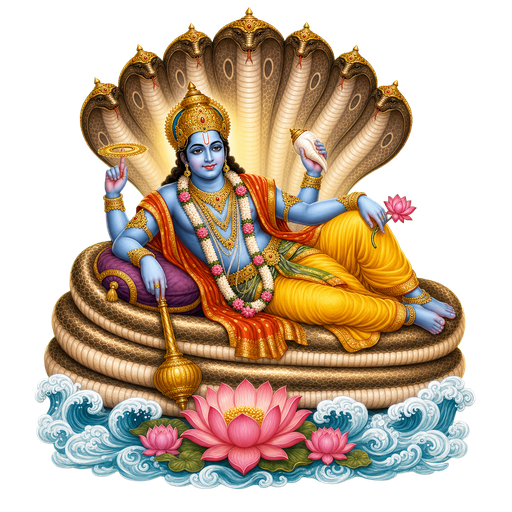
Parama Ekadashi
Parama Ekadashi is a Vishnu vrat observed on the Krishna paksha of Adhik Maas (the leap month) — it comes only once every ~3 years, so most readers won't even have heard the name before. Unlike its Shukla-paksha counterpart, Padmini Ekadashi, Parama Ekadashi's focus isn't atonement for sin but freedom from poverty and the arrival of prosperity — it's tied to the story of Sumedha and Pavitra, a poor couple who found prosperity through this vrat. This year (2026): Thursday, 11 June (Adhik Jyeshtha Krishna Ekadashi); parana the next day (12 June).
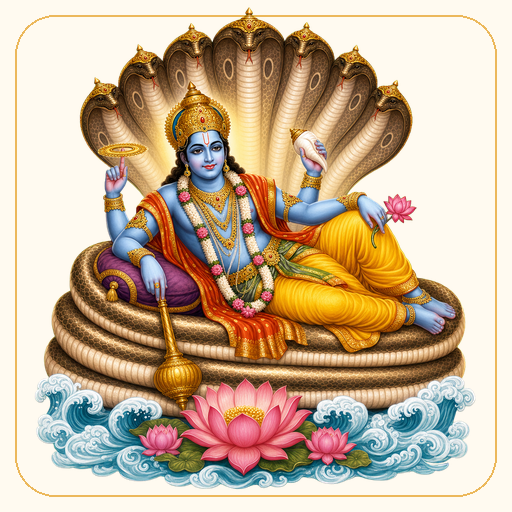
This year's dates (2026)
Significance
"Parama" means "the supreme" or "the highest" — Adhik Maas itself is believed to have been given Vishnu's own name, becoming "Purushottam Maas," so a vrat observed within it is said to carry even greater merit than usual. Adhik Maas brings two extra Ekadashis — Padmini (Kamala) on the Shukla paksha, and Parama on the Krishna paksha; a normal year has just 24 Ekadashis, while an Adhik-Maas year has 26. But Parama Ekadashi doesn't come every year — it falls only in Adhik-Maas years, so it shouldn't be mistaken for a regular annual vrat.
Unlike the general sin-atonement focus of most Ekadashis, Parama Ekadashi's special theme is relief from poverty — by tradition, this vrat is said to have made Kubera the lord of wealth, and to have restored King Harishchandra's kingdom, wife, and son. This is traditional Puranic praise, not a guaranteed outcome. Some sources also give this Ekadashi the alternate name "Harivallabha Ekadashi."
The legend
In the city of Kampilya lived an extremely poor but devout Brahmin named Sumedha, together with his wife Pavitra — a sin from a past life had left him without food, clothing, or shelter. When Sumedha considers travelling abroad to earn a living, his wife Pavitra stops him — she tells him to have faith in destiny and past merit instead. Around this time, the sage Kaundinya visits their home; the couple honors him as best they can and asks how to overcome their poverty. Kaundinya suggests the Parama Ekadashi vrat — saying this vrat is exceedingly dear to Hari and destroys all sin and the suffering of poverty — and explains the practice of a five-night (panchratra) fast. In the course of this advice, Kaundinya also cites earlier examples — this same vrat, he says, is what made Kubera the lord of wealth, and restored King Harishchandra's kingdom, wife, and son.
Sumedha and Pavitra observe the vrat with faith. After the parana, a radiant prince arrives at their door — sent by a dream-command from Brahma — and gives them a house, cattle, and a village to live on. The couple lives happily and eventually attains Vaikuntha. Tradition holds that Krishna himself told this legend and its merit; it's said to appear in the Skanda Purana.
Sources vary on exactly who Krishna told this story to — some say Arjuna, others say Yudhishthira; since most other Ekadashi legends follow the general Krishna-to-Yudhishthira framework, that version appears more consistent.
Who observes it
Devotees of Vishnu — especially those seeking relief from financial hardship and a wish for prosperity — observe the Parama Ekadashi vrat, since the story's core theme of relief from poverty is considered this vrat's special focus. For those observing the whole of Adhik Maas (Purushottam Maas), Parama Ekadashi marks an important milestone near the month's end.
Vrat vidhi
The sequence below is the general one-day practice — not a fixed, single-correct ritual.
- On the day before (Dashami), a restrained sattvik/single-meal diet is followed, avoiding grains and onion-garlic.
- On Ekadashi, after a bath at Brahma muhurat, clean (preferably yellow) clothing is worn, and Vishnu's murti or image is installed.
- A panchamrit bath, sandalwood paste, akshata and kumkum, tulsi manjari and yellow flowers are offered, along with incense and a lamp (an unbroken ghee lamp).
- "Om Namo Bhagavate Vasudevaya" is chanted and the Vishnusahasranama is recited; the legend is heard or read.
- In the evening, lamps are offered at various spots, followed by a night vigil, bhajans, and kirtan (optional).
- Food, clothing, an umbrella, and a water pot are donated.
- The fast is broken (parana) the next day, on Dwadashi, at the proper time, avoiding the Harivasar period.
The legend also mentions that the sage Kaundinya prescribed Sumedha a five-night (panchratra) fast, along with celibacy and a night vigil — this is the scripture-ideal, story-prescribed version; today's common practice is the one-day version, and the five-day fast shouldn't be taken as mandatory.
Puja samagri
A murti or image of Vishnu, a low wooden seat, clean (preferably yellow) clothing, sandalwood paste, turmeric, kumkum and akshata, tulsi manjari and yellow flowers, panchamrit, incense and a lamp (a ghee lamp), camphor, a conch, fruit and naivedya (including panchamewa and coconut), a kalash of water, and food/clothing/an umbrella/a water vessel for donation.
Fasting / dietary rules
It's widely held that rice, wheat, grains, and all lentils and pulses are avoided; one Marathi source specifically notes that eating rice on this day is considered forbidden (it says even non-observers should avoid it — this isn't stated as a universal rule). Fruit, milk, dry fruit, sabudana, makhana, potato, sweet potato, singhada/kuttu/rajgira flour, and rock salt are allowed; some also observe a waterless fast, according to their ability. Onion-garlic, meat, alcohol, and tamasik food are avoided; daytime sleep and disrespecting anyone should be avoided; it's also said that tulsi leaves shouldn't be plucked on this day. These rules can vary by family and local tradition; consult an expert if there's a health condition (see "Good to know").
Mantra / aarti / stotra
The Vishnu mool-mantra "Om Namo Bhagavate Vasudevaya" — meaning: "Salutations to Lord Vasudeva (Vishnu)" — is traditionally chanted during the Ekadashi puja and sankalp. Reciting the Vishnusahasranama (Vishnu's 1,000 names) is also a widespread custom on this Ekadashi. The exact aarti/stotra varies by tradition.
Regional customs
Parama Ekadashi is fundamentally a pan-India Vaishnav Ekadashi, built on the mechanics of Adhik Maas — it has no distinctly Maharashtrian origin. The pairing of the Shukla-paksha Ekadashi as "Padmini (Kamala)" and the Krishna-paksha Ekadashi as "Parama" within Adhik Maas is consistently recorded across both Marathi and Hindi sources. No distinct Maharashtra-specific custom (local temple celebrations, a particular recitation tradition) is currently recorded.
This year's date
| Date | Day | Tithi | Nakshatra | Note |
|---|---|---|---|---|
| 11 June | Thursday | Adhik Jyeshtha Krishna Ekadashi (ends 22:36) | Revati (ends 08:16) | Parana the next day (12 June, Friday, Krishna Dwadashi, ends 19:37) |
On rarity: Parama Ekadashi doesn't come every year — it falls only in Adhik-Maas years (roughly every 32-33 months). The next Parama Ekadashi falls in the next Adhik Maas, roughly around 2029.
Good to know
- Watch for a name mix-up: the panchang may currently show 11 June, incorrectly, as "Kamala Ekadashi" — this day is actually Parama Ekadashi. Kamala/Padmini Ekadashi always falls on the Shukla paksha (27 May this year); this 11 June occasion falls on the Krishna paksha, so don't take the two as the same event.
- Parana time (2026): the Ekadashi tithi ends at 22:36 on 11 June; parana falls on Dwadashi (12 June) at the proper muhurat, avoiding the Harivasar period — Dwadashi ends at 19:37 on 12 June. Check the exact clock time on that year's panchang or the 11 June day page.
- Health note: June falls at the height of summer and the pre-monsoon period in Maharashtra — if choosing a waterless fast or the five-night version, the elderly, pregnant and nursing women, young children, diabetics, patients, and anyone on regular medication should avoid this or consult a doctor first; a phalahar option is safer. Break the fast if you feel dizzy or severely weak.
- On religious merit: claims like "the merit of all pilgrimages and yagnas" or "prosperity like Kubera's" are Puranic praise-language — given by tradition, not stated here as a universal guarantee.
FAQ
- When is Parama Ekadashi in 2026?
- Thursday, 11 June 2026 (Adhik Jyeshtha Krishna Ekadashi). The panchang may currently show this day, incorrectly, as "Kamala Ekadashi" — it's actually Parama Ekadashi. Parana is the next day (12 June).
- What's the difference between Parama Ekadashi and Padmini Ekadashi?
- Both fall within Adhik Maas — the Shukla-paksha Ekadashi is "Padmini (Kamala)," and the Krishna-paksha one is "Parama." In 2026, Padmini falls on 27 May and Parama on 11 June.
- Why should one observe the Parama Ekadashi vrat?
- By tradition, this vrat is believed to bring freedom from poverty and the arrival of prosperity — in the legend, a poor couple, Sumedha and Pavitra, found prosperity through this vrat; Kubera and King Harishchandra are also said to have regained wealth and a kingdom through the same vrat.
- What is the legend of Parama Ekadashi?
- A poor Brahmin named Sumedha and his wife Pavitra, from the city of Kampilya, observed this vrat on the sage Kaundinya's advice; afterward, a prince arrived and gave them a house, cattle, and a village, and the couple became prosperous. (Tradition holds that this Skanda Purana legend was told by Krishna himself.)
- How is the Parama Ekadashi vrat observed?
- A sattvik diet on Dashami; on Ekadashi, a bath at Brahma muhurat, worship of Vishnu (tulsi, yellow flowers, a lamp), chanting and hearing the legend, and a day-long fast; parana on Dwadashi. Some traditions also mention a five-night panchratra version of the vrat (the scripture-ideal version).
- Why does Ekadashi come twice within Adhik Maas?
- Adhik Maas adds one full extra lunar month, so an Ekadashi falls in both its fortnights (Shukla and Krishna) — Padmini in the Shukla paksha, Parama in the Krishna paksha. A normal year has just 24 Ekadashis; an Adhik-Maas year has 26.
- When should the parana for Parama Ekadashi be done?
- The next day, on Dwadashi (2026: 12 June), at the proper parana muhurat, avoiding the Harivasar period. The exact time follows that year's panchang.
- What should be eaten and avoided on Parama Ekadashi?
- Rice, wheat, grains, and lentils/pulses should be avoided (eating rice is considered especially forbidden); fruit, milk, sabudana, dry fruit, and rock salt are allowed. Onion-garlic, meat, and tamasik food are avoided; tulsi leaves shouldn't be plucked. Choose a phalahar diet and consult an expert if there's a health condition.