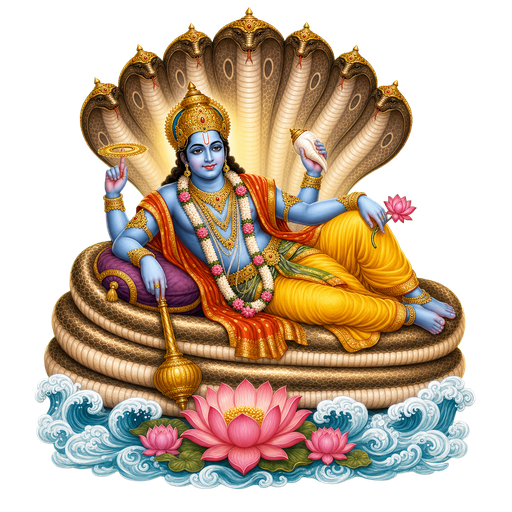
Padmini Ekadashi (Kamala Ekadashi)
Padmini Ekadashi — which the panchang also labels "Kamala Ekadashi" — is a Vishnu vrat observed on the Shukla-paksha Ekadashi of Adhik Maas (the leap month), which comes only once every ~3 years. This year (2026): Wednesday, 27 May (Adhik Jyeshtha Shukla Ekadashi); parana the next day (28 May). The next Padmini Ekadashi is not in 2027 — the next Adhik Maas falls directly in 2029 (in Adhik Chaitra).
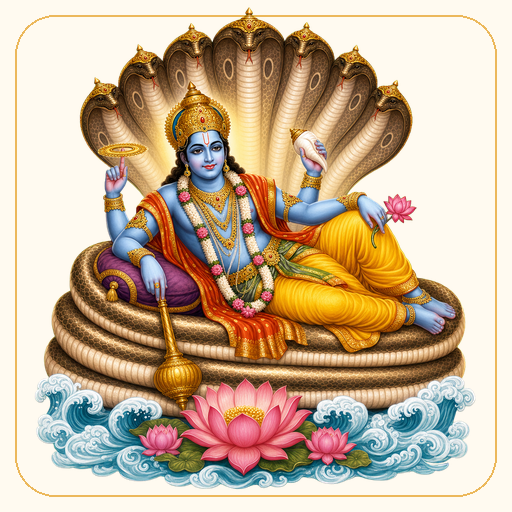
This year's dates (2026)
Significance
Padmini Ekadashi is dedicated to Vishnu and is one of the two Ekadashis that fall within Adhik Maas — the other being Parama Ekadashi, on the Krishna paksha of the same leap month. Adhik Maas is an extra month inserted to reconcile the solar and lunar calendars — once regarded as an inauspicious "mala maas," it's said that Vishnu, by Puranic tradition, gave it his own name and made it "Purushottam Maas," so that vrats observed in this month are believed to carry greater merit. This same feature is why Padmini Ekadashi doesn't come every year — Adhik Maas recurs roughly every 32-33 months (~3 years), so this vrat is just as rare.
The two are two common names for the same tithi, not separate occasions.
The legend
A childless king of Mahishmati (named Kritavirya in one version, Upakirtivirya in another) and his queen (named Padmini or Pramada, depending on the version) longed for a son. One day, the queen learned the secret of this Adhik-Maas Ekadashi vrat from the sage's wife, Anasuya. The queen observed the vrat with faith, keeping a night-long vigil, and Vishnu, pleased, granted her a boon of a son — from this came the son Kartavirya Arjuna (also known as Sahasrarjuna). The exact names of the king and queen vary by source.
Exactly which Purana this legend comes from isn't clear or consistent across sources — one place cites the Skanda Purana as a single source, while others reference the Uttara Khanda of the Padma Purana.
Who observes it
Devotees of Vishnu — especially those seeking atonement for sin and passage to Vaikuntha — observe Padmini Ekadashi, this special vrat of Adhik Maas.
Vrat vidhi
The sequence below is a general guide — not a fixed, single-correct ritual; it can vary by family and local custom.
- After a morning bath, Vishnu is worshipped with a panchamrit abhishek.
- Tulsi leaves and yellow flowers are offered, along with the chanting of Vishnu's names and, where possible, a recitation of the Vishnusahasranama.
- A day-long fast is observed (waterless, fruit-based, or sattvik — according to one's ability).
- A night-long vigil (jagaran) is kept where possible.
- The fast is broken (parana) at the proper time on Dwadashi, avoiding the Harivasar period.
Puja samagri
An image or murti of Vishnu, tulsi leaves and yellow flowers, panchamrit, incense and a lamp, and fruit-based naivedya.
Fasting / dietary rules
Rice, wheat, all lentils and pulses, urad dal, onion-garlic, honey, and ordinary salt (other than sendha/rock salt), as well as alcohol and meat, are avoided; it's customary to eat a sattvik diet starting from Dashami and break the fast on Dwadashi. Three levels of fasting are described, according to one's ability — nirjala (giving up both food and water, considered the most meritorious, suitable only for the healthy), phalahar (fruit, milk, sendha salt, kuttu flour, sabudana, potato — the most common option), and a sattvik diet (a light, grain-free meal — recommended for the elderly, children, the unwell, pregnant women, and first-time observers). Celibacy and the chanting of Vishnu's names are also expected. These rules can vary by family and local tradition — sincerity matters more than severity; a nirjala fast isn't mandatory, and a phalahar or sattvik option, and a doctor's advice where there's a health condition, is the better choice (see "Good to know").
Mantra / aarti / stotra
The Vishnu mool-mantra "Om Namo Bhagavate Vasudevaya" — meaning: "Salutations to Lord Vasudeva (Vishnu)" — is traditionally chanted through the day. Reciting the Vishnusahasranama (Vishnu's 1,000 names) is also a specially-recommended custom on this Ekadashi; its full text isn't given here. One source also suggests a special reading of Chapter 15 of the Bhagavad Gita (Purushottama Yoga) for this month. The exact aarti/stotra varies by tradition.
Regional customs
Padmini Ekadashi is fundamentally a pan-India Vaishnav Ekadashi — since the concept of Adhik Maas itself is observed across India, this vrat doesn't carry the same distinctly-Maharashtrian "festival" identity that Vat Purnima or Margashirsh Guruvar does. Marathi-language sources mention donations of food, clothing, an umbrella, and a water pot, a practical choice that fits the height of the May-June summer. That same Marathi source uses only the name "Padmini Ekadashi," with no mention of "Kamala." No distinct Maharashtra-specific custom (local temple celebrations, a particular naivedya) is found.
This year's date
| Date | Day | Tithi | Nakshatra | Note |
|---|---|---|---|---|
| 27 May | Wednesday | Adhik Jyeshtha Shukla Ekadashi (ends 06:21) | Chitra (all day) | The panchang names this day 'Kamala Ekadashi'; parana the next day (28 May, Thursday, Shukla Dwadashi, ends 07:56) |
The Ekadashi tithi actually begins at 05:10 on the morning of 26 May and lasts the full day, but the named vrat day is only 27 May (by the udaya-tithi rule). There's no Smarta-Vaishnav date split this year; both traditions agree on 27 May.
On rarity: Padmini Ekadashi doesn't come every year — it falls only within Adhik Maas. The next Padmini Ekadashi after 2026 is not in 2027, but in 2029 (in Adhik Chaitra) — the exact date will follow that year's panchang.
Good to know
- Parana time (2026): the Ekadashi tithi ends at 06:21 on 27 May; parana falls on Dwadashi (28 May), avoiding the Harivasar period — check the exact clock time on that year's panchang or the 27 May day page.
- Health note: Adhik Jyeshtha falls at the height of summer (late May) — if choosing both a nirjala fast and a night-long vigil, the elderly, pregnant and nursing women, young children, diabetics, patients, and anyone on regular medication should avoid this or consult a doctor first; a phalahar or sattvik diet is the safer option. Take special care around heat and dehydration.
- Avoid a name mix-up: the panchang may show this day as "Kamala Ekadashi" — that's the same day as "Padmini Ekadashi." The same "Kamala Ekadashi" label can also appear on 11 June (a separate, Krishna-paksha Parama Ekadashi) — that date is unrelated to this page, so don't confuse the two.
- On religious merit: claims like "erases sin" or "grants passage to Vaikuntha" are Puranic praise-language — given by Puranic tradition, not stated here as a universal guarantee.
FAQ
- When is Padmini Ekadashi in 2026?
- Wednesday, 27 May 2026 (Adhik Jyeshtha Shukla Ekadashi). The tithi ends at 06:21 in the morning; parana is the next day (28 May).
- Why is Padmini Ekadashi also called Kamala Ekadashi?
- "Padmini" and "Kamala" are two common names for the same Shukla-paksha Ekadashi of Adhik Maas — both words relate to "lotus" (Kamala is also a name of Lakshmi). The panchang shows this day as "Kamala Ekadashi."
- Why doesn't Padmini Ekadashi come every year?
- It falls only within Adhik Maas (the leap month), which recurs roughly every 32-33 months (~3 years). The next occurrence after 2026 is in 2029, in Adhik Chaitra.
- What is Adhik Maas?
- An extra month inserted to reconcile the difference between the solar and lunar years. It was once regarded as an inauspicious "mala maas," but by Puranic tradition, Vishnu gave it his own name and made it "Purushottam Maas."
- Why should one observe the Padmini Ekadashi vrat?
- By Puranic belief, it erases sin and grants passage to Vaikuntha; in the legend, a childless king and queen were blessed with a son (Kartavirya Arjuna) through the merit of this vrat.
- What is the legend behind Padmini Ekadashi?
- A childless king and queen (rulers of Mahishmati) — the queen learns the secret of this Adhik-Maas Ekadashi vrat from the sage's wife Anasuya; she observes it with a night vigil, and Vishnu, pleased, grants her a son — Kartavirya Arjuna is born. (The names of the king and queen vary by version.)
- When should the parana for Padmini Ekadashi be done?
- The next day, on Dwadashi (2026: 28 May), at the proper parana muhurat, avoiding the Harivasar period. The exact time follows that year's panchang.
- When is the next Padmini Ekadashi?
- The next Adhik Maas falls in 2029, in Adhik Chaitra; the Shukla-paksha Ekadashi of that year will be the next Padmini Ekadashi. The exact Gregorian date will be set by the panchang of that time.