Ravi Pushya Yoga
Ravi Pushya Yoga (also called Ravi Pushya Amrit Yog) is an auspicious muhurat (an auspicious time-window) formed when a Sunday (Ravivar) and the Pushya nakshatra fall on the same day. Because that happens only a few times a year, it is considered rare and valuable. It is treated as a highly auspicious muhurat for buying gold, silver, vehicles and property, and for starting a new business or investment — but marriage is traditionally avoided. In 2026 there are four main Sunday × Pushya yogas: 1 February, 1 March, 1 November and 29 November (all Sundays).
This year's dates (2026)
- Sunday · Pushya from sunrise to 11:58 PM → ~full day (strong) · Magh masa · panchang label: Purnima1 Feb
- Sunday · Pushya from sunrise to 8:34 AM → morning-only (strong but short) · Phalgun masa · panchang label: Pradosh1 Mar
- Sunday · Pushya from sunrise to ~4:30 AM the next morning (2 November) → ~full day (strong) · Ashwin masa · panchang label: Bhanu Saptami (Sunday + Saptami = Surya-shubh)1 Nov
- Sunday · Pushya from sunrise to 10:59 AM → morning-only (strong but short) · Kartik masa · panchang label: Shriram Maharaj Jayanti (Navghat Khedi, MP)29 Nov
- ⚠️ marginal — at sunrise nakshatra is Punarvasu; Pushya begins only ~3:11 PM, continuing past midnight · Paush masa4 Jan
- ⚠️ marginal — Pushya begins after midnight (~12:13 AM) → in practice not Ravi Pushya4 Oct
What is Ravi Pushya Yoga
Note: this is a muhurat yoga, not a festival or a vrat. So it has no fixed legend (katha) and no puja vidhi of its own — it is simply an auspicious muhurat day on which people time whatever auspicious work or purchase they wish to do.
Ravi Pushya Yoga is formed by the combination of a vaar (weekday) and a nakshatra. The lord of Sunday is Surya (the Sun / Ravi); when Sunday coincides with the Pushya nakshatra, that combination is called the "Ravi Pushya Yoga." This vaar-nakshatra muhurat is different from the yoga shown in the panchang (which is calculated from the Sun–Moon distance) — they only share the word "yoga".
Some sources also call it "Ravi Pushya Amrit Yog"; here "amrit" signals added auspiciousness by tradition. Pushya does not fall on every Sunday, so this yoga occurs only a handful of times each year.
Significance
Pushya — "the king of nakshatras". In classical texts (Brihat Samhita), Pushya is regarded as the best of the 27 nakshatras for beginning auspicious work. The word "Pushya" itself means nourishment, growth, prosperity. Pushya is the 8th nakshatra; its presiding deity is Brihaspati and its ruling planet is Shani (Saturn).
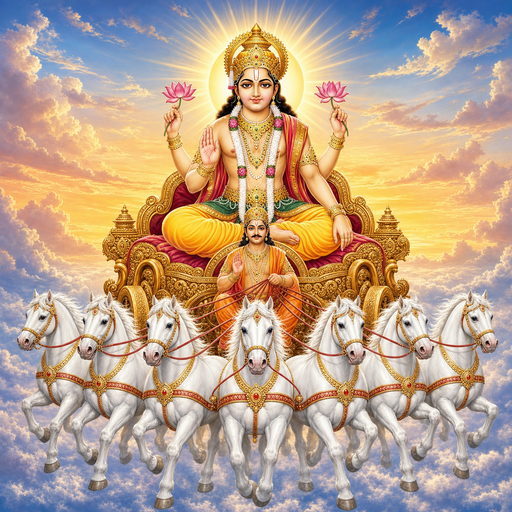
Sunday — the Sun's day. Sunday is the day of Surya (the Sun / Ravi) — associated with vigour, health, authority, leadership and fame. The Sun combined with Pushya is believed to increase auspiciousness, which is why some sources call it the "Ravi Pushya Amrit Yog".
Suited to stable, long-term work. Because Pushya's ruling planet is Shani and its presiding deity is Brihaspati, this yoga is considered suitable for stable, long-term undertakings — investment and laying foundations. A popular belief holds that a purchase or investment made during this yoga brings "long-lasting auspicious results". — (This is a tradition-based popular belief, not a guaranteed outcome.)
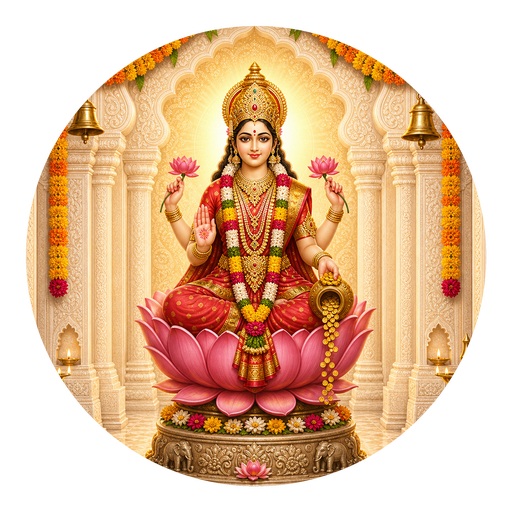
Financial / buying significance. Like the pre-Diwali or Dhanteras muhurat, it is popular as an auspicious gold-buying muhurat. By popular belief, gold bought on this day "grows / stays imperishable" and carries the grace of goddess Lakshmi. — (Do not base a financial decision on this astrological ground alone.)
Pushya's standard attributes (presiding deity Brihaspati, ruling planet Shani, Dev gana) and Sunday being the Sun's vaar are consistent with the nakshatra and vaar as shown in the panchang.
Ravi Pushya vs Guru Pushya — what is the difference?
Both yogas are considered highly auspicious, and there is no firm ranking of one being definitively better than the other. The difference is only in the lean of the weekday's ruling planet:
- Guru Pushya (Thursday × Pushya) → the influence of Guru / Brihaspati → said to lean towards knowledge, education, wealth and spirituality.
- Ravi Pushya (Sunday × Pushya) → the influence of the Sun → said to lean towards health, vigour, authority and material wealth.
This lean description is tradition- and astrology-based and should not be taken as a firm rule. In practice both yogas are considered auspicious for buying gold, vehicles and property, and for starting a business.
Who observes it
- Anyone wishing to do an auspicious task or make a valuable purchase — traders, investors and householders — uses this muhurat.
- Sun-worshippers — because it is a Sunday with Pushya, some perform Surya Namaskar or Surya-upasana (Sun worship) on this day. — (A few sources suggest this; it is not a binding rule for everyone.)
- This is not a public festival; it is an auspicious muhurat day in the panchang. So its character is "timing a muhurat" rather than "celebrating" it.
Auspicious activities (what to do)
The list below is common across most sources; it is tradition-based, not a guaranteed outcome:
- Buying gold / silver / jewellery — considered auspicious for the grace of goddess Lakshmi and for prosperity.
- Buying a vehicle (a symbol of success and safe travel), and buying a house / flat / land or property.
- Starting a new business, making an investment, and beginning new work; buying business tools such as a computer or mobile.
- Puja and religious rites; some sources suggest bringing home a shankh, Kuber yantra, Shri yantra or tulsi.
- (By tradition) a purchase or investment made in this muhurat is said to bring "long-lasting auspicious results" — (not a firm guarantee).
What to avoid
- Marriage — although Pushya is auspicious for almost every other undertaking, it is considered off-limits for marriage. The reason is a matter of tradition and astrological rule. One tradition attributes it to a "curse of Brahmadev," but there is no agreement on this.
- Inauspicious time-windows: even on a Ravi Pushya day, panchang-writers suggest avoiding Rahukaal, Yamaganda and Gulika kaal before starting auspicious work. (These windows are date- and location-specific, so read that day's panchang.)
- Marginal combinations: 4 January (Pushya only after noon) and 4/5 October (Pushya after midnight) — on these Sundays Pushya is not present at sunrise; by strict tradition these are not counted as "full Ravi Pushya". Decide as per the local panchang.
Puja vidhi
Not applicable — this is a muhurat yoga; it has no fixed vrat-puja vidhi of its own. Whatever task, purchase or worship you intend to do should be done in its usual manner. (Some sources suggest Surya or Lakshmi worship on this day, but that is not a universal rule.)
Good to know
- Mind the timing: on each Ravi Pushya day the Pushya nakshatra does not last the whole day — in 2026, 1 March and 29 November are morning-only yogas (up to 8:34 AM and 10:59 AM respectively). Time your muhurat within that overlap window; for the exact time, see that day's page.
- An exception for marriage: even though it's an auspicious muhurat, Pushya nakshatra is traditionally avoided for weddings — the muhurat still works for other auspicious tasks besides marriage.
- Rahukaal / Yamaganda / Gulika: even on a Ravi Pushya day, avoid these inauspicious windows before starting your work.
- Marginal dates: 4 January and 4/5 October — because Pushya is not present at sunrise, these are not "full Ravi Pushya"; decide as per local or family custom.
- Keep the buying claim measured: "gold stays imperishable / grows" is a popular belief — weigh any financial decision thoughtfully and against objective information.
FAQ
- What is Ravi Pushya Yoga?
- An auspicious muhurat yoga formed when Sunday and the Pushya nakshatra fall on the same day. It is considered excellent for almost all auspicious work except marriage.
- How is Ravi Pushya Yoga formed?
- From the auspicious combination of Sunday's lord Surya (the Sun / Ravi) and the Pushya nakshatra (presiding deity Brihaspati, ruling planet Shani).
- When is Ravi Pushya Yoga in 2026?
- Four main times: 1 February, 1 March, 1 November and 29 November 2026 (all Sundays). Each has a different window — see that day's page. (4 January and 4/5 October are marginal combinations.)
- What should you buy on Ravi Pushya Yoga?
- Gold/silver/jewellery, a vehicle, a house or land/property, and business tools; starting a new business or investment is also considered auspicious.
- Is buying gold auspicious on Ravi Pushya Yoga?
- Yes — by popular belief, gold bought in this muhurat grows / stays imperishable and carries Lakshmi's grace; it is treated like the Diwali–Dhanteras buying muhurat. (This is a belief — not a firm guarantee.)
- What activities should be done on Ravi Pushya Yoga?
- Buying gold/vehicle/property, starting a new business or investment, beginning new work, and puja.
- Why is marriage not done on Ravi Pushya Yoga?
- Although Pushya is auspicious for other work, by tradition and astrological rule it is considered off-limits for marriage; one tradition attributes this to a curse of Brahmadev, though there is no agreement on it.
- How many times a year does Ravi Pushya Yoga occur?
- Usually about 4–6 times (fewer in some years); in 2026 there are 4 main plus 2 marginal combinations.
- What is the difference between Ravi Pushya and Guru Pushya Yoga?
- Both are highly auspicious; only the lean of the weekday's ruling planet differs — Guru Pushya (Thursday) leans towards knowledge/wealth, Ravi Pushya (Sunday) towards health/authority/wealth. Neither is firmly "superior".