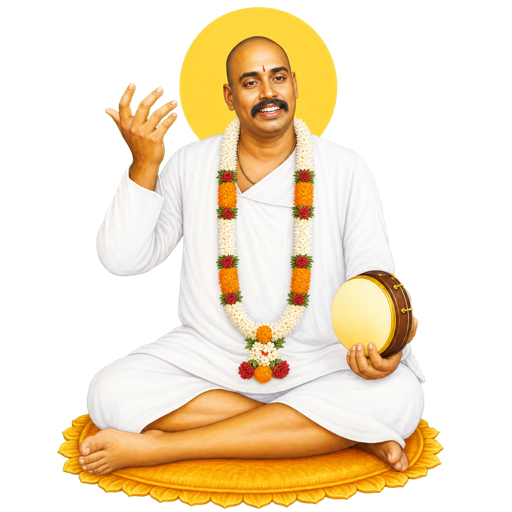
Sant Gadge Baba Jayanti
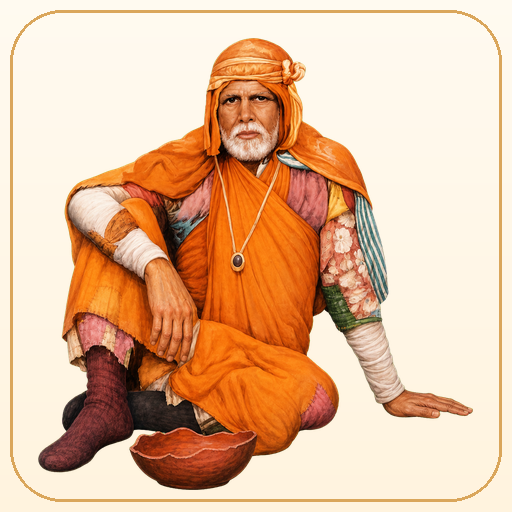
Sant Gadge Baba (born Debuji Zingraji Janorkar) was born on 23 February 1876 in Shendgaon (Amravati district) to a washerman (Parit) family. He was a Maharashtra kirtankar (devotional storyteller), social reformer, and pioneer of the cleanliness movement — he personally cleaned village streets and gutters, carrying a broom and an inverted metal pan. This Jayanti is observed on the same date every year — 23 February — because it is his actual date of birth.
This year's dates (2026)
His main areas of work were fighting caste discrimination and untouchability, ending superstition, and building dharamshalas (pilgrim rest-houses), orphanages, and schools from donated funds. He died on 20 December 1956 near Amravati.
Significance
Sant Gadge Baba's significance lies in his hands-on social reform — he emphasised action over preaching, personally cleaning streets with a broom and using kirtan (devotional storytelling) as a tool for social education. In his honour, the Maharashtra government has run the "Sant Gadgebaba Gram Swachata Abhiyan" scheme since 2000-01, rewarding villages for cleanliness achievements — this is a scheme that remains active today, not merely a historical memory. Amravati University was renamed "Sant Gadge Baba Amravati University" in 2005.
He shared a close relationship with Dr. B.R. Ambedkar — the two met frequently and discussed social reform. Gadge Baba donated his hostel building in Pandharpur to Ambedkar's People's Education Society, and Ambedkar is recorded as having called him "the greatest servant of the people after Jyotirao Phule" — see the Ambedkar Jayanti page for more on Ambedkar's own work.
Life and legacy
Born on 23 February 1876 in Shendgaon (present-day Anjangaon Surji taluka, Amravati district) as Debuji Zingraji Janorkar; his father was Zingraji and mother Sakhubai. Kirtan was his main medium of social education — addressing caste discrimination, untouchability, superstition, and alcohol abuse. From donated funds, he built dharamshalas across Maharashtra (at pilgrimage towns such as Nashik, Dehu, Alandi, and Pandharpur), orphanages, small hospitals, and schools. In 1952, he founded the "Shri Gadge Maharaj Mission." He died on 20 December 1956 near Amravati, on the banks of the Pedhi river at Walgaon; his samadhi (memorial shrine) stands there. In 1998, the Government of India issued a commemorative postal stamp in his memory.
Who observes it
The general public across Maharashtra, organisations linked to social reform movements, school and government programmes, and gram panchayats under the "Sant Gadgebaba Gram Swachata Abhiyan" observe this day through remembrance programmes, cleanliness drives, and award ceremonies.
How it is observed
Schools, colleges, and government offices hold remembrance gatherings and lectures; some places run cleanliness drives in keeping with Gadge Baba's own method. There is no specific puja ritual or vrat (fast/observance) — this is a social-cultural memorial day, not a religious ritual.
Maharashtra connection
Gadge Baba is a figure rooted entirely in Maharashtra — his birth, his life's work, and his death all took place in Amravati district and the Vidarbha region. The dharamshalas he built are directly linked to Maharashtra's major pilgrimage centres (Nashik, Dehu, Alandi, and Pandharpur — the heart of the Warkari tradition). The Maharashtra government's village-cleanliness scheme runs in his name to this day.
Good to know
- Gadge Baba took an explicit anti-caste, anti-untouchability stance and pursued social reform through direct action rather than preaching.
- The Gadge Baba-Ambedkar connection is a documented but less widely discussed historical link.
FAQ
- Who was Sant Gadge Baba?
- A Maharashtra kirtankar, social reformer, and pioneer of the cleanliness movement, known for personally cleaning villages with his own broom.
- When and where was Gadge Baba born?
- On 23 February 1876, in Shendgaon (Amravati district).
- What was Gadge Baba's original name?
- Debuji Zingraji Janorkar.
- What is the Sant Gadge Baba Gram Swachata Abhiyan?
- A Maharashtra government scheme, run in his name since 2000-01, that rewards villages for cleanliness achievements.
- What was the relationship between Gadge Baba and Dr. B.R. Ambedkar?
- The two met frequently and discussed social reform; Gadge Baba donated his hostel building in Pandharpur to Ambedkar's People's Education Society.