Swami Vivekananda Jayanti (Tithi)
This jayanti is Swami Vivekananda's tithi-based observance — Paush Krishna Saptami, which falls on 9 January in 2026. It is entirely separate from his Gregorian birthday (12 January 1863), which India observes nationally as National Youth Day. Followers of the Ramakrishna Math and Mission observe this tithi jayanti separately; both traditions commemorate the same person, but on different days and in different ways.
This year's dates (2026)
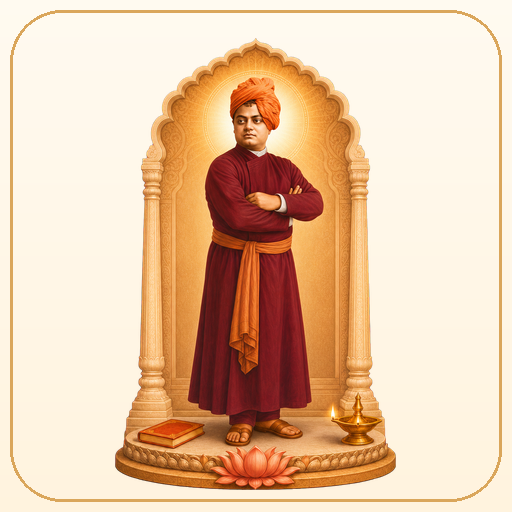
Swami Vivekananda (born Narendranath Datta) was born on 12 January 1863 in Calcutta. The Government of India declared this same date "National Youth Day" in 1984 (first observed in 1985). But in the Ramakrishna Math-Mission tradition, his jayanti is observed by tithi — Paush Krishna Saptami (the seventh day after Paush Purnima) — which falls on a different Gregorian date every year. This page is about that tithi jayanti, not about 12 January.
Significance
Swami Vivekananda is regarded as one of the most influential figures in modern Indian spirituality and nationalism. His "Sisters and brothers of America" welcome address, delivered on the opening day of the Parliament of the World's Religions in Chicago on 11 September 1893, is credited with introducing Hinduism and Vedanta philosophy to the Western world. The Ramakrishna Mission he founded remains active today in education, healthcare, and relief work.
The special point on this page is that his memory is observed under two separate traditions — the civil/government date of 12 January (National Youth Day), and the traditional monastic tithi of Paush Krishna Saptami. Neither is "wrong"; they are two distinct traditions from different contexts.
Life and legacy
Born on 12 January 1863 in Calcutta as Narendranath Datta, he took monastic vows and the name "Vivekananda" after becoming a disciple of Ramakrishna Paramahamsa; following his guru's death in 1886, he founded the Ramakrishna Math and travelled across India as a wandering monk. On 31 May 1893, he departed for Chicago from Bombay aboard the SS Peninsular. On 11 September 1893 — the opening day of the Parliament of the World's Religions — he gave his historic welcome address, while his separate "Paper on Hinduism" followed later, on 19 September 1893; these are two distinct addresses and their dates should not be conflated. On 1 May 1897, he founded the Ramakrishna Mission. He died on 4 July 1902 at Belur Math.
Who observes it
Followers of the Ramakrishna Math and Mission, affiliated organisations such as the Vivekananda Kendra, and scholars of Vivekananda's thought observe him under both traditions — tithi and date.
How it is observed
At Ramakrishna Math and Mission branches, the tithi jayanti is marked with a special puja, a homa (fire ritual), mangal aarti, and prasad distribution; some branches also distribute food and clothing to the needy. On National Youth Day (12 January), schools and colleges hold speeches, essay competitions, yoga sessions, and cultural programmes — but these are not part of this page's tithi observance.
Maharashtra connection
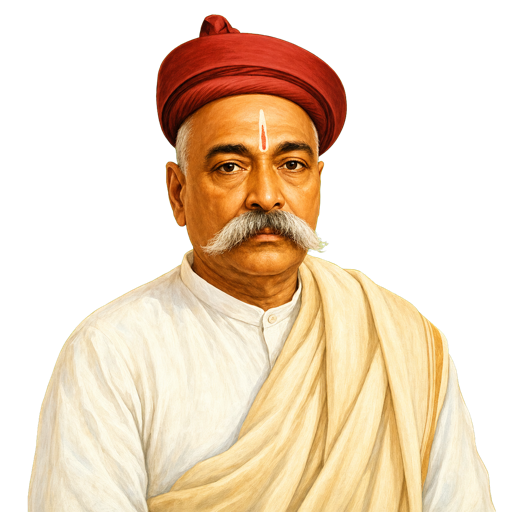
Vivekananda's connection with Maharashtra is genuine and documented — stronger than commonly assumed. In September 1892, he visited Pune and stayed for about 8-10 days with Lokmanya Tilak at Vinchurkar Wada; the room is preserved to this day and is visited by devotees at the Ramakrishna Math in Pune. He also lectured at the Deccan Club, Hirabag, before travelling on to Kolhapur and Belgaum. Inspired by this visit, the "Vivekananda Society" was founded in Pune in 1927, which became the "Ramakrishna Ashram" in 1957 and was formally affiliated with Belur Math in 1984. His departure for Chicago in 1893 also took place from the port of Bombay.
Good to know
- This date (9 January) should not be confused with National Youth Day (12 January) — both commemorate the same person, but on different dates and under different traditions.
- Paush Krishna Saptami falls on a different Gregorian date every year — check that year's panchang for the exact date.
- The Pune-Tilak visit and the departure for Chicago from Bombay are genuine, documented links to Maharashtra.
FAQ
- On which date is Swami Vivekananda Jayanti observed?
- There are two traditions — the civil date of 12 January (National Youth Day, his actual Gregorian birthday), and the Ramakrishna Math tradition's tithi-based Paush Krishna Saptami, which falls on 9 January in 2026. This page covers that tithi jayanti.
- Are Vivekananda Jayanti and National Youth Day the same thing?
- No. Both commemorate the same person, but on different dates and under different traditions — 12 January is the civil/government date, while Paush Krishna Saptami is the monastic tithi.
- Why is Vivekananda Jayanti observed by tithi?
- In the Ramakrishna Math-Mission tradition, his birth tithi is considered to be Paush Krishna Saptami according to the panchang, so Math branches hold a special puja on that tithi.
- Who was Swami Vivekananda's guru?
- Ramakrishna Paramahamsa.
- Did Vivekananda have any connection with Maharashtra?
- Yes — in 1892, he stayed for about 8-10 days at Lokmanya Tilak's home in Pune, and in 1893 he departed for Chicago from the port of Bombay.