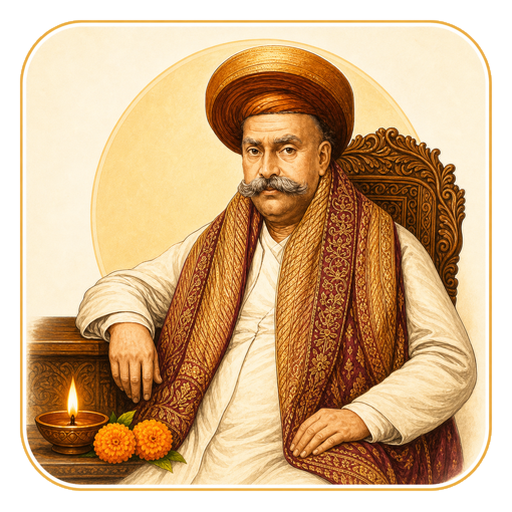
Lokmanya Tilak Punyadin
Lokmanya Tilak Punyadin is observed every year on 1 August — the death anniversary of Bal Gangadhar Tilak (23 July 1856, Ratnagiri – 1 August 1920, Mumbai). He is remembered as one of the leading "extremist" (assertive) leaders of India's freedom struggle, earning the honorific "Lokmanya" ("accepted by the people as their leader"). His most famous declaration: "Swarajya is my birthright, and I shall have it." In 2026, the day falls on a Saturday; the date is fixed every year.
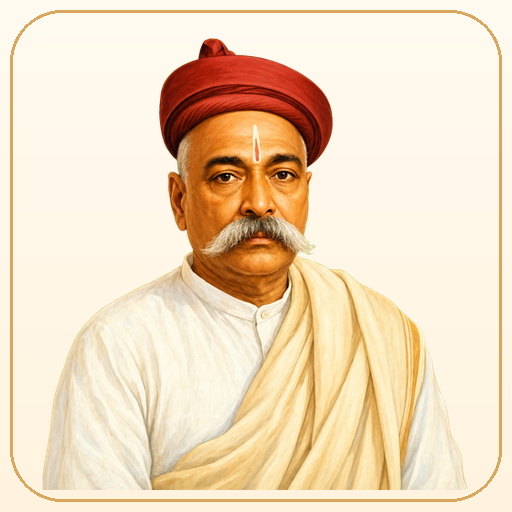
This year's dates (2026)
Through his newspapers Kesari (Marathi) and Maratha (English), he spread political awareness and criticised British misrule — for which he was also imprisoned. From 1893, he turned public Ganeshotsav into a major public platform for national unity and political awareness.
Significance
Lokmanya Tilak was a leading figure of the "extremist" wing of India's freedom struggle — he chose the path of a direct demand for swarajya (self-rule) and mass mobilisation over petitions and gentler negotiation. His work spanned education (New English School, Deccan Education Society, Fergusson College), journalism (Kesari/Maratha), and the public Ganeshotsav movement — a common thread running through all of it was building national identity and political awareness among ordinary people.
History & legacy
Early life and early work
Bal Gangadhar Tilak (born Keshav) was born on 23 July 1856 in Ratnagiri. In 1880, along with Vishnushastri Chiplunkar and Gopal Ganesh Agarkar, he helped found the New English School in Pune; in 1884, the Deccan Education Society was founded with Justice Mahadev Govind Ranade and other colleagues, which went on to establish Fergusson College in 1885.
Kesari and Maratha
On 4 January 1881, Tilak launched the newspapers Kesari (Marathi) and Maratha (English) — Agarkar was initially the editor (he left in 1887 to start his own paper, Sudharak), after which Tilak became the sole proprietor and editor of both papers. Through them, he delivered pointed criticism of British misrule.
Imprisonment
For his writing in Kesari, he was sentenced to 18 months in 1897. In 1908, he was again charged with sedition and sentenced to six years of penal transportation, serving his term at Mandalay (Burma) from 1908 to 1914.
"Swarajya is my birthright"
This is his most famous declaration, and it became a symbol of his unwavering demand for swarajya.
Death
Tilak, who had long suffered from diabetes, died in Mumbai on 1 August 1920 due to malaria and physical exhaustion.
Public Ganeshotsav and political awareness
In 1892, inspired by a public Ganeshotsav that Krishnajipant Khasgiwale of Pune had seen in Gwalior, Bhausaheb Rangari installed an early public Ganesh idol in Pune. From 1893, Lokmanya Tilak praised this public celebration through Kesari and turned it into a large, organised public movement — a cultural-political platform that brought people together across caste and religious lines, and also a lawful way to gather large crowds despite colonial restrictions on political meetings. So calling Tilak the "founder of Ganeshotsav" is not accurate — the public form had already begun; Tilak turned it into a major platform for national unity and political awareness. The Ganesh Chaturthi page covers this history in more detail.
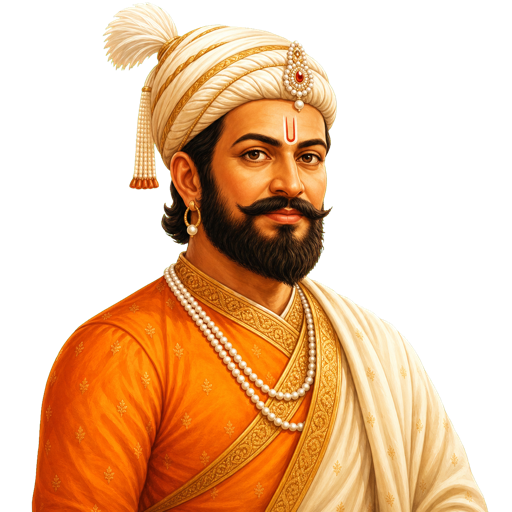
In the early 20th century, Tilak also began publicly celebrating Shivjayanti, using Shivaji Maharaj's legacy to build national awareness.
Who observes it
School and college students, government bodies, political and social organisations, and ordinary citizens across Maharashtra remember Lokmanya Tilak on 1 August.
Public holiday status
This date is not a public holiday in Maharashtra.
Good to know
- Don't call Tilak the sole "founder" of Ganeshotsav — he turned the public form into a national platform; Bhausaheb Rangari began it in 1892.
- His birth anniversary (23 July) and death anniversary (1 August) are two different dates — worth keeping distinct.
- The 1897 and 1908 imprisonments are two separate events — their duration and nature of sentence differ, so don't conflate them.
FAQ
- What was Lokmanya Tilak's full name?
- Bal Gangadhar Tilak (born Keshav; "Bal" became his permanent name).
- When and where did Lokmanya Tilak die?
- On 1 August 1920, in Mumbai — due to malaria and exhaustion after long-standing diabetes.
- Why did Lokmanya Tilak start public Ganeshotsav?
- The public form had already begun in Pune in 1892; from 1893, Tilak praised it through Kesari and gave it a national form as a major platform for cross-community unity and political awareness.
- Who said "Swarajya is my birthright" and when?
- Lokmanya Tilak made this famous declaration — it became a symbol of the unwavering demand for swarajya during India's freedom struggle.
- Is there a public holiday on Lokmanya Tilak Punyadin?
- No — this date is not on Maharashtra government's public holiday list.