Paramahansa Yogananda Jayanti
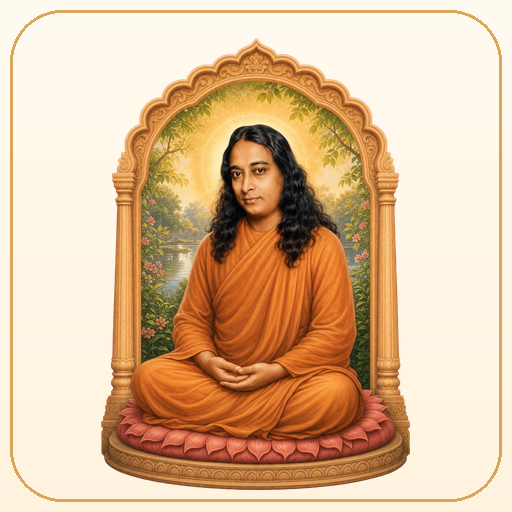
Paramahansa Yogananda (born Mukunda Lal Ghosh) was born on 5 January 1893 in Gorakhpur. He wrote the world-famous memoir "Autobiography of a Yogi" and founded the Self-Realization Fellowship (SRF, established 1920 in the US) and the Yogoda Satsanga Society of India (YSS). He is regarded as one of the earliest teachers to bring Kriya Yoga, a meditation practice, to the Western world. His Jayanti (birthday) falls on the same date every year — 5 January.
This year's dates (2026)
This birthday does not depend on the panchang's tithi (lunar day); it is always observed on 5 January. Yogananda's punyatithi (death anniversary, 7 March) is a separate, distinct observance — the two should not be confused.
Significance
Paramahansa Yogananda's significance lies mainly in bringing an Indian spiritual tradition — Kriya Yoga in particular — to the Western world. His guru lineage is described as Mahavatar Babaji, then Lahiri Mahasaya, then Sri Yukteswar Giri, and then Yogananda himself. After travelling to the US in 1920 to attend an international religious conference in Boston, he founded the Self-Realization Fellowship (SRF) there. During his 1935-36 visit to India, he secured a permanent footing for the Yogoda Satsanga Society of India (YSS), with headquarters at Dakshineswar and an ashram at Ranchi, both in West Bengal. "Autobiography of a Yogi" has sold millions of copies and is considered one of the most influential English-language books on yoga and meditation.
Life and legacy
Yogananda was born on 5 January 1893 in Gorakhpur to a Bengali family; his birth name was Mukunda Lal Ghosh. He met his guru, Sri Yukteswar Giri, in 1910; this guru is said to have given him the title "Paramahansa" during his 1935 visit to India. After arriving in Boston in 1920, he founded the Self-Realization Fellowship there. "Autobiography of a Yogi" was published in 1946 and is credited with drawing millions of readers toward yoga and meditation.
He died on 7 March 1952 in Los Angeles. The medical verdict recorded a heart attack; his disciples, however, believe it was a consciously undertaken "mahasamadhi."
Who observes it
This birthday is observed mainly by followers of the Self-Realization Fellowship and the Yogoda Satsanga Society of India, practitioners of Kriya Yoga, and readers or students of Yogananda's teachings, as a day of special remembrance. It is not part of any specific puja ritual or vrat (fast/observance).
How it is observed
At SRF and YSS centres, the day is typically marked with meditation sessions, readings from his writings, and remembrance programmes. There is no specific ritual or puja — this is a modern institutional memorial-day tradition, not a vratkatha-based festival.
Maharashtra connection
Yogananda's geographic identity is tied mainly to Bengal (born in Gorakhpur, guru lineage centred around Kolkata and Serampore) and later to the United States (headquarters in Los Angeles). When he returned to India in 1935, his ship anchored at the port of Bombay — but this was only a point of transit; he went on almost immediately to meet Gandhi and then travelled to Kolkata. No substantial, specific connection to Maharashtra is found.
Good to know
- This birthday (5 January) should not be confused with Yogananda's punyatithi (7 March, his death anniversary) — the two are separate observances.
- SRF (US-based) and YSS (India-based) are two affiliated but legally separate organisations.
FAQ
- Who was Paramahansa Yogananda?
- He was an Indian saint and yogi who wrote "Autobiography of a Yogi" and brought Kriya Yoga to the Western world; he founded the Self-Realization Fellowship.
- What book did Paramahansa Yogananda write?
- "Autobiography of a Yogi" (1946), one of the most widely read books on yoga and spirituality.
- When was the Self-Realization Fellowship founded?
- In 1920 in Boston, US; its parallel organisation in India, the Yogoda Satsanga Society of India, gained a permanent footing during his 1935-36 visit.
- Who was Yogananda's guru?
- Sri Yukteswar Giri was his direct guru; the guru lineage also includes Lahiri Mahasaya and Mahavatar Babaji as earlier generations.
- Did Yogananda have any connection with Maharashtra?
- No substantial, specific connection is found — his ship stopped at the port of Bombay in 1935, but only as a point of transit; a much stronger Maharashtra connection appears on the Swami Vivekananda Jayanti (tithi) page, observed in the same masa (Paush).