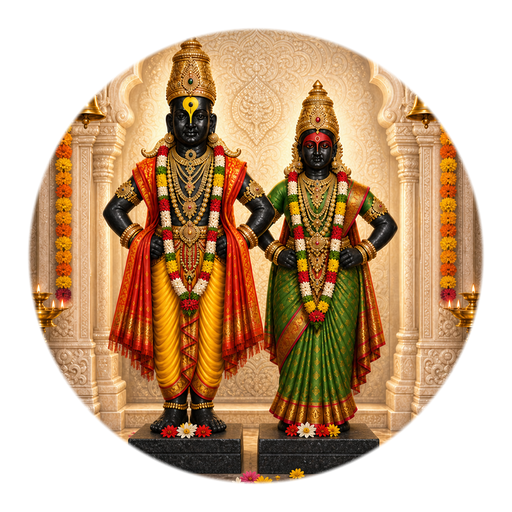
Amalaki Ekadashi
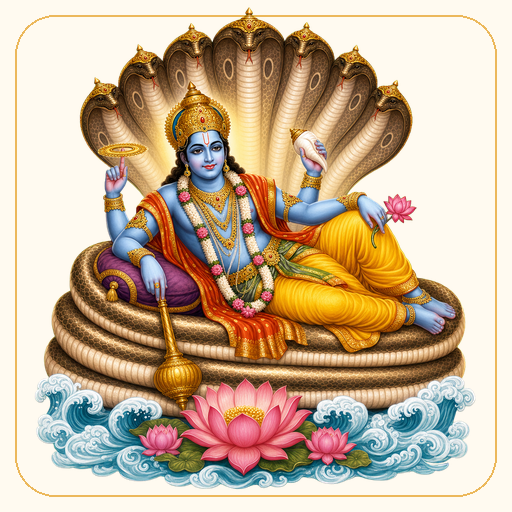
Amalaki Ekadashi falls on Falgun Shukla Ekadashi — a vrat worshipping Vishnu, believed to dwell within the amla (Indian gooseberry) tree. It falls roughly four days before Holi. This year (2026): Friday, 27 February — with parana on Saturday, 28 February. In the Shaiva tradition of Kashi/Varanasi, this same day is also known as "Rangbhari Ekadashi."
This year's dates (2026)
Significance
On Amalaki Ekadashi, worshipping the amla tree is held to be as sacred as worshipping Vishnu directly — Vishnu himself is believed to reside within the tree. Some traditions also worship Lakshmi on this day. Observing this vrat is believed to bring great merit and to atone for sin.
Rangbhari Ekadashi (specific to Kashi): in the Shaiva tradition of Kashi/Varanasi, this same day is celebrated as "Rangbhari Ekadashi" — in this tradition, Shiva brings Parvati to Kashi for the first time after their wedding, and devotees celebrate with a colour festival, throwing gulal and abir at Baba Vishwanath, along with a special shringar (ceremonial adornment). This tradition is primarily North Indian and Shaiva-specific.
Don't confuse it with Amla Navami: Amalaki Ekadashi is a completely different tithi and vrat from "Amla Navami" or "Akshay Navami" (Kartik Shukla Navami) — since both involve the amla tree, some sources mix them up, but they're two separate vrat-tithis.
The legend
In some versions the legend appears in the Brahmanda Purana, narrated by the sage Vashishtha. King Chaitraratha of the city of Vaidisha was deeply devout, and his kingdom prosperous; on this day, he and his subjects worshipped Vishnu and the amla tree together, keeping a night-long vigil. One year, a sinful hunter, driven by hunger and thirst, took shelter in a corner of the temple; unaware of what day it was, he stayed awake through the night and unknowingly heard the Ekadashi legend — so his fast and vigil were both inadvertently completed. Through the merit earned this way, he was reborn in his next life as King Vasuratha, son of King Viduratha.
In one alternate version, the same protagonist is known instead as "King Chitrasena," and the story includes a sub-episode involving a demon's attack.
Sources also differ on exactly which deity resides where within the amla tree — some hold that Brahma dwells at the root, Vishnu in the trunk, Shiva in the branches, and Lakshmi in the fruit; other sources give the simpler description of "Vishnu at the root" alone.
Puranic accounts also make large claims about this vrat's merit — equal to donating a thousand cows, performing thousands of Ashwamedha yajnas, or a hundred Rajasuya yajnas. These should be read as Puranic praise (mahatmya).
Who observes it
Devotees of Vishnu — especially those who regularly observe Ekadashi vrats — also observe Amalaki Ekadashi. Many devotees who have an amla tree at home or nearby also worship it directly.
Vrat vidhi
The sequence below can vary by family and local custom.
- After a morning bath, Vishnu is worshipped; where possible, devotees go to an amla tree and worship it directly — offering water, haldi-kumkum, flowers, incense, and a lamp.
- A pradakshina (circumambulation) is performed around the amla tree, and the legend is read or recited while seated beneath it.
- A fast (waterless or fruit-based) is observed through the day.
- At night, a vigil (jagaran) is kept, with bhajans, kirtan, or the chanting of Vishnu's names — the vigil carries special significance here, echoing the hunter in the legend.
- The fast is broken (parana) at the proper time on Dwadashi.
Puja samagri
An image or murti of Vishnu, an amla fruit or branch (if available), haldi-kumkum, flowers, incense and a lamp, and fruit-based naivedya.
Fasting / dietary rules
Grains, lentils, rice, and pulses are avoided on Ekadashi; many also avoid onion and garlic. Amalaki Ekadashi is not a Nirjala (waterless) Ekadashi — so drinking water is permitted; a fruit-based diet (fruit, milk, dried fruit) is the general option, while some devotees voluntarily observe the stricter waterless fast instead. A light, single sattvic meal is taken the day before (Dashami). Parana should be performed on Dwadashi, after Harivasar ends, at the proper time — the exact clock-time varies by location and year; check today's panchang for your city.
Mantra / aarti
The common Vishnu chant "Om Namo Bhagavate Vasudevaya" (the eight-syllable Vishnu mantra) — meaning "Salutations to Lord Vasudeva (Vishnu)" — is traditionally recited during the vrat sankalp and puja.
Regional customs
Amalaki Ekadashi is fundamentally a pan-India Vaishnav Ekadashi — no distinct Maharashtra-specific custom is clearly documented for this vrat. The "Rangbhari Ekadashi" identity in Kashi/Varanasi, noted above, is specific to the North Indian Shaiva tradition.
This year's date
| Date (2026) | Day | Tithi | Nakshatra | Note |
|---|---|---|---|---|
| 27 February | Friday | Falgun Shukla Ekadashi | Ardra | Amalaki Ekadashi vrat; parana on Saturday, 28 February, after Harivasar ends; Holi roughly 4 days later |
Future years: the tithi stays the same (Falgun Shukla Ekadashi); the Gregorian date follows that year's panchang.
Good to know
- Falls very close to Holi — roughly 4 days before, during the run-up to Holi preparations.
- Don't confuse it with Amla Navami — that's a different tithi (Kartik Shukla Navami) and a different vrat.
- "Rangbhari Ekadashi" is a Kashi-specific name — not widespread across Maharashtra.
- Legend details (the protagonist's name, the deity arrangement) vary by source — the core story stays the same.
FAQ
- When is Amalaki Ekadashi in 2026?
- Friday, 27 February 2026 (Falgun Shukla Ekadashi, Ardra nakshatra); parana on Saturday, 28 February, after Harivasar ends.
- Why is Amalaki Ekadashi observed?
- Vishnu is believed to dwell in the amla tree, and this vrat worships that presence; the legend of King Chaitraratha and a hunter lies behind it.
- Are Amalaki Ekadashi and Rangbhari Ekadashi the same?
- The date is the same, but "Rangbhari Ekadashi" is a name used in the Shaiva tradition of Kashi/Varanasi — linked to Shiva and Parvati's arrival in Kashi.
- What's the difference between Amalaki Ekadashi and Amla Navami?
- They're different tithis and different vrats — Amla Navami falls on Kartik Shukla Navami, while Amalaki Ekadashi falls on Falgun Shukla Ekadashi.
- Which deity is believed to dwell in the amla tree?
- Primarily Vishnu; some sources also describe Brahma at the root, Vishnu in the trunk, Shiva in the branches, and Lakshmi in the fruit.
- How is the Amalaki Ekadashi vrat observed?
- Fasting, worship of Vishnu and the amla tree, a night vigil, and breaking the fast (parana) at the proper time on Dwadashi.
- Is there a Maharashtra-specific custom for Amalaki Ekadashi?
- No clear Maharashtra-specific custom is documented — it's fundamentally a pan-India Vaishnav Ekadashi vrat.