Guru Nanak Jayanti (Gurpurab)
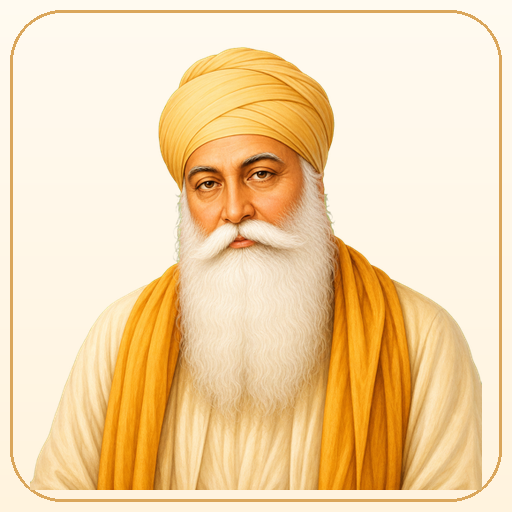
Guru Nanak Jayanti (Gurpurab / Prakash Purab) is the most important festival in Sikhism, commemorating the birth of Guru Nanak Dev Ji, the founder of Sikhism. In 2026, this Jayanti falls on Tuesday, 24 November — on Kartik Shukla Purnima; this date is fixed.
This year's dates (2026)
Guru Nanak Dev Ji (born 1469) taught principles centred on one God, the equality of all human beings, and selfless service. Nagar Kirtan, Akhand Path, and Langar are the defining features of this festival. Coincidentally, this same day also coincides with Tripurari Purnima, a Hindu festival — the two are separate traditions and are not related to each other.
Significance
Guru Nanak Jayanti is regarded as a day to commemorate Guru Nanak Dev Ji's birth and to renew his teachings — it is also called "Prakash Purab" (the festival of light). Sikh tradition holds that Guru Nanak was born on the full moon of the Kartik month, so this Jayanti is observed every year on that same Kartik Purnima tithi. Because this date is tied to a tithi on the Hindu lunar calendar, it can be stated with certainty well in advance.
Who observes it
Sikh communities worldwide observe this festival with great devotion, especially in Punjab and other Indian states. It is a gazetted holiday in India.
How it is observed
- Nagar Kirtan: on the day before the Jayanti, a procession is taken out led by the Panj Pyare (the five beloved ones), carrying the Nishan Sahib (the Sikh flag) and the palanquin of the Guru Granth Sahib.
- Akhand Path: an unbroken, roughly 48-hour reading of the Guru Granth Sahib, the Sikh holy scripture, is the central part of the observance.
- Langar: a free community meal (Langar) is served to everyone at gurdwaras, regardless of caste or faith — a symbol of equality, humility, and selfless service.
- Kirtan and sermons: special kirtan (devotional singing) and sermons on Guru Nanak's life and teachings are held at gurdwaras.
These are common, general practices — details can vary by region and local gurdwara tradition.
Good to know
- This date is fixed, but it changes every year according to the Hindu panchang (usually falling in October-November) — check that year's panchang for the exact date.
- Tripurari Purnima and Guru Nanak Jayanti fall on the same date, but they are two separate traditions — mention both separately and respectfully, without conflating them.
- Information on other Kartik Purnima observances (Kartik Snan, Tripurari Purnima) is also available separately on this site.
FAQ
- When is Guru Nanak Jayanti in 2026?
- Tuesday, 24 November 2026 — on Kartik Shukla Purnima; this date is fixed (it does not depend on moon sighting).
- Why is Guru Nanak Jayanti always observed on Kartik Purnima?
- Sikh tradition holds that Guru Nanak Dev Ji was born on the full moon of the Kartik month, so the Jayanti is observed on that same tithi every year.
- What is Gurpurab?
- Guru Nanak Jayanti is also called "Gurpurab" or "Prakash Purab" — a festival of the Guru's birth/light.
- What is Nagar Kirtan?
- A procession taken out the day before the Jayanti, led by the Panj Pyare, carrying the Nishan Sahib and the palanquin of the Guru Granth Sahib.
- What is Akhand Path?
- An unbroken, continuous reading of the Guru Granth Sahib lasting about 48 hours.
- How do Guru Nanak Jayanti and Tripurari Purnima fall on the same day?
- Both festivals fall on Kartik Purnima, but they are separate traditions — Tripurari Purnima is a Hindu festival tied to Shiva's slaying of the demon Tripurasura, while Guru Nanak Jayanti marks Guru Nanak's birth in the Sikh tradition. Two separate festivals coincidentally share the same tithi.
- Is there a holiday for Guru Nanak Jayanti in India?
- Yes, India observes it as a gazetted holiday, and because this date is based on a Hindu tithi, it is announced with certainty well in advance.