Tripurari Pournima
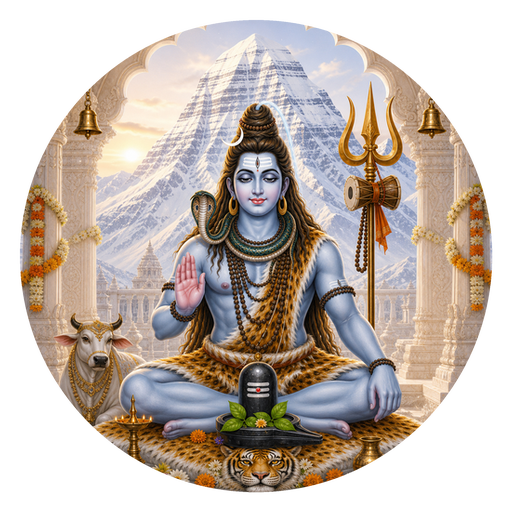
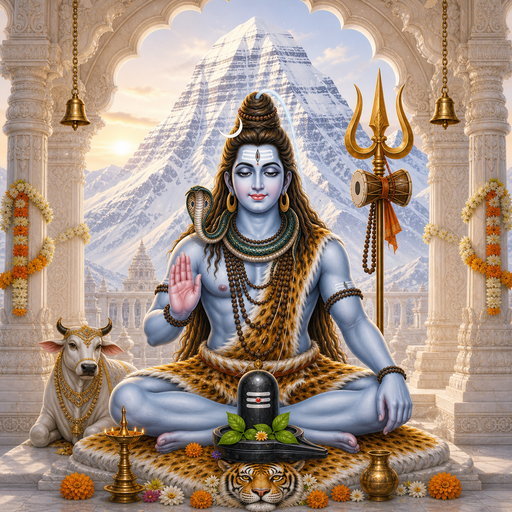
Tripurari Purnima is the full moon of the Kartik month — Lord Shiva is believed to have slain the demon Tripurasura on this day, which is why Shiva is called Tripurari/Tripurantaka (destroyer of Tripura). This is a festival of lights — lamps are lit at homes, courtyards, and temples, the Tripur Vaat and stone lamp-towers are lit at Shiva temples, and lamps are floated on rivers; since it is as if the gods themselves celebrate Diwali on this day, it is also called "Dev Diwali."
This year's dates (2026)
This year (2026), per the panchang data, this tithi falls on Tuesday, 24 November (Kartik Shukla Purnima, nakshatra Krittika, a public holiday). Alongside Shiva, Vishnu's Matsya avatar, a glimpse of Kartikeya, and Kartik Snan are also considered sacred on this day; Guru Nanak Jayanti (Sikh) falls the same day too — but the primary identity is Shiva's victory.
Significance
When the mighty Tripurasura tormented gods and humans alike, Shiva burned his three cities and slew him; since this happened on Kartik Purnima, this day is called Tripurari Purnima — regarded as light's triumph over darkness, good over evil. The Marathi Vishwakosh (encyclopedia) records that Shiva performed this slaying "at pradosh kaal" (dusk), which is how Shiva came to be called "Tripurantaka"/"Tripurari."
The gods are believed to have lit lamps in celebration of this victory; hence this festival of lights is observed at homes and temples with lamp displays — "the gods' Diwali," or Dev Diwali.
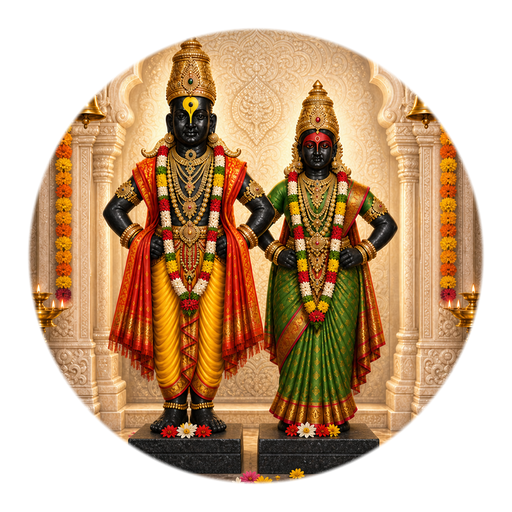
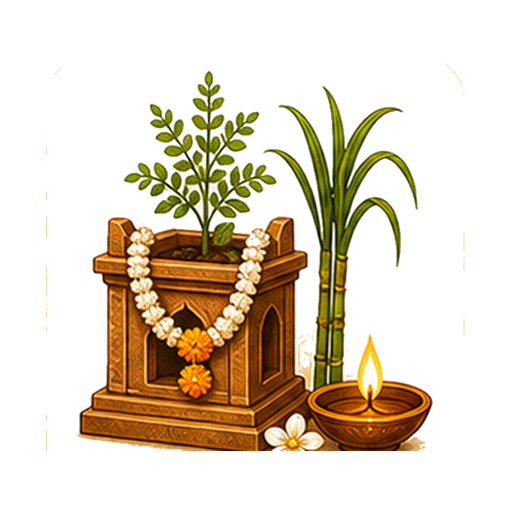
Kartik is a sacred month for devotion to Vishnu/Shiva, and its full moon is regarded as the culmination of Kartik Snan — bathing at a river/tirtha and donating lamps is considered highly meritorious. By one belief, Shiva and Vishnu meet at midnight on this full moon, so bel (for Shiva) and tulsi (for Vishnu) are both offered in worship at that time — this is a belief held in one tradition, not a universal rule.
The legend (katha)
Powerful demons called Tripurasura performed intense penance and obtained a rare boon from Brahma, which made them nearly invincible. Emboldened by the boon, they tormented gods and humans; the gods sought refuge with Shiva. Shiva burned the three cities of Tripurasura and slew him — which is how Shiva came to be known as "Tripurantaka"/"Tripurari" (destroyer of Tripura). This happened on Kartik Purnima, which is why this day is regarded as Tripurari Purnima, a day of lights.
Some versions describe a single "Tripurasura," while others describe three sons of Tarakasura — Tarakaksha, Kamalaksha, and Vidyunmali — whose three cities (of gold, silver, and iron) were built by Vishwakarma, given in detail. Some versions say Shiva destroyed all three cities with a single arrow when they aligned in a row (at the Abhijit muhurta); some versions also include a sub-story that rudraksha beads originated from Shiva's tears after the slaying. All of these are version-specific details — no single version is treated as final here.
The time of the slaying is also given differently across sources — some say "at pradosh kaal" (dusk), others "at the Abhijit muhurta."
Who observes it
Shiva devotees and ordinary Hindu householders observe this day by lighting lamps at home, in courtyards, and at Shiva temples, and performing Shiva puja. Temple committees/villagers communally light the Tripur Vaat and stone lamp-towers at Shiva temples ("Tripur Pajalne"). Pilgrims and those observing Kartik Snan bathe at a river/tirtha and donate lamps.
Puja vidhi
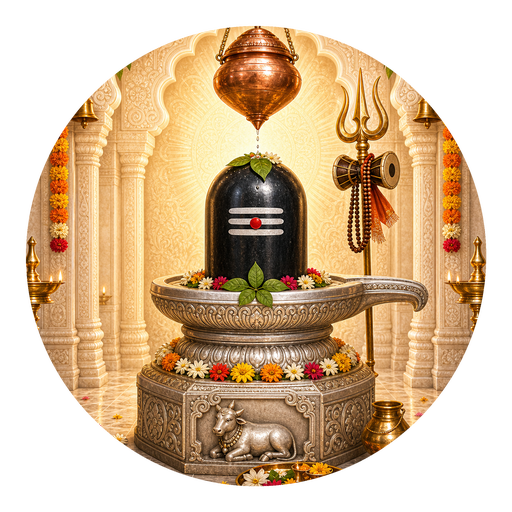
Bathe in the morning at a river/tirtha/any available clean water (the culmination of Kartik Snan — details are on the Kartik Snan page). Offer an abhishek to the Shivalinga/Shiva idol along with bel leaves; in some traditions, both bel and tulsi are offered in the belief that Shiva and Vishnu meet at midnight.
In the evening, the Tripur Vaat — a lamp-wick set on a tall pole at the Shiva temple — and the stone lamp-tower are lit; homes and courtyards are also decorated with lamps ("Tripur Pajalne"). At night, lamps are floated on rivers and lakes (deepdaan) — the Marathi Vishwakosh calls this "Tripurjwalanvrat," which includes lighting lamps, donating lamp-vessels, and Shiva worship. In some places, an offering of a variety of dishes (Annakoot) is also made to the deity.
What you need
Shiva-puja items (a Shivalinga/idol, water/milk for abhishek, bel leaves, flowers, sandalwood paste, akshata), tulsi for the midnight worship, small lamps, oil-wicks in plenty for the Tripur Vaat and lamp-tower, small diyas and a lamp-vessel for the deepdaan, and an offering/Annakoot.
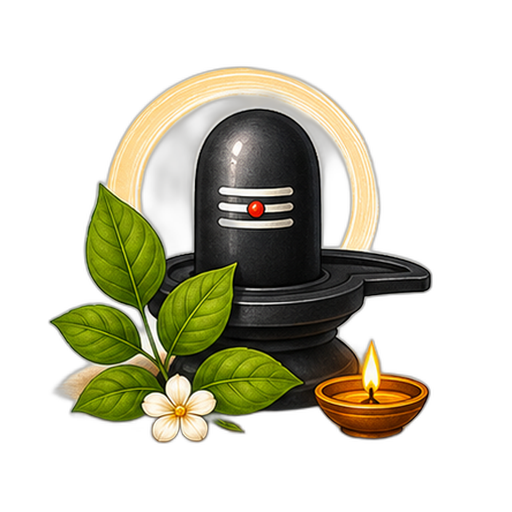 Shivalinga/idol
 Water (for abhishek)
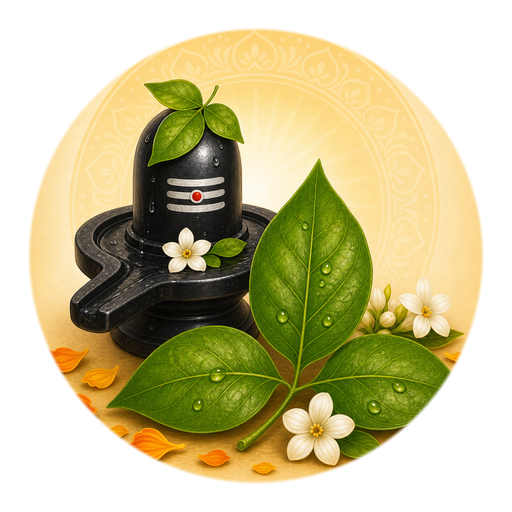 Bel leaves
 Flowers
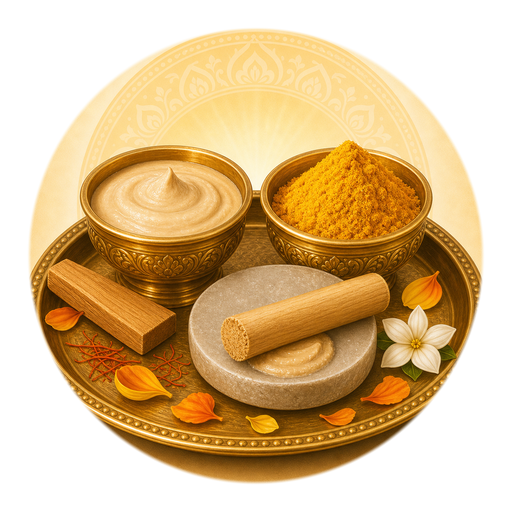 Sandalwood paste
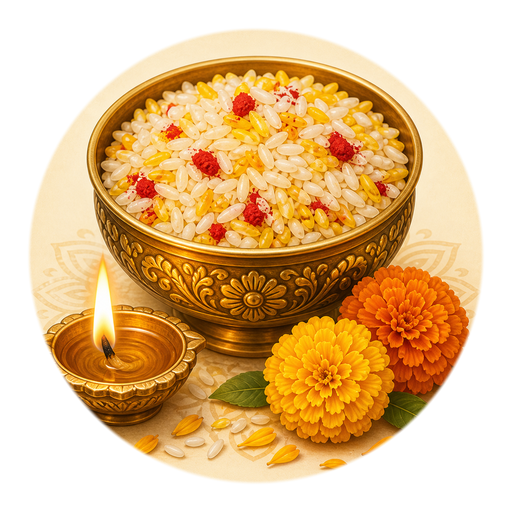 Akshata
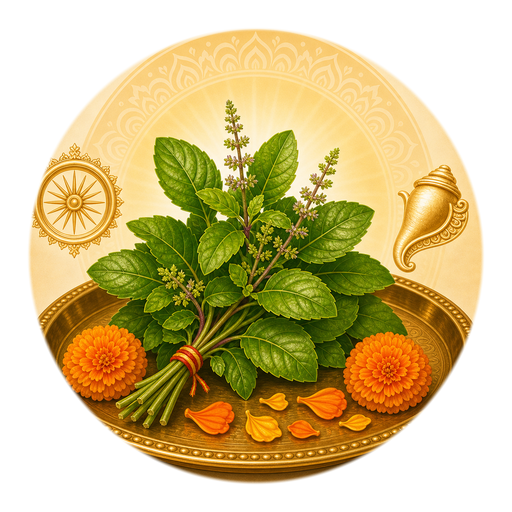 Tulsi (for midnight worship)
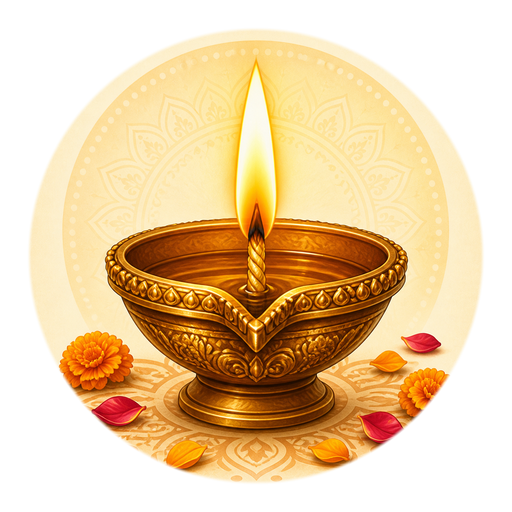 Small lamps
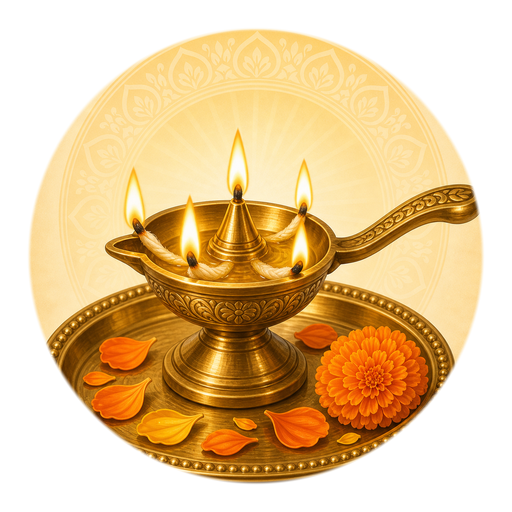 Niranjan lamp
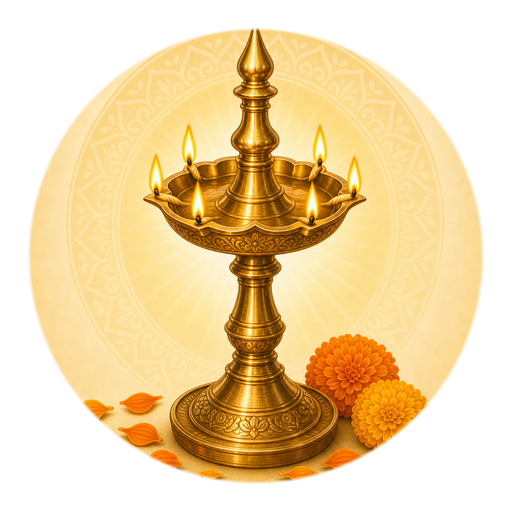 Samai lamp
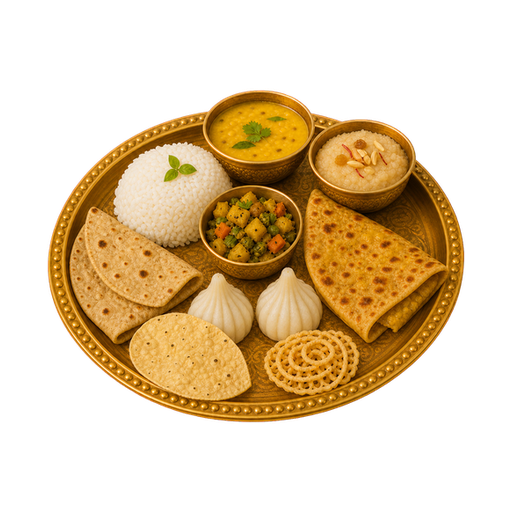 Naivedya/Annakoot
Fasting
A strict, independent fast on Tripurari Purnima is not mandatory everywhere — this is primarily a day of lights and meritorious bathing/charity. Some devotees observe a Purnima vrat/fast; those observing the Kartik vrat for the whole month regard this Purnima as the vrat's culmination. Fasting rules are tradition-specific and not binding on everyone.
Mantra
Shiva's aarti-stotras are sung and his names are chanted on this day.
Regional customs
On Kartik Purnima, the Tripur Vaat — a lamp-wick set atop a tall pole — and the stone lamp-tower are lit at every (especially Shiva) temple; the whole temple precinct lights up, which is called "Tripur Pajalne." Lighting the stone lamp-towers (deep-stambhas) of old Maharashtrian temples on this very evening is a distinctive local custom. Floating lamps on river ghats in towns and villages is also part of this day.
"Dev Diwali" is Maharashtra's synonym for this same Kartik Purnima; but in North India, especially Varanasi, it's known as "Dev Deepawali," where lakhs of lamps across 84 ghats, a Ganga aarti, and a festival of lights are the main draw. This North Indian flavour is kept distinct from — not blended into — Maharashtra's Tripur Vaat custom.
In the south, this same day is marked by the Krittika Mahotsav and Kartikeya-centred worship, while in the north, a glimpse of Skanda's idol is taken — this is a multi-deity day. While Shiva (Tripurari) is the primary identity, Vishnu/Kartikeya worship also occurs the same day; Guru Nanak Jayanti (Sikh) falls the same day too; which worship to observe follows family tradition.
Good to know
- The festival of lights happens in the evening/night — the exact auspicious time for the Tripur Vaat, lamp-tower, and deepdaan varies by city; check that day's panchang page.
- Kartik Snan happens before dawn/in the morning at a river or tirtha — river ghats can be crowded and slippery, so take care for safety.
- When lighting lamps/the Tripur Vaat/lamp-towers, take care with fire given the many wicks and oil involved; keep them away from children.
- The choice of deity varies by tradition — while Shiva (Tripurari) is primary, Vishnu/Kartikeya worship also occurs the same day; choose according to your family's tradition.
FAQ
- When is Tripurari Purnima in 2026?
- Per the panchang data, Tuesday, 24 November 2026 (Kartik Shukla Purnima, nakshatra Krittika).
- Why is Tripurari Purnima celebrated?
- On this day, Shiva burned the three cities of the demon Tripurasura and slew him; this festival of lights is celebrated in joy at that victory.
- Why is Tripurari Purnima called "Dev Diwali"?
- The gods are believed to have lit lamps in celebration of Shiva's victory; since it is as if the gods themselves celebrate Diwali, it is called "Dev Diwali" (the gods' Diwali).
- What is the Tripur Vaat, and how is it lit?
- A lamp-wick set on a tall pole at a Shiva temple, symbolising Tripurasura's three cities; it is lit in the evening at Shiva temples/lamp-towers, called "Tripur Pajalne."
- Are Kartik Purnima and Tripurari Purnima the same?
- Yes; the full moon of the Kartik month is called Tripurari/Tripuri Purnima (and Dev Diwali).
- Which deity should be worshipped on Tripurari Purnima — Shiva or Vishnu?
- The primary identity is Shiva (Tripurari); but Vishnu's Matsya avatar and a glimpse of Kartikeya are also considered sacred the same day — worship follows family tradition.
- What should be donated on Tripurari Purnima?
- Per the Marathi Vishwakosh, donating lamps/lamp-vessels and charity to Brahmins is considered meritorious; the type of donation is tradition-specific.