Kartik Snan
Kartik Snan is the practice of bathing in a holy river or tirtha every day before dawn (in the brahma-muhurta) throughout the month of Kartik — in Hindu tradition, Kartik is regarded as the most sacred month for bathing, charity, and worship. This is not a single-day festival — it is a month-long period of bathing and charity that runs from Ashwin Shukla Purnima (around Kojagiri) to Kartik Shukla Purnima (Tripurari Purnima).
This year's dates (2026)
- Monday; the start of Kartik Snan (Purnimanta reckoning). The panchang names this day 'Navanna Purnima'26 Oct
- Tuesday; the culmination of Kartik Snan. The panchang names this day 'Tripurari Purnima'; public holiday24 Nov
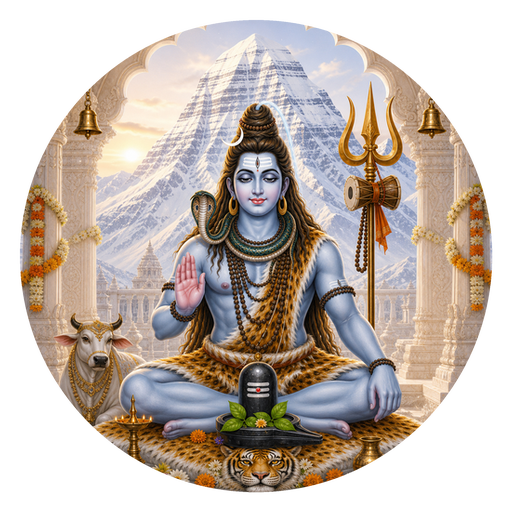
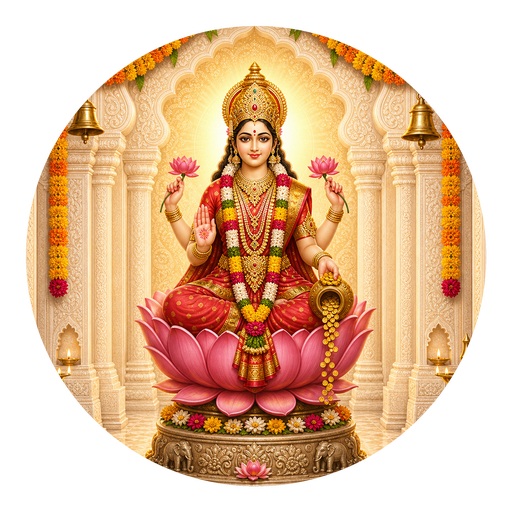
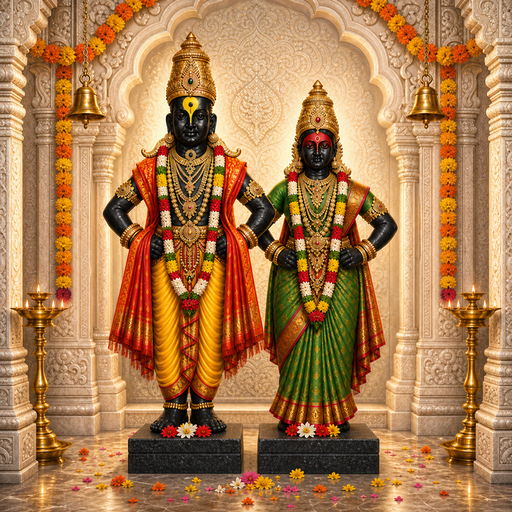
This year (2026), per the panchang data, this period runs from Monday, 26 October (Ashwin Purnima) to Tuesday, 24 November (Kartik Purnima, Tripurari). Vishnu (including his Damodar form as Krishna) and Tulsi are the primary deities worshipped during this period; Shiva, Lakshmi, and Surya also receive offerings secondarily.
Significance
The month of Kartik is regarded as extremely important for bathing, charity, and worship — the pre-dawn bath is believed to purify body and mind, destroy sins, and grant imperishable merit. According to the Kartik Mahatmya, rising before sunrise and bathing in a sacred river is said to wash away all of a devotee's sins.
Kartik is the last month of Chaturmas — Vishnu is believed to wake from his yogic sleep on Kartiki (Prabodhini) Ekadashi and resume the running of creation, making this a special period of devotion to Vishnu. This month honours Krishna's Damodar form — Yashoda once bound the mischievous child Krishna to a mortar with a rope (daam), giving rise to this name; temples offer butter-and-sugar as naivedya and perform the kakad-aarti.
Donating lamps holds special significance in this month — the Narada Purana holds that donating a lamp during Kartik is the best of all forms of charity, while the Padma Purana says that one who lights a lamp for Hari enjoys the bliss of Vaikuntha. Worshipping Vishnu with tulsi leaves during this period is believed to please him greatly; Tulsi Vivah is also observed during this time.
The legend (katha)
There is no single independent "vrat katha" for Kartik Snan. Its authentic scriptural basis is the Kartik Mahatmya — the chapter on the glory of the Kartik month found in the Padma Purana and the Skanda Purana. This glory is said to have been narrated by Vishnu to Brahma, by Brahma to Narada, and by Narada to King Prithu. The central belief is this: pre-dawn bathing at a tirtha, donating lamps, and worshipping Tulsi/Vishnu during Kartik is believed to grant immense merit and liberation; reading or listening to the Kartik Mahatmya itself is considered meritorious.
Some sources attribute this glory to the Padma Purana, others to the Skanda Purana — in fact, both Puranas contain a Kartik Mahatmya section.
Who observes it
Vishnu/Warkari devotees and ordinary Hindu householders keep the pre-dawn bath, Tulsi/Vishnu worship, and lamp donation throughout Kartik. Some strict observers (Kartikvratis) keep the month's rules — a single meal a day, celibacy, avoiding certain foods — strictly for the whole month; this is voluntary and varies by tradition. Communal bathing, kakad-aarti, and a festival of lights also take place at river ghats and Vishnu/Pandurang temples. None of this is mandatory for everyone — devotees observe it fully or partially according to their own faith.
Puja vidhi
Rise before sunrise (in the brahma-muhurta) and bathe in a river, tirtha, or any available clean water; if a river isn't accessible, bathing at home with a little Ganga water mixed in is acceptable. Remember Vishnu/Ganga during the bath, chanting something like "Om Namo Narayanaya"; offer arghya to the sun after bathing.
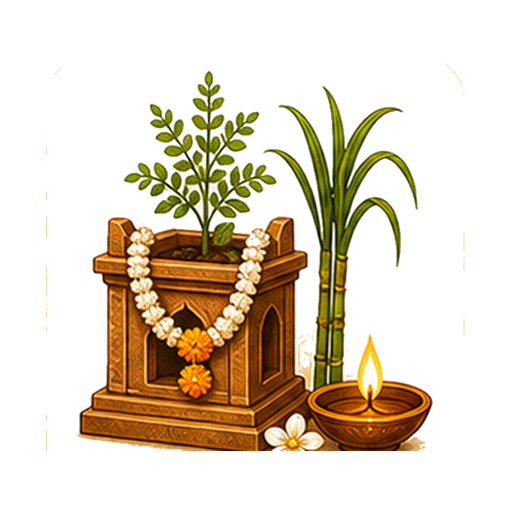
After bathing, worship Tulsi and offer Vishnu worship with tulsi leaves; worship the Damodar form with an offering of butter and sugar, and perform the kakad-aarti. In the evening, light lamps at temples, on riverbanks, and near the tulsi plant; donating lamps or lamp-vessels (deepdaan) is considered meritorious. Reading a chapter of the Kartik Mahatmya daily through the month is also considered meritorious.
The auspicious clock-time for the pre-dawn bath and deepdaan varies by city — check that day's panchang page for the exact time.
What you need
Clean bathing water (preferably from a river/tirtha; Ganga water if at home), tulsi leaves and a tulsi-vrindavan, an idol or image of Vishnu/Damodar, sandalwood paste-akshata-flowers, butter and sugar for the offering, a vessel for arghya, and lamps/diyas, oil-wicks, and a lamp-vessel for donation. The exact items vary by tradition.
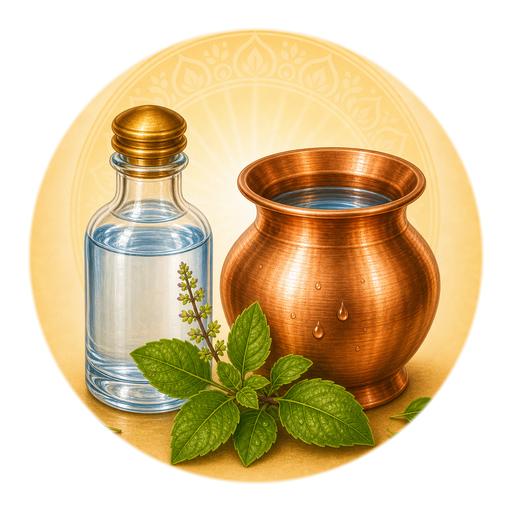 Ganga water
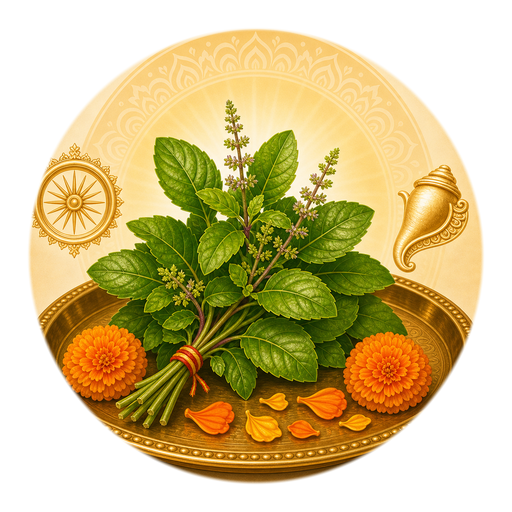 Tulsi leaves
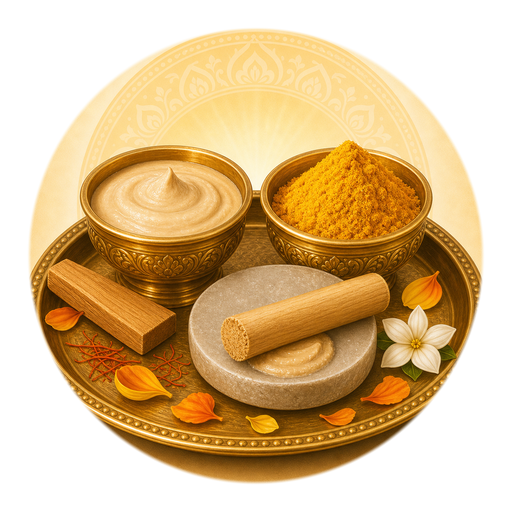 Sandalwood paste
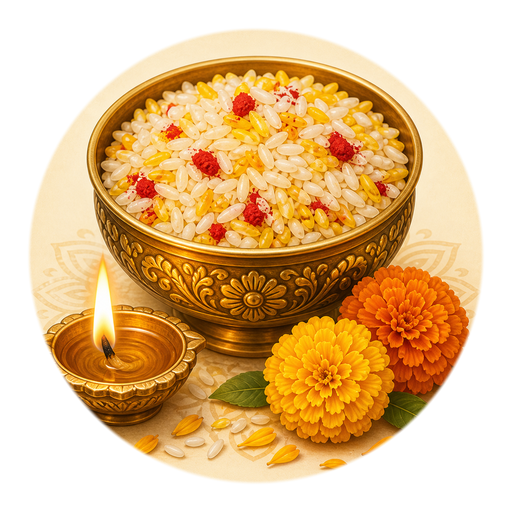 Akshata
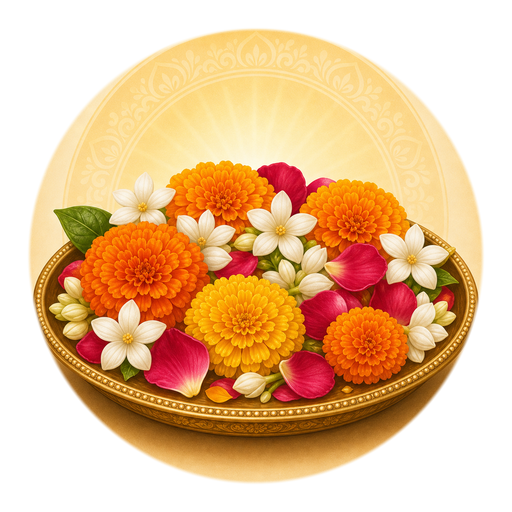 Flowers
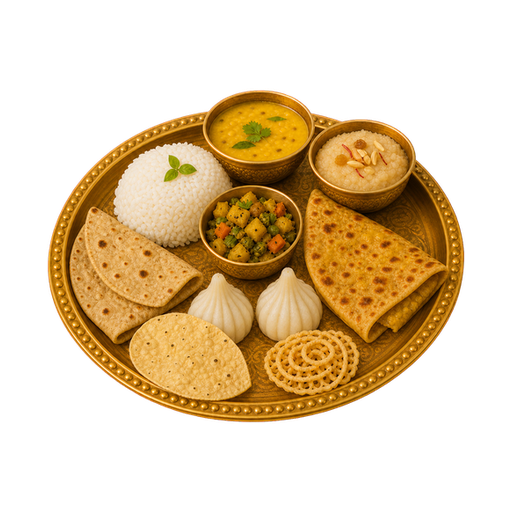 Naivedya (butter & sugar)
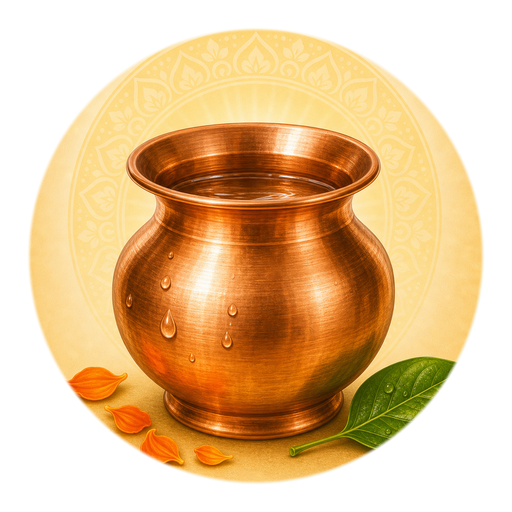 Copper pot
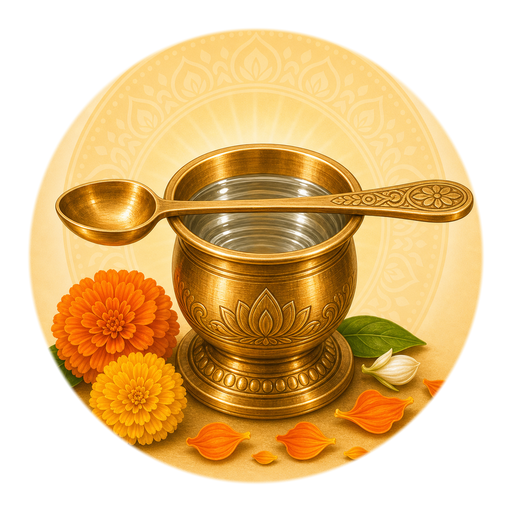 Panchpatra (ritual vessel-spoon)
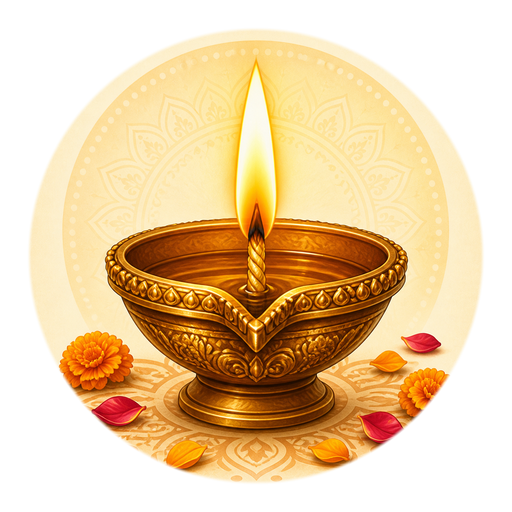 Lamps/diyas
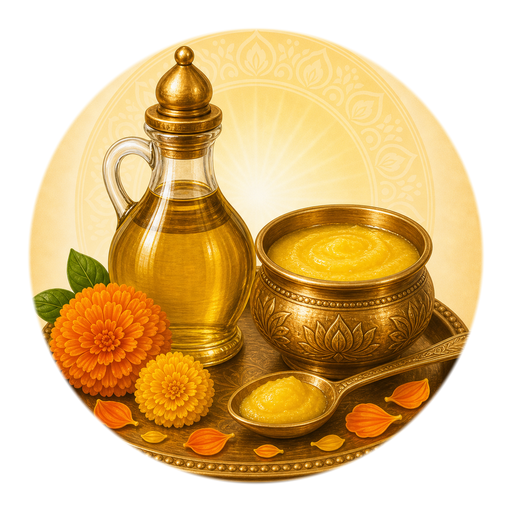 Oil
OilKartik's rules (what to avoid)
Some restricted foods and rules are prescribed for those observing the Kartik vrat — these are mostly voluntary and tradition-specific, not binding on everyone.
- Foods to avoid: onion, garlic, brinjal, radish, sprouted grains, as well as all meat/fish, honey, fermented rice-water, mustard, and intoxicants are said to be avoided.
- The oil rule: one source says oil should be applied to the body only on Narak Chaturdashi during this month, and not on any other day of Kartik.
- Vrat conduct: some strict observers keep a single meal a day (ekabhukta), celibacy, and sleeping on the floor.
All these rules are tradition-specific and optional — follow them "as per tradition," not as binding on everyone.
Mantra
Vishnu/Damodar's names and the Damodarashtaka are chanted during this month; a mantra beginning "Om Damodaraya Vidmahe…" is commonly recited during Damodar worship.
Regional customs
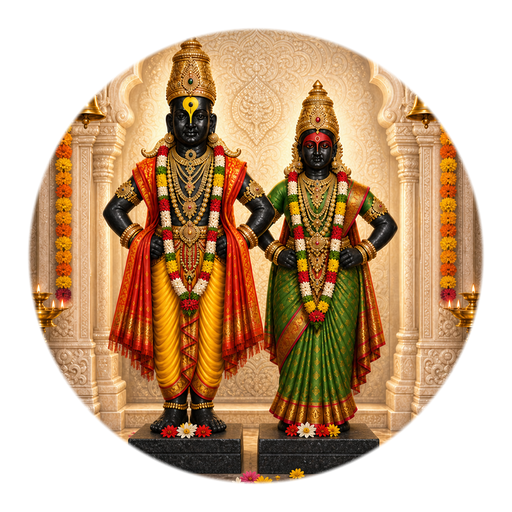
In Maharashtra, Kartik Snan is especially tied to devotion to Vitthal/Pandurang — the Pandharpur Wari and Vitthal darshan on Kartiki Ekadashi is regarded as one culmination, and the kakad-aarti with a butter-sugar offering is held every dawn throughout Kartik at Vishnu/Pandurang temples. Households worship and decorate the tulsi-vrindavan; Tulsi Vivah is observed between Kartik Shuddha Dwadashi and Purnima.
Kartik Snan culminates on Tripurari Purnima, when the Tripur Vaat and stone lamp-towers are lit. Ganga/Yamuna bathing and festivals of lights are especially popular in North India.
Good to know
- The exact time for the pre-dawn bath varies by city — check that day's panchang page.
- River ghats can be crowded, cold, and slippery before dawn — elderly devotees especially should take care for their safety and health; bathing at home with Ganga water mixed in is fine if a river isn't accessible.
- Kartik's rules are voluntary and tradition-specific — strict fasting/restricted foods should not be imposed on everyone as mandatory; devotees should decide for themselves based on health and age.
- When donating lamps, take care with fire safety given the many oil wicks involved; keep them away from children.
FAQ
- What is Kartik Snan?
- Bathing in a holy river or tirtha every day before dawn throughout the month of Kartik; Kartik is regarded as the most sacred month for bathing, charity, and worship.
- When does Kartik Snan run in 2026?
- From Ashwin Shukla Purnima (around Kojagiri) to Kartik Shukla Purnima; in 2026, approximately 26 October to 24 November.
- How should Kartik Snan be performed?
- Rise before dawn and bathe in a river/tirtha/clean water (or at home with Ganga water mixed in if unavailable), remember Vishnu/Ganga, then worship Tulsi/Vishnu, offer arghya to the sun, and donate lamps in the evening.
- What should and shouldn't be eaten during Kartik?
- Those observing the Kartik vrat traditionally avoid onion, garlic, brinjal, meat/fish, honey, and intoxicants, and keep a single meal a day — this is voluntary and tradition-specific, not binding on everyone.
- Why is donating lamps done during Kartik?
- Donating lamps during Kartik is considered the best of all charitable acts; lighting lamps at temples, riverbanks, and near tulsi plants is believed to bring immense merit and symbolises light's victory over darkness.
- Why is the month of Kartik considered so sacred?
- It is the last month of Chaturmas; Vishnu is believed to wake from his yogic sleep on Kartiki Ekadashi, and bathing, charity, and Tulsi/Vishnu worship are believed to bring special merit.
- How can Kartik Snan be done at home?
- If a river isn't accessible, bathing before dawn at home with a little Ganga water mixed in is acceptable; remembering Vishnu and worshipping Tulsi can also be done at home.
- What is the Kartik Mahatmya, and which Purana is it in?
- A text describing the glory of bathing, charity, and worship during Kartik, found in the Padma Purana and the Skanda Purana; reading or listening to it is also considered meritorious.