Indira Ekadashi
Indira Ekadashi falls within Pitru Paksha (the Mahalaya Shraddha fortnight) — which is why it's also known as the "Ekadashi for one's ancestors" or "Ekadashi Shraddha." Shraddha and tarpan for one's ancestors are performed alongside the vrat. This year (2026): Tuesday, 6 October — with parana the next day (7 October, Dwadashi).
This year's dates (2026)
Significance
This vrat, falling within Pitru Paksha, is held to be especially significant for the peace and liberation of ancestors' souls — observed with devotion, it's believed to free ancestors from Yamlok/hell and grant them heaven, and to remove the family's pitru dosha. Most Ekadashis are primarily about worshipping Vishnu; Indira Ekadashi uniquely brings together both a Vishnu vrat and pitru shraddha/tarpan — this is its distinguishing core.
Some sources — crediting the Padma Purana — say this vrat liberates ancestors up to seven generations back; this is presented as a matter of belief.
Which month — Bhadrapad or Ashwin?
This is one and the same day, under two names. Maharashtra's panchang (amanta) calls it "Bhadrapad Krishna Ekadashi"; most pan-India sources call it "Ashwin Krishna Ekadashi" (the purnimanta/popular name) — because under the amanta convention, the Krishna paksha is counted under the preceding month's name. The date and tithi are the same either way (6 October 2026) — only the month's name differs.
The legend
This legend is told in the Puranic tradition; small details vary between versions. Some versions attribute it to the Padma Purana, others to the Brahmavaivarta Purana.
In the city of Mahishmati, a righteous, Vishnu-devoted king named Indrasena once ruled. One day, the sage Narada arrived from Yamlok at the king's court and delivered a message from his deceased father — the father was suffering in Yamlok because, in life, he had broken an Ekadashi fast midway. Narada advised the king to observe the Bhadrapad/Ashwin Krishna Indira Ekadashi vrat and dedicate its merit to his father. The king observed the vrat with devotion — fasting, worshipping Vishnu, keeping a vigil — and dedicated its merit in his father's name. Flowers rained from the sky, and the father was freed from Yamlok, ascending to heaven/Vaikuntha.
There's a small divergence in why the father ended up in Yamlok — most sources say he broke an Ekadashi vrat midway, while one source instead attributes it to "sins of a previous birth." The city's name appears with minor spelling variants — Mahishmati/Mahishmatipuri/Mahishmatipura; King Indrasena and the sage Narada, however, remain the same across versions.
Who observes it
Families who remember their ancestors and perform shraddha during Pitru Paksha observe this vrat especially for their ancestors' liberation and well-being. For devotees who fast on every Ekadashi, Indira Ekadashi is the one that falls within Pitru Paksha.
Puja vidhi
The sequence below is a general guide — not a fixed, single-correct ritual; it can vary by family and local custom. Indira Ekadashi uniquely combines vrat-puja with pitru shraddha/tarpan — keep this distinction in mind.
- On the day before (Dashami), a restrained, sattvic diet — grains, onion-garlic, and tamasic foods are avoided.
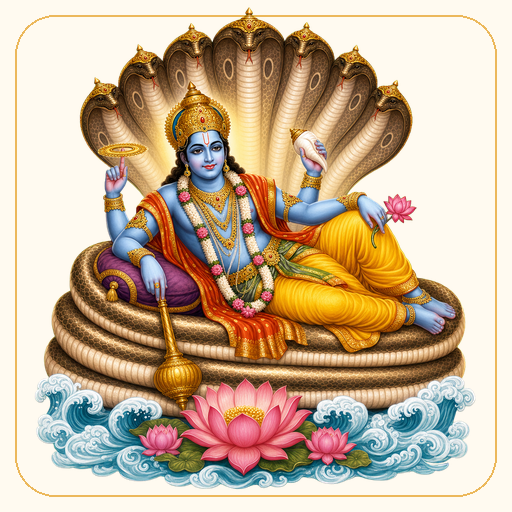
- On Ekadashi morning, after bathing, Vishnu (as Padmanabha) is worshipped — with sandalwood paste, akshata, tulsi leaves and flowers, incense and a lamp, and fruit-based naivedya.
- The pitru component: tarpan (a water offering) and shraddha for one's ancestors, feeding Brahmins, and charity to the poor — with the intention of dedicating the vrat's merit to one's ancestors. This is Indira Ekadashi's distinctive part.
- A fast is observed through the day; the Vishnu mool-mantra and Vishnusahasranama are chanted, and the Indira Ekadashi legend is heard.
- At night, a vigil is kept, with Hari-naam bhajans.
- On Dwadashi (7 October), the fast is broken at the proper time, avoiding the Harivasar period.
Puja samagri
An image or murti of Vishnu (as Padmanabha), tulsi leaves and garlands, incense and a lamp, fruit-based naivedya, water-sesame-kusha/darbha grass and shraddha materials for the pitru tarpan, and food-cloth-grain-dakshina for charity.
Fasting / dietary rules
It's widely held that rice, grains, and all lentils are avoided on Ekadashi. A waterless fast isn't mandatory — some devotees keep one, while most take a simple fruit-based diet with fruit, milk, or water; both are traditionally accepted, choose based on your health. Chanting, satsang, and a night vigil are part of the day, along with avoiding falsehood, anger, onion-garlic, alcohol, and daytime sleep.
Mantra / aarti
The Vishnu mool-mantra "Om Namo Bhagavate Vasudevaya" is traditionally chanted during the vrat sankalp and puja — meaning: "Salutations to Lord Vasudeva (Vishnu)." Reciting the Vishnusahasranama is also a widespread custom. The exact aarti varies by tradition.
Regional customs
Indira Ekadashi is a pan-India Vaishnav Ekadashi — it doesn't carry the distinctly Maharashtrian festival identity that Vat Purnima or Ashadhi Ekadashi do. Its real distinctiveness is that it falls within Pitru Paksha and is linked to ancestors' liberation — this is reinforced by the Mahalaya/Magha Shraddha days surrounding 6 October and the Sarvapitri Darsh Amavasya on 10 October. No distinct Maharashtra-specific custom — a special naivedya or a local pilgrimage — is attached to it.
This year's date
| Date (2026) | Day | Tithi | Nakshatra | Note |
|---|---|---|---|---|
| 6 October | Tuesday | Bhadrapad Krishna Ekadashi | Ashlesha | Falls within Pitru Paksha; parana on 7 October (Dwadashi, "Magha Shraddha" day) |
Pitru Paksha ends on 10 October with Sarvapitri Darsh Amavasya — so Indira Ekadashi falls in the middle of Pitru Paksha. Future years: the tithi stays the same (Bhadrapad/Ashwin Krishna Ekadashi); the Gregorian date follows that year's panchang and is only known once that year's panchang is published.
Good to know
- Parana on Dwadashi, avoiding Harivasar — the exact clock-time varies by location and year; the tithi ends in the early morning.
- Pitru tarpan/shraddha — since this falls within Pitru Paksha, performing shraddha on this day is customary; this day matters especially for families who observe shraddha.
- The month's name can be confusing — Maharashtra calls it "Bhadrapad," most other places call it "Ashwin," but the date is the same.
- If choosing a waterless fast, the elderly, pregnant or nursing women, and those on regular medication should take the fruit-based option instead, or consult a doctor.
FAQ
- When is Indira Ekadashi in 2026?
- Tuesday, 6 October 2026 (Bhadrapad Krishna Ekadashi); parana on 7 October.
- Why is Indira Ekadashi called the Ekadashi for ancestors?
- Because it falls within Pitru Paksha (the Mahalaya Shraddha fortnight) and is observed especially for ancestors' liberation and well-being; shraddha/tarpan for ancestors is performed alongside the vrat.
- Why is Indira Ekadashi observed?
- It's believed to free ancestors from Yamlok/hell and grant them heaven, to remove pitru dosha, and to atone for the observer's own sins.
- What is the legend of Indira Ekadashi?
- King Indrasena of Mahishmati was told by the sage Narada that his deceased father was suffering in Yamlok due to a broken Ekadashi fast; the king observed Indira Ekadashi and dedicated its merit to his father, who was thereby freed.
- Can shraddha be performed on Indira Ekadashi?
- Yes — since it falls within Pitru Paksha, performing pitru tarpan and shraddha on this day is customary; both the vrat and shraddha are observed together.
- How is the Indira Ekadashi vrat observed?
- A sattvic diet on Dashami, Vishnu worship and pitru tarpan/shraddha on Ekadashi, fasting through the day, a night vigil, and breaking the fast at the proper time on Dwadashi.
- When should Indira Ekadashi's parana be done?
- On Dwadashi (7 October), at the proper time, avoiding Harivasar; the exact time varies by that year's panchang.