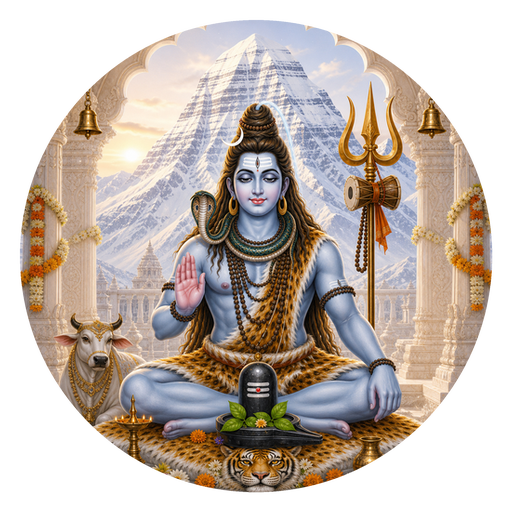
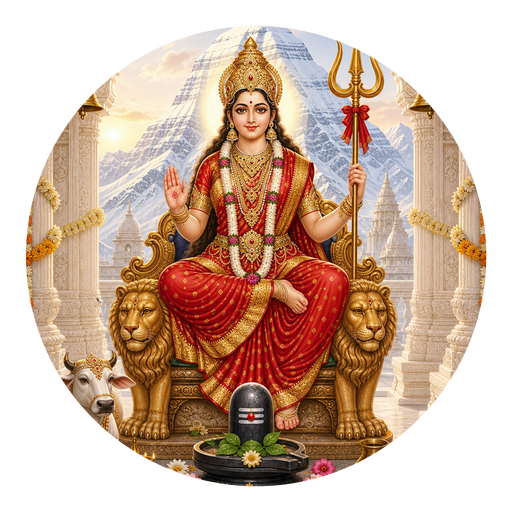
Masik Shivratri
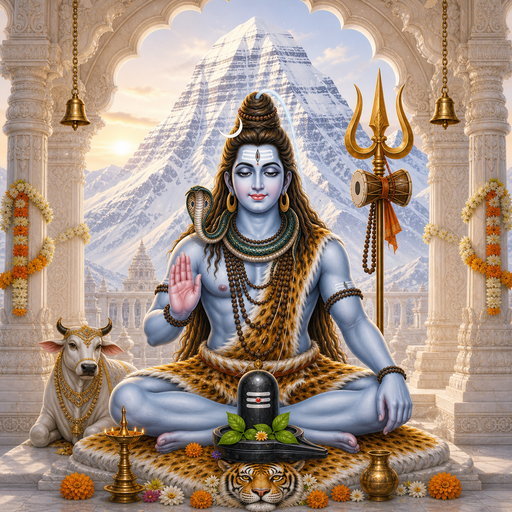
Masik Shivratri is the Shiva vrat observed on Krishna paksha Chaturdashi every month — the night before Amavasya. Puja and the night vigil are held at nishita kaal (midnight). Twelve Masik Shivratris fall in a year; the one in Magh/Falgun is the annual Mahashivratri itself — the other eleven are the monthly Masik Shivratris, observed in a more flexible, lighter form.
This year's dates (2026)
- Friday; Paush Masik Shivratri; co-label 'Shivratri, Pradosh'16 Jan
- Sunday; this month's Shivratri IS the annual Mahashivratri15 Feb
- Tuesday; Falgun Masik Shivratri17 Mar
- Wednesday; Chaitra Masik Shivratri; co-label 'Shivratri, Pradosh' (Budh Pradosh falls the same day)15 Apr
- Friday; Vaishakh Masik Shivratri — both tithis fall on this day15 May
- Saturday; Adhik Jyeshtha Masik Shivratri13 Jun
- Sunday; Nij Jyeshtha Masik Shivratri; co-label 'Shivratri, Pradosh'12 Jul
- Tuesday; Ashadh Masik Shivratri (panchang's main headline is 'Amavasya')11 Aug
- Wednesday; Shravan Masik Shivratri9 Sep
- Thursday; Bhadrapad Masik Shivratri; co-label 'Shivratri, Pradosh' (Guru Pradosh falls the same day)8 Oct
- Saturday; Ashwin Masik Shivratri7 Nov
- Monday; Kartik Masik Shivratri — Chaturdashi prevails from sunrise itself7 Dec
Significance
Mahashivratri comes only once a year; Masik Shivratri offers a monthly opportunity for remembering Shiva, practising restraint, and turning inward — making it easier to observe as a regular monthly practice.
The night of Shivratri is held to be the night of Shiva and Shakti's union; keeping vigil and performing puja is believed to bring peace of mind and strengthen one's path of devotion.
Each Shivratri's vrat is decided not by the tithi at sunrise, but by which tithi prevails at midnight (nishita kaal). The day on which Chaturdashi is present at midnight is the vrat's night. This is why, in most months, Trayodashi still prevails at sunrise even though the vrat falls that same night.
The Skanda Purana is said to name both Mahashivratri and Masik Shivratri as powerful days for Shiva worship.
The legend
Masik Shivratri has no distinct legend of its own — it is considered part of Shiva's broader Shivratri legends. The Lingodbhava, Samudra Manthan-Neelkanth, Shiva-Parvati wedding, and Lubdhak-bilva legends are told in detail on the Mahashivratri page — the same legends apply to Masik Shivratri too, so they are not repeated here.
Who observes it
All Shiva devotees — regardless of gender, age, or marital status — may observe this vrat. Unmarried women are believed to observe it for a desired life partner, married women for marital peace and harmony, while any devotee may observe it for spiritual growth and the removal of obstacles.
For regular practitioners, this monthly vrat is considered less demanding than Mahashivratri, making it easier to observe throughout the year.
Puja vidhi
- A sankalp (vow) is taken during the day for the fast and the Shiva puja.
- A fast is kept through the day (per one's capacity — see the fasting rules below).
- In the evening or at night, a bath is taken to prepare for worshipping the Shiva lingam or murti.
- Water and milk (and, by tradition, panchamrit/Gangajal) are offered in an abhishek.
- Bilva leaves, flowers, sandal paste, unbroken rice, and incense-lamps are offered.
- The mantra 'Om Namah Shivaya' is chanted, along with bhajans and aarti.
- The main puja is performed at nishita kaal (midnight) — considered the most auspicious moment; many also visit a Shiva temple at night.
- A night vigil is kept, and the fast is broken (parana) the next morning after a bath and puja.
What you need
Water, milk (panchamrit/Gangajal by tradition), bilva leaves, flowers, sandalwood paste, unbroken rice, incense-lamps, fruit, and a Shiva lingam or murti — this list can vary by tradition.
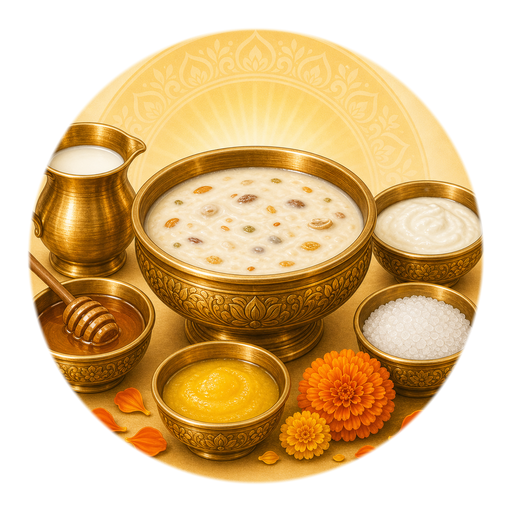 Panchamrit
 Gangajal
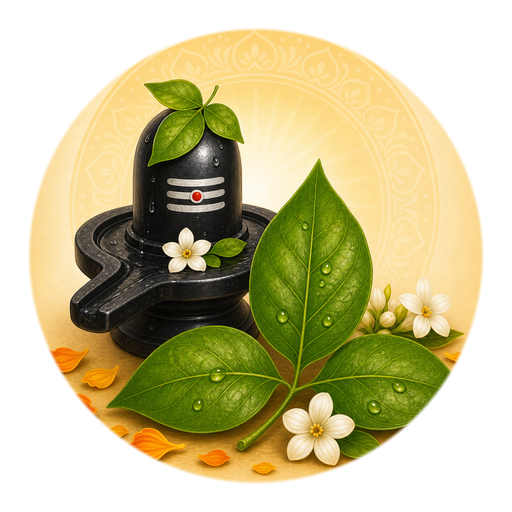 Bilva leaves
 Flowers
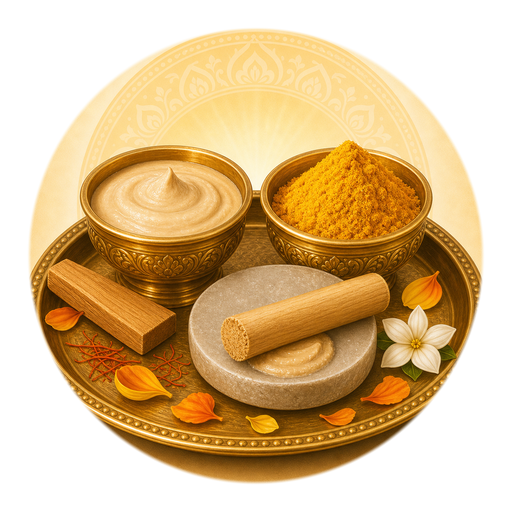 Sandalwood paste
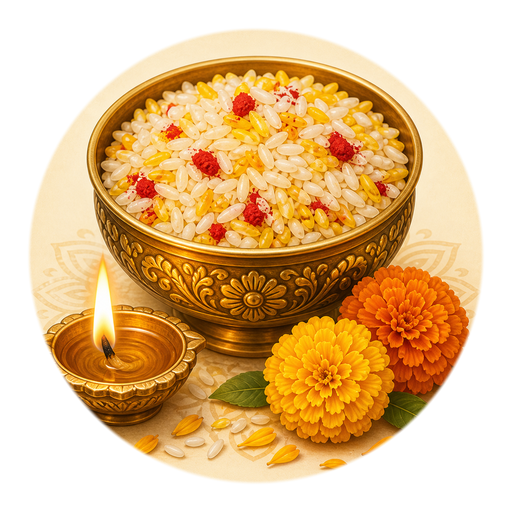 Unbroken rice
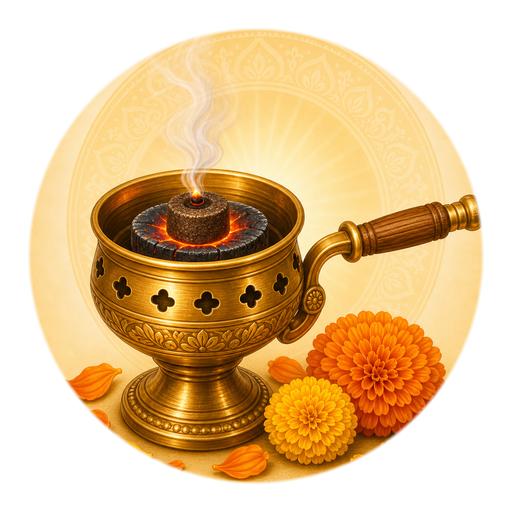 Incense
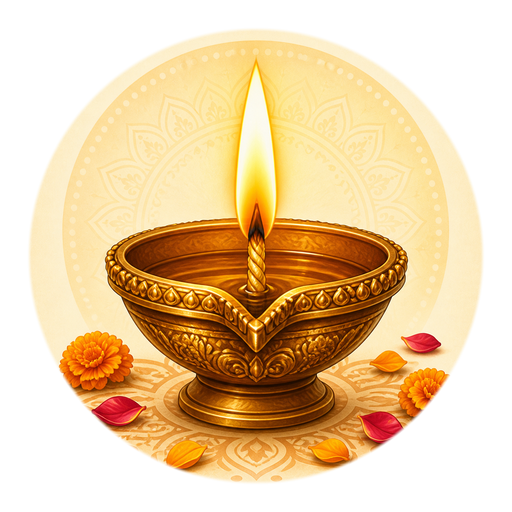 Lamp
Lamp Fruit
Fruit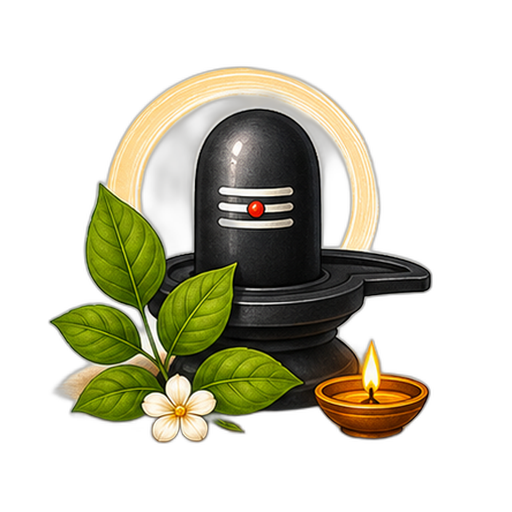 Shiva lingam
Fasting
This fast is considered more flexible than Mahashivratri's — some keep a full fast, others eat only fruit and milk (phalahar), while some take a single sattvik meal. The fast generally begins at sunrise; the puja and vigil are held at night, and the fast is broken (parana) the next morning after the Shiva puja.
Mantra & aarti
The five-syllable mantra 'Om Namah Shivaya' (meaning: salutations to Shiva) is the core mantra of Shiva worship, chanted continuously through this night.
A traditional Marathi aarti, "Lavathavati Vikraala" by Samarth Ramdas, is sung to Shiva on this occasion — it opens with "Lavathavati vikraala brahmandi maala…"
Regional customs
In Maharashtra's panchang, many Masik Shivratri dates appear with the co-label 'Shivratri, Pradosh'. This is because the sankalp (vow) for the Masik Shivratri vrat is taken during the Pradosh period on Trayodashi evening, and the vrat is then completed on Chaturdashi night (nishita kaal). In other words, Pradosh is a separate Shiva vrat on Trayodashi evening, while Masik Shivratri is on Chaturdashi midnight — two distinct but linked Shiva observances, not one and the same.
Maharashtra follows the amanta calendar; while the deciding factor is which tithi prevails at nishita kaal, the exact date can shift by Panchang tradition — the dates on this page follow the Maharashtra-reference Panchang. Check local temple timings before visiting for darshan.
Dates (2026) — twelve Masik Shivratris
| # | Date | Day | Masa | Tithi | Nakshatra | Note |
|---|---|---|---|---|---|---|
| 1 | 16 January | Friday | Paush | Kri. Trayodashi (Chaturdashi at night) | Moola | 'Shivratri, Pradosh' |
| 2 | 15 February | Sunday | Magh | Kri. Trayodashi (Chaturdashi at night) | Uttarashadha | = the annual Mahashivratri |
| 3 | 17 March | Tuesday | Falgun | Kri. Trayodashi (Chaturdashi at night) | Shatabhisha | 'Shivratri' |
| 4 | 15 April | Wednesday | Chaitra | Kri. Trayodashi (Chaturdashi at night) | Purva Bhadrapada | 'Shivratri, Pradosh' — Budh Pradosh falls the same day |
| 5 | 15 May | Friday | Vaishakh | Kri. Trayodashi/Chaturdashi | Ashwini | Both tithis fall on this day |
| 6 | 13 June | Saturday | Adhik Jyeshtha | Kri. Trayodashi (Chaturdashi at night) | Krittika | Falls in the Adhik masa |
| 7 | 12 July | Sunday | Nij Jyeshtha | Kri. Trayodashi (Chaturdashi at night) | Rohini | 'Shivratri, Pradosh' |
| 8 | 11 August | Tuesday | Ashadh | Kri. Chaturdashi (until dawn) | Punarvasu | Panchang's main headline is 'Amavasya' |
| 9 | 9 September | Wednesday | Shravan | Kri. Trayodashi (Chaturdashi at night) | Ashlesha | 'Shivratri' |
| 10 | 8 October | Thursday | Bhadrapad | Kri. Trayodashi (Chaturdashi at night) | Purva Phalguni | 'Shivratri, Pradosh' — Guru Pradosh falls the same day |
| 11 | 7 November | Saturday | Ashwin | Kri. Trayodashi (Chaturdashi at night) | Chitra | 'Shivratri' |
| 12 | 7 December | Monday | Kartik | Kri. Chaturdashi (until dawn) | Vishakha | Chaturdashi prevails from sunrise itself |
These twelve dates complete the year, one per month — there is no genuine gap. Two dates deserve a closer look.
The 13 June Masik Shivratri falls in the Adhik Jyeshtha month. Observance during an adhik masa can vary by tradition.
On 11 August, the panchang's main headline is 'Amavasya' rather than a standalone Shivratri label, but since Chaturdashi tithi is present until dawn that night, this night is still counted as a Masik Shivratri.
The precise nishita muhurat clock time varies by date and location — check the panchang page linked under each date.
Good to know
- A full fast with a night vigil isn't suitable for everyone — those with diabetes, blood pressure issues, pregnant women, and the elderly should choose the fruit-only or single-meal option, and stay well hydrated. Fasting is not mandatory.
- A different panchang tradition (such as North India's purnimanta reckoning) may show the date a day earlier or later — the dates on this page follow the Maharashtra-reference Panchang.
- Check local temple timings before visiting for darshan.
FAQ
- What is Masik Shivratri?
- The Shiva vrat observed on Krishna paksha Chaturdashi every month (the night before Amavasya); it occurs twelve times a year.
- What's the difference between Masik and Mahashivratri?
- The Shivratri that falls in Magh/Falgun is the great annual Mahashivratri; the other eleven are the monthly Masik Shivratris — a more flexible, lighter vrat.
- Which tithi does it fall on?
- Krishna paksha Chaturdashi; the vrat is observed on the night when Chaturdashi tithi prevails at nishita kaal (midnight).
- When are all the Masik Shivratri dates in 2026?
- 16 Jan, 15 Feb (= Mahashivratri), 17 Mar, 15 Apr, 15 May, 13 Jun, 12 Jul, 11 Aug, 9 Sep, 8 Oct, 7 Nov, 7 Dec — twelve dates.
- How is the vrat observed?
- Take a sankalp, fast through the day, then at night perform a Shiva abhishek with water, milk, and bilva leaves, chant 'Om Namah Shivaya', keep vigil, and break the fast the next morning.
- Are Masik Shivratri and Pradosh the same thing?
- No. Pradosh is the Shiva vrat on Trayodashi evening (pradosh kaal); Masik Shivratri is on Chaturdashi midnight (nishita kaal) — two distinct but linked observances.
- What time should the puja be performed?
- Mainly at night, during nishita kaal (midnight) — considered the most auspicious time for Shiva worship; check that day's panchang page for the exact time.