Shravani Somvar
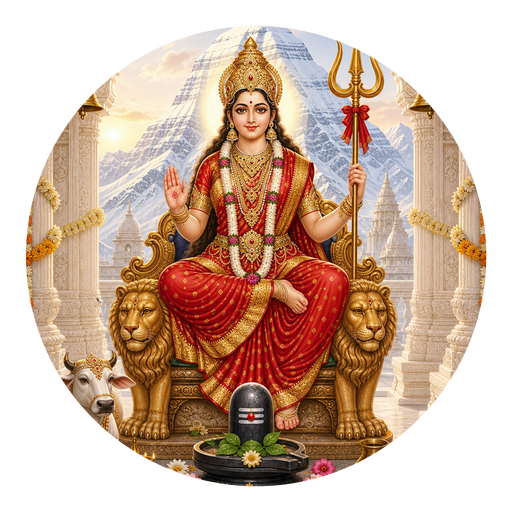
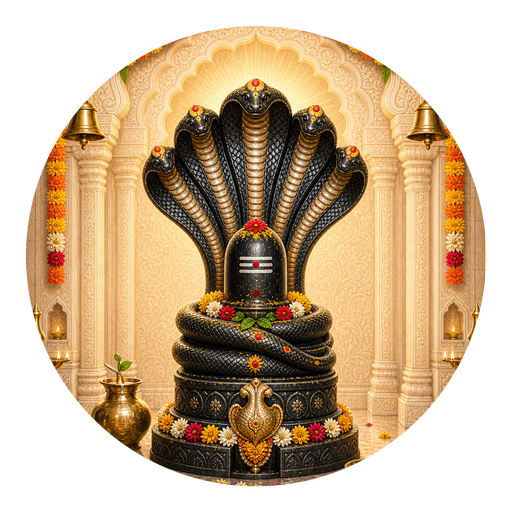
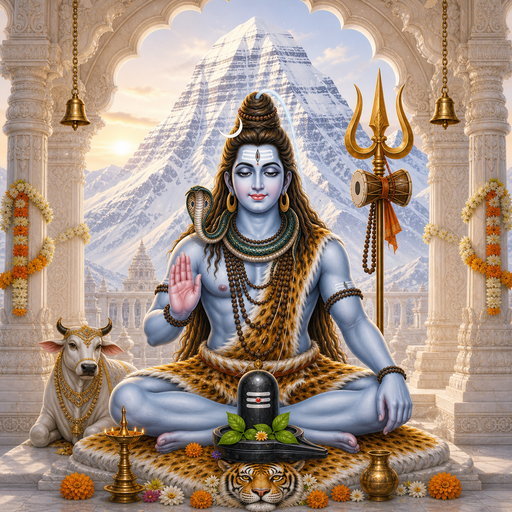
Shravani Somvar means the Mondays of Shravan — every Monday of the Shravan masa (lunar month), which are dedicated to Shiv (Mahadev) and counted among the holiest days of the month. On these days people keep an upvas (fast), do the puja and abhishek of the Shivling, and offer a fixed grain (shivamuth) for that Monday onto the Shivling. In 2026 there are four Shravani Somvars — 17 August, 24 August, 31 August and 7 September. The number changes from year to year (usually four or five).
This year's dates (2026)
- 1st Shravani Somvar — shivamuth: tandul (rice)17 Aug
- 2nd Shravani Somvar — shivamuth: til (sesame)24 Aug
- 3rd Shravani Somvar — shivamuth: mug (moong)31 Aug
- 4th (last) Shravani Somvar — shivamuth: javas (variant: jav/wheat)7 Sep
Significance
Shravan is regarded as a month of vrats and a season of Shiva bhakti. The whole month is considered auspicious for Shiva's grace, and Monday (Somvar) is held to be the best vaar (weekday) for worshipping Shiv — which is why the Mondays of Shravan carry special importance.
The vrat has a puranic basis in the Samudra Manthan (the churning of the ocean). Shiv drank the terrible halahal poison that emerged from the churning and so saved creation; because the poison stayed in his throat, his throat turned blue — which is why he is called Neelkanth (the blue-throated one). This event is linked with Shravan, so devotees offer water and abhishek to the Shivling in Shravan, especially on Mondays. (The story is told below in the katha section.)
Shravan is also the green, abundant heart of the monsoon. The vrat and upvas are described as a way of expressing gratitude to nature and creating an atmosphere suited to devotion.
Kept with faith, this vrat is believed to bring family happiness, lasting saubhagya (marital well-being) and peace of mind; unmarried girls are also said to keep it for a desired match. (This is a description of religious belief — not a universal guarantee.)
What is shivamuth
Shivamuth is the distinctive feature of the Shravani Somvar vrat — the practice of offering one fistful of a fixed grain onto the Shivling each Monday. Starting from the first Monday of Shravan, a different grain is offered in order. By most lists the order is:
- 1st Monday — tandul (rice)
- 2nd Monday — til (sesame)
- 3rd Monday — mug (moong)
- 4th Monday — javas (flax) (in some traditions jav or wheat)
- 5th Monday — satu (only if a fifth Monday occurs)
The first three grains — tandul, til, mug — are nearly the same across all sources. The later grains vary by household and region; so the order above is the most common reading across sources, not a single final list.
The legend (vrat katha)
Two separate story-threads are attached to Shravani Somvar — one about why Shravan is dedicated to Shiva, and one folk tale about the shivamuth. Both are given below.
Thread one — Shravan and Shiva (Samudra Manthan / Neelkanth).
The devas and asuras churned the ocean of milk to obtain amrit (the nectar of immortality). Many jewels emerged from the churning, but before them came a terrible poison called halahal — so fierce that it could burn up all creation. As the devas and asuras panicked, Shiv himself drank the poison to save the world. So that it would not pass below his throat, Parvati held his neck; the poison stayed in his throat and it turned blue — and from then he was called Neelkanth. This event is believed to have happened in Shravan, which is why, in Shravan and especially on Mondays, devotees offer water and abhishek to Shiv in remembrance of that act.
Thread two — the folk tale of the Monday shivamuth. (This story is told with small differences in some versions.)
In a certain kingdom (the “Aatpat nagar” of Marathi folk tales) a king had four daughters-in-law. Three were dear to him, but the fourth was out of favour — she was given plain food, worn clothes and the hardest chores. Even so she bore it all quietly, keeping her faith in god.
One day in the rainy season, when she was near a temple, some celestial maidens (devkanya) met her. They taught her the shivamuth vrat — to keep an ekbhukt fast on the Mondays of Shravan, to offer the appointed grain, belpatra, supari and a flower onto the Shivling, and to pray with a sincere heart. The disfavoured daughter-in-law began the vrat with faith; Monday by Monday she offered the fistful of grain onto the Shivling and prayed to Mahadev for love and acceptance in her household.
Pleased by her steady devotion, one day a golden temple with a swayambhu (self-manifested) Shivling appeared there. The family witnessed her devotion; the king and the whole household came to know her true worth. Her standing turned from disfavour to affection — she received respect, ornaments and her rightful place in the home.
In some versions the king finds a bracelet he had lost inside that manifested temple, an extra episode; in other versions the emphasis stays chiefly on the witnessing of her devotion. At the close the traditional folk-tale ending is recited — the customary Marathi doxology that seals the katha (“Hi sathan uttaranchi kahani, panchan uttari sufal sampurna”).
The lesson of the story is one — the shivamuth vrat kept with faith and humility pleases Mahadev, and honest devotion is, sooner or later, recognised by the world.
Who observes it
In many traditions this vrat is kept by suvasini (newly married / married women) in order over the first five years after marriage, with an udyapan (concluding rite) in the fifth year.
More broadly, the Shravan Monday vrat and upvas may be kept by any Shiva devotee — women and men, of any age; unmarried girls are also said to keep it for a desired match.
(This “who observes it” is a description of common custom — it varies by household and region, so take it as your own tradition rather than a universal rule.)
Puja vidhi (how to perform)
The sequence below is a general one; details vary a little by tradition.
- On each Monday of Shravan keep an ekbhukt fast (one meal a day) and take the sankalp (resolve) for the vrat.
- Do the puja and abhishek of the Shivling — offer belpatra, flowers, and, by tradition, milk, curd, tup (ghee), honey and Gangajal. (The abhishek materials vary by local custom.)
- Offer one fistful of that Monday's appointed grain (shivamuth) onto the Shivling and say the prayer. (The grain order is in the shivamuth section above.)
- In the evening, perform the aarti, offer naivedya, and break the day's fast.
- Udyapan (after five years): do the Shivling puja properly and conclude the vrat by giving a meal, gifts and dakshina to Brahmins and relatives as you are able.
The sequence above is a general guide; the exact details vary by household and local custom, so check with your family tradition or a guruji for the precise practice to follow.
The udyapan year (five years is the common convention), the exact method and the materials used also vary by household and local custom — what is given here is a general guide, not a universal rule.
What you need (samagri)
- That Monday's shivamuth grain (tandul / til / mug / javas–jav / satu — see the shivamuth section above).
- Belpatra, flowers, supari, gandh and akshata; for the abhishek, milk, curd, tup (ghee), honey and Gangajal (as per custom).
- A Shivling or pindi; upvas (fasting) food such as phalahar.
(This list varies by region and household — take it as general, not universal.)
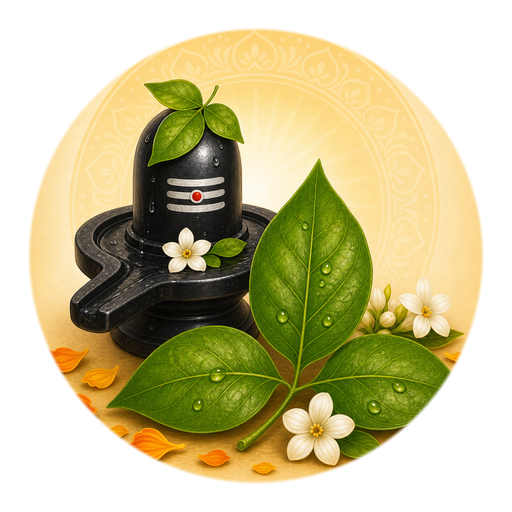 Belpatra
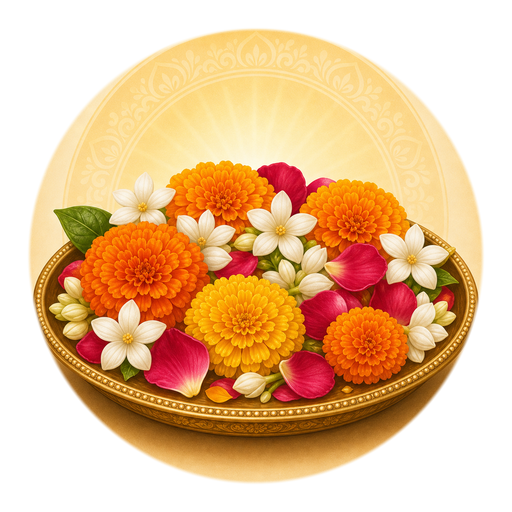 Flowers
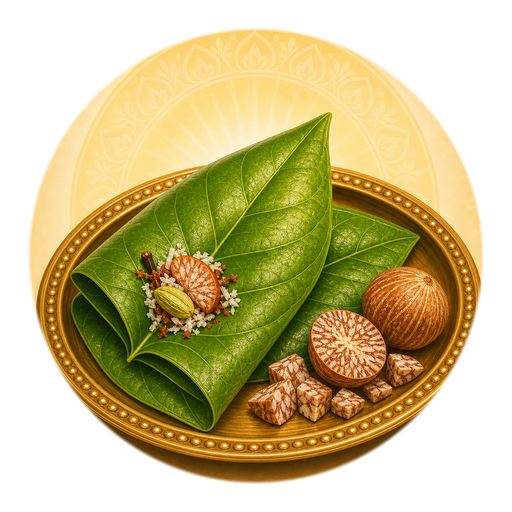 Supari (betel nut)
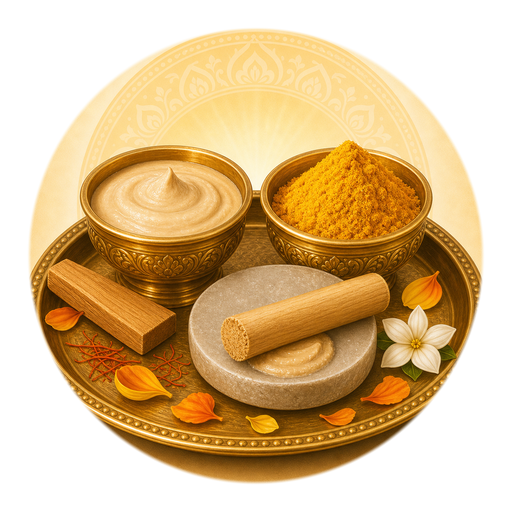 Gandh (sandalwood paste)
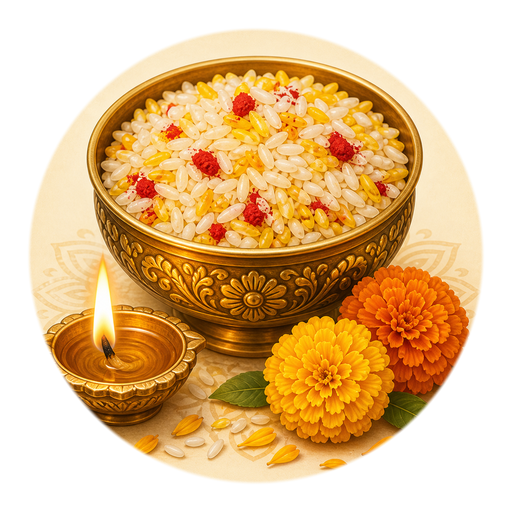 Akshata
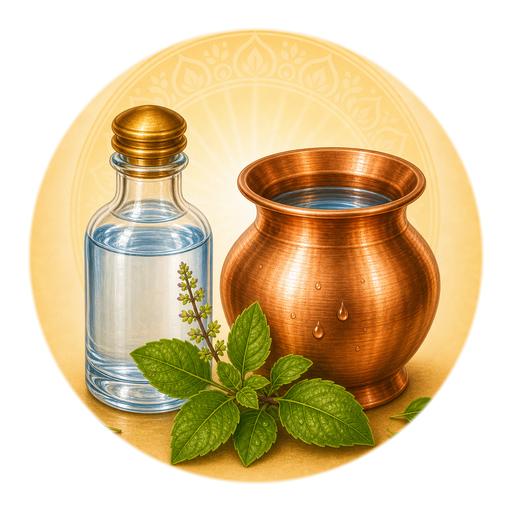 Gangajal (for abhishek)
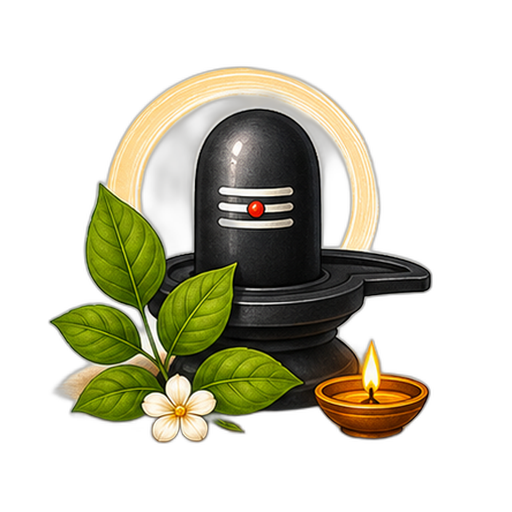 Shivling / pindi
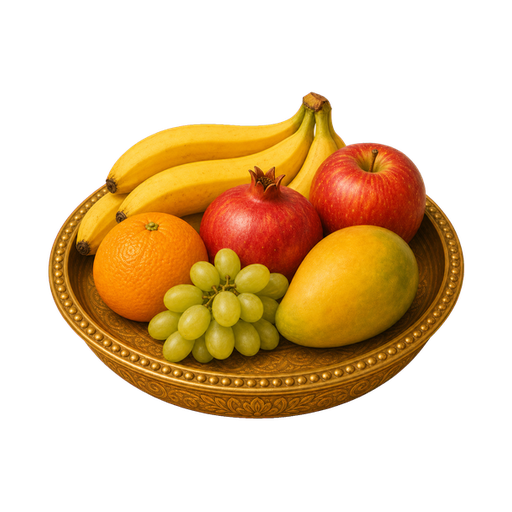 Phalahar fruit
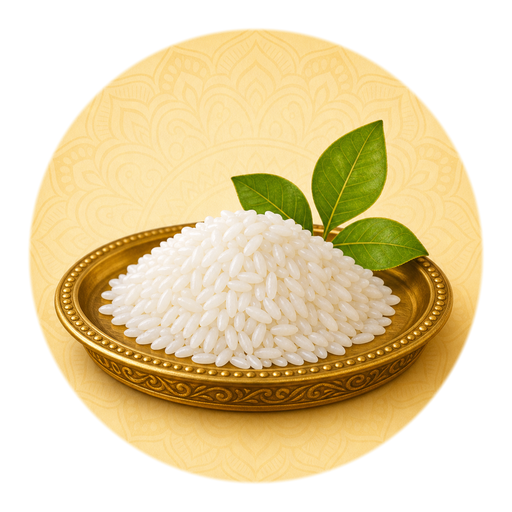 Shivamuth — rice (1st Monday)
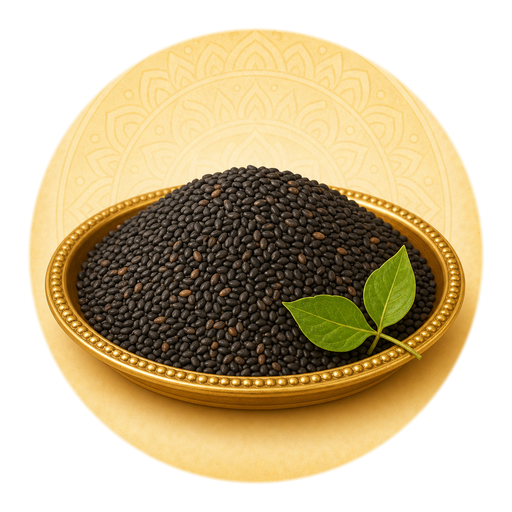 Shivamuth — sesame (2nd Monday)
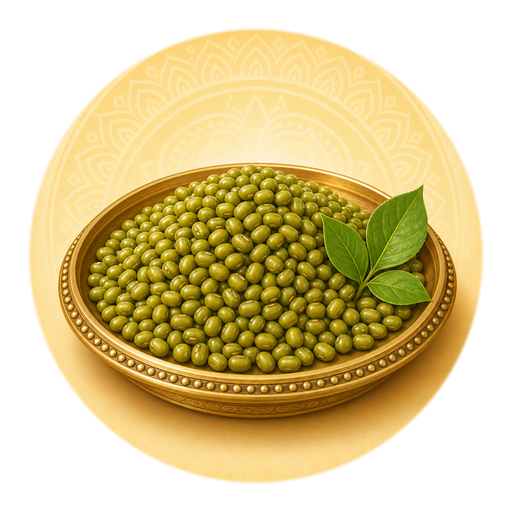 Shivamuth — moong (3rd Monday)
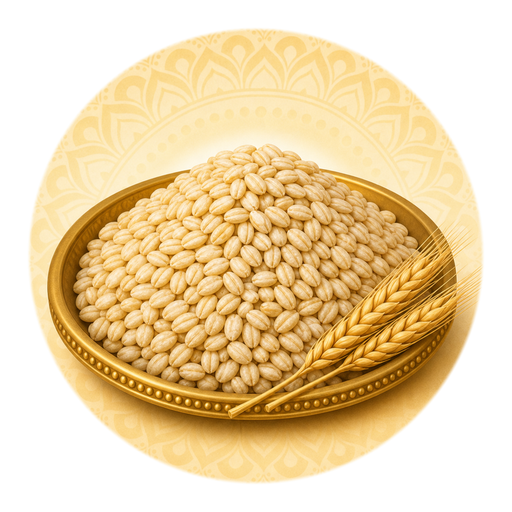 Shivamuth — javas / jav (4th Monday)
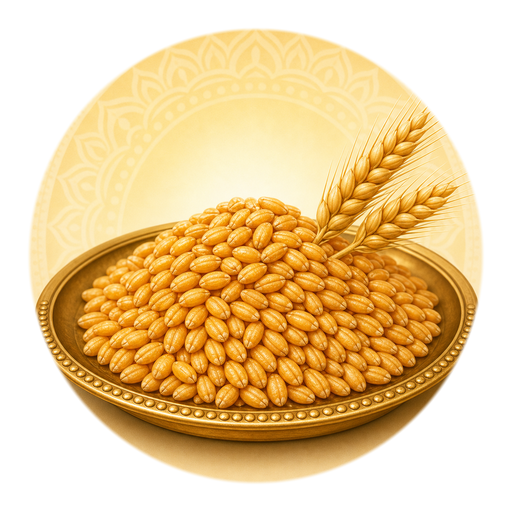 Shivamuth — wheat (some lists, 4th Monday)
Fasting & food (upvas)
- Ekbhukt — a fast or phalahar through the day and a single meal in the evening (or after the puja); this is the common practice.
- Some keep a nirjal (waterless) or strict fast, others take phalahar — how strict the fast is varies by tradition. Take relief as your health requires.
- In some places the meal is taken only after the shivamuth has been offered.
(These food rules are general — take them as your own comfort and health allow, not as a universal rule.)
Mantra & aarti
Jap-mantra: “Om Namah Shivaya” — the short five-syllable (panchakshari) salutation to Shiv, chanted in the namasmaran on Shravan Mondays.
Folk prayer (while offering the shivamuth) — opening line: “Shiva Shiva Mahadeva, mazhi shivamuth Ishwara Deva…” It is a plea to Mahadev — that in the home of one's in-laws and husband, “even if I am out of favour, make me cherished” — a prayer for love and acceptance in married life. (Only the recognisable opening line is given here.)
Shankar aarti — “Lavthavati Vikrala” (by Samarth Ramdas).
It is traditionally sung after the Shravan Monday puja. Its meaning: Shiv is fearsome yet innocent, camphor-fair (karpur-gaura), radiant beside Parvati, and the one who drank the poison of the churning to become Neelkanth.
Regional variations
- Shivamuth is the main Maharashtra-specific identity of this vrat — the practice is rarely found in the pan-India “Sawan Somvar”. In Maharashtra the Monday-by-Monday grain order is followed with care.
- The Shravan Mondays are part of Shravan's women's vrat cycle: Monday (shivamuth) · Tuesday (Mangalagaur) · Friday (Jivati) · Sunday (Aditya Ranubai).
- The grain order and the vidhi vary by household and region (especially the fourth grain — javas / jav / wheat).
Good to know
- Crowds / temple tip: Shiva temples draw large crowds on Shravan Mondays (especially the jyotirlingas — Trimbakeshwar, Bhimashankar, Grishneshwar, Aundha Nagnath). Plan darshan and abhishek early.
- Health: a strict or waterless fast does not suit everyone — people with diabetes, pregnant women and the elderly should take relief on medical advice and as needed.
- This year's coincidences: the four 2026 Mondays fall on Nag Panchami / Ekadashi / Sankashti (see the Dates section). These change every year.
FAQ
- What is Shravani Somvar?
- Every Monday of the Shravan masa — a day of vrat and upvas dedicated to Shiv (Mahadev), on which the Shivling is worshipped and the shivamuth is offered.
- How many Shravani Somvars are there in 2026?
- Four — 17 August, 24 August, 31 August and 7 September 2026 (Shravan runs 13 August to 11 September). Next year's dates follow that year's panchang.
- What is shivamuth, and which grain for which Monday?
- Offering one fistful of an appointed grain onto the Shivling each Monday. The usual order is: 1st tandul · 2nd til · 3rd mug · 4th javas · (5th satu, if a fifth Monday occurs). Sources differ on the fourth grain (jav / wheat).
- Who should observe the Shravani Somvar vrat?
- In many traditions, suvasini (married women) over the first five years after marriage; more broadly, any Shiva devotee. It varies by tradition.
- How is the puja done?
- Keep an ekbhukt fast, do the puja and abhishek of the Shivling, offer that Monday's grain (shivamuth) and pray; udyapan after five years.
- Why is Shravan dedicated to Shiva?
- Shiv drank the halahal poison of the Samudra Manthan and saved creation (Neelkanth); this event is linked with Shravan, so Shiva is worshipped through the month. (A traditional katha.)
- What should one eat during the fast?
- Usually ekbhukt or phalahar; how strict it is, and the foods, vary by tradition and health.