Mohini Ekadashi
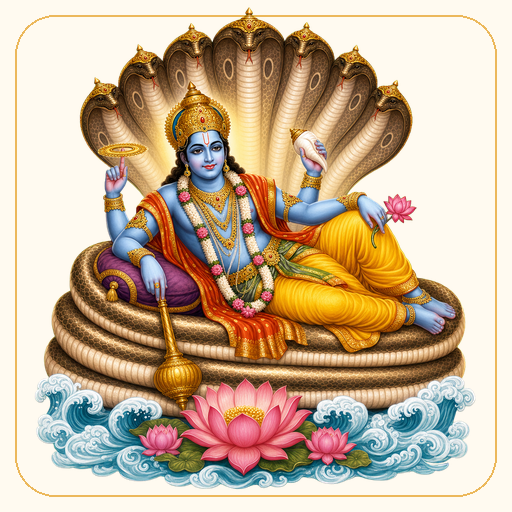
Mohini Ekadashi falls on Vaishakh Shukla Ekadashi — a fasting vrat dedicated to Vishnu; observing it is believed to atone for sin and free the mind of illusion. This year (2026): Monday, 27 April — with parana on Tuesday, 28 April. By tradition, Lord Ram himself is said to have observed this vrat in his grief over separation from Sita.
This year's dates (2026)
Significance
Ekadashi vrats are primarily about devotion to Vishnu, fasting, and chanting his names — Mohini Ekadashi fits this same mould, but carries its own glory and legend. By scriptural tradition, this tithi is held to "remove all sins"; observing the vrat is believed to free a person from moha (attachment/illusion) and sin — this is one explanation tied to its name.
The name — two traditions: two explanations circulate for the name "Mohini." One: during the Samudra Manthan (churning of the ocean), when gods and demons quarrelled over the nectar of immortality, Vishnu took the enchanting female form of Mohini and cleverly distributed the nectar to the gods (his only female avatar); some sources trace the Ekadashi's name to this. The other: the vrat is said to remove moha/maya (illusion/attachment), and the name is traced to that instead. Both traditions circulate, and neither is treated as final.
Fruits of the vrat (Puranic praise): by scriptural tradition, hearing or reciting this vrat is said to bring merit equal to donating a thousand cows, and to destroy sins as vast as Mount Meru. This should be read as glory recounted with devotion, not as a factual figure.
The legend
Lord Krishna narrates this legend to Yudhishthira (in some versions, to Arjuna); and within it, he says the same story was once told by the sage Vasishtha to Lord Ram — who observed this vrat to free himself from grief over his separation from Sita.
On the banks of the Saraswati river stood the city of Bhadravati, ruled by King Dyutiman. In the city lived a devout, charitable Vaishya (merchant) named Dhanpal — he had five sons. One of his sons turned to vice — gambling, drink, meat, and bad company squandered his father's wealth. His father cast him out; further crimes and theft led the king's guards to punish and banish him from the kingdom too. Destitute, he took to hunting in the forest, living a debased life.
Wandering in the month of Vaishakh, he reached the hermitage of the sage Kaundinya; a few drops of water from the sage's wet clothes — fresh from a bath in the Ganga — fell on him unknowingly, and his mind was illuminated. Moved by compassion, the sage told him to observe the Mohini Ekadashi vrat — "even the gravest sins are destroyed by this vrat." He observed it properly; through the vrat's power, all his sins were destroyed, and upon leaving his body, he ascended to Vishnu's abode (Vaikuntha) on Garuda.
The sinful son's position in the family varies by version — some versions make him the eldest, while one version makes him the youngest, named "Dhrishtabuddhi" (with four virtuous brothers — Sumana, Sadbuddhi, Medhavi, Sukriti). The Puranic reference also varies by source — the Kurma Purana, the Surya Purana, and the Mahabharata are all cited; none is treated as final.
Who observes it
Any devotee of Vishnu, regardless of gender, can observe this Ekadashi vrat. The legend's moral is that even the most sinful or wayward person can be redeemed through this vrat and good company — so it's recommended even for those observing it out of repentance. By tradition, those who can't manage a full fast may instead take a fruit-based diet or a single meal, remember Vishnu, and observe the day that way.
Puja vidhi
The sequence below is a general guide — not a fixed, single-correct ritual; it can vary by family and local custom.
- A single sattvic meal the day before (Dashami); on Ekadashi, bathe before sunrise, meditate on Vishnu, and take the vow to fast.
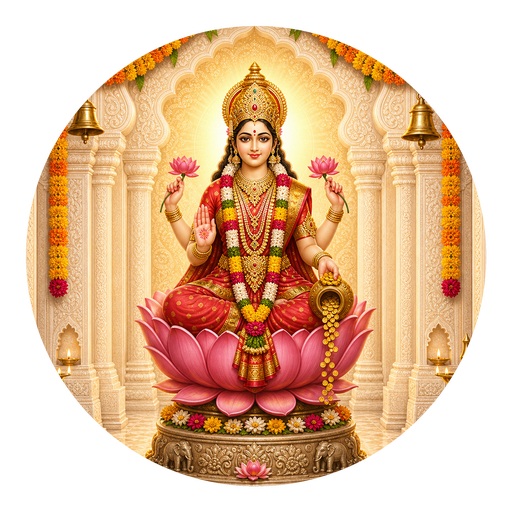
- Install a kalash and perform a full sixteen-step (shodashopachar) puja of an image or murti of Vishnu (ideally Lakshmi-Narayan) — sandalwood paste, akshata, flowers.
- Offer incense, a lamp, and aarti; present naivedya/fruit prasad with tulsi leaves to Vishnu.
- Chant Vishnu's names through the day and hear the Ekadashi legend; keep a vigil at night, with bhajans and kirtan.
- Give charity to Brahmins or those in need, by tradition.
- The next day, on Dwadashi (2026: Tuesday, 28 April), break the fast at the proper time.
Puja samagri
An image or murti of Vishnu/Lakshmi-Narayan, a kalash/copper pot, sandalwood paste-akshata-haldi-kumkum, flowers, tulsi leaves, incense and a lamp, naivedya/fruit, panchamrit, and materials for charity.
Fasting / dietary rules
Avoiding rice and grains is the main rule on Ekadashi; many also avoid lentils, pulses, and onion-garlic. A fruit-based diet (fruit, milk, dried fruit) is acceptable; some observe the stricter waterless fast instead — this is optional. A single sattvic meal is eaten the night before (Dashami), with celibacy observed; a vigil is kept on Ekadashi. Parana should be done on Dwadashi, at the proper time — the exact time varies by the local panchang.
Mantra / aarti
The common Vishnu chant: "Om Namo Bhagavate Vasudevaya" (the twelve-syllable Vishnu mantra). Which Vishnu aarti or Ekadashi stotra is sung varies by family and tradition.
Regional customs
This is a pan-India Vishnu Ekadashi — no distinct Maharashtra-specific Mohini Ekadashi tradition has been found in sources. In Maharashtra's Warkari tradition, the primary Ekadashis are Ashadhi and Kartiki; Mohini is observed as a general Vishnu Ekadashi. Within this same Vaishakh Shukla paksha, Akshaya Tritiya (19 April) falls first; Mohini Ekadashi follows 8 days later.
This year's date
| Date (2026) | Day | Tithi | Nakshatra | Note |
|---|---|---|---|---|
| 27 April | Monday | Vaishakh Shukla Ekadashi | Purva Falguni | Mohini Ekadashi; parana on 28 April (Dwadashi) |
Future years: the tithi stays the same (Vaishakh Shukla Ekadashi); the Gregorian date follows that year's panchang.
Good to know
- Avoid confusing it — Mohini Ekadashi (Vaishakh Shukla) is not Varuthini Ekadashi (Vaishakh Krishna, before it) or Nirjala Ekadashi (Jyeshtha Shukla, after it).
- "Mohini avatar" and "removing illusion" — both name-origin traditions circulate; neither is treated as final.
- Tithi timing — the exact time for starting the fast or breaking it varies by panchang and location; check the local panchang.
- A waterless or strict fast isn't suited to everyone — those with diabetes, who are pregnant, or elderly should take the fruit-based option or consult a doctor.
FAQ
- When is Mohini Ekadashi in 2026?
- Monday, 27 April 2026 (Vaishakh Shukla Ekadashi). Parana on Tuesday, 28 April (Dwadashi).
- Why is it called Mohini Ekadashi?
- Two traditions circulate — from Vishnu's Mohini avatar (during the Samudra Manthan), or because the vrat removes moha/maya (illusion); neither is treated as final.
- How is the Mohini Ekadashi vrat observed? What should be eaten during the fast?
- Vishnu worship, chanting his names, a night vigil; avoid rice and grains, a fruit-based diet is fine, a waterless fast is optional; parana on Dwadashi.
- What is the legend of Mohini Ekadashi?
- A wayward son of the merchant Dhanpal of Bhadravati was freed of his sins by observing this vrat, on the sage Kaundinya's advice, and ascended to Vaikuntha.
- Did Lord Ram observe Mohini Ekadashi?
- By tradition, yes — on the sage Vasishtha's advice, Ram is said to have observed this vrat in his grief over separation from Sita.
- When should Mohini Ekadashi's parana be done?
- The next day, on Dwadashi (2026: 28 April), at the proper time; the exact time varies by the local panchang.