Nana Shankarshet Punyadin
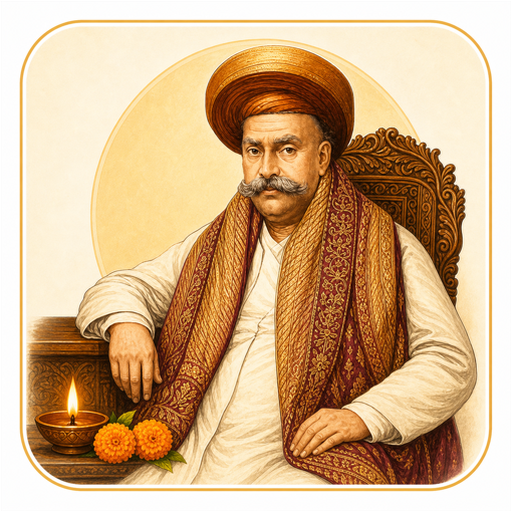
Nana Shankarshet Punyadin is observed every year on 31 July — the death anniversary of Jagannath Shankarshet Murkute (10 February 1803 – 31 July 1865). He is called "Mumbai's Maker" for his contributions to education, health, civic infrastructure, and the railways. In 2026, the day falls on a Friday; the date is fixed every year.
This year's dates (2026)
He played a key role in founding Grant Medical College (1845), Mumbai's first girls' school (1849), the Bombay Native Education Society, and the University of Bombay (1857, today's University of Mumbai). Because he was one of two Indian members on the first managing board of the Great Indian Peninsula Railway (GIPR), he is also called the "Father of Indian Railways."
Significance
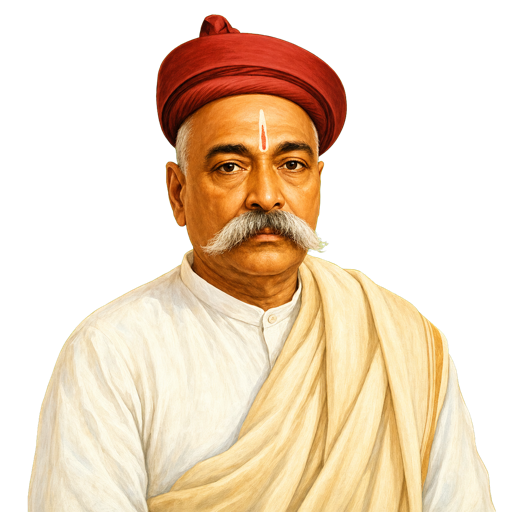
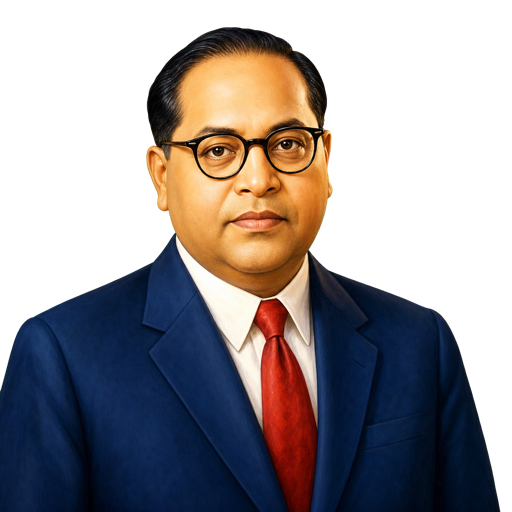
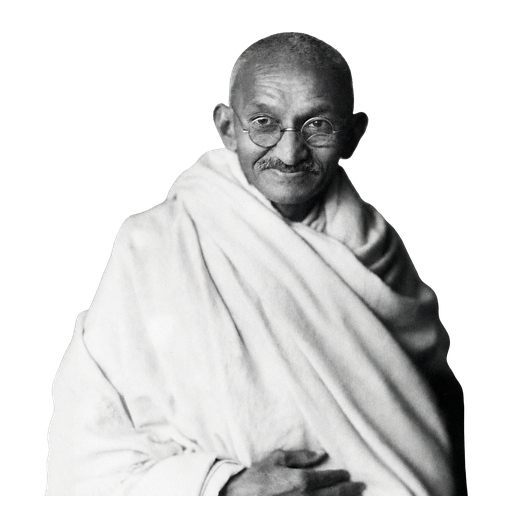
Nana Shankarshet was a leading figure in the shaping of 19th-century Mumbai — he contributed to Western education, modern medicine, civic infrastructure, and transport (the railways) all at once, which was rare among Indians of that era. He also supported social reform — backing the law against sati and advocating for women's education. He is not as widely known outside Maharashtra, but within the state, and especially in Mumbai, his contribution is considered foundational — a leading Mumbai figure of the generation before Lokmanya Tilak and Mahatma Gandhi.
History & legacy
Birth and family background
Jagannath Shankarshet Murkute was born on 10 February 1803 in Murbad (Thane district) into a merchant family; his father had settled in Mumbai for business.
Contribution to education
He was involved in founding the Bombay Native Education Society (western India's first education institution), was a trustee of Elphinstone College, and helped set up a Sanskrit school and library in Girgaon. In 1849, he started Mumbai's first girls' school at his own residence. In 1845, after Sir Robert Grant's death, he helped found Grant Medical College, arranging for English medical education — including instruction in Marathi. He was also involved in founding the University of Bombay in 1857 (today's University of Mumbai, one of India's first three universities) and served on its first board.
Contribution to the railways
Around 1843, he proposed the idea of building a railway line in Mumbai, and along with Sir Jamsetjee Jejeebhoy, put the plan before British officials. He was one of two Indian members on the first managing board of the Great Indian Peninsula Railway (GIPR), India's first passenger railway.
Social and civic contribution
He headed the Agri-Horticultural Society of Western India and the Geographical Society; in 1852 he took the lead in founding the Bombay Association, Mumbai's first political organisation. He is also recorded as having supported the law against sati and advocated for women's education.
Many stories circulate about his generosity and land donations in Mumbai.
Mumbai legacy
The Girgaon–Grant Road area known as "Nana Chowk" is named after him. The Maharashtra government has approved a proposal to rename Mumbai Central railway station as "Nana Jagannath Shankarshet Station," which has been sent to the Railway Ministry for final approval — meaning this renaming is currently at the proposal stage, not yet a completed change.
Public holiday status
This date is not a public holiday in Maharashtra.
Good to know
- This is a Mumbai-specific topic — an important name in the shaping of Mumbai, though not as widely known across all of Maharashtra.
- The status of the Mumbai Central station renaming (proposed vs. final) can change — check current news for the latest status.
- His birth anniversary (10 February) and death anniversary (31 July) are two different dates — worth keeping distinct.
FAQ
- Who was Nana Shankarshet?
- A 19th-century Mumbai social reformer, education advocate, and generous merchant — Jagannath Shankarshet Murkute (1803–1865) — known as "Mumbai's Maker."
- Which education institutions did Nana Shankarshet found?
- He played a key role in founding Grant Medical College, Mumbai's first girls' school, the Bombay Native Education Society, and the University of Bombay (today's University of Mumbai).
- Why is Nana Shankarshet called "Mumbai's Maker"?
- His contributions to education, health, civic infrastructure, and the railways are considered foundational to Mumbai's modern development.
- What is Nana Shankarshet's connection to Indian Railways?
- He was one of two Indian members on the first managing board of the Great Indian Peninsula Railway, India's first passenger railway — which is why he is also called the "Father of Indian Railways."
- Is there a public holiday on Nana Shankarshet Punyadin?
- No — this date is not on Maharashtra government's public holiday list.