Mahatma Gandhi Jayanti
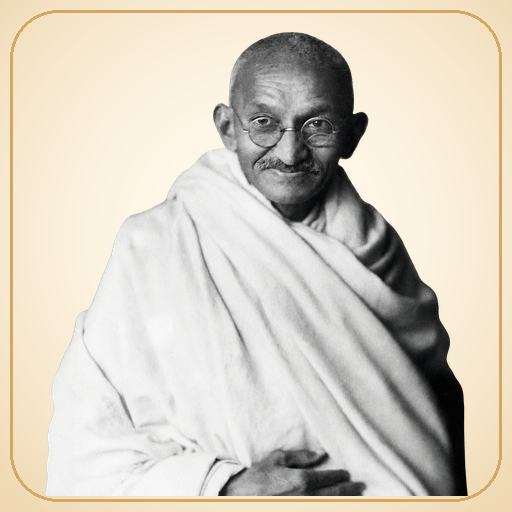
Mahatma Gandhi Jayanti is observed every year on 2 October — the birthday of Mahatma Gandhi, the Father of the Nation (born 2 October 1869, in Porbandar, Gujarat). It is one of India's three "national holidays," and the United Nations has also declared 2 October the International Day of Non-Violence worldwide, in honour of Gandhi's philosophy of non-violence. In 2026, the day falls on a Friday.
This year's dates (2026)
Gandhi has a direct, deep connection with Maharashtra — from 1936 until his death in 1948, his home was the Sevagram Ashram near Wardha. The date is fixed every year, independent of the panchang's tithi or nakshatra.
History & significance
Mohandas Karamchand Gandhi (1869–1948) led India's freedom struggle through the path of non-violence and satyagraha — the Salt Satyagraha (the Dandi March), the Non-Cooperation Movement, and the Quit India Movement are among his best-known campaigns. He is addressed as the "Father of the Nation." His philosophy of non-violence had such wide influence that the United Nations recognised his own birthday as the global Day of Non-Violence — a sign of the day's significance well beyond India.
Mohandas Karamchand Gandhi was born on 2 October 1869 in Porbandar, Gujarat. The UN General Assembly passed a resolution on 15 June 2007 declaring 2 October the International Day of Non-Violence — the aim was to spread the message of non-violence through education and public awareness, and the resolution had co-sponsorship from 140 countries.
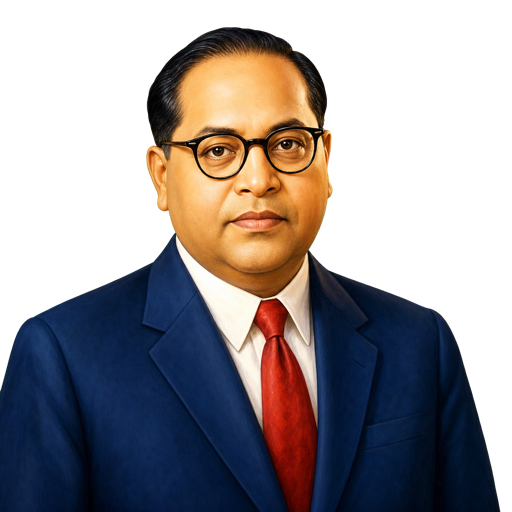
Gandhi's contemporary Dr. Babasaheb Ambedkar also made a major contribution to shaping independent India — particularly in drafting its Constitution; both are counted among independent India's architects, though their views and positions differed on several social questions.
National holiday status
Republic Day, Independence Day, and Gandhi Jayanti are the only three "national holidays" in India — on these three days, every establishment (government, private, banks, schools) is required to stay closed.
Maharashtra connection — Sevagram Ashram
Gandhi has a deep connection with the Sevagram Ashram in Maharashtra. In April 1936, Gandhi renamed the village of Shegaon, near Wardha, as "Sevagram" (village of service) and set up his home there — and it remained his primary residence until his death in 1948. Sevagram Ashram is regarded as second in importance only to the Sabarmati Ashram, since many important national decisions in Gandhi's life and the freedom struggle were taken there. Even today, Sevagram Ashram is a pilgrimage-like site, where commemorative programmes are held on days such as Gandhi Jayanti.
Another direct, independently-corroborated historical connection between Gandhi and Maharashtra is the Quit India Movement, covered in more detail on the Independence Day page — Gandhi launched it on 8 August 1942 at Gowalia Tank Maidan in Mumbai (today's August Kranti Maidan).
How it is marked
Across the country, prayer meetings and tribute programmes are held in schools, offices, and public places. Gandhi's statues are garlanded with flowers, and his favourite hymn, "Raghupati Raghava Raja Ram," is sung. Many people join cleanliness drives on this day.
Sevagram Ashram (Wardha) and the Quit India Movement in Mumbai are two direct historical threads connecting Gandhi to Maharashtra.
Good to know
- Gandhi Jayanti (2 October, birthday) and Gandhi's death anniversary ("Martyrs' Day," 30 January) are two different dates — worth keeping distinct.
- Sevagram Ashram (Wardha, Maharashtra) and Sabarmati Ashram (Ahmedabad, Gujarat) are two separate Gandhi residences from two different periods of his life — don't mix them up.
- Banks, schools, and most government and private offices stay closed on this day — plan any errands accordingly.
FAQ
- Why is Gandhi Jayanti celebrated?
- It marks the birthday of Mahatma Gandhi, the Father of the Nation (born 2 October 1869) — in memory of his non-violent leadership of India's freedom struggle.
- When and where was Mahatma Gandhi born?
- On 2 October 1869, in Porbandar, Gujarat.
- Why is Gandhi Jayanti also called the International Day of Non-Violence?
- The UN General Assembly passed a resolution on 15 June 2007 declaring 2 October the International Day of Non-Violence, in global honour of Gandhi's philosophy of non-violence.
- Is there a national holiday on Gandhi Jayanti?
- Yes — Gandhi Jayanti, Republic Day, and Independence Day are the only three days in India when every establishment is required to stay closed.
- What is Mahatma Gandhi's connection with Maharashtra?
- Gandhi lived at the Sevagram Ashram near Wardha from 1936 until his death in 1948 — many important decisions of his life were taken there. The Quit India Movement of 1942 also began in Mumbai.