Prabodhini (Kartiki) Ekadashi
Prabodhini Ekadashi falls on Kartik Shukla Ekadashi — also known as Kartiki Ekadashi, and as Dev Uthani/Devotthan/Hari Prabodhini Ekadashi. "Prabodhini" means "the awakener" — Vishnu is believed to wake from his yogic sleep on this day. In 2026, Prabodhini falls across two days (the Ekadashi tithi touches two days): the Smarta (householder) tradition — Friday, 20 November, and the Bhagavata/Vaishnav (Warkari) tradition — Saturday, 21 November. This same Kartiki Ekadashi brings a great pilgrimage to Pandharpur (the Kartiki Wari), and opens the Tulsi Vivah wedding season.
This year's dates (2026)
- Friday; Prabodhini Smarta Ekadashi (householder/Smarta tradition)20 Nov
- Saturday; Prabodhini Bhagavata Ekadashi (Warkari/Vaishnav tradition); Tulsi Vivah begins, and the Kartiki pilgrimage (Pandharpur)21 Nov
Significance
Dev Uthani — the day the Lord wakes up: by tradition, Vishnu, who went into yogic sleep reclining on Sheshanaga in the Kshirasagar on Ashadhi Ekadashi, wakes on Kartik Shukla Ekadashi. The roughly four-month period from Ashadhi to Kartiki is Chaturmas (spiritual discipline, vrats, restraint); it ends on this day. This is the bookend pair of Ashadhi (Devshayani) Ekadashi — Ashadhi marks Chaturmas's beginning, Prabodhini its end.
The fruits of the vrat (mahatmya): by the original mahatmya, Prabodhini is "the destroyer of sin" — a single fast is said to bring the merit of a thousand Ashwamedha and a hundred Rajasuya yajnas; a night vigil and hearing the legend are believed to destroy sins from past births and liberate the observer's ancestors (an alternate name is Haribodhini). These claims of merit are matters of traditional belief, not a firm guarantee.
The start of auspicious ceremonies: auspicious events like weddings, naming ceremonies, and housewarmings — traditionally avoided during Chaturmas — are believed to resume from Prabodhini onward, according to family and community custom, not as a universal rule.
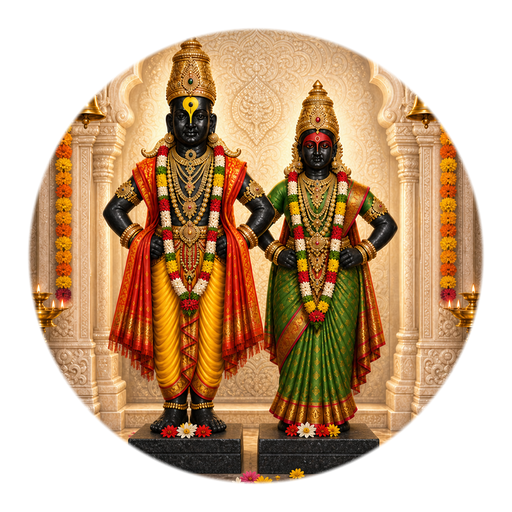
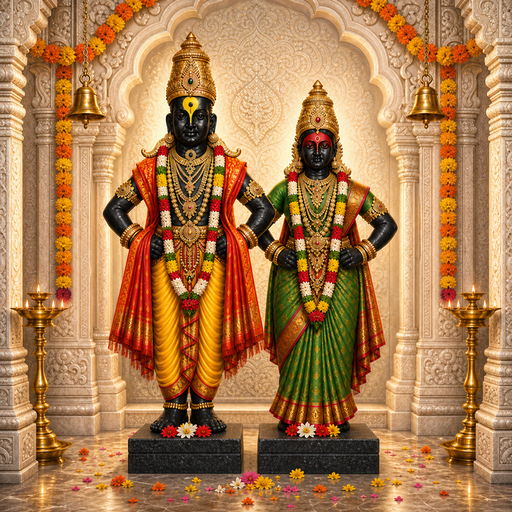
A Warkari centrepiece (Maharashtra-specific): this Ekadashi is linked to Vitthal of Pandharpur — the Kartiki Wari, the second-largest pilgrimage after the Ashadhi Wari.
The legend
Prabodhini Ekadashi's own mahatmya isn't a king-or-demon story at all — it's a glory-dialogue between Brahma and Narada (framed as Krishna→Yudhishthira) about the vrat's fruits and rites.
Yudhishthira asks Krishna about the glory of Kartik Shukla Ekadashi; Krishna says, "I shall tell you what Brahma once told Narada." Narada asks: "Tell me the glory of 'Prabodhini' Ekadashi, the day on which Lord Govinda, who inspires righteous action, awakens." Brahma explains — Prabodhini's glory removes sin, increases merit, and grants liberation. A single fast brings the merit of a thousand Ashwamedha and a hundred Rajasuya yajnas; even Meru-mountain-sized sins are burned away by one fast. Keeping a night vigil, worshipping Sri Hari devotedly with fruit, camphor, aragaja, and kumkum, offering arghya, and — in Kartik especially — hearing the Vishnu legend/Bhagavata are all said to bring special merit; the observer's ancestors are liberated and ascend to Vishnu's supreme abode.
Two mix-ups to avoid: the same Kartik chapter also carries Rama Ekadashi's story of King Muchukunda's daughter Chandrabhaga and her husband Shobhan — that belongs to the Krishna-paksha Rama Ekadashi, not Prabodhini. Likewise, the Vrinda-Jalandhar legend belongs to Tulsi Vivah (covered on its own Tulsi Vivah page) — many sites confuse the two since the days fall right next to each other, but it doesn't apply to Prabodhini.
The narration frame appears on some sites as Krishna→Arjuna; the original mahatmya text gives Krishna→Yudhishthira, with Brahma→Narada nested within. Modern sources attribute it to the Padma or Skanda Purana; the original mahatmya text doesn't clearly name a specific Purana.
Who observes it
Devotees of Vishnu/Vitthal; many Warkari and Vaishnav families. The householder/Smarta tradition generally observes it on the first (Smarta) day, while the Warkari/Vaishnav (Bhagavata) tradition observes it on the second (Bhagavata) day. It's also noted that widows and those seeking liberation often observe it on the Vaishnav (second) day — this is a tradition-dependent variation, not a universal rule.
Why two days — Smarta vs. Bhagavata
When the Ekadashi tithi touches two days (a "viddha" Ekadashi): the Smarta tradition decides the day by the sunrise rule, while the Vaishnav/Bhagavata tradition decides it by the pre-dawn (arunodaya) rule — so the fasting day shifts by one. Householders generally fast on the first day, Warkaris on the second. Which day to fast on follows your family's or community's own tradition — both days are valid.
Puja vidhi
The sequence below is a general guide — not a fixed, single-correct ritual; it can vary by family and local custom.
- Bathe and take the vow in the morning; worship an image or murti of Vishnu (or Vitthal) at home.
- Offer sandalwood paste, akshata, flowers, tulsi leaves, incense and a lamp, and naivedya; hear the Vishnu legend/Bhagavata and sing bhajans and kirtan.
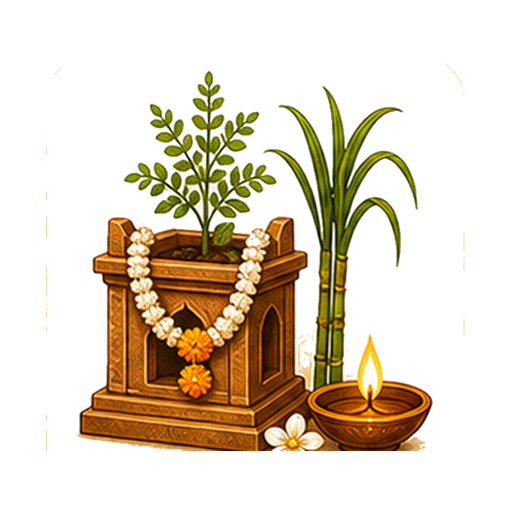
- The "Prabodhan" (awakening) rite: in many places, tulsi is offered to Vishnu while devotional songs/bhajans are sung, as a symbolic act of "waking" him from his yogic sleep; in some regions, people are also said to stay up at night making noise and lighting torches to wake the Lord — this isn't a universal practice.
- Fast through the day and chant his names; keep a vigil at night and offer arghya.
- Break the fast (parana) the next day, on Dwadashi, at the proper time — check the exact clock-time on that day's panchang (e.g. 21 November).
Puja samagri
An image or murti of Vishnu/Vitthal, sandalwood paste-haldi-kumkum-akshata, tulsi leaves and a tulsi garland, flowers/garlands, incense and a lamp, camphor/aragaja, an arghya vessel, fruit-based/sattvic naivedya, and the Vishnu legend/Bhagavata text.
Fasting / dietary rules
Fasting is central on Ekadashi — by tradition, waterless, purely fruit-based (fruit, milk, sabudana, rajgira, water-chestnut flour, potato), or a single meal. Avoiding rice/grains on Ekadashi is a widespread custom; some traditions observe a light, restrained diet on Dashami, with parana on Dwadashi. Those with diabetes, who are pregnant, or elderly/unwell should observe the fast only on medical advice.
Mantra / aarti
While "waking" the Lord on Prabodhini, a traditional awakening verse/mantra (of the "Uttishtha…" kind — a plea for the Lord to rise) and a Vishnu aarti are recited. Their full text isn't given here — only the meaning and opening line. The exact verse/aarti varies by tradition.
Regional customs (Maharashtra-specific — the main distinguishing feature)
The Kartiki Wari (Pandharpur): Maharashtra's signature form of this observance — believing Vitthal wakes from his yogic sleep on Kartiki Ekadashi, Warkaris travel to Pandharpur, bathe in the Chandrabhaga, take darshan of Vitthal, and keep continuous bhajan-kirtan; this is the second-largest pilgrimage after the Ashadhi Wari. The exact details of the 2026 pilgrimage events/palkhi should be checked with the temple committee.
The start of the Tulsi Vivah season: from Prabodhini, the Tulsi Vivah ceremonies (and the wedding season) begin; the fast belongs to Prabodhini — Tulsi Vivah itself carries no separate fast, as covered in detail on its own page.
Vitthal Navratra and Bhishma Panchak vrat: around Prabodhini, a separate Pandharpur-centred Vitthal Navratra festival and the Bhishma Panchak vrat (a five-day Vishnu vrat from Prabodhini to Kartik Purnima) are also observed — separate festivals/vrats, distinct from Prabodhini's own fast.
Good to know
- Which day to fast? Follow your family's/community's own tradition (Smarta 20 or Bhagavata 21). Both are valid; neither is presented here as the sole "correct" one.
- Parana time: the fast is broken on Dwadashi at the proper time; the exact time varies by year and location.
- Fasting and health: a waterless or extended fast isn't suited to everyone; those with diabetes, who are pregnant, or elderly/unwell should observe it only on medical advice.
- Kartiki Wari crowds: Pandharpur sees enormous crowds — follow health, water, and local administration guidance.
FAQ
- When is Prabodhini (Kartiki) Ekadashi in 2026?
- Smarta (householder): Friday, 20 November; Bhagavata (Warkari/Vaishnav): Saturday, 21 November (Kartik Shukla Ekadashi).
- Why is it called Dev Uthani/Devotthan?
- "Prabodhini" means "the awakener" — Vishnu, who went into yogic sleep on Ashadhi Ekadashi, is believed to wake on this very day — hence Dev Uthani/Devotthan.
- Why does it fall across two days (Smarta and Bhagavata)?
- Because the Ekadashi tithi touches two days — the Smarta tradition decides the day by the sunrise rule, the Vaishnav/Bhagavata tradition by the pre-dawn rule.
- What is the legend of Prabodhini Ekadashi?
- The original mahatmya (Brahma→Narada, framed as Krishna→Yudhishthira) is a dialogue on the vrat's fruits — a single fast brings merit equal to a thousand Ashwamedha and a hundred Rajasuya yajnas, removing sin and granting liberation. It isn't a separate king/demon story; Rama Ekadashi's royal legend and Tulsi Vivah's Vrinda-Jalandhar legend are different stories.
- What's the connection between Prabodhini Ekadashi and Tulsi Vivah?
- Once Chaturmas ends and Vishnu wakes, the Tulsi Vivah ceremonies and the wedding season begin from Prabodhini onward.
- Why does Chaturmas end on Prabodhini?
- The roughly four-month period of Vishnu's yogic sleep, from Ashadhi (Devshayani) Ekadashi to Kartiki (Prabodhini) Ekadashi, is Chaturmas; it ends on Prabodhini because Vishnu wakes on this day.
- What should be eaten or avoided during the fast?
- A fruit-based diet (fruit, milk, sabudana, rajgira, potato); avoiding rice/grains is a widespread custom.