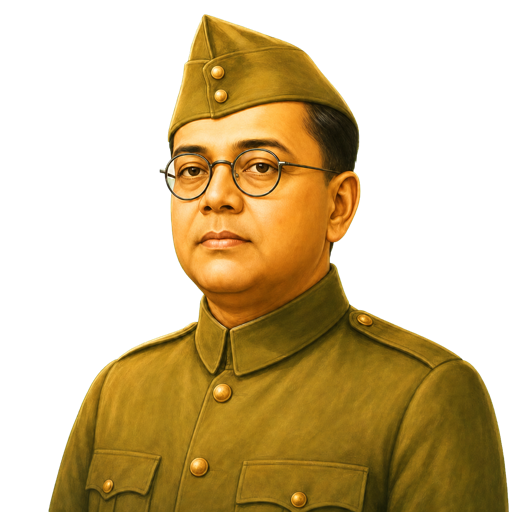
Swatantryaveer Savarkar Punyadin
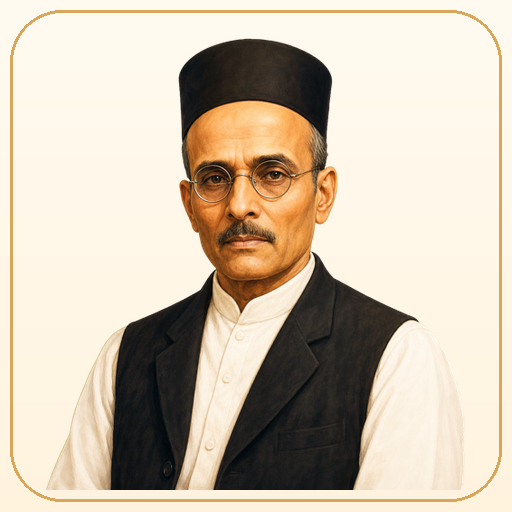
Swatantryaveer Savarkar Punyadin is observed every year on 26 February — the death anniversary of Vinayak Damodar Savarkar (died 26 February 1966, Mumbai; born 28 May 1883, Bhagur, Nashik district). He is known as an important historical figure associated with the revolutionary strand of India's freedom struggle. In 2026, the day falls on a Thursday.
This year's dates (2026)
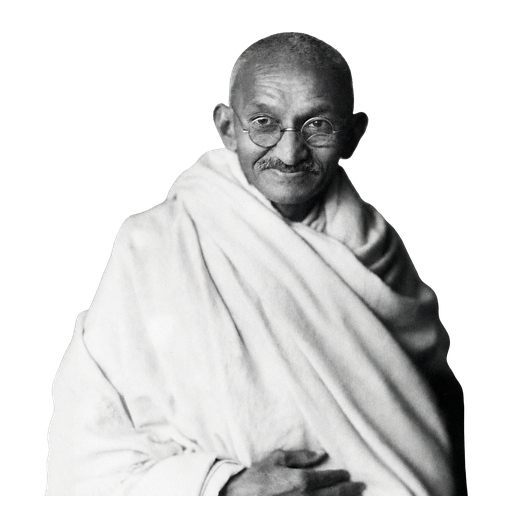
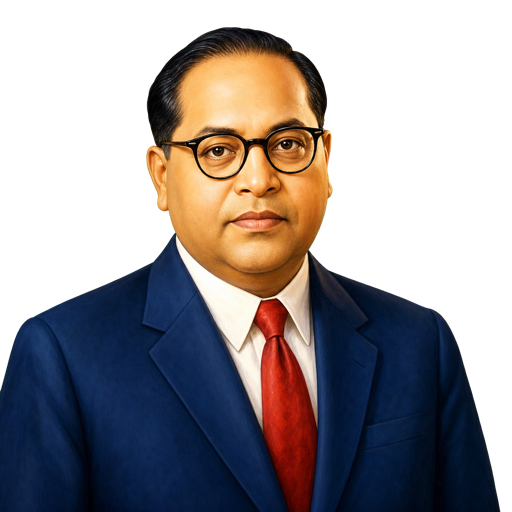
The date is fixed every year, independent of the panchang's tithi or nakshatra, and it is not a public holiday in Maharashtra. India's freedom struggle had leaders of different ideologies and paths, such as Mahatma Gandhi and Dr. Ambedkar; see their own pages for more.
Biography & background
Vinayak Damodar Savarkar was born on 28 May 1883 in Bhagur, Nashik district (then part of the Bombay Presidency). He and his brothers founded the secret organisation "Abhinav Bharat", and he was educated at Fergusson College, Pune.
He left for England on 9 June 1906 and lived at "India House" in London (1906-1909), where he came into contact with other freedom fighters. In 1907 he translated the autobiography of Italian revolutionary Giuseppe Mazzini into Marathi, and wrote "The Indian War of Independence 1857" — a book that was banned in India until 1946.
In 1910 he was arrested in connection with the killing of a British official (the Nashik conspiracy case); he was captured in France and extradited to India, where a court sentenced him to two life terms (a combined 50 years of transportation).
On 4 July 1911, he was sent to the Cellular Jail in the Andaman Islands — a national memorial site for the revolutionary freedom fighters who served the "kala pani" (transportation) sentence there. Savarkar and his brother were held there along with many other revolutionaries. He remained there until 1921. During this imprisonment, he wrote the book "Hindutva: Who Is a Hindu?" (1923).
In May 1921 he was moved from the Andamans to Ratnagiri jail; he was released on 6 January 1924, but was restricted to Ratnagiri district — these restrictions were fully lifted in 1937.
Savarkar began a prayopaveshan (a fast unto death, giving up food, water, and medicines) on 1 February 1966; he died at his residence in Mumbai on 26 February 1966.
Government status
Maharashtra's official list has no entry for Savarkar Punyadin (February) — only Savarkar Jayanti (his birthday, 28 May) is recorded. This date (26 February) is not a public holiday in Maharashtra — it also does not appear on the state's official list of public holidays.
How it is marked
Tributes are paid to Savarkar's memory across Maharashtra and India — garlands are offered to his statues and portraits, and memorial gatherings and lectures are held. Savarkar Wada in Bhagur, Nashik (his birthplace, restored in 2017) and the Cellular Jail in the Andamans are notable memorial sites.
Connection with Maharashtra
- Bhagur, Nashik district — his birthplace; Savarkar Wada, the memorial there, was restored in 2017.
- Ratnagiri — he was restricted to this district between 1921 and 1937.
- Mumbai — he passed away in this city.
Good to know
- Don't confuse Savarkar Punyadin (26 February, death) with Savarkar Jayanti (28 May, birth) — two separate days.
- This date is not a public holiday in Maharashtra — banks, schools, and government offices operate as usual.
FAQ
- When is Savarkar Punyadin observed?
- Every year on 26 February — the death anniversary of Vinayak Damodar Savarkar (died 26 February 1966).
- When and where was Vinayak Damodar Savarkar born?
- On 28 May 1883, in Bhagur, Nashik district, Maharashtra.
- Why was Savarkar held at the Cellular Jail in the Andamans?
- After his arrest over involvement in the killing of a British official in 1910 and a sentence of two life terms, he was held at the Cellular Jail in the Andamans from 4 July 1911 until 1921.
- Is there a public holiday on Savarkar Punyadin?
- No. Maharashtra's official list has no entry for Savarkar Punyadin (only Savarkar Jayanti, in May, is recorded), and this date also does not appear on the state's list of public holidays.
- What is Savarkar's connection with Maharashtra?
- He was born in Bhagur (Nashik district), was restricted to Ratnagiri district between 1921 and 1937, and passed away in Mumbai.