Kurma Jayanti
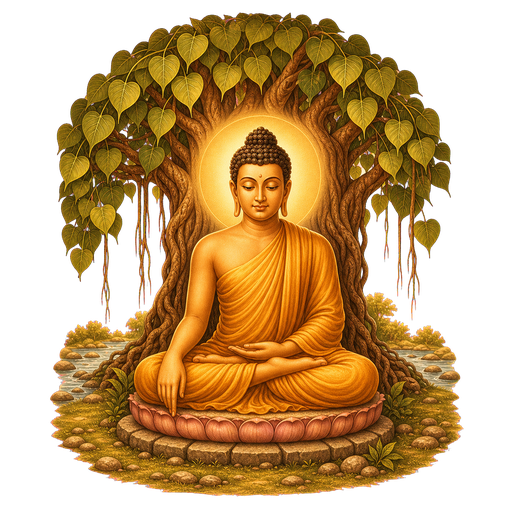
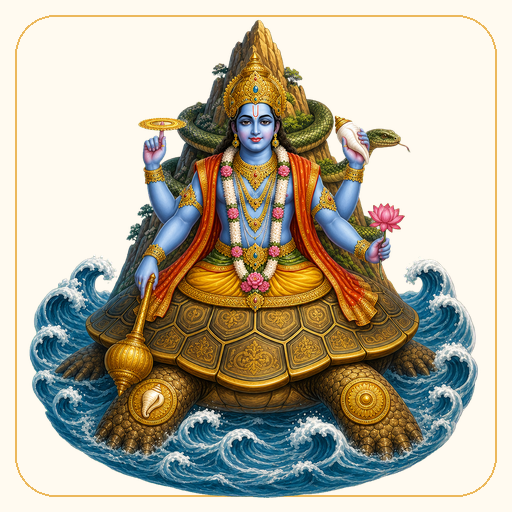
Kurma Jayanti marks the anniversary of Lord Vishnu's Kurma (tortoise) avatar — Vishnu's second avatar (after Matsya, before Varaha). This Jayanti falls on Vaishakh Shukla Purnima; in 2026, it falls on Friday, 1 May. Buddha Purnima and the end of Vaishakh Snan fall on the same day too. During the Samudra Manthan, as Mount Mandara began to sink, Vishnu took the form of a tortoise and supported it on his back — helping the gods and demons obtain amrit. This is the central event of this avatar.
This year's dates (2026)
Significance
Kurma is the second of Vishnu's ten avatars. Vishnu is believed to take avatars from time to time to destroy evil and protect creation — this avatar belongs to that series.
The Samudra Manthan is this avatar's central event — while the gods and demons churned the ocean for amrit, Mount Mandara served as the churning rod and the serpent Vasuki as the rope; as the mountain began to sink, Vishnu took the form of a tortoise and supported it on his back.
Kurma is regarded as the divine support that bears the entire weight of a crisis while staying unseen — a symbol of stability, restraint, perseverance, and a firm foundation. Kurma's connection to Akupara, the "world-turtle" bearing the earth on its back, appears across several Puranas (Matsya, Padma, Brahma Vaivarta) — a well-established mythological concept.
Maharashtra has almost no distinct, independent folk custom for Kurma Jayanti — it is a minor panchang entry. Buddha Purnima, the end of Vaishakh Snan, and Maharashtra Din, which fall the same day, are far more prominent.
The legend — Samudra Manthan
Some versions hold that the gods had grown weak and lost their splendour due to Sage Durvasa's curse; to obtain amrit, the gods and demons decided to churn the ocean. Mount Mandara served as the churning rod and the serpent Vasuki as the churning rope — the gods stood on one side, the demons on the other. Since the mountain had no base, it began to sink into the ocean; Vishnu then took the Kurma (tortoise) avatar, went to the ocean floor, and supported the mountain on his back — allowing the churning to continue.
The churning produced many treasures and divine objects; the Halahal poison that emerged was consumed by Shiva; finally, Dhanvantari appeared bearing the pot of amrit (with Lakshmi, Kamadhenu, Airavata, and others appearing too, depending on the version).
The oldest version of this story appears in the Mahabharata's Adi Parva; in the Bhagavata Purana, Vishnu as "Ajita" saves Mandara; the Padma and Skanda Puranas each give independent accounts. The number and order of the treasures that emerged vary by version.
Who observes it
Vishnu devotees and those in the Vaishnava tradition observe this day as a Vishnu-avatar Jayanti. In Maharashtra, this is not a widespread festival — for most people, this day is better known as Buddha Purnima or Vaishakh Purnima.
Puja vidhi
A morning bath is taken, followed by clean (preferably yellow or white) clothing; the puja is performed facing east. A Vishnu or Kurma image, or a Shaligram, is installed, and a kalash (with mango leaves and a coconut), tulsi leaves, yellow flowers, and sandal paste are offered. A panchamrit abhishek and naivedya are offered; the mantra 'Om Namo Bhagavate Vasudevaya' or 'Om Namo Narayanaya' is chanted, along with the Vishnu Sahasranama; charity is also given.
These are mostly general Vishnu-vrat practices, not ancient rituals specific to Kurma; they can vary by household/local tradition. Kurma Jayanti has no separate, standardised udyapan ritual; the Kurma Dwadashi vrat has its own parana, which is a separate observance.
What you need
A Vishnu/Kurma image or Shaligram, a kalash (with mango leaves and coconut), tulsi leaves, yellow flowers (marigold/champak), sandalwood paste, panchamrit (milk-curd-ghee-honey-sugar), an incense-lamp, and naivedya (fruit/sweets) — an indicative list; regional variation is possible.
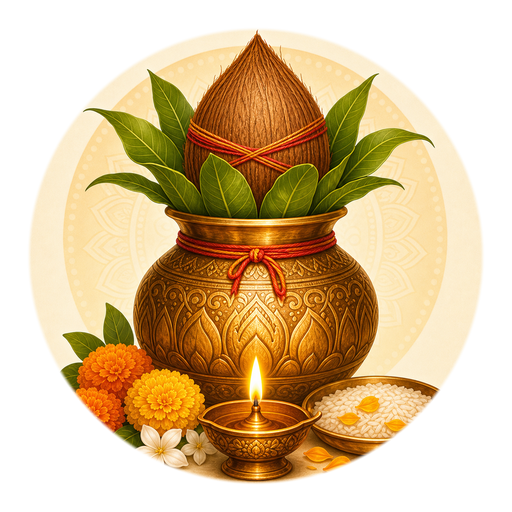 Kalash
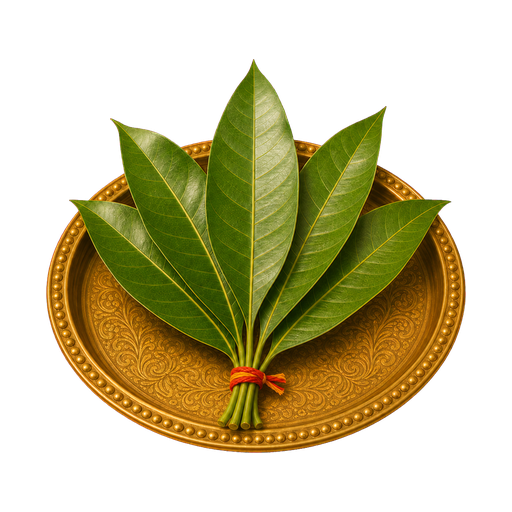 Mango leaves
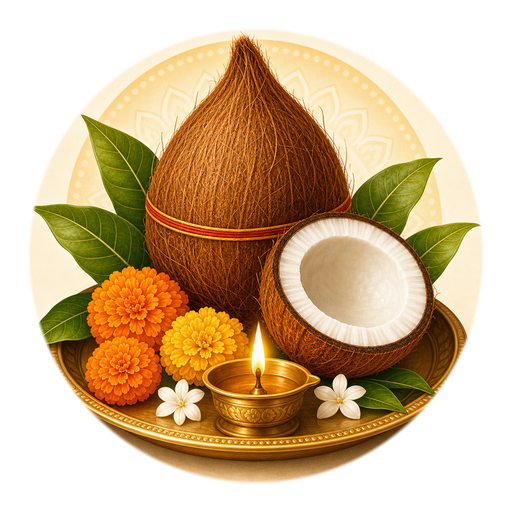 Coconut
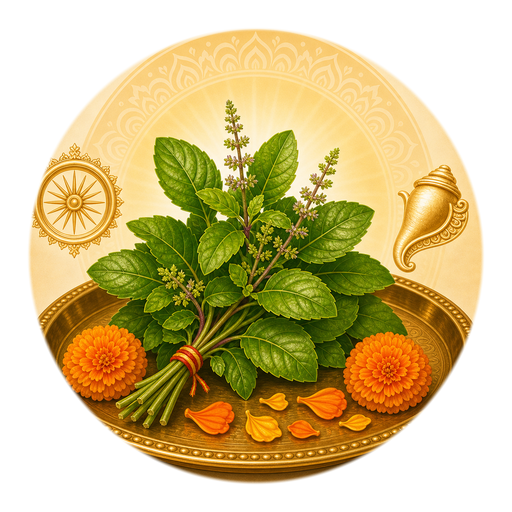 Tulsi leaves
 Yellow flowers
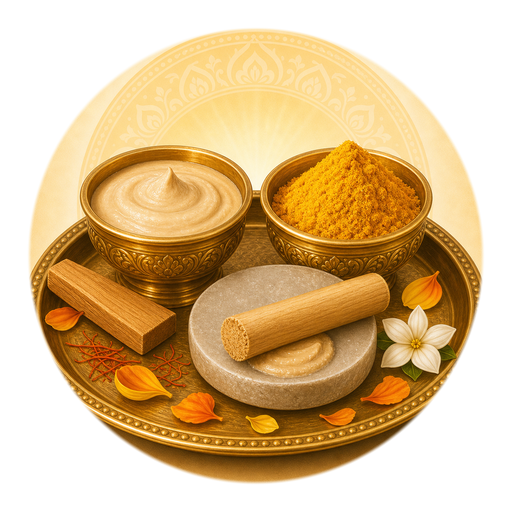 Sandalwood paste
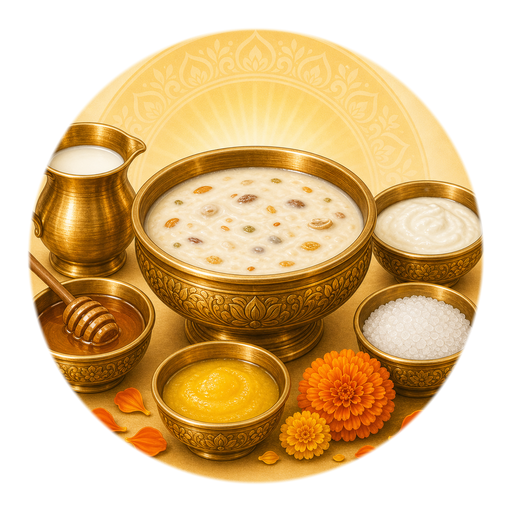 Panchamrit
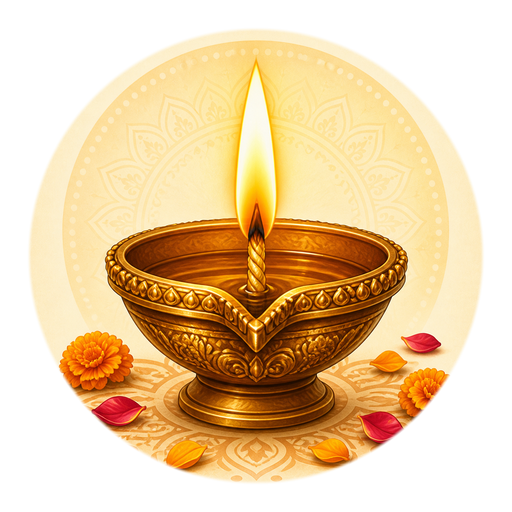 Lamp
Lamp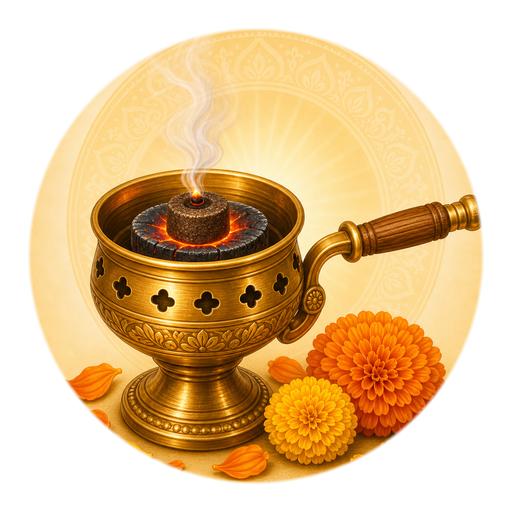 Incense
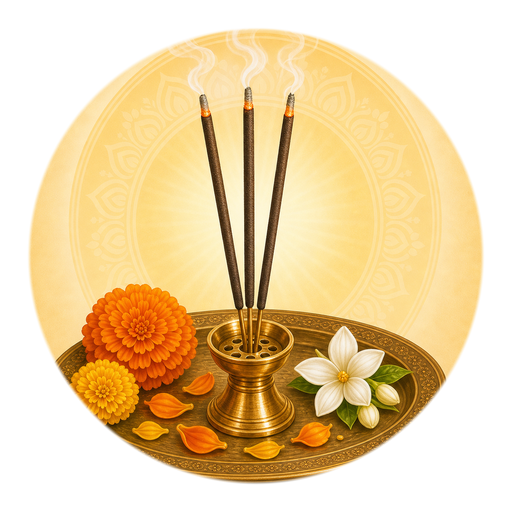 Agarbatti
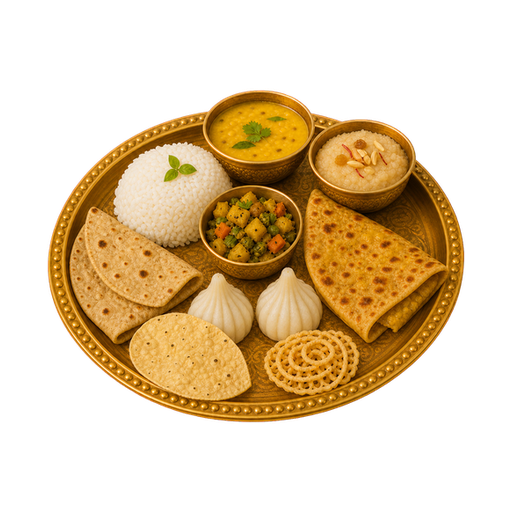 Naivedya (fruit/sweets)
Fasting
Those observing the vrat begin with a bath and keep a fast. A night vigil, along with Vishnu Sahasranama recitation, is considered auspicious. This is optional and varies by tradition — not mandatory for everyone.
Mantra & stotra
The commonly chanted mantras are 'Om Namo Bhagavate Vasudevaya,' 'Om Namo Narayanaya,' and the Kurma-specific 'Om Kurmaya Namah'; the Vishnu Sahasranama is also recited. These are ancient, widely used Vishnu mantras.
Regional customs
Maharashtra has almost no distinct custom for Kurma Jayanti — Buddha Purnima, the end of Vaishakh Snan, and Maharashtra Din, which fall the same day, are far more prominent.
Kurma avatar's principal seat is Srikurmam (Srikakulam, Andhra Pradesh) — the only known Indian temple dedicated to the Kurma form before the 14th century, where a tortoise murti along with the human forms of Vishnu-Lakshmi (Kurmanathaswamy-Kurmanayaki) are worshipped. This lies outside Maharashtra.
In some places, Kurma Jayanti is considered auspicious for starting construction, laying a foundation, or a housewarming — since Kurma symbolises stability and support, this is an astrological/traditional belief that has no independent scholarly confirmation.
Dates / occurrences
A separate observance — "Kurma Dwadashi" — falls on Paush Shukla Dwadashi (December/January). Kurma Jayanti and Kurma Dwadashi are both dedicated to the same Kurma avatar, but are distinct tithis with distinct observances — the two should not be confused.
| Date | Day | Tithi | Nakshatra | Detail |
|---|---|---|---|---|
| 1 May | Friday | Vaishakh Shukla Purnima | Swati | Buddha Purnima, the end of Vaishakh Snan, and Maharashtra Din also fall the same day |
Only the 2026 tithi is available in the panchang — check the panchang for the relevant year for future dates.
Good to know
- Kurma Jayanti (Vaishakh Purnima) and Kurma Dwadashi (Paush Shukla Dwadashi, December/January) are two separate things — both dedicated to the same avatar, but on different days.
- This day coincides with Buddha Purnima — both can be remembered together.
- The construction/foundation-muhurat claim is a matter of belief only — it should not be taken as a universally auspicious muhurat.
- Since this falls in the summer season, those fasting or keeping a vigil should take care to stay hydrated in the heat.
FAQ
- When is Kurma Jayanti in 2026?
- Friday, 1 May 2026 (Vaishakh Shukla Purnima).
- Which avatar of Vishnu is Kurma?
- The second avatar (after Matsya, before Varaha).
- Why did Vishnu take the form of a tortoise?
- To support the sinking Mount Mandara on his back during the Samudra Manthan, so the churning for amrit could continue.
- Why do Kurma Jayanti and Buddha Purnima fall on the same day?
- Both fall on Vaishakh Shukla Purnima; in 2026, both fall on 1 May.
- What's the difference between Kurma Jayanti and Kurma Dwadashi?
- Jayanti falls on Vaishakh Purnima; Dwadashi falls on Paush Shukla Dwadashi (a separate observance).
- What should be done on Kurma Jayanti?
- Bathing, Vishnu/Kurma worship, chanting the Vishnu Sahasranama or 'Om Namo Bhagavate Vasudevaya,' and charity — by tradition, optional.