Republic Day
Republic Day is observed every year on 26 January — the date in 1950 when the Constitution of India came into force and India became a sovereign democratic republic. This is a different date from Independence Day — independence came on 15 August 1947, and the Constitution took effect roughly two and a half years later. In 2026, the day falls on a Monday.
This year's dates (2026)
The date is fixed every year — it does not depend on a tithi or nakshatra in the panchang, so it always falls on 26 January. The date itself was chosen deliberately: on the same day in 1930, the Indian National Congress had declared "Purna Swaraj" (complete self-rule), and the Constituent Assembly honoured that historic declaration by choosing 26 January 1950 to bring the Constitution into force.
History & significance
When the Constitution came into force on 26 January 1950, India's legal identity changed completely — from a Dominion under the British Crown to a sovereign, democratic republic with its own elected head of state (a President), not a king or Governor-General. The Constituent Assembly had already adopted the Constitution on 26 November 1949; it actually came into effect two months later, on 26 January.
This tradition traces back to the Lahore session of 19 December 1929, where the Indian National Congress passed the "Purna Swaraj" resolution (until then, Congress had only sought "Dominion status" — autonomy within the British Commonwealth). This was publicly declared on 26 January 1930, and Congress even called for the day to be observed as "Independence Day" at the time. When actual independence arrived on 15 August 1947, the 26 January date was left free — and once the Constitution was ready, that same date was deliberately chosen to honour the 1930 declaration.
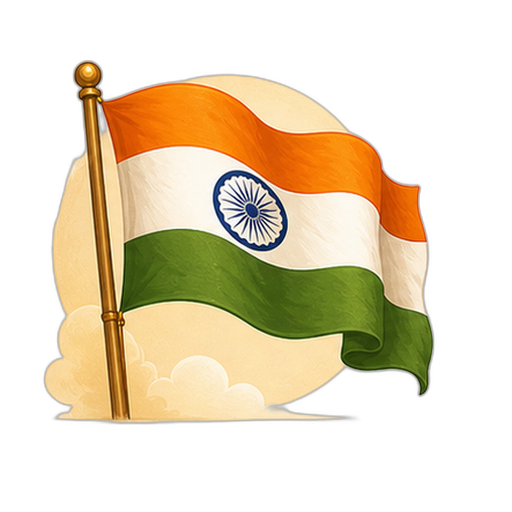
At the first Republic Day, the last Governor-General, C. Rajagopalachari, read out the declaration that India was now a sovereign democratic republic; Dr. Rajendra Prasad hoisted the national flag and a 21-gun salute was fired — the same ceremony also marked Dr. Prasad taking office as India's first President.
National holiday status
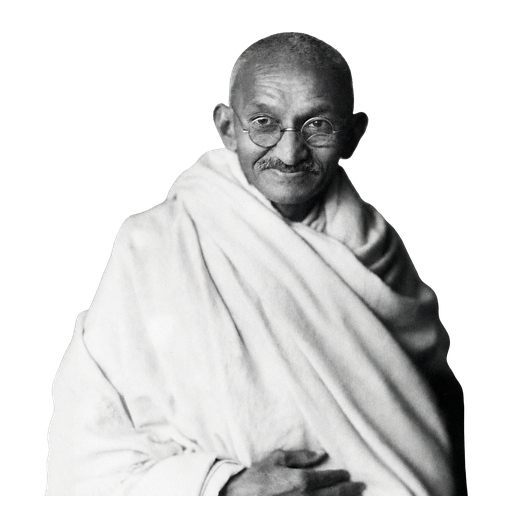
Republic Day, Independence Day, and Mahatma Gandhi Jayanti are the only three "national holidays" in India — on these three days, every establishment (government, private, banks, schools) is required to stay closed; most other festival holidays vary by state, but these three are observed uniformly across the country.
Constitution Day — a separate day
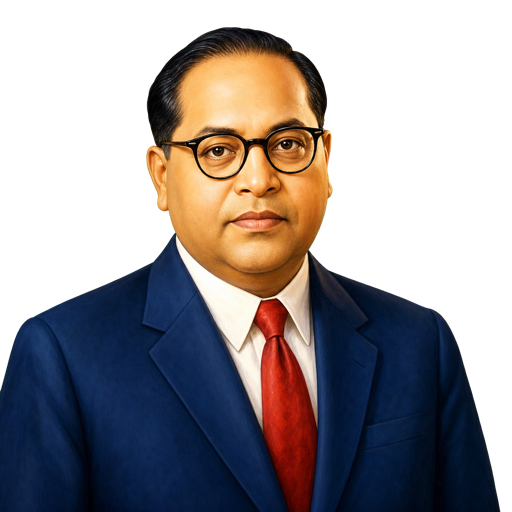
26 November is observed as Constitution Day since 2015 — that marks the day the Constitution was adopted (1949), while Republic Day marks the day it came into force (1950). These are two separate, distinct days and shouldn't be confused. As an interesting coincidence, the 2015 announcement of Constitution Day was made in Mumbai, at the foundation-stone ceremony of a memorial for Dr. Babasaheb Ambedkar, who himself chaired the Constitution's drafting committee.
How it is marked
A grand national parade is held in New Delhi on Kartavya Path (formerly Rajpath) — the President presides over the parade and takes the salute, with military contingents, cultural tableaux from states across India, and performances by schoolchildren. Since 1950, a tradition has continued of inviting a foreign head of state or government as the "Chief Guest" each year — the first ceremony's chief guest was President Sukarno of Indonesia. Across the country, schools, offices, and public places also hold flag-hoisting ceremonies, sing the national anthem, and hold patriotic programmes — the grand Delhi parade, though, is specific to the capital.
Republic Day is entirely a pan-India national observance — there is no distinct historical or cultural dimension specific to Maharashtra. The way it's observed follows the same pattern as in other states. The state-level detail is that Maharashtra's main state-level ceremony is held at Shivaji Park, Dadar, in Mumbai — the Governor hoists the flag and reviews the parade there, with the Chief Minister in attendance. This is the state-level parallel to the Kartavya Path parade in Delhi.
Good to know
- Republic Day (26 January, Constitution in force), Independence Day (15 August, independence gained), and Constitution Day (26 November, Constitution adopted) are three separate dates and events — worth keeping distinct.
- Banks, schools, and most government and private offices stay closed on this day — plan any errands accordingly.
- If you're heading to Shivaji Park or Kartavya Path in person, allow extra time for traffic diversions and security checks.
FAQ
- Why is Republic Day celebrated?
- Because the Constitution of India came into force on 26 January 1950, making India a sovereign democratic republic — the day marks that transition.
- What's the difference between Republic Day and Independence Day?
- Independence Day (15 August 1947) marks freedom from British rule; Republic Day (26 January 1950) marks the day the Constitution took effect and India formally became a republic — two different events, two different dates.
- Why was 26 January specifically chosen as the date?
- In 1930, the Indian National Congress had declared "Purna Swaraj" on this same date; to honour that historic declaration, the Constituent Assembly deliberately chose 26 January to bring the Constitution into force in 1950.
- Is there a national holiday on Republic Day?
- Yes — Republic Day, Independence Day, and Mahatma Gandhi Jayanti are the only three days in India when every establishment is required to stay closed.
- Where is the Republic Day parade held?
- The main national parade is held in New Delhi on Kartavya Path. In Maharashtra, the main state-level ceremony is held at Shivaji Park in Mumbai.