Mokshada Ekadashi (Gita Jayanti)
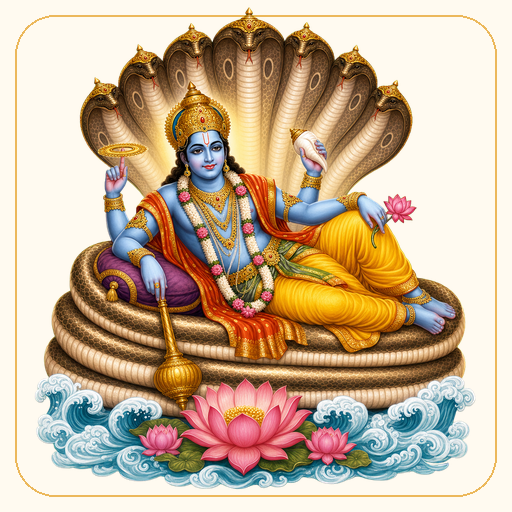
Mokshada Ekadashi falls on Margashirsh Shukla Ekadashi — a day of devotion to Vishnu/Krishna (Damodar). "Mokshada" means the granter of liberation — dedicating this vrat's merit to one's ancestors is believed to liberate them too. Gita Jayanti also falls on the same day — by tradition, the day Krishna is believed to have given the Bhagavad Gita to Arjuna at Kurukshetra. This year (2026): Sunday, 20 December.
This year's dates (2026)
Two separate threads, one tithi: (1) the Mokshada Ekadashi vrat — a Vishnu vrat with its own legend (King Vaikhanas, ancestors' liberation). (2) Gita Jayanti — the day the Bhagavad Gita is believed to have been "given." Both fall on the same tithi, but are conceptually distinct matters — presented separately below.
Significance
"Mokshada" — the granter of liberation: Margashirsh Shukla Ekadashi is dedicated to Vishnu/Krishna; the vrat, fasting, and chanting his names are held to atone for sin, bring merit, and ultimately liberation. The original mahatmya calls it "the remover of all sins."
Ancestors' liberation (its distinguishing feature): this vrat is observed for the liberation of one's ancestors — dedicating the vrat's merit to them with intention is believed to liberate even ancestors trapped in a lowly rebirth or hell (the core of the legend). The original mahatmya states: "those whose ancestors have fallen into a lowly rebirth due to sin attain liberation through the gift of this merit."
This Ekadashi falls while the sun is in Sagittarius (during Margashirsh); some traditions also call it "Dhanurmas Ekadashi."
The legend
The legend below is compiled from the ancient mahatmya text and modern sources; details vary, noted where relevant.
Krishna narrates the glory of the Margashirsh Shukla "Moksha"/Mokshada Ekadashi to Yudhishthira (in some versions, to Arjuna). In ancient times, King Vaikhanas ruled the city of Champak Nagar (some versions say "Gokul"); he cared for his subjects as his own children. One night, the king dreamt his ancestors had fallen into a lowly rebirth/hell, pleading, "Son, free us." Distressed, the king told Brahmins of his dream the next morning; they directed him to sage Parvat Muni, who knew past and future.
The sage entered meditation and gave his counsel: "Everyone should observe the Moksha Ekadashi vrat of the Margashirsh Shukla paksha and dedicate its merit to their ancestors — this will free them from hell." The king returned home, and when Margashirsh arrived, he observed the vrat and dedicated its merit to his father and ancestors. The moment the merit was dedicated, flowers rained from the sky; his father, along with the ancestors, was freed from hell and ascended to heaven. The mahatmya also advises worshipping Lord Damodar (Vishnu) with tulsi manjari and incense and a lamp on this day, keeping a night vigil with dance, song, and praise.
The city's name varies by source — some call it "Champak Nagar," others "Gokul." The narration frame also varies by source — Krishna→Yudhishthira versus Krishna→Arjuna. Puranic attribution differs too — some sources credit both the Brahmanda and Padma Puranas, while the original ancient text names no specific Purana at all.
Modern sources include a specific detail about the father's sin; the ancient mahatmya text does not — it states only that the ancestors had fallen into a lowly rebirth due to sin.
Gita Jayanti — the concurrent day
This is a separate matter from the Mokshada vrat legend. Margashirsh Shukla Ekadashi is held to be the day the Bhagavad Gita was "given" — hence Gita Jayanti (the Gita's day of revelation). By tradition, Krishna delivered his teaching to Arjuna on the battlefield of Kurukshetra — at the moment of Arjuna's moral crisis before the war — and that very conversation is the Bhagavad Gita (from the Bhishma Parva of the Mahabharata, 700 verses, 18 chapters). This is a traditional/religious belief — not proven as historical fact.
It's observed with recitation of the Gita (in some places, all 700 verses), donating copies of the Gita, discourses, and bhajan-kirtan; many begin a daily reading of the Gita from this day onward. Kurukshetra (Haryana) has hosted a government International Gita Mahotsav since 1989 — this is primarily a Haryana-based event, with no comparably large public celebration in Maharashtra.
Who observes it, and how
Devotees of Vishnu/Krishna fast through the day, worship Vishnu/Krishna (as Damodar), offer tulsi, light lamps while chanting his names, and keep a night vigil. Those who can, dedicate the vrat's merit to their ancestors' liberation with intention — this is this Ekadashi's distinguishing feature. Many also recite the Gita and donate copies of it on this day.
Puja vidhi
The sequence below is compiled from multiple sources as a general guide — not a fixed, single-correct ritual; it can vary by family and local custom.
- On Ekadashi morning, bathe and take the sankalp (with the pitru-liberation intent, if observing it for that purpose); worship an image or murti of Vishnu/Krishna (as Damodar).
- Offer sandalwood paste, akshata, flowers, tulsi leaves/manjari, incense and a lamp, and naivedya; recite the Vishnusahasranama/bhajans and hear the legend — reciting the Gita is especially auspicious on this day.
- Fast through the day and chant Vishnu's names; keep a vigil at night (bhajans, kirtan, praise).
- The next day (Margashirsh Shukla Dwadashi — 2026: Monday, 21 December), break the fast at the proper time.
Puja samagri
An image or murti of Vishnu/Krishna, sandalwood paste-haldi-kumkum-akshata, tulsi leaves and manjari, flowers/garlands, incense and a lamp, fruit-based/sattvic naivedya, a copy of the Bhagavad Gita (for recitation), and the legend text.
Fasting / dietary rules
Fasting is central on Ekadashi — by tradition, waterless, purely fruit-based (fruit, milk, sabudana, rajgira, water-chestnut flour, potato), or a single meal. It's widely held that rice/grains are avoided on Ekadashi; some traditions observe a light, restrained diet on Dashami, with parana on Dwadashi.
Mantra / aarti
The Vishnusahasranama, Krishna/Vitthal aarti, and the "Om Namo Bhagavate Vasudevaya" chant are traditionally recited in Vishnu/Krishna worship; reciting the Bhagavad Gita is considered especially significant on this day. The exact aarti/stotra varies by tradition.
Regional customs
In Maharashtra, Mokshada Ekadashi is observed mainly as devotion to Vishnu/Vitthal and an Ekadashi fast; Warkari and Vaishnav families observe the fast, worship tulsi, and hold bhajan-kirtan. Some traditions begin a daily recitation of the Gita from this day; it's also known as "Dhanurmas Ekadashi." The Kurukshetra celebration (Gita Mahotsav) is primarily a Haryana government event — in Maharashtra, Gita recitation and the Ekadashi fast at home or temple level is the form this takes.
Other major days in the same month — Utpanna Ekadashi (Margashirsh Krishna, roughly 15 days before), Dattatreya Jayanti (Margashirsh Purnima, roughly 3 days later), and the Margashirsh Thursday Mahalakshmi vrat.
This year's date
| Date (2026) | Day | Tithi | Nakshatra | Note |
|---|---|---|---|---|
| 20 December | Sunday | Margashirsh Shukla Ekadashi | Ashwini | Mokshada Ekadashi; Gita Jayanti falls on the same day; parana on 21 December (Dwadashi, also Somapradosh) |
Future years: the tithi stays the same (Margashirsh Shukla Ekadashi); the Gregorian date follows that year's panchang and is only known once that year's panchang is published.
Good to know
- Parana time — the Ekadashi tithi ends at night on 20 December; parana is on Dwadashi (21 December) at the proper time — the exact time varies by year and location.
- Pitru sankalp — if observing this vrat with the intention of your ancestors' liberation, follow your family's own tradition for the sankalp ritual — not a universal rule.
- The Gita's date is a belief — Gita Jayanti's dating is a religious belief, not a historical fact.
- Margashirsh (December) is a cold winter month — take care of your health during pre-dawn baths and night vigils.
FAQ
- When is Mokshada Ekadashi in 2026?
- Sunday, 20 December 2026 (Margashirsh Shukla Ekadashi); parana the next day (21 December).
- Why is it called Mokshada Ekadashi?
- "Mokshada" means the granter of liberation; observing the vrat is believed to atone for sin and, by the legend, liberate one's ancestors too.
- Why do Mokshada Ekadashi and Gita Jayanti fall on the same day?
- Gita Jayanti is Margashirsh Shukla Ekadashi itself — by tradition, the Bhagavad Gita was given on this very tithi; the two are conceptually distinct but share the same date.
- What is the legend of Mokshada Ekadashi?
- King Vaikhanas of Champak Nagar (Gokul, in some versions) dreamt his father was in hell; sage Parvat Muni advised him to observe the Mokshada Ekadashi vrat and dedicate its merit to his father — freeing him from hell.
- Why is Mokshada Ekadashi observed for one's ancestors?
- By the legend, dedicating this vrat's merit to one's ancestors with intention is believed to liberate even those trapped in a lowly rebirth or hell — this is the Ekadashi's distinguishing feature.
- How is Gita Jayanti celebrated?
- With recitation of the Gita, donating copies of it, discourses, and bhajan-kirtan; many begin a daily Gita reading from this day. Kurukshetra hosts a large government Gita Mahotsav.
- When should Mokshada Ekadashi's parana be done?
- The next day, on Margashirsh Shukla Dwadashi (2026: Monday, 21 December), at the proper time; the exact time varies by location and panchang.