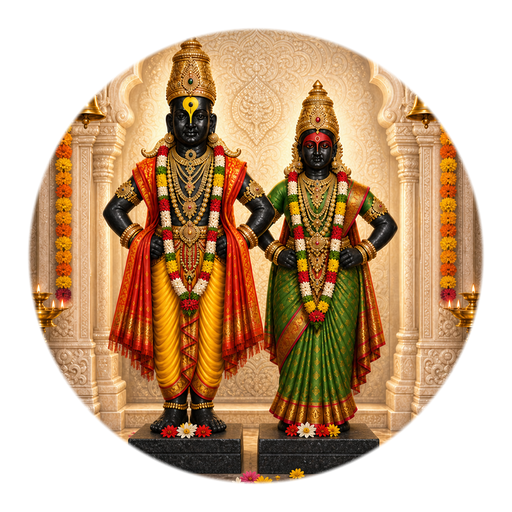
Utpanna Ekadashi (Utpatti Ekadashi)
Utpanna Ekadashi (Utpatti Ekadashi) is the Krishna Paksha Ekadashi of the Kartik (Margashirsh) month — the day Devi Ekadashi herself was born, which is why it is regarded as the first of all Ekadashis.
This year's dates (2026)
"Utpatti" means birth. On this day, the goddess Ekadashi is said to have manifested directly from Vishnu's own radiance. By the Amanta reckoning followed in Maharashtra it falls in Kartik Krishna Paksha, while most Purnimanta panchangs call the same tithi Margashirsh Krishna Ekadashi — one and the same day. This year (2026) it falls on Friday, 4 December.
Significance
Observing the Utpanna Ekadashi vrat is believed to destroy sins and ease the path to moksha. Since this Ekadashi marks the goddess's own birth tithi, many people choose this day to take up their annual Ekadashi-vrat sankalp — the resolve to keep the fortnightly Ekadashi fast through the year.
The legend (katha)
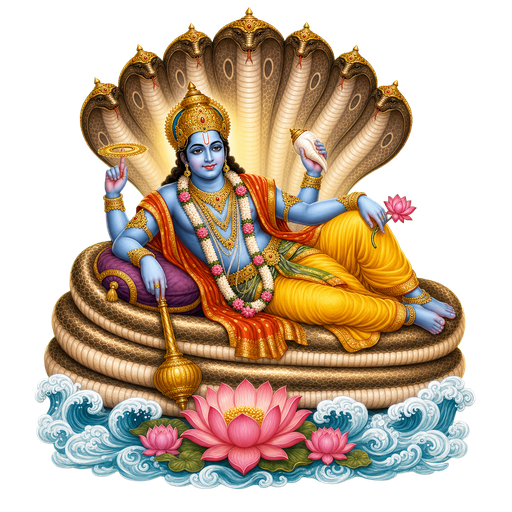
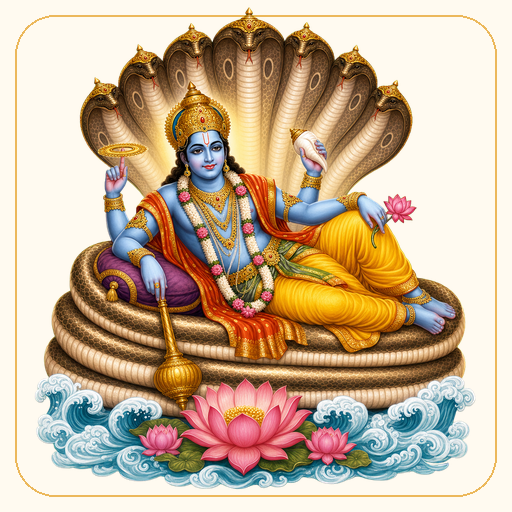
In the Satya Yuga there lived a mighty demon named Mur, son of the asura Talajangha. He defeated Indra and all the gods, drove them out of heaven, and installed his own Indra, Agni, Chandra and Surya in their place. The defeated gods first went to Shiva, who sent them on to Vishnu, reclining in the ocean of milk. Vishnu went to Mur's city and destroyed his army with divine weapons, then withdrew to rest in a cave at Badrikashram.
Mur pursued him there and crept into the cave to kill the sleeping Vishnu — at that very moment, a radiant, weapon-bearing maiden emerged from Vishnu's own splendour and slew Mur in battle. When Vishnu woke and asked who had killed Mur, the maiden answered, "By your own grace." Pleased, Vishnu granted her a boon: "You appeared on the day of Ekadashi, so your name shall be Ekadashi; you shall be held holier than all sacred tirthas and the granter of all accomplishments, and whoever fasts on this day of mine shall attain wealth, dharma, and liberation."
This is how Devi Ekadashi came to be born on this very day, giving the Ekadashi its name "Utpatti" (birth), and making it the first of all Ekadashis.
Some versions tell this story as Krishna narrating to Yudhishthira, others as Krishna narrating to Arjuna. The name and distance of the cave where Vishnu withdrew also varies by version (some call it "Sinhavati," others "Hemavati"), and the Purana credited with the tale differs by source (Padma Purana or Bhavishyottara Purana).
Puja vidhi
On the day of Ekadashi, keep the fast and worship Vishnu — offer tulsi, incense and a lamp, and chant the divine names. Observe the vrat through the day, keep a night vigil, and break the fast (parana) the next day, on Dwadashi.
Fasting & parana
The form of the fast — nirjala (waterless), phalahar only (fruits, milk, sabudana, rajgira, water-chestnut flour, potato), or a single meal (ekbhukt/nakta) — varies by family tradition. Rice and other grains are widely avoided on Ekadashi. Keep a night vigil, and break the fast the next day, on Dwadashi tithi. A strict nirjala or prolonged fast is not suitable for everyone — those with diabetes, pregnancy, advanced age, or illness should choose phalahar or a gentler fast, ideally with a doctor's advice.
Mantra
The puja is traditionally accompanied by chanting Vishnu's names and the Vishnu Sahasranama; the chant "Om Namo Bhagavate Vasudevaya" (meaning "salutations to Bhagavan Vasudeva," i.e., Vishnu) is especially recited.
Amanta vs. Purnimanta month-name
By Shubh Darshika's panchang (Maharashtra, Amanta reckoning), this Ekadashi falls in Kartik Krishna Paksha. Most North Indian (Purnimanta) panchangs call the same tithi Margashirsh Krishna Ekadashi — the same day, just a different month-name.
Good to know
- Utpatti Ekadashi is distinct from Rama Ekadashi (Ashwin Krishna Ekadashi, in early November) — don't let the nearby timing or naming confuse the two.
FAQ
- When is Utpanna (Utpatti) Ekadashi in 2026?
- Friday, 4 December 2026.
- Why is Utpanna Ekadashi called "Utpanna"?
- Because Devi Ekadashi is said to have been born ("utpatti") from Vishnu's radiance on this very day.
- How was Devi Ekadashi born?
- When the demon Mur tried to kill the sleeping Vishnu, a goddess emerged from Vishnu's own splendour and slew Mur. Vishnu named her "Ekadashi" and granted her a boon.
- Why is Utpanna Ekadashi considered the first of all Ekadashis?
- Because it marks the day Devi Ekadashi herself was born — which is why many people begin their annual Ekadashi-vrat sankalp on this day.
- Does Utpanna Ekadashi fall in Kartik or Margashirsh month?
- In Maharashtra (Amanta reckoning) it's Kartik Krishna Ekadashi; in North Indian (Purnimanta) panchangs it's Margashirsh Krishna Ekadashi — the same day.
- When should the fast be broken on Utpanna Ekadashi?
- The day after Ekadashi, on Dwadashi tithi — the exact time follows that year's panchang.