Papankusha (Pashankusha) Ekadashi
Papankusha (Pashankusha) Ekadashi falls on Ashwin Shukla Ekadashi — Vishnu is worshipped on this day in his Padmanabha form, with fasting. The name means "sin" + "goad" — just as a goad brings an unruly elephant under control, this vrat is believed to keep the observer away from sin. This year (2026): Thursday, 22 October — with parana the next day, on Dwadashi.
This year's dates (2026)
Two spellings — one Ekadashi
Traditional panchang listings record this Ekadashi's primary name as Pashankusha; but the far more widely searched and used spelling nationwide is Papankusha. Both are names/spelling variants of the same Ekadashi.
Significance
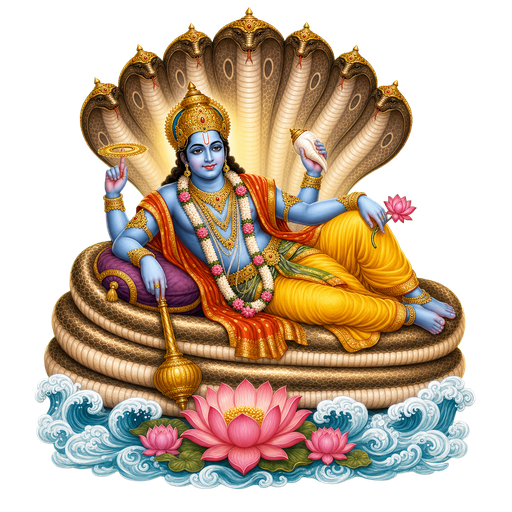
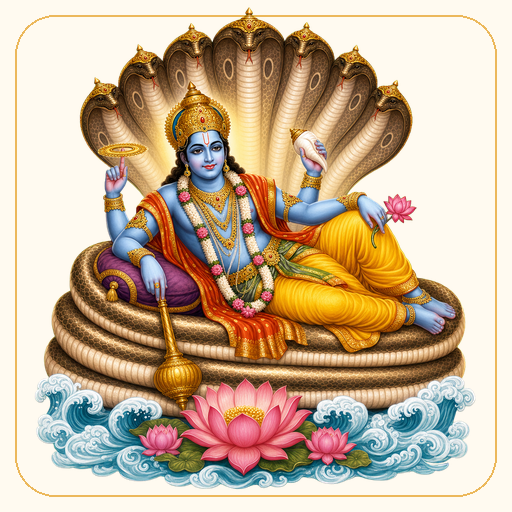
Ekadashi vrats carry special significance during Chaturmas — the period from Ashadhi (Devshayani) to Kartiki (Prabodhini); Papankusha falls in the Ashwin Shukla paksha, right after Dussehra. Vishnu is worshipped on this day in his Padmanabha form — reclining on Sheshanaga in the Kshirasagar, with a lotus emerging from his navel.
"Ankusha" (goad) is the hooked tool used to steer an elephant; just as a goad brings an unruly elephant under control, this vrat is believed to keep the observer away from sin — hence "Papankusha." Some sources give the plainer reading: "a check upon sin."
The fruits of the vrat described in its mahatmya — the removal of sin, imperishable merit, attaining Vishnu's abode, and the liberation of one's ancestors — all come from a single scriptural mahatmya tradition. So this should be understood as "stated according to the vrat's mahatmya," not as a universal guarantee.
The legend
As told in the vrat's mahatmya —
Lord Krishna describes this Ekadashi's mahatmya to King Yudhishthira. A cruel, sinful hunter named Krodhana lived on the Vindhya mountains — spending his life in violence and sin. In old age, fearing death and the torments of Yama, he sought a remedy. He went to the forest-dwelling sage Angira; the sage told him to observe the Ashwin Shukla Papankusha Ekadashi vrat properly. Krodhana observed the vrat with devotion — by Vishnu's grace, all his sins were destroyed, and he attained Vishnu's abode/liberation.
Sources differ on the original text — most sources say the Brahmavaivarta Purana, while one source says the Padma Purana. Neither is treated as final here. The hunter's name is mostly given as Krodhana, though some sources omit the name and just say "hunter."
Who observes it
Mainly devotees of Vishnu and Vaishnavas, as well as those who regularly observe Ekadashi fasts. Any householder, regardless of gender, can observe this vrat with the intent of atoning for sin and gaining merit.
Puja vidhi
The sequence below is compiled from the vrat mahatmya and commonly cited sources as a general guide — not a fixed, single-correct ritual; it can vary by family and local custom.
- Bathe early in the morning and take the vow for Vishnu/Padmanabha worship.
- Worship Vishnu (as Padmanabha) with flowers, tulsi, akshata, incense and a lamp, and naivedya; recite the Vishnusahasranama and chant his names.
- Fast through the day, and observe silence/remember God if possible.
- Keep a vigil at night — hearing Vishnu's legend, bhajans and kirtan.
- Give charity — food to those in need, along with grain/water where possible.
- Break the fast the next day, on Dwadashi (23 October 2026), at the proper time — the exact clock-time is location-specific and isn't fixed here.
Puja samagri
An image or murti of Vishnu/Padmanabha, tulsi, flowers, akshata, haldi-kumkum, sandalwood paste, incense and a lamp, fruit-based/sattvic naivedya, panchamrit, and materials for charity (grain/sesame/water, etc.).
Fasting / dietary rules
A waterless or fruit-based fast is observed, by tradition; the Vaishnav approach describes a roughly 24-hour strict fast (from Ekadashi morning to Dwadashi parana). Avoiding rice/grains on Ekadashi is a widespread custom; fruit, milk, and fruit-based foods are acceptable. Those with diabetes, high blood pressure, who are pregnant, or elderly should avoid a strict waterless fast or take medical advice — the vrat can be adapted gently to one's health.
Mantra / aarti
As the presiding deity's mantra, Vishnu's well-known "Om Namo Bhagavate Vasudevaya" — the twelve-syllable mantra — is used for chanting his names; meaning: "Salutations to Lord Vasudeva (Vishnu)." The full text of the Vishnusahasranama and a Vishnu aarti isn't given here — only the meaning and opening line.
Regional customs
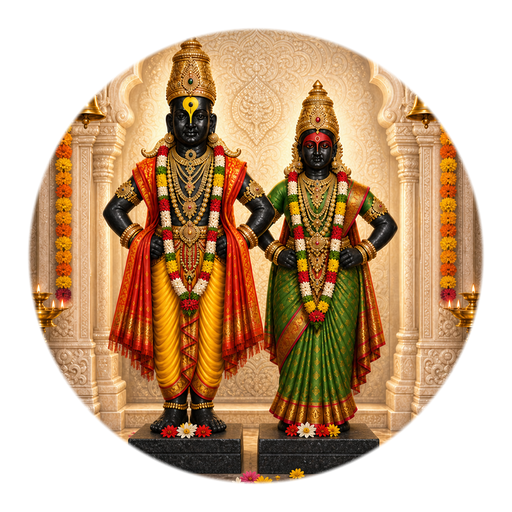
Papankusha (Pashankusha) Ekadashi is a pan-India Vaishnav Ekadashi; in Maharashtra it isn't observed as a distinct standalone festival, but as part of the broader Ekadashi-fasting tradition (fasting, chanting Vitthal/Vishnu's names). This Ekadashi falls the day after Dussehra (Ashwin Shukla Dashami) and a few days before Kojagiri Purnima.
This year's date
| Date (2026) | Day | Tithi | Nakshatra | Note |
|---|---|---|---|---|
| 22 October | Thursday | Ashwin Shukla Ekadashi | Shatataraka | Papankusha (Pashankusha) Ekadashi; parana on 23 October (Dwadashi) |
The date on this page is year-specific; the tithi rule (Ashwin Shukla Ekadashi) stays fixed, but the Gregorian date changes every year.
Good to know
- Health: a strict waterless fast isn't for everyone — those with diabetes, high blood pressure, who are pregnant, unwell, or elderly should take a gentle fruit-based fast or consult a doctor.
- Vidhi/belief: the legend, its fruits, and the vidhi come from scripture and tradition; they are not presented as a universal religious guarantee.
- Two spellings — Pashankusha and Papankusha are names for the same Ekadashi.
FAQ
- When is Papankusha Ekadashi in 2026?
- Thursday, 22 October 2026 (Ashwin Shukla Ekadashi).
- What is the significance of Papankusha Ekadashi?
- Worship of Vishnu's Padmanabha form; by the vrat's mahatmya, it's regarded as a vrat for atoning for sin and gaining merit.
- Which deity is worshipped on Papankusha Ekadashi?
- Lord Vishnu (as Padmanabha).
- How is the Papankusha Ekadashi vrat observed?
- Bathe and take the vow, worship Vishnu and chant his names, fast through the day, keep a night vigil, and break the fast (parana) the next day on Dwadashi.
- When should Papankusha Ekadashi's fast be broken (parana)?
- The next day, on Dwadashi (23 October 2026), at the proper time; the exact time varies by location.
- Are Papankusha and Pashankusha Ekadashi the same?
- Yes, both are names/spelling variants of the same Ekadashi — the panchang source uses "Pashankusha," while the widely used form is "Papankusha."