Parivartini Ekadashi (Vamana Ekadashi)
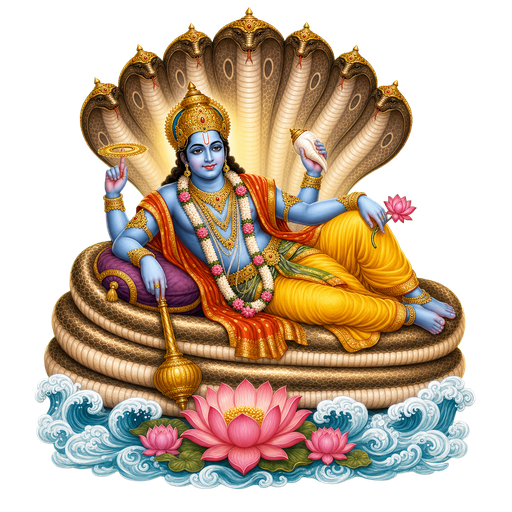
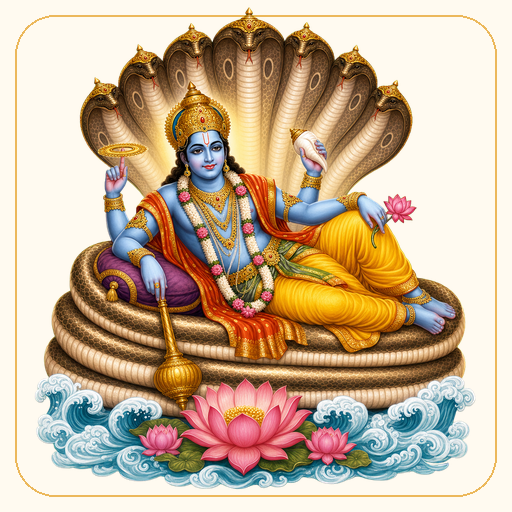
Parivartini Ekadashi falls on Bhadrapad Shukla Ekadashi — a fasting vrat dedicated to Vishnu (as Vamana/Trivikrama). "Parivartini" means "the one who turns" — it's believed Vishnu, in his yogic sleep during Chaturmas, turns onto his other side on this day; hence it's also called Parsva Ekadashi (parsva = side) and Vamana Ekadashi. This year (2026): Tuesday, 22 September — falling, as it does every year, right in the middle of Ganeshotsav!
This year's dates (2026)
Significance
"Parivartini/Parsva" — Vishnu turning onto his other side: during Chaturmas (roughly four months of yogic sleep, from Ashadhi Devshayani to Kartiki Prabodhini), Vishnu is believed to turn onto his other side on Bhadrapad Shukla Ekadashi — hence the names "Parivartini" (the turner) and "Parsva" (side). This is regarded as an important milestone vrat within Chaturmas.
Connection to the Vamana avatar: this Ekadashi is linked to Vishnu's Vamana (Trivikrama) avatar; some sources also place "Vamana Jayanti" around this time, with special worship of the Vamana form.
The Ekadashi in the middle of Ganeshotsav (a Maharashtra feature, every year): since both Ganesh Chaturthi (Bhadrapad Shukla 4) and Anant Chaturdashi/visarjan (Bhadrapad Shukla 14) are fixed tithis within the same Bhadrapad Shukla paksha, Parivartini (Shukla 11) falls during Ganeshotsav every single year — this isn't a 2026 coincidence. (2026: Ganesh Chaturthi on 14 September, Parivartini on 22 September, Anant Chaturdashi on 25 September.) In many Marathi households where Ganpati is installed at that time, the Ganeshotsav puja and the Parivartini fast fall together.
Broad atonement — by tradition, observing this vrat with devotion is believed to destroy all sins and open the path to heaven/liberation; even hearing the legend is said to bring merit. In the Brahmavaivarta tradition, it's called "Jayanti" (victorious) Ekadashi, since it's believed to free one from past sins — this is a religious belief, not a universal prescription.
The legend
Lord Vishnu took the Vamana (dwarf-Brahmin) avatar and asked the generous, charitable King Bali (an Asura king, devoted to Vishnu) for three steps of land as a gift. Bali agreed; Vamana instantly assumed his vast Trivikrama form — covering the earth in one step, and heaven and the higher realms in the second. There was no place left for the third step; Bali humbly offered his own head. Vishnu placed the third step on Bali's head and sent him to Patal/Sutal (the netherworld). Pleased by Bali's devotion and generosity, Vishnu granted him the kingdom of Patal — in some versions, also the boon of being Vishnu's ever-present gatekeeper.
Some versions also carry a second sub-story alongside this — the righteous King Mandhata's kingdom suffered a terrible drought; the sage Angira advised the king to observe this vrat, and the drought ended. Most versions omit this Mandhata episode — they give only the Vamana-Bali legend — so it should be understood as appearing "in some versions," not universally.
Puranic attribution also varies — the legend/mahatmya is attributed to the Padma Purana (deity Hrishikesh), the Brahmavaivarta Purana (deity Trivikrama/Vamana; "Jayanti = victorious"), the Bhavishya Purana, or the Skanda Purana, depending on the Puranic tradition. None is treated as final here.
Who observes it
Devotees of Vishnu who observe Ekadashi; many Vaishnav families. For those who fast on every Ekadashi, Parivartini is one of the annual cycle's Chaturmas Ekadashis. Given the legend's spirit (Vamana-Bali's generosity, sin-removal), this vrat is observed with particular devotion for atonement and merit.
Puja vidhi
The sequence below is a general guide — not a fixed, single-correct ritual; it can vary by family and local custom.
- On the day before (Dashami), a restrained sattvic diet — grains, rice, onion-garlic, and tamasic foods are avoided.
- On Ekadashi, bathe at Brahma muhurta and worship an image or murti of Vishnu/Vamana.
- Offer sandalwood paste, akshata, tulsi leaves, lotus and (Bhadrapad-favoured) flowers, incense and a lamp, and fruit-based naivedya — with special worship of the Vamana form.
- Some versions (the Padma Purana strand) describe covering a water-filled kalash with cloth and donating it to a Brahmin, along with curd-rice, an umbrella, and footwear — this ritual is followed in some traditions; elsewhere only curd-rice is donated — a tradition-dependent variation.
- Chant Vishnu's names and recite the Vishnusahasranama; hear the Parivartini legend, sing bhajans, and chant his names through the day.
- Keep a vigil at night — many devotees stay awake through the night with Hari-naam bhajans.
- The next day (Bhadrapad Shukla Dwadashi — 2026: Wednesday, 23 September), break the fast at the proper time, avoiding Harivasar — the exact clock-time is location-specific and isn't fixed here.
Puja samagri
An image or murti of Vishnu/Vamana, tulsi leaves and lotus, flowers and garlands, incense and a lamp (ghee-based), fruit-based naivedya (curd offering in Bhadrapad), the Vishnusahasranama/legend text, and materials for charity — food/curd-rice/cloth/dakshina (some traditions include a water-kalash, umbrella, and footwear).
Fasting / dietary rules
Avoiding grains, rice, and all lentils is a widespread custom; a light sattvic diet is taken on Dashami, with parana on Dwadashi. Some devotees observe a waterless fast, while most take a fruit-based diet (fruit, milk, vegetables) — both are traditionally accepted, and a waterless fast isn't mandatory. Chanting, satsang, and a night vigil are part of the day, along with avoiding falsehood, anger, onion-garlic, alcohol, and daytime sleep.
Mantra / aarti
The Vishnu mool-mantra "Om Namo Bhagavate Vasudevaya" is traditionally chanted during the vrat sankalp and puja — meaning: "Salutations to Lord Vasudeva (Vishnu)." Reciting the Vishnusahasranama is also a widespread custom; its full text isn't given here. The exact aarti (Vishnu/Vamana) varies by tradition.
Regional customs
Parivartini is fundamentally a pan-India Vaishnav Ekadashi — it doesn't carry the distinctly Maharashtrian festival identity that Vat Purnima or Ashadhi Ekadashi do. In Maharashtra, the names "Parivartini"/"Vamana" are common; in North India, names like "Jalzulani/Jalzilani/Dol Gyaras" (a water-play ceremony for the deity's idol) and "Padma/Parsva/Jayanti" are also found — the same Ekadashi, with regional naming and some ritual variation. (Note: "Padma" here is distinct from the separate "Padmini Ekadashi" observed in Adhik Masa — the two shouldn't be confused.)
This year's date
| Date (2026) | Day | Tithi | Nakshatra | Note |
|---|---|---|---|---|
| 22 September | Tuesday | Bhadrapad Shukla Ekadashi | Uttarashadha | Parivartini (Vamana) Ekadashi; falls during Ganeshotsav; parana on 23 September (Dwadashi) |
Future years: the tithi stays the same (Bhadrapad Shukla Ekadashi); the Gregorian date follows that year's panchang and is only known once that year's panchang is published.
Good to know
- Ganeshotsav overlap: those with Ganpati installed at home during this time will find the Ganesh puja and the Parivartini fast falling together — observe both according to their own custom.
- Health: if choosing a waterless fast, the elderly, pregnant or nursing women, young children, those with diabetes, or on regular medication should avoid it or consult a doctor; the fruit-based option is safer.
- Religious language: phrases like "all sins destroyed" or "merit equal to an Ashwamedha yajna" are Puranic praise/belief, not a universal guarantee.
FAQ
- When is Parivartini Ekadashi in 2026?
- Tuesday, 22 September 2026 (Bhadrapad Shukla Ekadashi); parana on 23 September. It falls during Ganeshotsav.
- Why is it called Parivartini Ekadashi?
- "Parivartini" means "the one who turns" — it's believed Vishnu, in his yogic sleep during Chaturmas, turns onto his other side on this day.
- Why is it also called Vamana Ekadashi?
- This Ekadashi is linked to Vishnu's Vamana (Trivikrama) avatar — the legend of Vamana asking King Bali for three steps of land is tied to this day.
- What is the legend of Parivartini Ekadashi?
- Vishnu's Vamana avatar asked the generous King Bali for three steps of land; taking a vast form, he covered all realms in two steps and placed the third on Bali's head, sending him to Patal; pleased by Bali's devotion, he granted him the kingdom there.
- How is the Parivartini Ekadashi vrat observed?
- A sattvic diet on Dashami; on Ekadashi, bathe and take the vow, worship Vishnu/Vamana, hear the legend, fast through the day, and keep a night vigil; break the fast on Dwadashi.
- What should be eaten or avoided on Parivartini Ekadashi?
- Avoid rice, grains, and lentils; a fruit-based diet (fruit, milk) is fine; a waterless fast isn't mandatory — choose based on your health.
- When should Parivartini Ekadashi's parana be done?
- The next day, on Dwadashi (2026: 23 September), avoiding Harivasar, at the proper time; the exact time varies by that year's panchang.