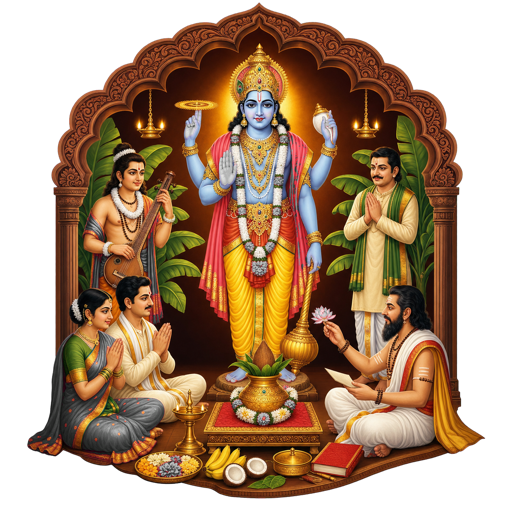
Anant Chaturdashi
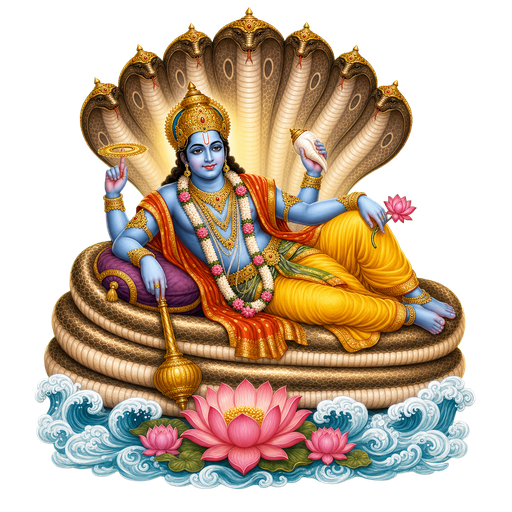
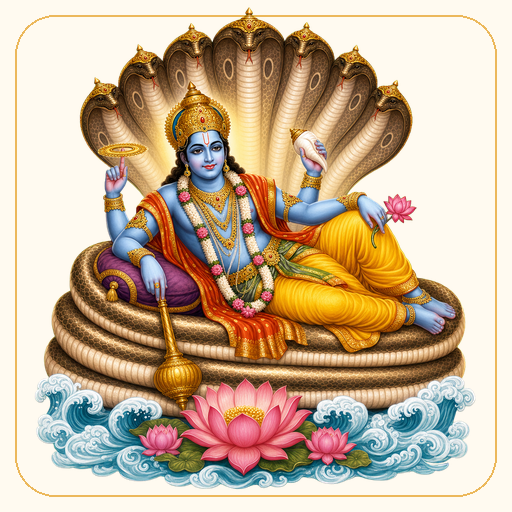
Anant Chaturdashi falls on Bhadrapad Shukla Chaturdashi and honours Vishnu's "Ananta" form — the eternal, unending one who reclines on the serpent Shesha. On this day a 14-knot anant sutra (a thread) is worshipped and tied on the wrist as a protective thread. This year (2026), the date is Friday, 25 September — the same day Maharashtra observes the close of Ganeshotsav with public Ganpati visarjan.
This year's dates (2026)
Ananta means "the one without end" — Vishnu's eternal form beyond time, space and creation, reclining on the serpent Shesha before the universe began. In South India, this same vrat is called Ananta Padmanabha Vrata.
Significance
- What "Ananta" represents: Vishnu's eternal form, beyond time, space and creation — hence the name Ananta.
- A kamya vrat (a vrat taken for a wish): it is observed so that lost prosperity, peace and well-being return, and hardship is removed. By tradition, Krishna told the exiled Pandavas to keep this vrat.
- The anant sutra's symbolism: traditions differ here — some hold the 14 knots represent the 14 lokas (worlds); others link them to a 14-year vow; one account describes the thread as honouring Vishnu at one end, twelve deities in the middle, and Ananta (Shesha) at the other.
- The Maharashtra connection: this is also the day the ten-day Ganeshotsav concludes, with public Ganpati idols immersed (visarjan). The visarjan details live on the Ganesh Chaturthi page.
The legend (katha)
The Anant Chaturdashi katha is traditionally told in the Mahabharata and the Puranas.
While the Pandavas were serving twelve years of exile plus one year incognito after losing their kingdom in a game of dice, Krishna told Yudhishthira to keep the vrat of Anant Chaturdashi. To explain its power, Krishna told him the story of the sage Kaundinya and his wife Sushila.
Sushila was the virtuous daughter of a sage named Sumant. After her mother's death, her stepmother treated her harshly, and her husband, the sage Kaundinya, received only a trivial gift as dowry. On their way to the ashram, Sushila met women observing a vrat by a riverbank; she learned the significance of the Ananta vrat from them and tied a 14-knot thread on the spot.
Back home, Kaundinya noticed the thread. On hearing that their prosperity was owed to this vrat, he threw the thread into the fire out of pride — an insult to Ananta. Poverty, humiliation and ruin followed.
A repentant Kaundinya went searching for Ananta in the forest. Ananta eventually appeared (in some versions as an old brahmin) and told him, "you scorned me" — but accepted his remorse and told him to keep this vrat for 14 years. Once the vrat was complete, all sorrow ended and prosperity returned.
The moral of the story: disrespecting devotion and faith brings decline, while steady devotion to Ananta restores protection and prosperity.
Who observes it
Devotees of Vishnu — especially those seeking to recover lost prosperity or peace, or making a sankalp (vow) for relief from hardship — keep this vrat. Being a kamya vrat, it is undertaken with a specific intent. In many households, husband and wife keep it together; both men and women wear the anant sutra.
In South India (Kerala, Andhra, Tamil Nadu, Karnataka), this vrat — known as Ananta Vratam / Ananta Padmanabha Vrata — is observed more prominently at home and in temples. In Maharashtra, it tends to sit in the shadow of Ganeshotsav, since visarjan falls the same day.
Puja vidhi (how to perform)
The order below is general; details vary by family and priestly tradition.
- After the morning bath, take the vrat's sankalp (resolve); install an idol or image of Vishnu reclining on Shesha, on a kalash.
- Place a turmeric-coloured anant sutra (thread) with 14 knots before the deity; in some traditions it is wound around a cucumber and passed through panchamrut.
- Worship Vishnu and the anant sutra with 16 upacharas (offerings) while chanting "Om Anantaya Namah"; recite the Vishnu Sahasranama or a stotra.
- After the puja, men tie the anant sutra on the right upper arm and women on the left wrist, while chanting the mantra.
- Listen to or read the vrat katha, then offer a sweet naivedya.
By tradition, this vrat is kept for 14 consecutive years, followed by an udyapan (concluding rite). However, no source checked here gives the exact udyapan procedure in detail.
What you need (samagri)
An idol or image of Vishnu reclining on Shesha, a kalash and betel nut, the 14-knot anant sutra (thread), turmeric-kumkum, sandalwood paste, akshata, flowers (with tulsi leaves), dhoop-deep-niranjan, panchamrut, (by tradition) a cucumber, sweets for naivedya, betel leaves-nut-dakshina, fruits.
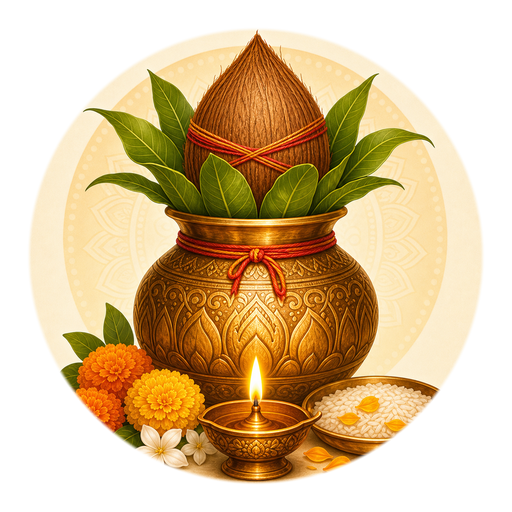 Kalash
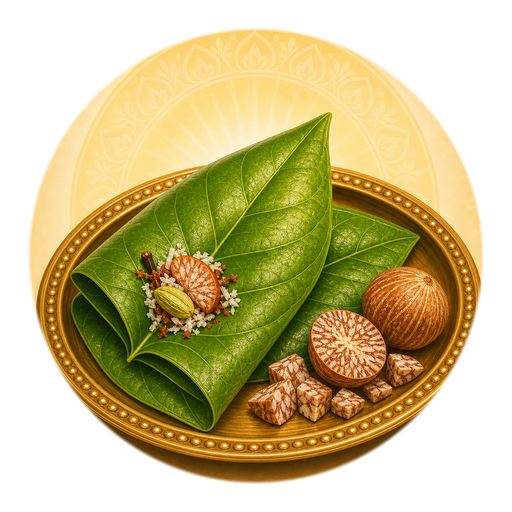 Betel nut
 14-knot anant sutra (thread)
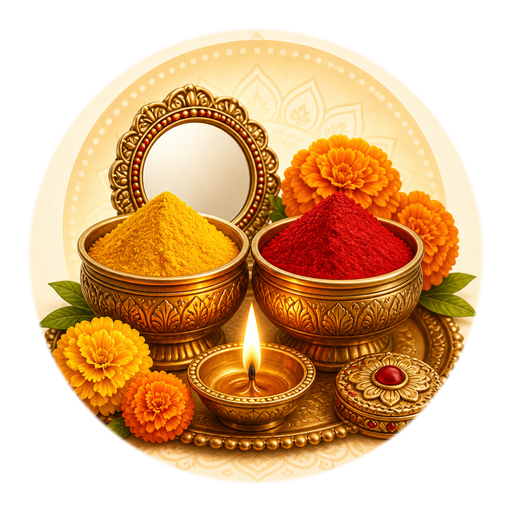 Turmeric-kumkum
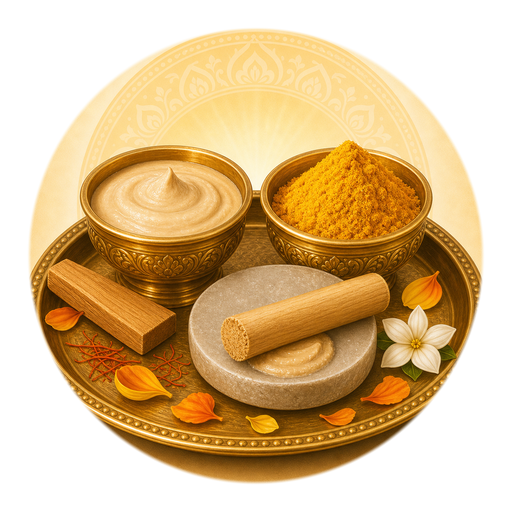 Sandalwood paste
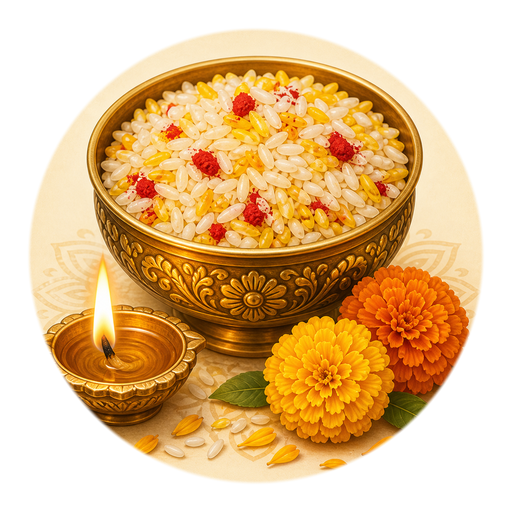 Akshata
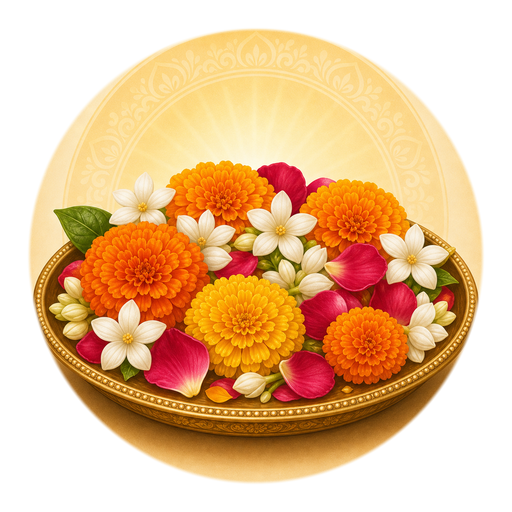 Flowers
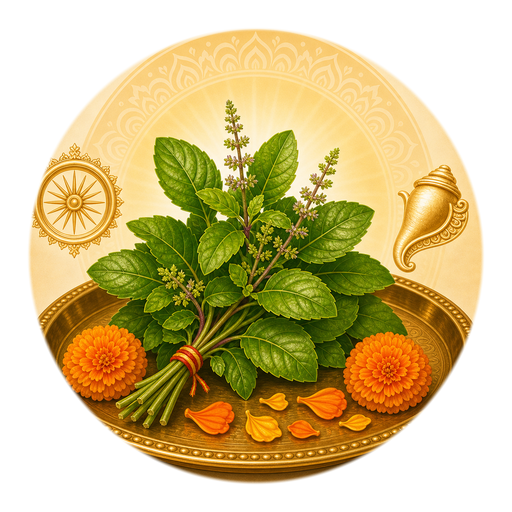 Tulsi leaves
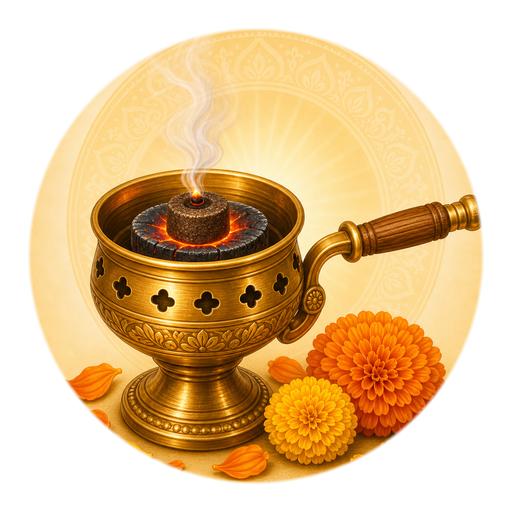 Dhoop
Dhoop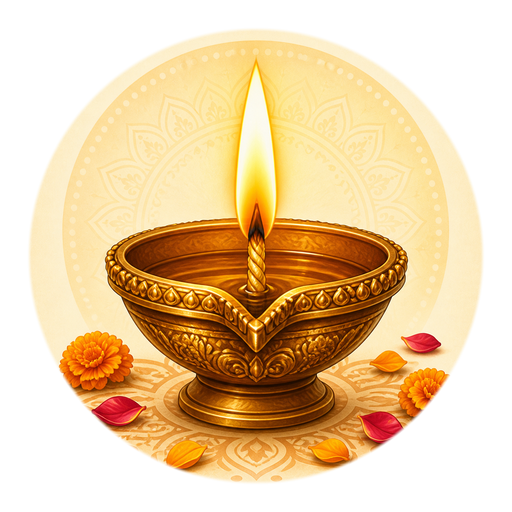 Deep (lamp)
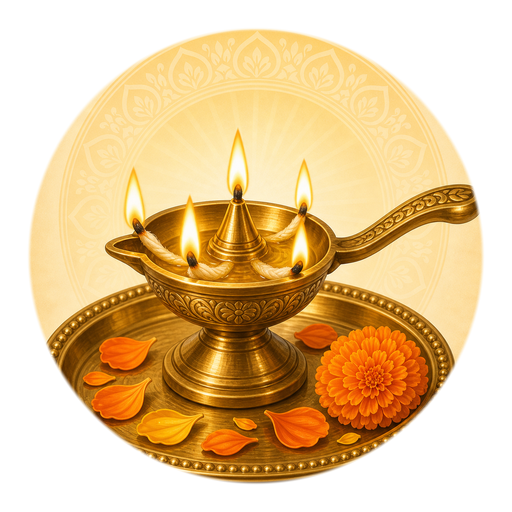 Niranjan
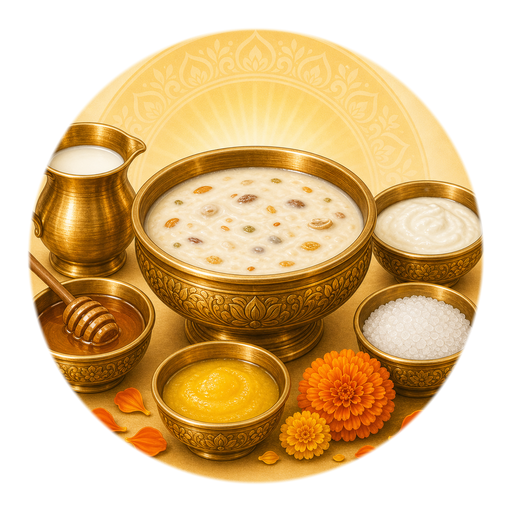 Panchamrut
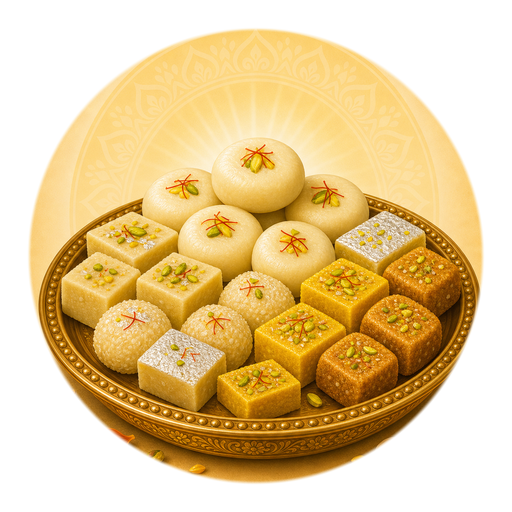 Sweets for naivedya
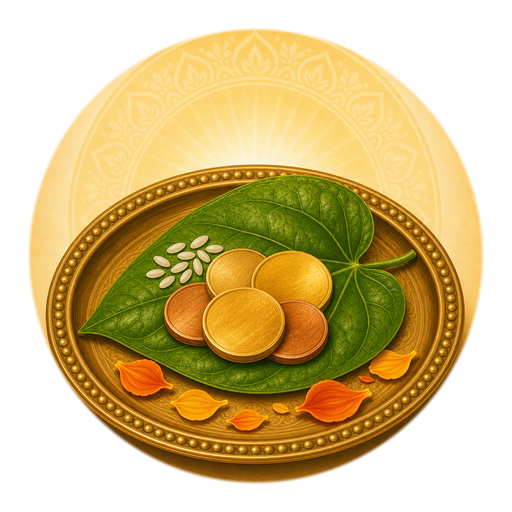 Dakshina
 Fruits
Fasting & food (upvas)
Many devotees observe an upvas (fast) on Anant Chaturdashi and break it after the puja and katha with fruit and naivedya; some keep a sattvic or single-meal diet instead. A strict fast isn't binding on everyone — it varies by household and local custom.
Mantra
The root mantra "Om Anantaya Namah" is a salutation to Ananta, and is the main mantra for worshipping and tying the anant sutra. A traditional dharan-shlok (worn-thread verse) is also recited when tying it — its recognizable opening line is "Anantasamsara-mahasamudre…". The Vishnu Sahasranama or a Vishnu-stuti is also recited during this vrat.
Regional variations
- South India: in Kerala (with a Thiruvananthapuram connection), Andhra-Telangana, Karnataka (including Udupi's Krishna temple), and Vishnu temples across Tamil Nadu, this vrat stands out as a major Vishnu observance, with special significance in the Madhva-Vaishnava tradition.
- Maharashtra: here, Anant Chaturdashi is known mainly as the day Ganeshotsav concludes with visarjan; the Ananta vrat itself is kept at home to varying degrees, and more fully — including the sutra — among Vishnu devotees and some families.
- The custom for retiring last year's thread before tying a new one varies by region.
Good to know
- Avoid the date mix-up: Anant Chaturdashi (a Vishnu vrat) and Ganesh Chaturthi are different tithis, but they fall in the same paksha — Anant Chaturdashi is the last day of Ganeshotsav.
- The vrat's purpose: as a kamya vrat, it is taken with a specific intent; 14 years of continuity is the traditional expectation, though it isn't binding on everyone.
- Crowds on visarjan day: Maharashtra sees large public visarjan processions on this day — take care near crowds and water, and follow local authority guidance. For visarjan guidance, see the Ganesh Chaturthi page.
FAQ
- When is Anant Chaturdashi in 2026?
- Friday, 25 September 2026 (Bhadrapad Shukla Chaturdashi).
- Which deity is the Anant Chaturdashi vrat for?
- Shri Vishnu's "Ananta" (Sheshashayi, eternal) form; in South India it's called Ananta Padmanabha Vrata.
- Why is the anant sutra (14 knots) tied, and what does it mean?
- It's a protective anant sutra. The 14 knots are explained by tradition as the 14 lokas, a 14-year vow, or, in one account, Vishnu at the start, twelve deities in the middle, and Ananta at the end.
- Which arm should the anant sutra be tied on?
- After the puja, men tie it on the right upper arm and women on the left wrist — with minor regional variation.
- Why do Anant Chaturdashi and Ganpati visarjan fall on the same day?
- Both fall on Bhadrapad Shukla Chaturdashi; since this is the last day of Ganeshotsav, public visarjan also happens the same day. Visarjan details are on the Ganesh Chaturthi page.
- How many years is this vrat kept for?
- By tradition, 14 consecutive years, followed by an udyapan; the exact udyapan procedure varies by family tradition.
- What is the story behind this vrat?
- Krishna told this vrat to the exiled Pandavas. In the Kaundinya-Sushila katha, insulting the thread brings ruin, and 14 years of the vrat brings restoration.