Varuthini Ekadashi
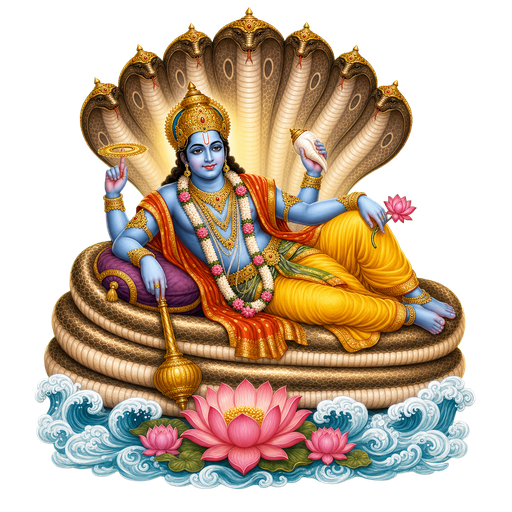
Varuthini Ekadashi is the Krishna Paksha Ekadashi of the Chaitra (Vaishakh) month — a vrat of protection dedicated to Vishnu. "Varuth" means shield or armour; this vrat is believed to protect against misfortune and untimely suffering.
This year's dates (2026)
The name "Varuthini" comes from the Sanskrit word "varutha" — meaning a shield, armour, or protection (from the root "vri," to cover or enclose). By the Amanta reckoning followed in Maharashtra it falls in Chaitra Krishna Paksha, while most North Indian (Purnimanta) panchangs call the same tithi Vaishakh Krishna Ekadashi — one and the same day. This year (2026) it fell on Monday, 13 April.
Significance
Observing the Varuthini Ekadashi vrat is believed to destroy sins and protect against misfortune and untimely suffering or illness. True to the meaning of "varuth" (armour), this vrat is regarded as a vrat of protection — granting security and prosperity in this life, and liberation (moksha) in the end.
The legend (katha)
King Mandhata was performing penance on the banks of the river Narmada. While absorbed in his austerities, a wild bear attacked him — it began to devour his leg and dragged him into the forest. Overcome with pain, the king cried out to Vishnu. Vishnu appeared and slew the bear with his Sudarshan chakra. He told the king that this suffering was the fruit of sins from a past life; as a remedy, he advised the king to go to Mathura and observe the Varuthini Ekadashi vrat, worshipping his avatar. The king kept the vrat with faith, and his body was restored; in the end, he attained heaven as well.
Some versions say the king was afflicted with leprosy instead of being attacked by a bear — there too, the remedy and the outcome are the same: freedom from the affliction through the Varuthini Ekadashi vrat. Which avatar of Vishnu was worshipped also varies by version — some sources name Vamana, others Varaha. Which Purana this legend belongs to is likewise disputed — some sources credit it to the Bhavishya (Uttara) Purana, others to the Padma Purana.
Puja vidhi
On the morning of Ekadashi, bathe and worship Vishnu while chanting his names. Avoid grains and rice, keeping to fruits or a full fast. Observe the vrat through the day and break the fast (parana) the next day, on Dwadashi.
Fasting & parana
The form of the fast — nirjala (waterless) or phalahar (fruits only) — varies by family tradition. Since Chaitra/Vaishakh falls in the summer months, those observing a nirjala fast should take particular care of their health. Those with diabetes, pregnancy, advanced age, or illness should avoid a strict nirjala or prolonged fast — choose phalahar or a gentler fast, ideally with a doctor's advice. Break the fast the next day, on Dwadashi tithi.
Mantra
The puja is traditionally accompanied by chanting Vishnu's names and the name of the avatar worshipped; the root mantra "Om Namo Bhagavate Vasudevaya" (meaning "salutations to Bhagavan Vasudeva," i.e., Vishnu) is especially recited during the puja and sankalp.
Good to know
- This Ekadashi is known by both the Chaitra and Vaishakh names — both refer to the same tithi.
- This is a widely observed pan-India Vaishnav Ekadashi.
- If keeping a nirjala (waterless) fast, take particular care of your health during these summer months.
FAQ
- When was Varuthini Ekadashi in 2026?
- Monday, 13 April 2026.
- What is Varuthini Ekadashi / what does "Varuthini" mean?
- "Varuth" means shield/armour/protection. Varuthini Ekadashi is regarded as Vishnu's vrat of protection — guarding against misfortune and untimely suffering.
- Why observe Varuthini Ekadashi / what merit does it grant?
- It is believed to destroy sins, protect against misfortune, and grant worldly prosperity along with eventual liberation.
- What is the vrat katha of Varuthini Ekadashi?
- King Mandhata was injured by a bear in the forest; Vishnu saved him and advised him to observe the Varuthini Ekadashi vrat, which restored his body.
- How should the Varuthini Ekadashi vrat be observed?
- Morning bath and worship, avoiding grains in favour of fruits or a full fast, observing the vrat through the day, and breaking the fast the next day.
- When should the fast be broken on Varuthini Ekadashi?
- The day after Ekadashi, on Dwadashi tithi — the exact time follows that year's panchang.