Vitthal Aarti — Yuge Atthavis Vitevari Ubha
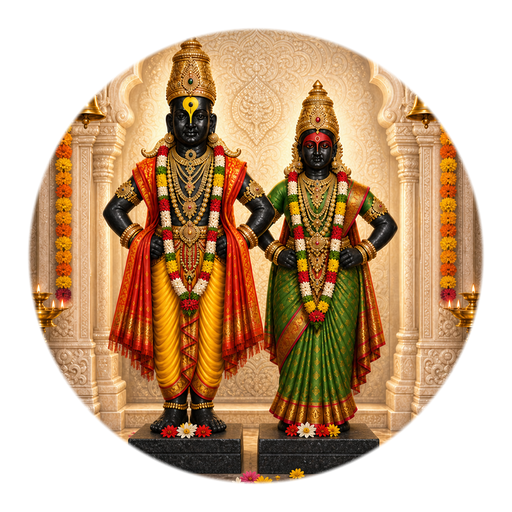
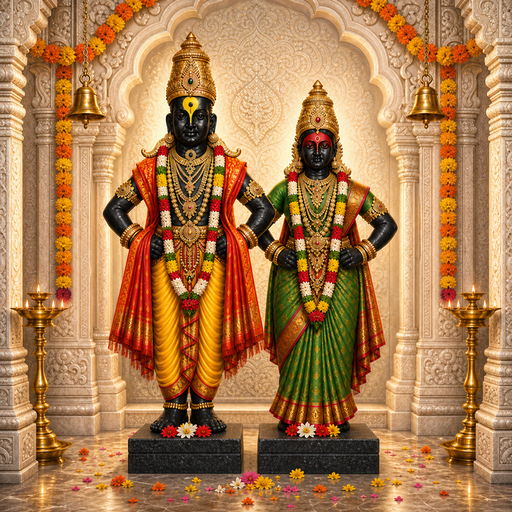
Yuge Atthavis Vitevari Ubha is one of Sant Namdev's most popular Vitthal aartis — it describes Vitthal standing on the brick at Pandharpur for twenty-eight ages, and the glory of his darshan.
Mantra & aarti
Composer: Sant Namdev — a leading poet-saint of the Varkari tradition (approximately 13th–14th century), traditionally regarded as a contemporary of Sant Dnyaneshwar.
When to sing it: Sung during Vitthal darshan and the daily evening aarti at Pandharpur after the naivedya is offered, and during Ashadhi-Kartiki Ekadashi and the wari.
Meaning (brief): For twenty-eight ages Vitthal has stood upon the brick, Rakhumai at his left in divine splendour; the Supreme Being came here for Pundalik's sake, and the Bhima river flows at his feet. Wearing a tulsi garland, a yellow silk garment and a musk mark on the forehead, Vithoba is worshipped with the aarti lamp by Rakhumabai, Rahi and all the queens, while gods and Garuda-Hanuman stand in attendance. Kurvandya offerings are released into the Chandrabhaga, and Vaishnavas dance with dindis and flags; bathing in the Chandrabhaga and taking Vitthal's darshan during Ashadhi-Kartiki are said to grant liberation — so Namdev sings this aarti with devotion.
The words and tune can vary slightly by household or sect. This text follows a traditional household Aarti Sangrah booklet.