Yogini Ekadashi
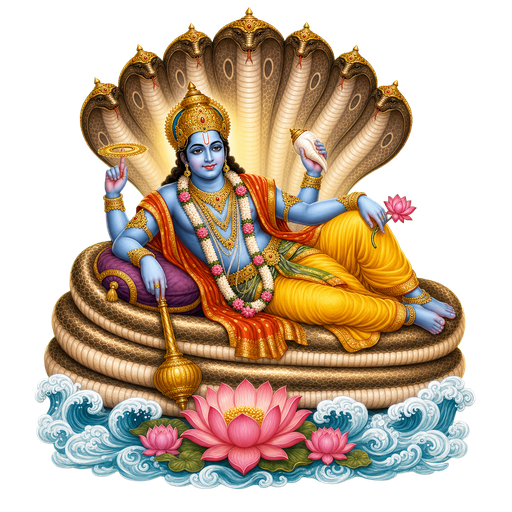
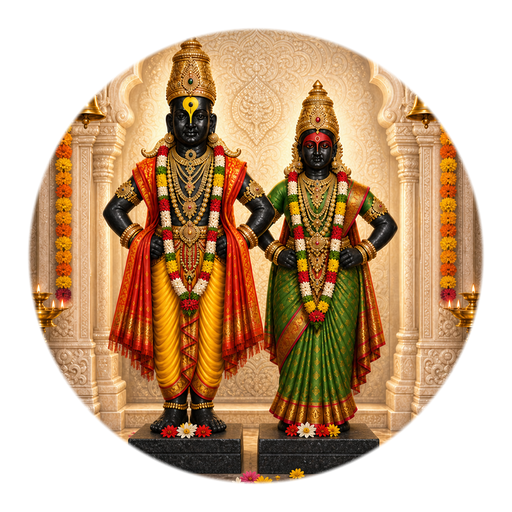
Yogini Ekadashi is the Krishna Paksha Ekadashi of the Jyeshtha (Ashadha) month — Vishnu's vrat for expiation and freedom from illness. This year (2026) it falls on two days — 10 July for the Smarta tradition, 11 July for the Vaishnav/Bhagwat tradition.
This year's dates (2026)
By the Amanta reckoning followed in Maharashtra it falls in Jyeshtha Krishna Paksha, while most Purnimanta/pan-India panchangs call the same tithi Ashadha Krishna Ekadashi — the same tithi either way. It falls between Nirjala Ekadashi (Jyeshtha Shukla) and Ashadhi/Devshayani Ekadashi (Ashadha Shukla, the start of Chaturmas).
Significance
Observing the Yogini Ekadashi vrat is believed to destroy sins and, in particular, bring freedom from skin ailments. The merit of this vrat is compared to the great merit of feeding Brahmins. This healing merit is a matter of religious belief, not a substitute for medical treatment — illness still calls for a doctor's care.
The legend (katha)
In the city of Alakapuri ruled Kubera, the king of yakshas. In Kubera's service was a yaksha named Hemamali, whose daily duty was to fetch flowers from Mansarovar lake for worship. One day he became so absorbed in love for his beautiful wife that he forgot his duty and kept delaying the flower-gathering. The enraged Kubera cursed him — Hemamali was afflicted with white leprosy and separated from his wife.
Afflicted with the disease and parted from his wife, Hemamali wandered aimlessly until he met the sage Markandeya, who advised him to observe the Yogini Ekadashi vrat. Hemamali kept the vrat with faith — his leprosy was cured, and he was reunited with his wife.
Some versions credit this story to the Brahmavaivarta Purana, others to the Padma Purana. The wife's name is given as "Swarupvati" in some tellings and "Vishalakshi" in others. The deity is named simply as Vishnu in most sources, while some specifically name the Vamana avatar; another version describes the flowers as being gathered for Shiva worship.
Puja vidhi
On the day of Ekadashi, bathe and worship Vishnu — offer flowers, tulsi, incense and a lamp. Keep the fast through the day, hold a night vigil, and break the fast (parana) the next day, on Dwadashi. The exact sequence can vary a little by family or local tradition.
Smarta vs. Bhagwat — why two days?
The Smarta tradition takes whichever tithi is present at sunrise as Ekadashi, while the Vaishnav/Bhagwat tradition observes only a "pure" Ekadashi — one where the Dashami tithi has fully ended before sunrise (arunodaya). Because of this, the fasting day sometimes falls on different dates for the two traditions; this reflects a rule about avoiding any overlap with Dashami, not an error.
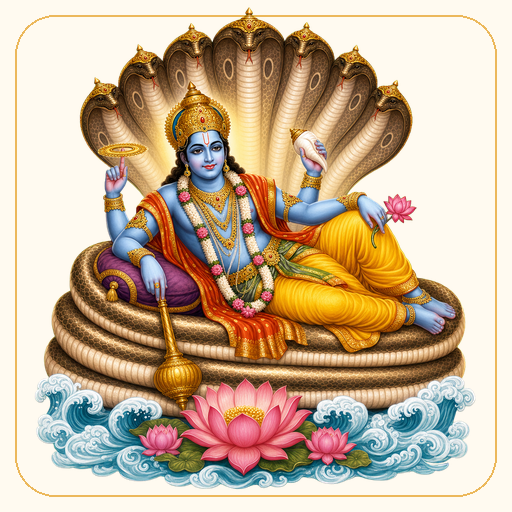
This year (2026), Smarta Yogini Ekadashi falls on Friday, 10 July, while Bhagwat (Vaishnav) Yogini Ekadashi falls on Saturday, 11 July.
2026 is an Adhik-Jyeshtha year (a year with an intercalary Jyeshtha month), which is why this Ekadashi falls unusually late, in July; in an ordinary year it falls around late June or early July.
Fasting & parana
The form of the fast — nirjala (waterless) or phalahar (fruits only) — varies by family tradition. Those with diabetes, pregnancy, advanced age, or illness should avoid a strict nirjala or prolonged fast and instead choose phalahar or a gentler fast, with a doctor's advice. Keep a night vigil, and break the fast the next day, on Dwadashi tithi. Choose your fasting day according to whether you follow the Smarta or the Bhagwat (Vaishnav) tradition.
Mantra
The puja is traditionally accompanied by chanting Vishnu's names; the chant "Om Namo Bhagavate Vasudevaya" (meaning "salutations to Bhagavan Vasudeva," i.e., Vishnu) is especially recited.
Good to know
- Choose your fasting day according to whether you follow the Smarta or the Bhagwat (Vaishnav) tradition — neither day is "wrong," they simply follow different traditions' rules.
- This Ekadashi is known by both the Jyeshtha and Ashadha names — both refer to the same tithi.
- In 2026 this Ekadashi falls unusually late because of the intercalary month; next year it's expected around late June or early July.
FAQ
- When is Yogini Ekadashi in 2026?
- Friday, 10 July 2026 for the Smarta tradition; Saturday, 11 July 2026 for the Bhagwat (Vaishnav) tradition.
- Which month does Yogini Ekadashi fall in — Ashadha or Jyeshtha?
- In Maharashtra (Amanta reckoning) it's Jyeshtha Krishna Ekadashi; in most panchangs (Purnimanta) it's Ashadha Krishna Ekadashi — the same tithi either way.
- What is the difference between Smarta and Bhagwat (Vaishnav) Ekadashi? Why does Ekadashi fall on two days?
- The Smarta tradition follows the tithi present at sunrise, while the Vaishnav tradition observes only a "pure" Ekadashi untouched by Dashami — so the two traditions' fasting days sometimes fall apart.
- Why observe Yogini Ekadashi / what merit does it grant?
- Destruction of sins and freedom from skin ailments — per the story of the yaksha Hemamali, this is the merit attributed to the vrat; this is a matter of religious belief, not medical treatment.
- What is the vrat katha of Yogini Ekadashi?
- The yaksha Hemamali, cursed for neglecting his duty, observes the Yogini Ekadashi vrat on sage Markandeya's advice and is cured of his illness, reunited with his wife.
- When should the fast be broken on Yogini Ekadashi?
- The day after Ekadashi, on Dwadashi tithi — the exact time follows that year's panchang.