Maghi Purnima
Maghi Purnima falls on Magh Shukla Purnima — the day marking the end of the Magh Snan month and Kalpvas. River bathing, worship of Vishnu/Madhav and Surya, and charity all hold special importance on this day. In 2026, this tithi falls on Sunday, 1 February. The two most prominent occasions — Lalita/Shodashi Jayanti and Sant Ravidas Jayanti — are also co-observed on the same tithi.
This year's dates (2026)
Significance
The merit of bathing in sacred rivers and giving charity through the entire month of Magh is said to reach completion on this Purnima — some sources equate this merit to that of an Ashwamedha yajna. The name "Maghi"/"Magh" is said to come from the Magha nakshatra, since the full moon draws near this nakshatra.
Kalpvas — the practice of staying in tents at the Prayagraj Sangam for a month of Vedic study and austerity — also concludes on this very Purnima. This is chiefly a North Indian tradition, centred on Prayagraj.
Sesame's six uses — in bathing, in ubtan paste, in havan, in consumption, in charity, and in offerings — are said to destroy sin.
Three separate occasions are also co-observed on this same tithi:
- Lalita Jayanti / Shodashi Jayanti — the belief that Goddess Lalita Tripura Sundari (one of the Dus Mahavidyas, in her sixteen-year-old maiden form as Shodashi) manifested on this very day; this is chiefly an observance of the Shri Vidya/Shakta tradition.
- Sant Ravidas Jayanti — the birth anniversary of the North Indian Bhakti saint Ravidas falls on this same tithi; this isn't originally Maharashtra-specific.
- Buddhist "Magh Purnima" — per Marathi Wikipedia, this is recorded as the day the Buddha announced his Mahaparinirvana at Vaishali. English Wikipedia clarifies that this is a distinct tradition from the Southeast Asian Theravada Buddhist festival "Magha Puja" (a gathering of the Buddha and 1,250 disciples, formalised in Thailand in the 19th century) — the exact tithi correspondence between the two hasn't been independently verified.
The legend
Two different legends are found for Maghi Purnima.
The first, the Shubhavrata Brahmin-Narmada mahatmya legend, is fundamentally a story about the merit of Magh bathing, not a Purnima-specific vrat-katha. The second is a "thirty-two Purnima" vrat legend about a childless Brahmin couple — worshipping Goddess Kali and observing a sixteen-day vrat that brought their son long life — but this is a generic Purnima-vrat legend that recurs across many Purnimas, not specific to Magh.
Both legends are recorded separately here.
Who observes it
Devotees who bathe and give charity — bathing before dawn in a sacred river (or at home with Ganga-mixed water) and giving alms. Kalpvasis — those who stay a month at the Prayagraj Sangam (chiefly a North Indian tradition). Farming communities, who follow the custom of offering new jowar/grain to the deity before consuming it themselves. Lalita/Shakta worshippers and Ravidas devotees also keep their own separate observances on this same tithi.
Puja vidhi
- Bath: at dawn's Brahma muhurat in a sacred river, or at home with Ganga-mixed water if that isn't possible — the sentiment that "every river is like the Ganga" is central.
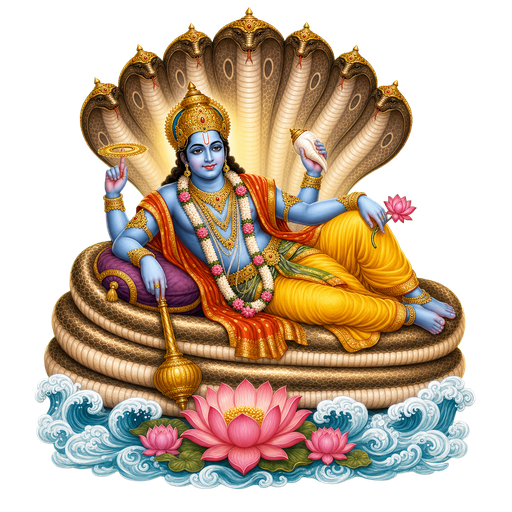
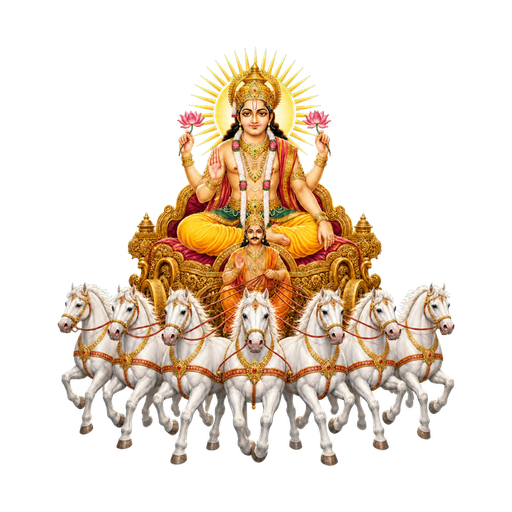
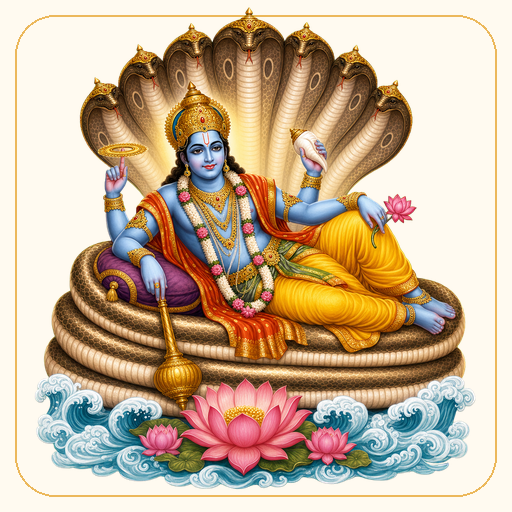
- Worship: of Vishnu/Madhav and Surya; some sources also mention Shiva-Parvati and Goddess Ganga.
- Use of sesame: mixing sesame into bathwater, in the ubtan paste, in havan, in consumption, and in charity and offerings.
- Charity: giving food, clothing, sesame, jaggery, ghee, blankets, and dakshina is considered meritorious.
- Agricultural rite (Maharashtra-specific): tying five ears of new jowar into a bundle for worship; keeping the grain-bundle in the field or threshing floor for worship before threshing begins.
No independent, widely accepted udyapan ritual specific to Maghi Purnima was found.
What you need
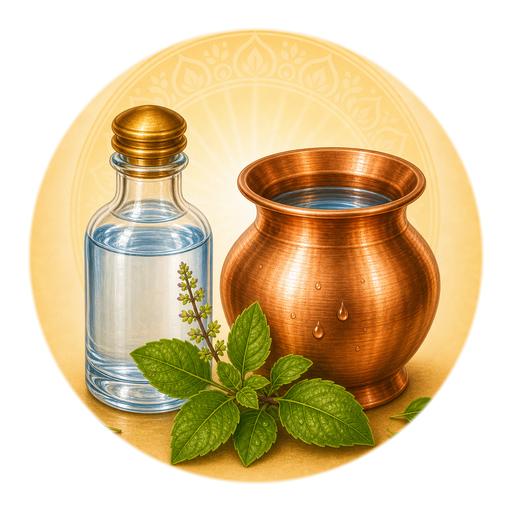
Ganga water or river water, an image of Vishnu/Madhav and Surya, sesame (for bathing, ubtan, havan, charity), lamps-oil-wick, food grain-clothing-jaggery-ghee-blankets for charity, and ears of new jowar/grain (for the agricultural rite).
 Ganga water
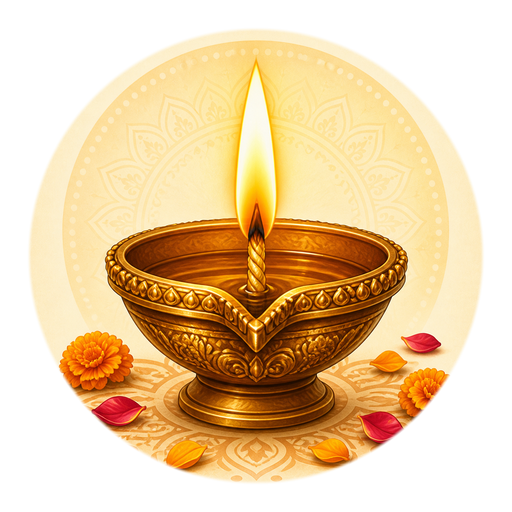 Lamp
Lamp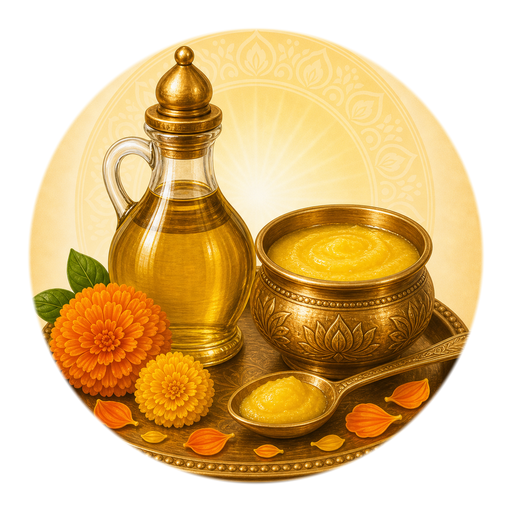 Oil
Oil Clothing (for charity)
Fasting
Fasting isn't mandatory for everyone — the main emphasis is on bathing and charity. For those who do fast, a light sattvic diet or a fruit-only diet is common — this varies by household and local tradition.
Mantra & stotra
By tradition, the Vishnu chant "Om Namo Narayana" is associated with this day.
Regional customs
Konkan/Kunbi-Warli new-grain custom (limited-source): according to limited sources, Maharashtra — especially the Konkan belt — has an agricultural custom expressing gratitude for the new harvest on Magh Purnima: the Kunbi community is said to worship seven stones; the Warli community is said to install the deity 'Narayan' on the rice heap and dance around it; farmers more generally are said to worship five ears of new jowar.
This custom should not be called "Navann Purnima" — that name is established as belonging to Kojagiri/Sharad (Ashwin) Purnima. Magh's new-grain custom is a parallel, separate practice.
Maghi Wari (Pandharpur) — adjacent, but a different tithi: the Maghi Wari pilgrimage to Pandharpur falls on Jaya Ekadashi (Magh Shukla Ekadashi, 29 January in 2026) — three days before this Purnima, not on the Purnima itself. Maghi Wari and Maghi Purnima shouldn't be treated as the same thing; full detail is on the Jaya Ekadashi page.
Good to know
- Maghi Wari ≠ Maghi Purnima: these are two separate observances, on different tithis — avoid confusing them.
- Don't call this "Navann Purnima": that name is the established name for Kojagiri/Sharad Purnima.
- The bathing muhurat can vary by city — check the 1 February day page for the exact time.
- Treat any claims about early-morning winter river bathing as matters of faith, not medical advice.
FAQ
- When is Maghi Purnima in 2026?
- Sunday, 1 February 2026 (Magh Shukla Purnima).
- What is Maghi Purnima, and what is its significance?
- The conclusion of Magh's sacred bathing and charity tradition; the month-long Kalpvas at the Prayagraj Sangam also ends on this same day.
- Why is bathing considered important on Maghi Purnima?
- Because the merit of Magh bathing (equated by some sources to an Ashwamedha yajna) is believed to reach completion on this Purnima.
- What is Kalpvas, and why does it end on Maghi Purnima?
- The practice of staying in tents at the Sangam for austere, disciplined living for a month; since the Magh Snan month ends on this Purnima, Kalpvas concludes here too.
- What should be donated on Maghi Purnima?
- Sesame, food grain, clothing, jaggery, ghee, and blankets are considered meritorious to donate.
- Are Maghi Purnima and Maghi Wari the same?
- No; Maghi Wari (Pandharpur) falls on Magh Shukla Ekadashi (Jaya Ekadashi), three days before the Purnima — two different tithis.
- Is Maghi Purnima a Buddhist festival?
- Per Marathi Wikipedia, the Buddhist tradition also has a "Magh Purnima" (the day of the Mahaparinirvana announcement), but it is a separate tradition from the Hindu Magh-bathing observance.
- Why do Lalita Jayanti / Shodashi Jayanti fall on Maghi Purnima?
- The Shakta tradition holds that Goddess Lalita Tripura Sundari (Shodashi) manifested on this very tithi — a separate, co-observed occasion.