Vijaya Ekadashi
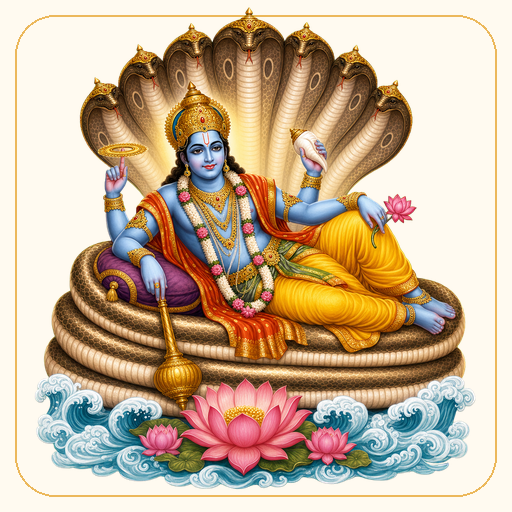
Vijaya Ekadashi is the Krishna Paksha Ekadashi of the Magha (Phalguna) month — a Vishnu vrat for victory. Lord Ram is said to have observed it before his campaign against Lanka.
This year's dates (2026)
"Vijaya" means victory. By the Amanta reckoning followed in Maharashtra it falls in Magha Krishna Paksha, while most North Indian (Purnimanta) panchangs call the same tithi Phalguna Krishna Ekadashi — one and the same day. This year (2026) it fell on Friday, 13 February.
Note: "Vijaya Ekadashi" (this vrat) and "Vijayadashami/Dussehra" (Ashwin Shukla Dashami, the October festival of Devi/Ram-Ravana) are two completely different observances — they only share the word "vijaya" (victory) in their names. Don't conflate the two.
Significance
Observing the Vijaya Ekadashi vrat is believed to help overcome obstacles and secure success and victory. Its fruit is described as victory in this life and enduring merit in the next.
The legend (katha)
After Ravana abducted Sita, Ram set out in search of her. Along the way he met Jatayu, slew the demon Kabandha, formed an alliance with Sugriva, and gathered an army of vanaras. Hanuman went to Lanka, found Sita, and returned with news of her. Ram then reached the ocean shore with his army, but faced a problem — how to cross a vast ocean teeming with sea creatures.
Lakshman told him that a sage named Bakdalbhya lived on a nearby island. Ram went to him, and the sage said, "Observe the Vijaya Ekadashi vrat with faith, and victory will be assured." Ram observed the vrat along with his army — only then was he able to cross the ocean, slay Ravana, conquer Lanka, and recover Sita.
Some traditions also tell that during a moment of crisis in their exile, Krishna advised the Pandavas to observe this same vrat.
Some details of the story vary by version — some tellings have Krishna narrating this to Yudhishthira, others to Arjuna; the sage's island is named "Kumari Dvip" in some versions; and the episode of the vanaras Nala and Nila building a bridge after the vrat appears in some retellings, while the original Puranic text omits it, moving straight to Ravana's defeat. Which Purana this legend belongs to is also disputed — some sources credit it to the Padma Purana, others to the Skanda Purana.
Puja vidhi
On Dashami, set up a kalash (of gold, silver, copper, or clay) filled with water, topped with a sprig of fresh leaves (pallav) and a golden image of Narayan. On Ekadashi, bathe and worship the kalash with a garland, sandalwood, betel nut, and coconut; place the seven grains and barley atop the kalash. Listen to the katha through the day, and keep a night vigil with an unbroken ghee lamp. On Dwadashi, take the kalash to a water body and donate it, along with the deity's image, to a worthy Brahmin.
Fasting & parana
The form of the fast — nirjala (waterless) or phalahar (fruits only) — varies by family tradition. Those with diabetes, pregnancy, advanced age, or illness should avoid a strict nirjala or prolonged fast — choose phalahar or a gentler fast, ideally with a doctor's advice. Keep a night vigil, and break the fast the next day, on Dwadashi tithi. Since Ekadashi is a regular fortnightly/annual vrat, it generally has no separate udyapan (closing ceremony); if a specific sankalp-vrat's udyapan is intended, that follows tradition.
Mantra
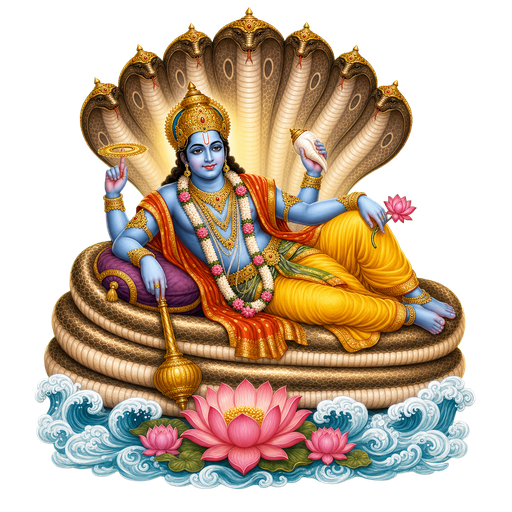
The puja is traditionally accompanied by chanting "Om Namo Bhagavate Vasudevaya" (meaning "salutations to Bhagavan Vasudeva," i.e., Vishnu) and a Vishnu aarti.
Good to know
- Vijaya Ekadashi and Vijayadashami/Dussehra are two separate observances — don't let the similar names cause confusion.
- This Ekadashi is known by both the Magha and Phalguna names — both refer to the same tithi.
- If you plan to do the kalash puja and donation, preparation needs to start from Dashami itself — this avoids a last-minute scramble.
FAQ
- What is Vijaya Ekadashi / what does "Vijaya" mean?
- "Vijaya" means victory. This Magha (Phalguna) Krishna Paksha Ekadashi is regarded as a Vishnu vrat for victory.
- When was Vijaya Ekadashi in 2026?
- Friday, 13 February 2026.
- Is Vijaya Ekadashi in Magha Krishna Paksha or Phalguna Krishna Paksha?
- Both refer to the same tithi. In Maharashtra (Amanta reckoning) it's Magha Krishna Ekadashi; in North Indian (Purnimanta) panchangs it's Phalguna Krishna Ekadashi.
- What is the vrat katha of Vijaya Ekadashi? What is Ram's connection to it?
- Unable to cross the ocean, Ram observed the Vijaya Ekadashi vrat on sage Bakdalbhya's advice — only then was he able to cross the ocean and defeat Ravana.
- Are Vijaya Ekadashi and Vijayadashami (Dussehra) the same?
- No. Vijaya Ekadashi is a Vishnu vrat in the Magha/Phalguna month, while Vijayadashami (Dussehra) is a separate festival in the Ashwin month — they only share a similar-sounding name.
- What is donated on Vijaya Ekadashi (the kalash donation)?
- On Dwadashi, the worshipped kalash, along with the deity's image, is donated to a worthy Brahmin.
- When should the fast be broken on Vijaya Ekadashi?
- The day after Ekadashi, on Dwadashi tithi — the exact time follows that year's panchang.