Deep Amavasya
Deep Amavasya is Ashadh Krishna Amavasya — the last day of the Ashadh month, one day before Shravan begins. The panchang also calls this day "Darsha Thanavayi Amavasya." The main ritual is cleaning and worshipping every lamp in the home — this is called deep pujan. In some places, this day is also popularly (but not scripturally) called "Gatari Amavasya." In 2026, this tithi falls on Wednesday, 12 August.
This year's dates (2026)
Significance
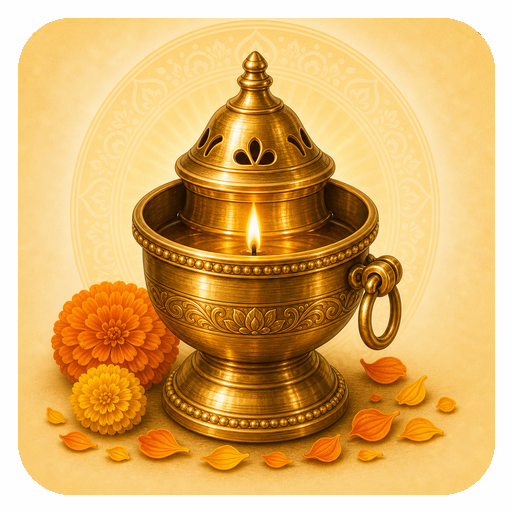
Deep pujan / gratitude to Agni is the core of this day. On Ashadh Amavasya, every metal lamp in the home — the samai, niranjan, panti — is scrubbed clean and then worshipped. This is regarded as a day of expressing gratitude toward the principle of light/fire.
Since this is the last day of the Ashadh month, it also carries significance as the gateway to Chaturmas/Shravan — many traditions hold that from the very next day, the fasting rules of Shravan and Chaturmas (avoiding meat, onion-garlic, etc.) begin.
In some traditions, a lamp is made from wheat flour or jowar flour mixed with jaggery and placed facing south — a traditional belief that it symbolically lights the ancestors' path toward Yama's abode, not a scriptural claim. This lamp is later also offered as naivedya. The detailed ancestor-tarpan ritual is covered on the Sarvapitri Amavasya page.
In some (especially urban) communities, this day is popularly known as "Gatari Amavasya" and marked with meat and alcohol, as the "last day" before these are avoided through Shravan — this name is not religious or scripture-based, just popular usage, and the custom is not universal across all Marathi households. For many families, this day is simply one of deep pujan.
Remembering ancestors (Darsha Amavasya)
Every month's Amavasya — not just Ashadh's — is considered special for remembering ancestors. The detailed tarpan ritual is covered on the Sarvapitri Amavasya page.
Who observes it
Deep pujan can be performed by everyone in the household — there's no specific gender/age restriction.
The legend
This day does not have a specific, standalone legend (a birth/avatar or god-demon story) attached to it. This day is chiefly driven by significance and custom — gratitude through deep pujan, and marking the close of Ashadh and the threshold of Chaturmas — that's the basis on which its importance rests.
Puja vidhi
- Cleaning: After an early-morning bath, every metal lamp in the home (samai, niranjan, panti) is scrubbed and polished clean.
- Setting up the altar: In the evening, the puja space is cleaned, a wooden plank set out, fresh cloth spread, and rangoli drawn around it.
- Arranging the lamps: All the lamps are arranged, with wicks and oil filled in.
- Deep pujan: The lamps are worshipped with turmeric-kumkum.
- Naivedya: A sweet offering of puran or puran-poli-like food is presented.
- Kankecha diva (optional, for ancestor remembrance): A lamp made of wheat or jowar flour mixed with jaggery is placed facing south.
The exact evening timing varies by location/tradition — check the 12 August day page for the tithi's start/end times.
What you need
Samai/niranjan/panti (every lamp available at home), oil and wicks, turmeric-kumkum, flowers, rangoli, puran or other sweets for naivedya, an optional kankecha diva. (Materials can vary by family/local tradition.)
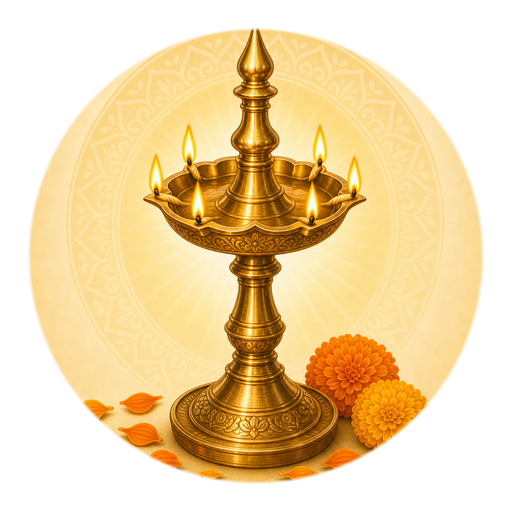 Samai lamp
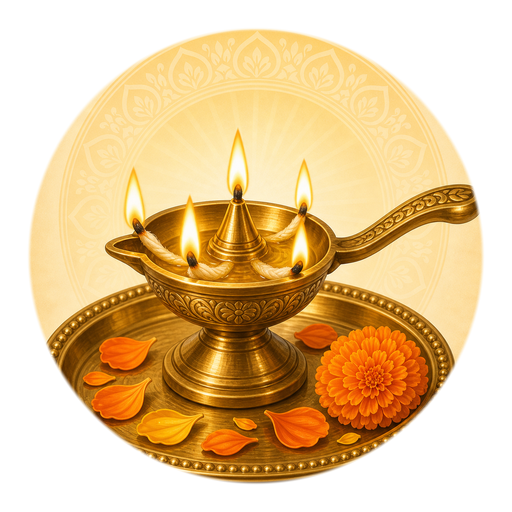 Niranjan lamp
 Panti / kankecha diva lamp
 Turmeric-kumkum
 Flowers
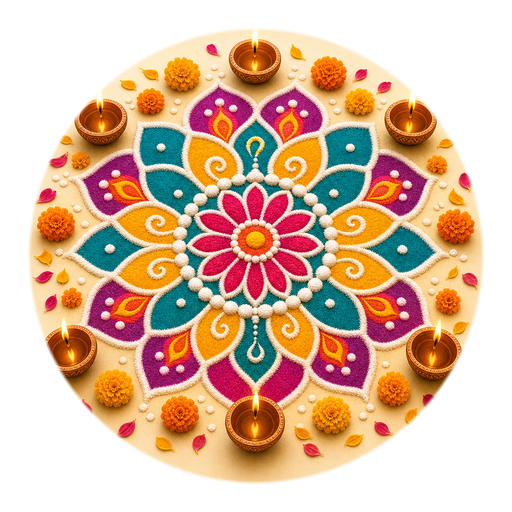 Rangoli
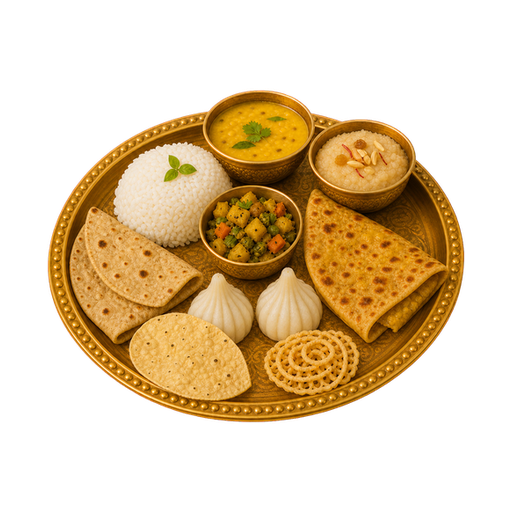 Puran naivedya
Mantra
No specific mantra or shloka is commonly used for deep pujan — the lamps are simply worshipped with turmeric-kumkum.
Regional customs
The panchang also calls this day "Thanavayi Amavasya."
Sources don't agree on where the name "Gatari" comes from (some say it's a corruption of an older word, "Gatahari"; some respected sources reject the name altogether) — see the FAQ below for details.
Good to know
- Clean and worship the lamps at home, mentally prepare for Shravan's fasting rules, and if you wish, keep a kankecha-diva naivedya.
- How this day is observed varies by household/tradition — many families mark it only with deep pujan.
FAQ
- When is Deep Amavasya in 2026?
- Wednesday, 12 August 2026 (Ashadh Krishna Amavasya), also called "Darsha Thanavayi Amavasya" in the panchang.
- Are Deep Amavasya and Gatari Amavasya the same day?
- Yes, the same day (Ashadh Amavasya) — "Gatari" is a popular but non-scriptural name tied to meat/alcohol customs; deep pujan is the day's main ritual.
- How should deep pujan be done on Deep Amavasya?
- The lamps at home are cleaned, an altar set up, and worship done with turmeric-kumkum — details are in the puja vidhi section above.
- Where does the name "Gatari" come from?
- There's no consensus — some say it's a corruption of "Gatahari" (gata+ahar, meaning "no more of this heavy food from here on"); some respected sources reject the word "Gatari" as incorrect altogether. No single etymology is firmly established.
- Why does Shravan begin right after Ashadh Amavasya?
- Ashadh Krishna Amavasya is the final tithi of the Ashadh month; under the amanta system (followed in Maharashtra), the new month — Shravan — begins from the next Pratipada.
- Why is the kankecha diva lit for ancestors?
- A jaggery-mixed wheat-flour lamp placed facing south is believed, by tradition, to light the ancestors' path toward Yama's abode — not a scriptural claim.
- Why is tarpan done on Darsha Amavasya?
- Every month's Amavasya is considered special for remembering ancestors. The detailed tarpan ritual is on the Sarvapitri Amavasya page.