Mauni Amavasya
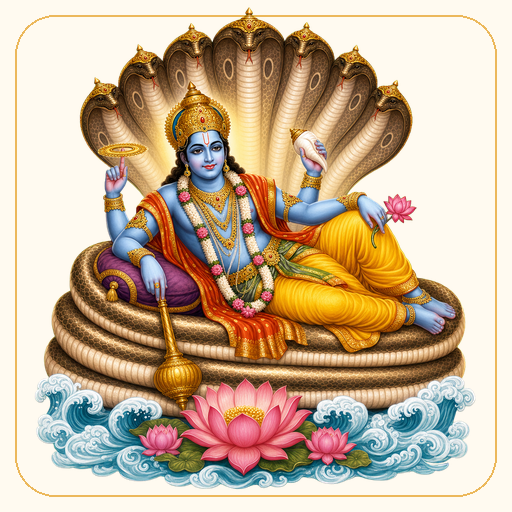
Mauni Amavasya is Paush Krishna Amavasya (in the pan-India/purnimanta tradition, this same day is called "Magh Krishna Amavasya" or "Maghi Amavasya" — the same tithi, just a different name). It's regarded as a day of devotion to Vishnu, a day-long vow of silence, sacred bathing, and remembering one's ancestors. In 2026, this tithi fell on Sunday, 18 January.
This year's dates (2026)
Avoid this mix-up: The panchang also carries an "Amavasya" tithi on 17 February 2026 (Magh Krishna), but that day isn't labelled "Mauni" — it's a different amavasya, not Mauni Amavasya. Mauni Amavasya falls only on 18 January.
What the name means
"Mauna" means silence/restraint of speech. The core of this vrat is observing silence for as much of the day as possible, for self-reflection — hence the name "Mauni Amavasya." Mental repetition of the divine name (japa done silently in the mind) is believed to be more fruitful than spoken chanting.
Some sources hold that the sage Manu observed silence/austerity on this very amavasya, which is why it carries this name; others hold that Brahma manifested the self-born Manu and Shatarupa on this day, marking the start of humankind. Both versions come from different traditions, without a clear scriptural citation behind either.
Significance
Silence is the centrepiece: in Hindu tradition, silence is regarded as an elevated spiritual practice — restraint of speech is believed to focus the mind and make self-reflection possible.
Part of the Magh-snan tradition: this is regarded as one of the key tithis within the "Magh-snan" tradition observed from Paush Purnima through Magh Purnima — bathing in sacred rivers is believed to bring special merit (this is a matter of traditional belief, not a scientific or historical claim).
The importance of ancestor remembrance: performing tarpan for one's ancestors on this day is believed to bring them peace — see the Pitru Paksha page for the detailed tarpan method.
Mauni Amavasya is one of six major bathing dates within Prayagraj's annual Magh Mela (often considered the most significant of them) — but this is a North-India-centred fact, not a Maharashtra-specific claim. This annual Magh Mela is unrelated to the Nashik-Trimbakeshwar Simhastha Kumbh — the two are entirely separate, unconnected events.
The legend
The Devaswami-Gunavati-Soma story
This is a popular vrat-katha, told in nearly identical form across Hindi-language retellings — though no source cites an original scriptural text.
In the city of Kanchipuri lived a Brahmin named Devaswami, his wife Dhanavati, and their seven sons and one daughter, Gunavati. An astrologer foretold that Gunavati would be widowed soon after her marriage. As a remedy, it was learned that the accumulated merit of a washerwoman named Soma, living on the island of Sinhaladvipa, could help. Devaswami sent his youngest son and Gunavati to seek her out.
While the siblings were crossing the sea, a family of vultures helped them out of compassion. After the siblings performed selfless service at Soma's home (cleaning every day before dawn), Soma was pleased with them. At Gunavati's wedding, her husband died; Soma then donated her own accumulated merit to revive him.
When Devaswami asked how, Soma explained — she had worshipped Vishnu and circled a peepal tree 108 times on Mauni Amavasya, and that same merit had once protected her own husband and son from an untimely death. The lesson: selfless service and the observance of Mauni Amavasya (Vishnu worship plus circumambulation) bear great fruit.
Who observes it
The silence vrat and ritual bathing/charity can generally be observed by anyone (women or men) — no source found any claim of a specific gender or age restriction. Those seeking mental peace/self-reflection, wishing to perform ancestor tarpan, or wishing to practise charity observe it in particular.
This vrat is observed pan-India, according to available sources, especially on a large scale in North India and around Prayagraj; in Maharashtra too, it is generally observed at the household level — bathing, silence, and charity. No independent source was found for a large-scale public bathing yatra or any Nashik/Godavari-specific tradition tied to it.
Puja vidhi
- Bathing: A bath is taken, ideally before sunrise (during Brahma muhurat), in a sacred river, or at home with a little Ganga water mixed in.
- Silence: After bathing, silence is observed for as long as possible (through the whole day, in some traditions) — avoiding unnecessary speech and repeating the divine name silently in the mind.
- Surya-arghya: Water is offered to the Sun god.
- Vishnu puja: Vishnu is worshipped with flowers, incense, and a lamp; in some traditions, 108 circumambulations of a Tulsi plant along with meditation on Vishnu are also performed.
- Ancestor tarpan: Ancestors are remembered and tarpan offered — the detailed method is on the Pitru Paksha page.
- Charity: According to one's means, food, clothing, warm garments, sesame seeds, and fruit are donated.
What you need
Ganga water (or water from a local sacred river), a lamp/incense, flowers, tulsi leaves, naivedya, and food-clothing-sesame for charity. (Materials can vary by family/local tradition.)
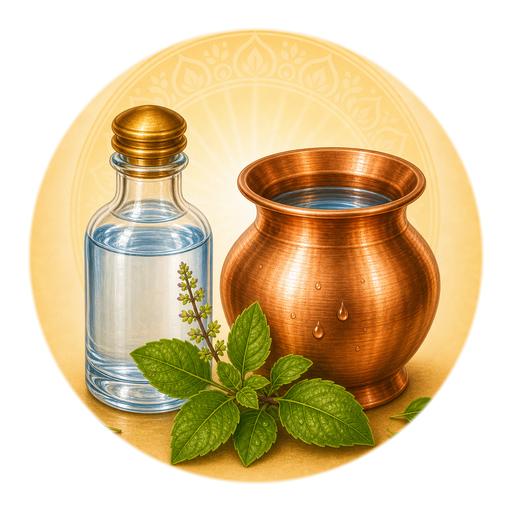 Ganga water
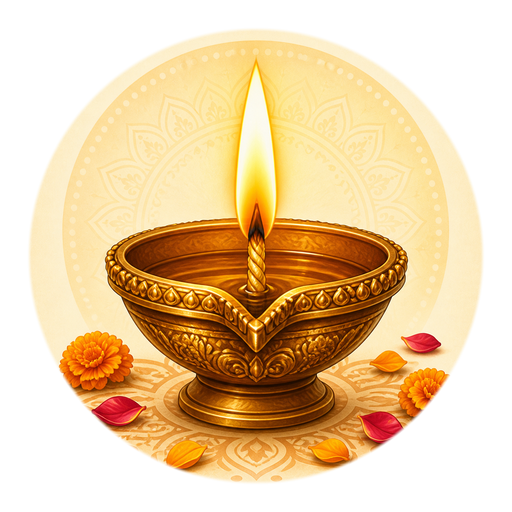 Lamp
Lamp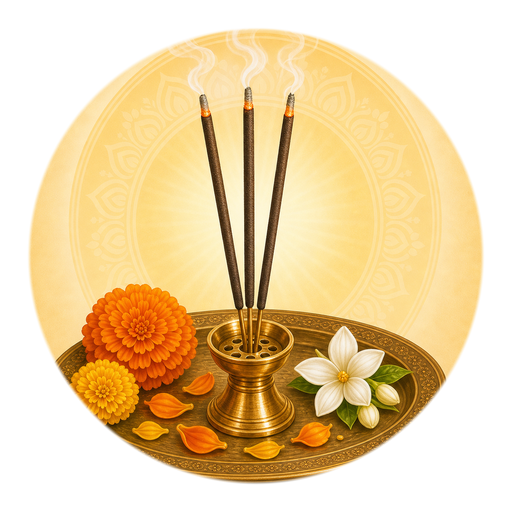 Incense
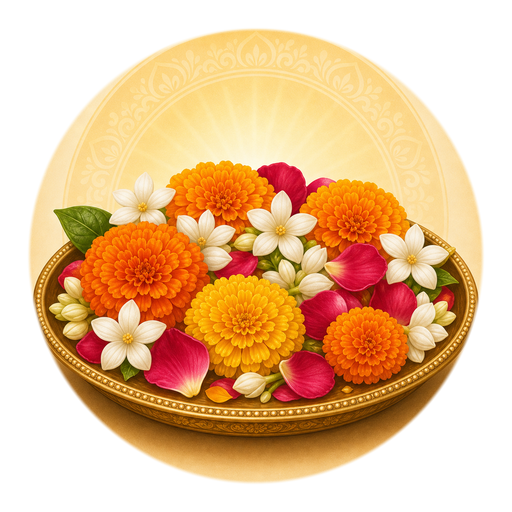 Flowers
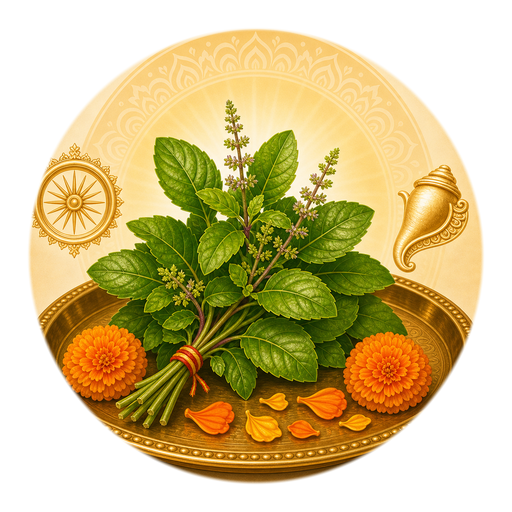 Tulsi leaves
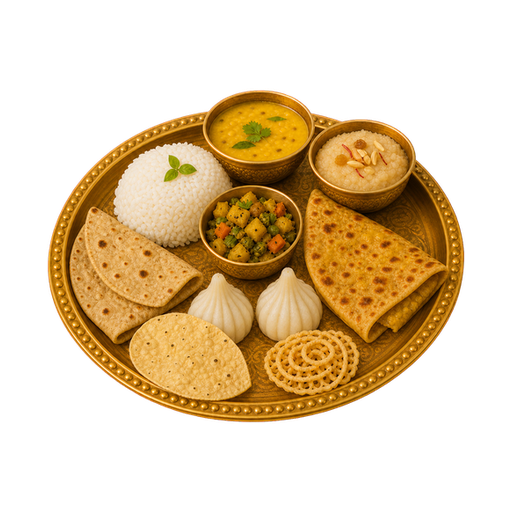 Naivedya
 Clothing (for charity)
Fasting
In some traditions a full fast (waterless or fruit-only) is kept, while in others only silence is observed alongside a regular sattvik vegetarian meal — sources don't agree clearly on the exact rules, so this can vary by household/local tradition.
Mantra
A Ganga-remembrance mantra and a Vishnu-meditation mantra are traditionally recited while bathing.
Regional customs
In Maharashtra, this day is generally observed at the household level — bathing, silence, and charity — as part of the same pan-India pattern. No independent source was found for a large-scale public bathing yatra or any distinct Nashik/Godavari-specific tradition; most available coverage is North-India-centred (Prayagraj, Ganga-Yamuna).
Avoid confusing this with the Nashik Simhastha: the Nashik-Trimbakeshwar Simhastha Kumbh (starting October 2026) and Mauni Amavasya (18 January 2026) are entirely separate, unrelated events — more than 10 months apart chronologically, with no direct connection.
In Maharashtra/under the amanta system, this is "Paush Krishna Amavasya"; in North India/under the purnimanta system, this same day is "Magh Krishna Amavasya" ("Maghi Amavasya") — the same day, a different name.
Good to know
- Do: bathe at dawn, observe as much silence as possible through the day, worship Vishnu, perform ancestor tarpan if possible, and give charity.
- Avoid (by tradition): harsh or unnecessary speech and arguments — these run against the spirit of the silence vrat.
- Elderly and unwell individuals should take care when bathing in cold water at dawn.
- Avoid the date mix-up: Mauni Amavasya is only on 18 January — 17 February is not Mauni Amavasya.
FAQ
- When is Mauni Amavasya in 2026?
- 18 January 2026 (Sunday) — Paush Krishna Amavasya (also known pan-India as "Maghi Amavasya").
- Why is silence observed on Mauni Amavasya?
- "Mauna" means silence; restraint of speech is believed to focus the mind and make self-reflection possible — mental japa is believed to be more fruitful than spoken chanting.
- Are Mauni Amavasya and Maghi Amavasya the same day?
- Yes; "Maghi Amavasya" is the purnimanta (North Indian) name, "Paush Krishna Amavasya" is the amanta (Maharashtra) name — the same tithi.
- What should and shouldn't be done on Mauni Amavasya?
- Do: bathe at dawn, observe silence, worship Vishnu, perform tarpan, give charity. Avoid: harsh speech, unnecessary arguments.
- What is the legend of Mauni Amavasya?
- In the popular Devaswami-Gunavati-Soma story, a woman named Soma is said to have saved both her own and another family from untimely death, through the merit she earned worshipping Vishnu and circling a peepal tree 108 times on Mauni Amavasya.
- Why is bathing and charity given such importance on Mauni Amavasya?
- It's regarded as one of the key tithis within the Magh-snan tradition; bathing in sacred rivers and giving charity are believed to bring special merit.
- What's the difference between Mauni Amavasya and Sarvapitri Amavasya or other amavasyas?
- Sarvapitri Amavasya (in Bhadrapad, the last day of Pitru Paksha) and Mauni Amavasya (in Paush/Magh, centred on the silence vrat) fall in different months with different core identities — both involve a tarpan element, but their primary identity differs.
- How should tarpan be performed on Mauni Amavasya?
- The general tarpan method is given in detail on the Pitru Paksha page.