Durgashtami
Durgashtami is the vrat dedicated to Durga Devi, observed on Shukla paksha Ashtami — the tithi before Navami — every month, twelve times a year. The Durgashtami that falls in the month of Ashwin is called Maha Ashtami — the eighth day of Sharad Navratri, the biggest and most significant Durgashtami; the other eleven are the regular monthly Durgashtamis. Twelve dates fall across 2026.
This year's dates (2026)
- Monday; the panchang's main entry is 'Republic Day'; the Ashtami tithi is genuinely present26 Jan
- Tuesday; the panchang's main entry is 'Durgashtami'24 Feb
- Thursday; the panchang's main entry is 'Shri Ram Navami' (Chaitra Navratri's closing day)26 Mar
- Friday; the panchang's main entry is 'Durgashtami'24 Apr
- Saturday; the panchang's main entry is 'Durgashtami'; falls in the Adhik masa23 May
- Monday; the panchang's main entry is 'Durgashtami'22 Jun
- Tuesday; the panchang's main entry is 'Durgashtami'21 Jul
- Thursday; the panchang's main entry is 'Durgashtami'20 Aug
- Saturday; the panchang's main entry is 'Jyeshtha Gauri Visarjan, household Ganesh Visarjan'; the Ashtami tithi is genuinely present19 Sep
- Monday; this is Sharad Navratri's Maha Ashtami (Navratri day 8)19 Oct
- Tuesday; the panchang's main entry is 'Durgashtami'17 Nov
- Thursday; the panchang's main entry is 'Durgashtami'17 Dec
Significance
Maha Ashtami comes only once a year (during Navratri); the monthly Durgashtami offers a chance every month to remember the Goddess, practise restraint, and connect with inner strength — an accessible rhythm for regular worship.
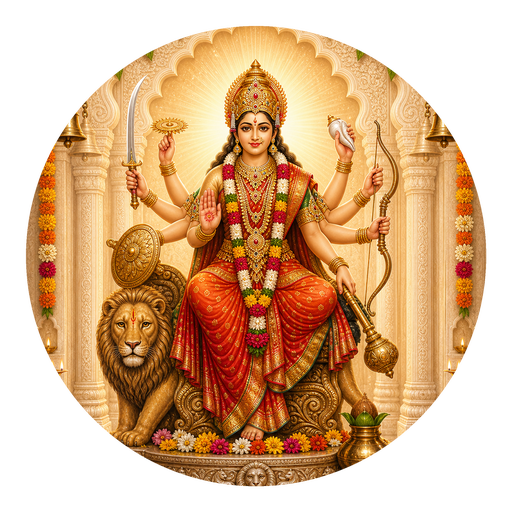
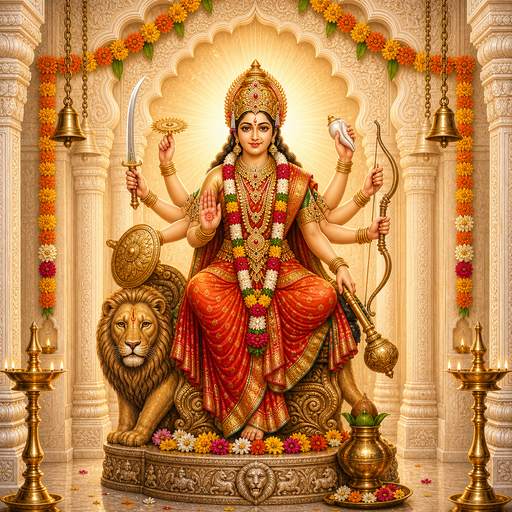
Durga Devi slaying the demon Mahishasura, achieving truth's victory over evil, is remembered on this day; worshipping the Goddess is believed to bring protection, inner strength, and peace of mind.
This legend comes from the Devi Mahatmya/Durga Saptashati — part of the Markandeya Purana, an ancient text dating to roughly 400-600 CE, recited during Navratri and Durga Puja for centuries.
Regular Ashtami worship is believed to bring protection from negative energy, the evil eye, and hidden enemies, and to increase peace of mind and confidence.
The legend
Durgashtami has no distinct legend of its own — it is part of the original Devi Mahatmya/Durga Saptashati story of Mahishasura's slaying, whose full nine-day narrative is told in detail on the Navratri page.
The demon Mahishasura had received a boon from Brahma that no man or god could kill him (in some versions: only a woman could kill him). Emboldened by this boon, he defeated the gods and struck terror across the three worlds. The gods prayed to Brahma, Vishnu, and Shiva for help; from their combined tejas (radiance) and that of the other gods, Durga Devi was born — on Shukla Ashtami. All the gods gave her their weapons — Shiva's trishul, Vishnu's chakra, Indra's vajra, and more — and she rode into battle on a lion. The Goddess fought Mahishasura for nine days and nights; at the junction of Ashtami and Navami, she slew him with the trishul — which is why she is called Mahishasurmardini.
Who observes it
The Marathi Vishwakosh (Government of Maharashtra) specifically records that women observe this vrat. English-language and general devotional sources, however, describe it more broadly as observed by "devotees" or "many people," without a gender-specific frame. By tradition, mainly women observe this vrat, though any devotee may observe it out of faith.
For regular practitioners, this monthly vrat is less elaborate than Maha Ashtami/Navratri, making it easier to observe throughout the year.
Puja vidhi
One rises early, bathes, and wears clean clothes. The Goddess's murti or image is decorated at the puja space with flowers and kumkum. Red flowers, coconut, fruit, sweets, betel leaves, and a lamp are offered. A day-long fast is kept (per one's capacity). The Durga Saptashati/Chandi Path or Durga stotras are recited; some chant mantras for mental peace. Puja and darshan are done at home or at a nearby Devi temple. In the evening, an aarti is performed and the fast is broken — by some traditions, the next morning instead.
The elaborate rituals of Navratri's Maha Ashtami (Sandhi Puja, Kanya Pujan, Ghatasthapana) are not required for the monthly Durgashtami — those belong on the Navratri page.
What you need
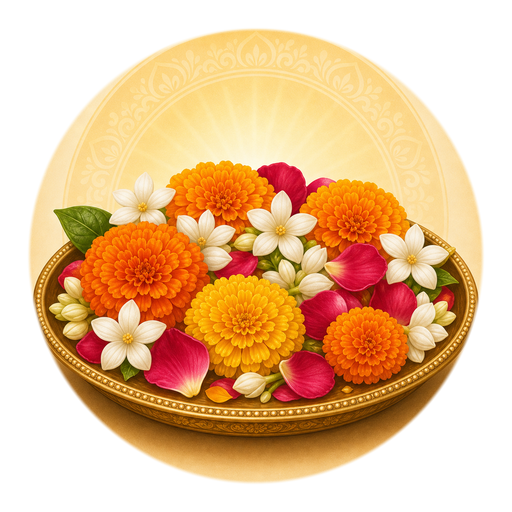
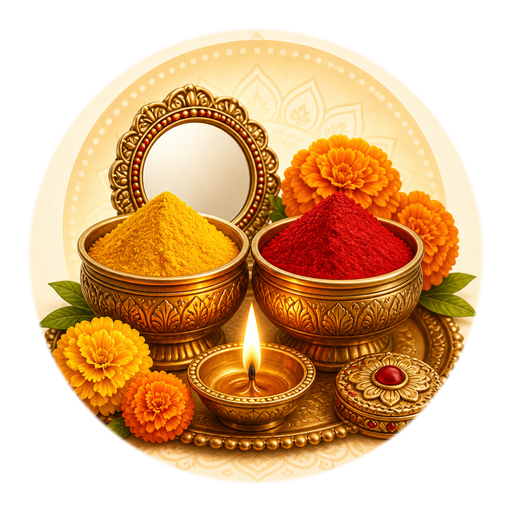
Flowers (especially red), kumkum, coconut, fruit, sweets, betel leaves, an incense-lamp, and a Durga Saptashati or stotra text.
 Flowers
 Kumkum
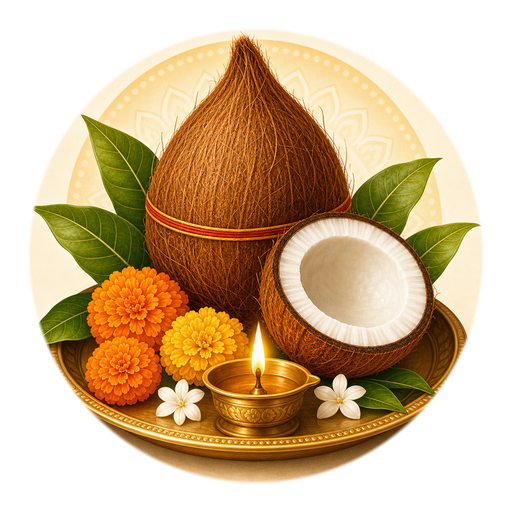 Coconut
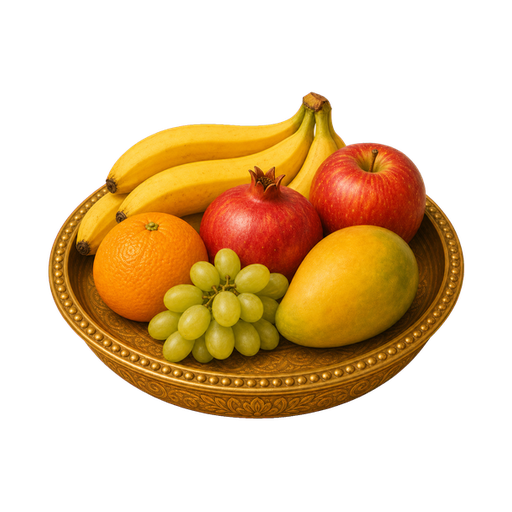 Fruit
Fruit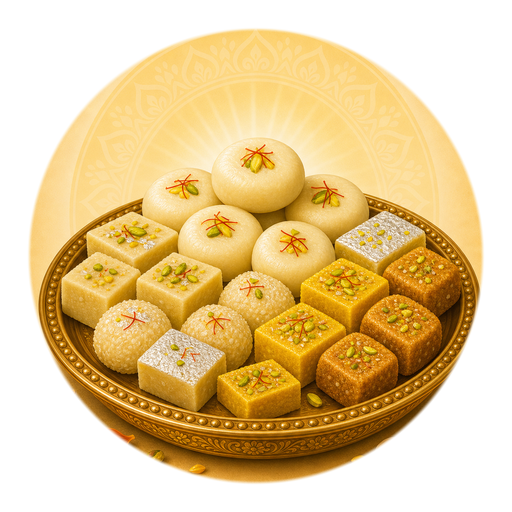 Sweets
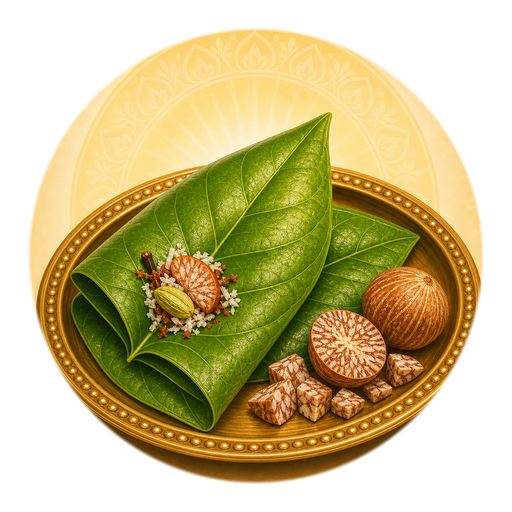 Betel leaves
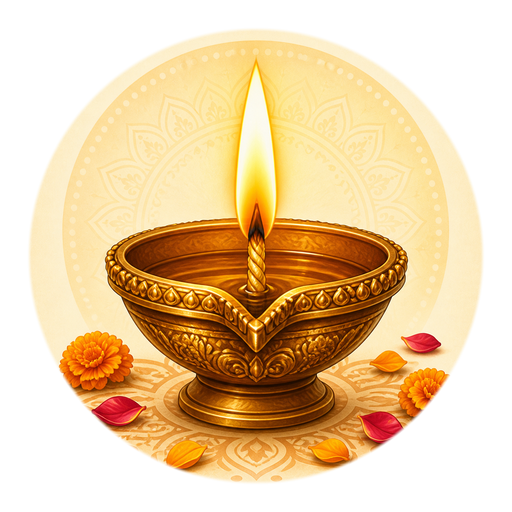 Lamp
Lamp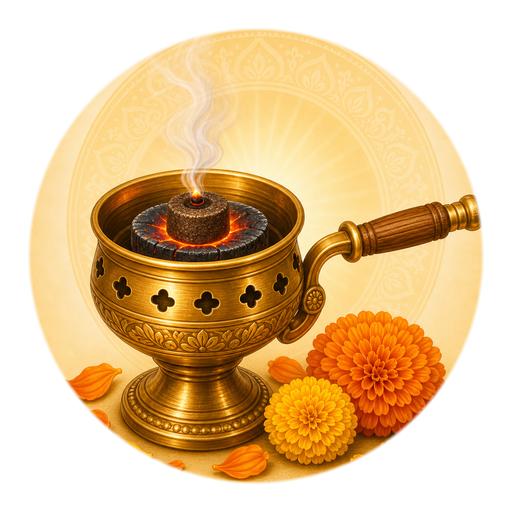 Incense
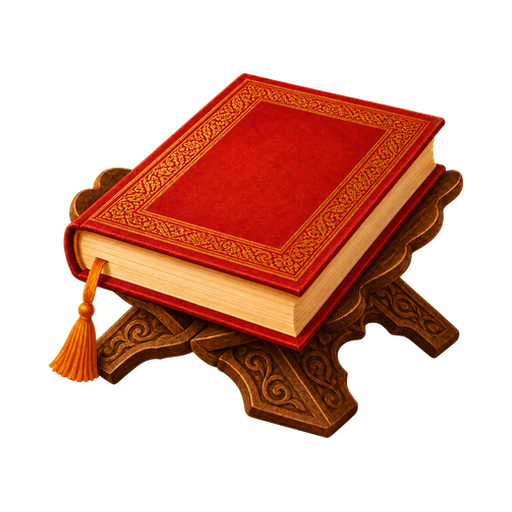 Durga Saptashati / stotra
Fasting
Some keep a full fast, others eat only fruit or milk, and some take a single sattvik meal — per capacity. Permitted fruit-fast foods include dry fruits (almonds, cashews, raisins), kuttu flour, sabudana, milk, potatoes, and rock salt; rice, wheat and other grains, pulses, meat-fish-eggs, and onion-garlic are avoided — this is the general Hindu vrat-fasting framework, not specific to Durgashtami.
Mantra & stotra
The Durga Saptashati (Chandi Path, Devi Mahatmya) is a 700-verse, 13-chapter ancient text (part of the Markandeya Purana) recited during Navratri and Durga Puja; when the full text isn't feasible, the middle section (Madhyam Charitra) is recited instead. "Durge Durghat Bhari" is a well-known Marathi Durga aarti.
Regional customs
The Marathi Vishwakosh (Government of Maharashtra) has recorded this vrat explicitly. Just as Kalbhairav Jayanti (Krishna Ashtami, Kaal Bhairav) falls every month with its main annual occurrence in Margashirsh, Durgashtami (Shukla Ashtami, Devi) also falls every month. Its main occurrence, in Ashwin, is Maha Ashtami.
In Maharashtra, Devi devotees visit nearby Devi temples (such as Tuljabhavani, Ambabai, Renuka, and other Shaktipeeth-tradition temples) for darshan on Durgashtami; the crowds are not as large as during Maha Ashtami/Navratri.
Dates (2026) — twelve Durgashtamis
| # | Date | Day | Masa | Tithi | Note |
|---|---|---|---|---|---|
| 1 | 26 January | Monday | Magh | Shu. Ashtami | Panchang's main entry is 'Republic Day' |
| 2 | 24 February | Tuesday | Falgun | Shu. Ashtami | 'Durgashtami' |
| 3 | 26 March | Thursday | Chaitra | Shu. Ashtami (at sunrise) | Panchang's main entry is 'Shri Ram Navami' |
| 4 | 24 April | Friday | Vaishakh | Shu. Ashtami | 'Durgashtami' |
| 5 | 23 May | Saturday | Adhik Jyeshtha | Shu. Ashtami | 'Durgashtami'; falls in the Adhik masa |
| 6 | 22 June | Monday | Nij Jyeshtha | Shu. Ashtami | 'Durgashtami' |
| 7 | 21 July | Tuesday | Ashadh | Shu. Ashtami | 'Durgashtami' |
| 8 | 20 August | Thursday | Shravan | Shu. Ashtami | 'Durgashtami' |
| 9 | 19 September | Saturday | Bhadrapad | Shu. Ashtami | Panchang's main entry is 'Jyeshtha Gauri Visarjan, household Ganesh Visarjan' |
| 10 | 19 October | Monday | Ashwin | Shu. Ashtami | = Maha Ashtami (Navratri day 8) |
| 11 | 17 November | Tuesday | Kartik | Shu. Ashtami | 'Durgashtami' |
| 12 | 17 December | Thursday | Margashirsh | Shu. Ashtami | 'Durgashtami' |
Being a monthly vrat, all twelve rows are complete — there is no genuine gap. On three dates, the panchang's main headline is something else, though the Ashtami tithi is genuinely present that day.
On 26 January, the panchang's main headline is 'Republic Day' (a national holiday) — the Ashtami tithi is genuinely present that day, just secondary.
On 26 March, the panchang's main headline is 'Shri Ram Navami' — Chaitra Navratri's closing day; see the Chaitra Navratri page for details.
On 19 September, the panchang's main headline is 'Jyeshtha Gauri Visarjan, household Ganesh Visarjan' (Ganeshotsav season) — the Ashtami tithi is genuinely present, but stays overshadowed amid the festival crowds.
The 23 May Durgashtami falls in the Adhik Jyeshtha (intercalary) month — observance during an adhik masa can vary by tradition.
19 October is Sharad Navratri's Maha Ashtami — see the Navratri page for the full details (Sandhi Puja, Kanya Pujan, the Mahalakshmi jagar).
Good to know
- A full fast isn't suitable for everyone — those with diabetes, blood pressure issues, pregnant women, and the elderly should choose the fruit-only or single-meal option, and stay well hydrated. Fasting is not mandatory.
- In some months, the Ashtami tithi is present even though the main calendar label is something else (a holiday or bigger festival) — this can cause confusion about "is today Durgashtami," but the tithi is genuinely there.
- Maha Ashtami's special Navratri rituals (Sandhi Puja, Kanya Pujan) apply only in the month of Ashwin — the other eleven monthly Durgashtamis do not require them.
- Check local temple timings before visiting for darshan.
FAQ
- What is Durgashtami?
- The vrat dedicated to Durga Devi, observed on Shukla paksha Ashtami every month; twelve times a year.
- What's the difference between Durgashtami and Maha Ashtami?
- The Durgashtami that falls in Ashwin is called Maha Ashtami — the eighth (biggest) day of Sharad Navratri; the other eleven are the regular monthly Durgashtamis.
- Which tithi does it fall on?
- Shukla paksha Ashtami, every amanta month.
- When are all the 2026 dates?
- Twelve dates — 26 Jan, 24 Feb, 26 Mar, 24 Apr, 23 May (Adhik masa), 22 Jun, 21 Jul, 20 Aug, 19 Sep, 19 Oct (= Maha Ashtami), 17 Nov, 17 Dec.
- How is the vrat observed?
- Bath, worship and offerings to the Goddess, fasting, recitation of the Durga Saptashati/stotra, and an evening aarti to break the fast.
- What can be eaten while fasting?
- Fruit, milk, dry fruits, kuttu/sabudana (a fruit-fast), or a single sattvik meal — per capacity.
- Who should observe it — only women, or everyone?
- Per the Marathi Vishwakosh, by tradition mainly women observe this vrat, but any devotee may observe it out of faith.
- What is the legend?
- Per the Devi Mahatmya/Durga Saptashati, Durga Devi was born from the gods' combined radiance to free the world from the demon Mahishasura's tyranny, and she slew him.