Shattila Ekadashi
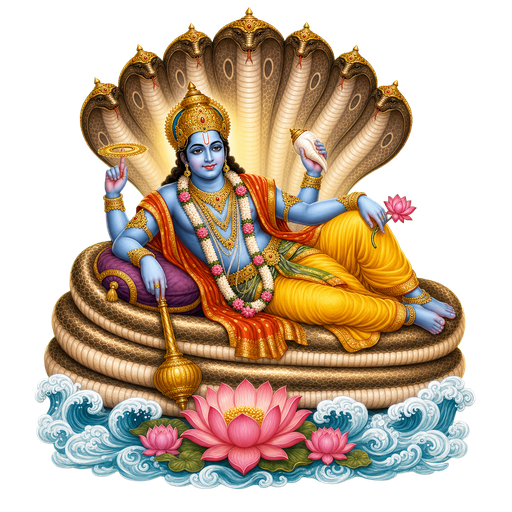
Shattila Ekadashi is the Krishna Paksha Ekadashi of the Pausha (Magha) month — a Vishnu vrat in which sesame (til) is used in six different ways. "Shat" means six and "til" means sesame — hence "Shattila Ekadashi."
This year's dates (2026)
The defining feature of Shattila Ekadashi is this sixfold use of sesame, from bathing to donation. By the Amanta reckoning followed in Maharashtra it falls in Pausha Krishna Paksha, while North Indian (Purnimanta) panchangs call the same tithi Magha Krishna Ekadashi ("Maghi Ekadashi") — one and the same day.
Significance
Observing the Shattila Ekadashi vrat and donating sesame is believed to destroy sins and drive away poverty and suffering. The importance of charity alongside the fast is particularly emphasised on this day — keeping the fasting rules alone isn't considered enough; it is the act of giving that completes the vrat.
The legend (katha)
Two distinct traditions are told about Shattila Ekadashi.
In one popular vrat-katha, a devout Brahmin woman kept a strict fast and performed her religious duties regularly, but never once gave food or wealth in charity to gods or Brahmins. One day, Vishnu himself came to her door disguised as a beggar asking for alms; she dropped nothing but a lump of clay into his bowl. In time, after her death, she was granted a palace in heaven — but it stood completely empty of food and provisions. Celestial maidens then explained to her the importance of the Shattila Ekadashi vrat and sesame donation. Once she took it up with faith, her house filled with every provision. The moral of this story: a fast without charity remains incomplete.
The Gita Press–published Puranic text, however, does not include this widow's story at all. There, the sage Pulastya tells the sage Dalbhya that observing the Magha (Amanta Pausha) Krishna Ekadashi vrat, along with the sixfold use of sesame, frees souls in the mortal world from sin. The popular vrat-katha is a separate, widely-told tradition.
Puja vidhi
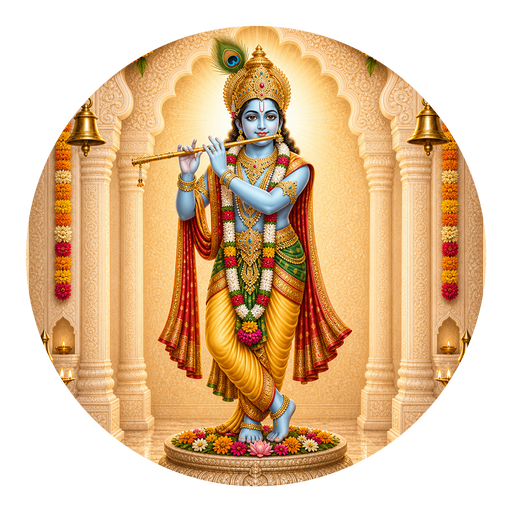
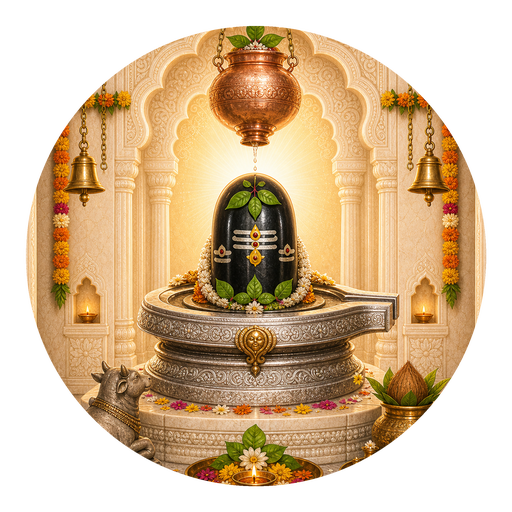
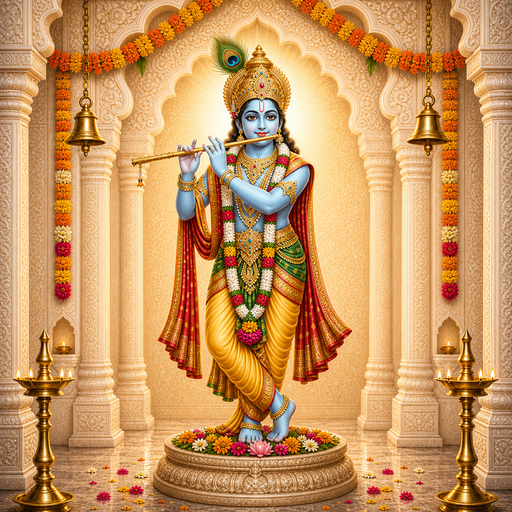
On the morning of Ekadashi, bathe and worship Vishnu/Shri Krishna. Keep the fast through the day, hold a night vigil, and break the fast (parana) the next day, on Dwadashi. Sesame holds a special place in the puja — mixing sesame into bathwater, applying a sesame paste, and offering sesame in the sacred fire are among the rites traditionally performed.
The six uses of sesame
The very name "Shattila" rests on this sixfold use of sesame. Per the original verse: bathing in sesame-infused water (til-snan), a sesame paste (til-udvartan), sesame offered in the sacred fire (til-hom), sesame-infused water to drink (til-udak), donating sesame (til-daan), and eating sesame (til-bhojan) — these six uses of sesame are what gave this Ekadashi the name "Shattila" (six-sesame).
Some traditions replace the fourth item, sesame-infused water to drink, with a sesame tarpan (ancestral water-offering) instead; and some sources give "preparing sesame-based dishes" as the sixth use. The core remains six uses of sesame, though the exact list varies slightly by tradition.
Fasting & parana
The exact form of the fast — nirjala (waterless), phalahar (fruits only), or a single meal — varies by family tradition. Rice and other grains are widely avoided on Ekadashi. Keep a night vigil, and break the fast the next day, on Dwadashi tithi. Donating sesame to a Brahmin or to those in need after the puja is considered a special part of this Ekadashi. A strict nirjala or prolonged fast is not suitable for everyone — those with diabetes, pregnancy, advanced age, or illness should choose phalahar or a gentler fast, ideally with a doctor's advice.
Mantra
The puja is accompanied by chanting the names of Vishnu/Shri Krishna. The opening line of the traditional argya-mantra is "Krishna Krishna kripalu-stvam agatinam gatir-bhava…" — meaning, roughly, "O compassionate Krishna, be the refuge of the refugeless; be gracious to those drowning in the ocean of worldly existence"; a traditional Vishnu aarti is also recited.
Good to know
- Makar Sankranti, the Sant Nivruttinath Yatra at Trimbakeshwar, and Shattila Ekadashi are three separate observances that fall on the same day — don't conflate them.
- This Ekadashi is known by two names, Pausha and Magha — both refer to the same tithi.
- Give as much sesame in charity as you reasonably can; on this day, giving matters as much as fasting.
FAQ
- What is Shattila Ekadashi?
- The Krishna Paksha Ekadashi of the Pausha (Magha) month, on which Vishnu is worshipped using sesame in six different ways.
- How is sesame used in six ways on Shattila Ekadashi?
- Bathing in sesame-water, a sesame paste, offering in the sacred fire, sesame-infused water to drink, donating sesame, and eating sesame — this sixfold use gives the day its name, "Shattila."
- Is Shattila Ekadashi in Magha Krishna Paksha or Pausha Krishna Paksha?
- Both refer to the same tithi. In Maharashtra (Amanta reckoning) it's Pausha Krishna Ekadashi; in North Indian (Purnimanta) panchangs it's Magha Krishna Ekadashi ("Maghi Ekadashi").
- What is the vrat katha of Shattila Ekadashi?
- In one version, a devout Brahmin woman who never gave charity is granted an empty heavenly home, which fills only once she takes up the Shattila vrat and sesame donation. The Gita Press text tells a separate, vidhi-centred story instead — the two are distinct traditions.
- Why is sesame donated on Shattila Ekadashi?
- Because a fast without charity is considered incomplete on this day; sesame donation is believed to drive away poverty and suffering.
- When should the fast be broken on Shattila Ekadashi?
- The day after Ekadashi, on Dwadashi tithi — the exact time follows that year's panchang.