Narak Chaturdashi
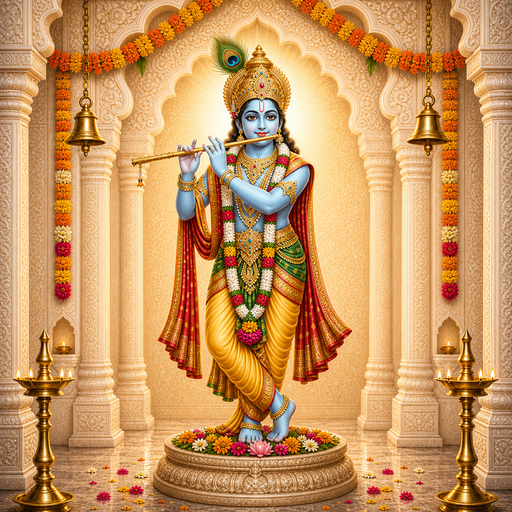
Narak Chaturdashi is a major day in the Diwali festival, observed on Ashwin Krishna Chaturdashi — its signature feature is the pre-dawn Abhyang Snan, a bath preceded by a fragrant oil massage and ubtan, taken before sunrise. The legend behind this day: Krishna, along with Satyabhama, slew the cruel demon Narakasura and freed about sixteen thousand women held captive by him — a day marking the triumph of good over evil.
This year's dates (2026)
This year (2026) this tithi falls on Sunday, 8 November — with Lakshmi Pujan the same evening. This is part of the Diwali festival, a major day after Dhanteras. Regional names — Chhoti Diwali (north), Kali Chaudas (Gujarat/Rajasthan), Roop Chaudas, Bhoot Chaturdashi (Bengal) — each carries a distinct flavour.
Significance
"Narak" (Narakasura/hellish torment) and "Chaturdashi" (the fourteenth tithi) together mark the day of Narakasura's defeat and relief from hell — in some places it is called "Narak Nivaran Chaturdashi." The memory of Narakasura's slaying, and light's triumph over darkness, is the central Diwali sentiment on this day too.
Abhyang Snan is the day's signature ritual — a pre-dawn bath preceded by oil and ubtan. It is believed to commemorate Krishna's oil bath to wash off the blood and grime after the slaying, symbolising purification. Maharashtra's Diwali is said to begin with this very Abhyang Snan. This is a major day after Dhanteras, with Lakshmi Pujan falling the same evening — the full sequence of Diwali days is on the Diwali page.
The legend (katha)
Narakasura (Bhaumasura) was the son of Bhudevi (the earth goddess) — a boon from Brahma made him exceptionally powerful, on the condition that he could only be killed by his own mother. He defeated Indra and the gods, seized Aditi's (mother of the gods) earrings, and held about sixteen thousand marriageable daughters of gods and sages captive.
Krishna and Satyabhama (an incarnation of Bhudevi) rode against him; when Krishna fainted from Narakasura's arrow, Satyabhama took up the bow and slew Narakasura — fulfilling the condition of death by his mother's (Bhudevi's incarnation's) hand, and freeing the captive women. After the slaying, when Krishna returned home, he took an oil bath to wash the blood and grime off his body — this is said to be the origin of the custom of a pre-sunrise oil bath on this day. Bhudevi declared that her son's death should be celebrated as a day of joy, not mourning — which is why this is a festival of lights.
Some versions credit the final blow to Krishna's Sudarshan chakra instead (with Satyabhama participating, but Krishna delivering the finishing strike) — both versions are current. The number of captive women is given as about sixteen thousand in some versions, sixteen thousand one hundred in others.
Who observes it
The whole family shares in preparing for the pre-dawn Abhyang Snan (the ubtan, the lamps), and everyone in the household bathes before dawn. In Maharashtra, this day is regarded as the true start of the Diwali festival through this very Abhyang Snan — observed by young and old alike.
Puja vidhi
Before dawn (after moonrise, before sunrise, while Chaturdashi prevails), apply a fragrant oil to the body and head and massage; then apply ubtan (a turmeric-sandalwood-fragrant paste) and bathe — this is believed to remove impurities from the body and bring a sense of purification. After the bath: new clothes, lighting lamps, festive snacks, and (by tradition) firecrackers.
In the South Indian tradition, castor or coconut oil with shikakai is used, while in Maharashtra/the north, fragrant oil and ubtan are more common — the type of oil is not universally the same; it varies by tradition.
The exact time for Abhyang Snan (based on moonrise) is date- and location-specific — check that day's panchang page.
What you need
Fragrant oil (for the massage), ubtan (turmeric-sandalwood-fragrant substances), bathing items, new clothes, small lamps and oil-wicks, and a festive offering.
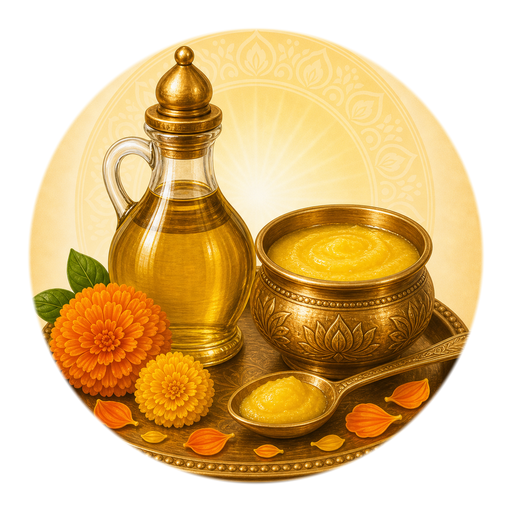 Fragrant oil
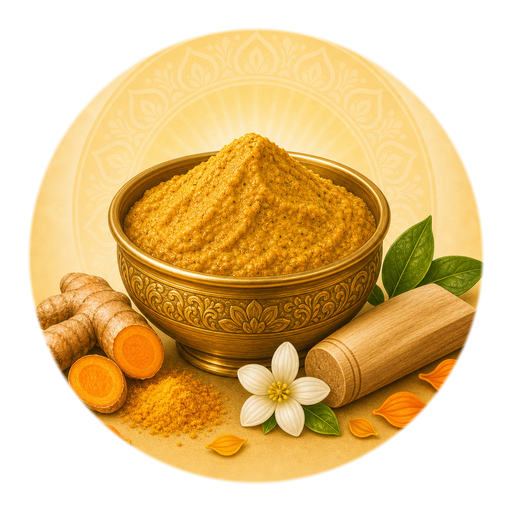 Ubtan
Ubtan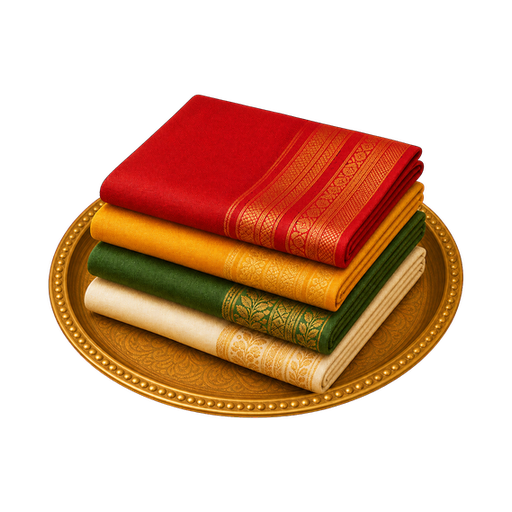 New clothes
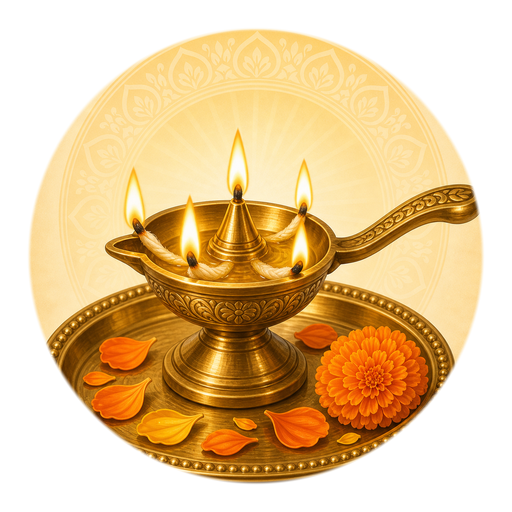 Niranjan lamp
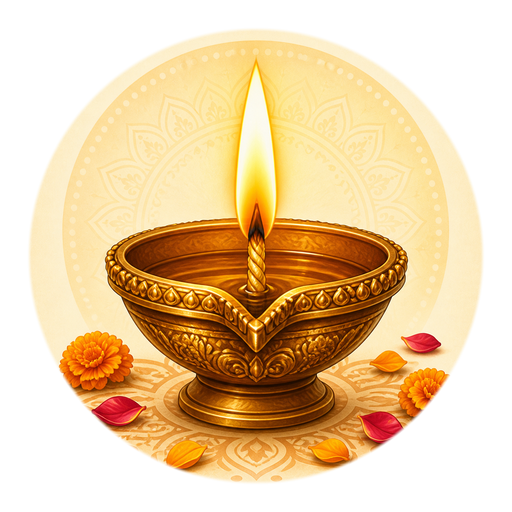 Small lamps (panati)
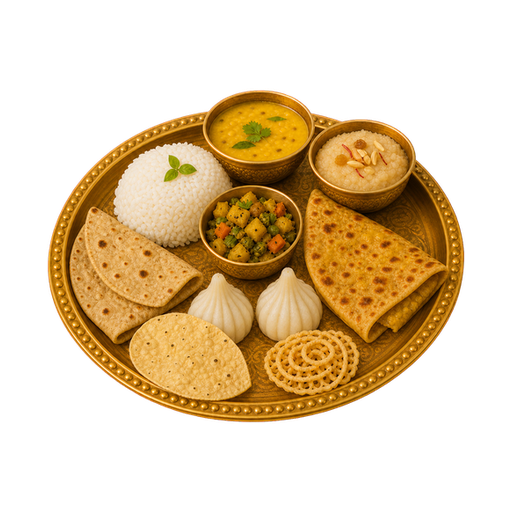 Festive naivedya
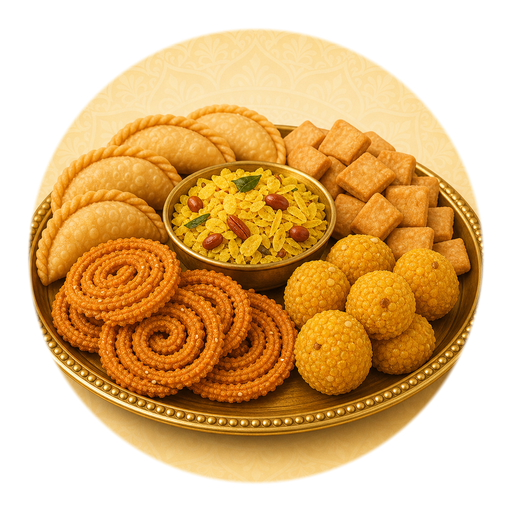 Diwali faraal (festive snacks)
 Attar (fragrance)
Fasting
Narak Chaturdashi is primarily a day of Abhyang Snan and festive food — there is no specific universal rule of strict fasting; the shared customs of Diwali snacks are on the Diwali page.
Mantra
There is no prominent independent aarti tradition specific to this day — the main emphasis is on the Abhyang Snan; prayers praising Krishna and Lakshmi can be found on the other Diwali-cluster pages (such as Lakshmi Pujan).
Regional customs and names
In Maharashtra, the pre-dawn oil-and-ubtan bathing custom on Narak Chaturdashi is especially prominent — this is regarded as Diwali's "bathing" day.
Regional names and their distinct flavours:
- Chhoti Diwali (North India) — the sentiment of a lead-in/companion day to the main Diwali (Lakshmi Pujan).
- Kali Chaudas (Gujarat/Rajasthan) — the sentiment of worshipping goddess Kali and protection from evil forces; usually observed in the dead of night (nishith kaal).
- Roop Chaudas/Roop Chaturdashi — the sentiment of beauty and purification; the belief that the oil-ubtan bath enhances one's radiance.
- Bhoot Chaturdashi (Bengal/Bangladesh) — the day before Kali Puja, with a sentiment of remembering ancestral spirits.
For Maharashtra, the Abhyang Snan falls on the pre-dawn of 8 November. Some regional panchangs/traditions (such as Kali Chaudas, which is nishith-based) may show 7 November instead — this is the same tithi, just a different point at which it prevails; this is a different regional observance, not a panchang discrepancy.
Good to know
- The exact time for Abhyang Snan varies by city — check that day's panchang page.
- Take care with sensitive skin/eyes while applying oil-ubtan; be careful with hot oil and massage for young children and the elderly.
- If using firecrackers, be mindful of noise/air pollution, children and pets, and local time restrictions.
- Rituals, legends, and names vary by tradition — follow your family's/local custom.
FAQ
- When is Narak Chaturdashi in 2026?
- Sunday, 8 November 2026 (Ashwin Krishna Chaturdashi); pre-dawn Abhyang Snan. Lakshmi Pujan falls the same evening.
- What is Abhyang Snan, and why is it taken before dawn?
- A bath before sunrise preceded by a fragrant-oil and ubtan application; it commemorates Krishna's oil bath after slaying Narakasura, symbolising purification.
- What is the legend of Narak Chaturdashi?
- Krishna, with Satyabhama, slew the demon Narakasura and freed about sixteen thousand women held captive by him — the triumph of good over evil.
- Why is oil and ubtan applied?
- It is believed to remove impurities from the body and bring radiance to the skin; it is linked to Krishna's bathing legend.
- Are Narak Chaturdashi, Chhoti Diwali, and Kali Chaudas the same?
- Yes, the same tithi; the regional names differ — Chhoti Diwali (north), Kali Chaudas (Gujarat/Rajasthan, nishith-based), Roop Chaudas, Bhoot Chaturdashi (Bengal).
- At what time should Abhyang Snan be taken?
- Before dawn, after moonrise and before sunrise, while Chaturdashi prevails; the exact time by city is on that day's panchang page.