Vasubaras (Govatsa Dwadashi)
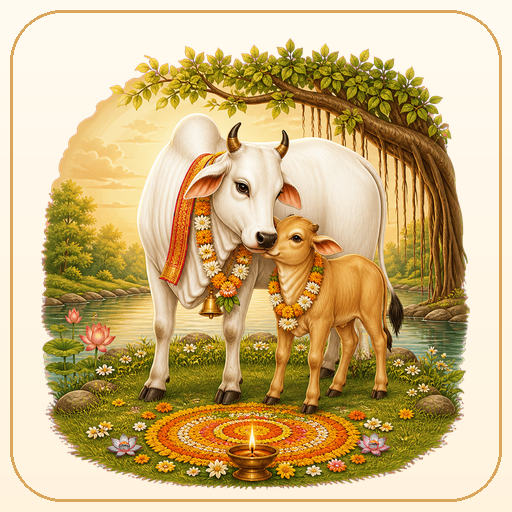
Vasubaras (Govatsa Dwadashi) falls on Ashwin Krishna Dwadashi — in Maharashtra, Diwali begins on this very day, the day before Dhanteras. In the evening, the cow and her calf (Samvatsa cow) are worshipped gratefully — the cow is regarded as a symbol of motherhood, prosperity, and agricultural livelihood.
This year's dates (2026)
This year (2026), per the panchang data, this tithi falls on 5 November (Thursday) — Rama Ekadashi also falls the same day. Women observe a single-meal fast for the long life and wellbeing of their children.
Significance
The cow, bullock, and calf are the foundation of farming and dairy livelihood; this day expresses gratitude toward them, hence "Govatsa Dwadashi." The cow is regarded as a symbol of motherhood. The worship is performed with the intent that agricultural produce be abundant and that children enjoy good health and happiness; there is also a sentiment that Lakshmi should enter the household.
Rangoli and lamps at the doorstep begin from this very day — regarded as the starting point of Diwali; in the five-day Diwali sequence, this is the first day. "Go" means cow, "vatsa" means calf — giving the name "Govatsa Dwadashi." In "Vasubaras," "baras" means Dwadashi; a folk etymology gives "vasu" as meaning "wealth/riches" — though this is not settled etymology.
The legend (katha)
The cow and calf are regarded as worthy of worship; worshipping/observing a vrat for the cow is believed to destroy sin and bring the blessing of children and wellbeing — this is the shared thread across versions. Three distinct versions of this legend are told.
In one version, this vrat is dedicated to "Nanda" (Nandini), one of the five Kamadhenus that emerged from the churning of the ocean — hence it is also called "Nandini Vrat." In another version, King Uttanpad and his wife Suniti observed the Govatsa Dwadashi vrat and were blessed with a son, Dhruva, who went on to become the Dhruva star through his devotion to Vishnu — this version is tied to the sentiment of being blessed with children.
A popular folk story is also told — in the city of Suvarnapur, King Devadani had two queens, Sita and Gita; Gita cared for a calf like her own child. Out of jealousy, the calf was killed and hidden in a pile of wheat; during the king's meal, blood and flesh rained down, and a divine voice announced that the calf was buried in the wheat — worship the cow and calf on Govatsa Dwadashi, and the vrat would bring the calf back to life. It came to pass, and the queen's sin was also destroyed.
By the Amanta tradition this is Ashwin Krishna Dwadashi, while by the Purnimanta tradition it is Kartik Krishna Dwadashi — a difference in naming, the same tithi.
Who observes it
Married women commonly observe this vrat as a voluntary custom, for their children's long life and wellbeing. Farming families with cows and calves, and goshalas, participate in the cow-worship. Childless couples are also said to observe this vrat in hope of children. This festival is observed in Maharashtra, Goa, Gujarat, and parts of South India; regional names differ (see below).
Puja vidhi
A single-meal fast is kept through the day, with worship performed in the evening (at godhuli, dusk). The cow and calf are bathed or have water poured on their feet, with turmeric-vermilion and sandalwood paste applied to the forehead; flowers and akshata are offered, and a garland of flowers is placed around the neck. In some places, new cloth/decoration is also placed on the cow and calf. An aukshan (lamp-waving) is performed, and an offering is served to the cow on a banana leaf; a silent prayer is offered for the children's wellbeing and the family's prosperity.
No specific closing (udyapan) rite is tied to this festival.
What you need
Turmeric-vermilion, sandalwood paste, akshata, flowers and a garland, a small lamp for aukshan, a banana leaf. For the offering: sprouted green gram, chickpea (chana) dal, a sweet dish (such as puran-poli), and in some places urad-dal fritters and rice. Cloth/decoration for the cow and calf (optional).
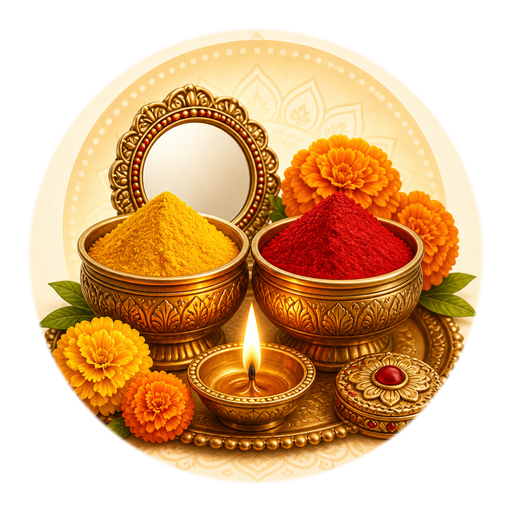 Turmeric-vermilion
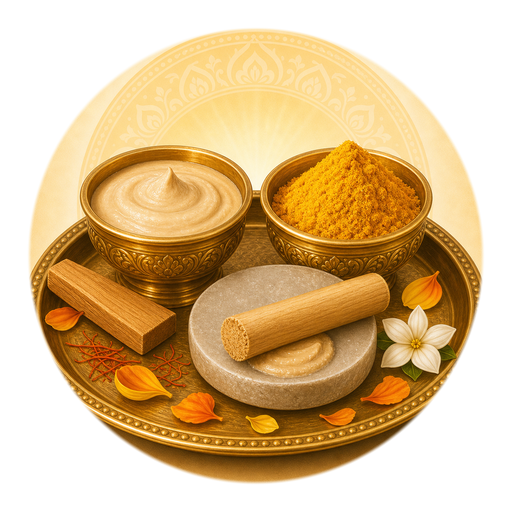 Sandalwood paste
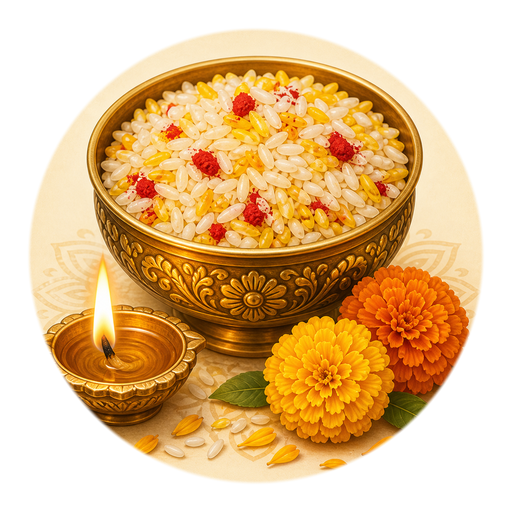 Akshata
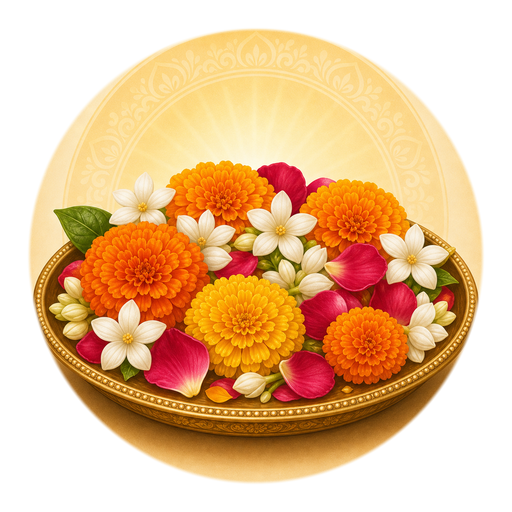 Flowers
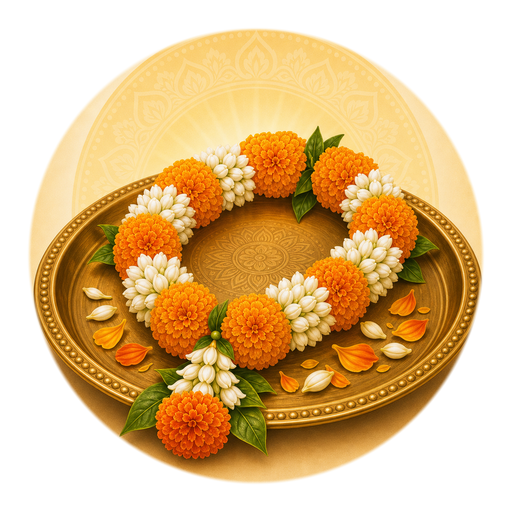 Garland
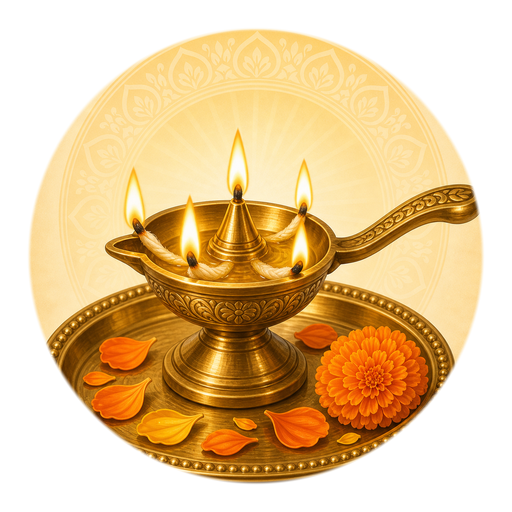 Small lamp (niranjan)
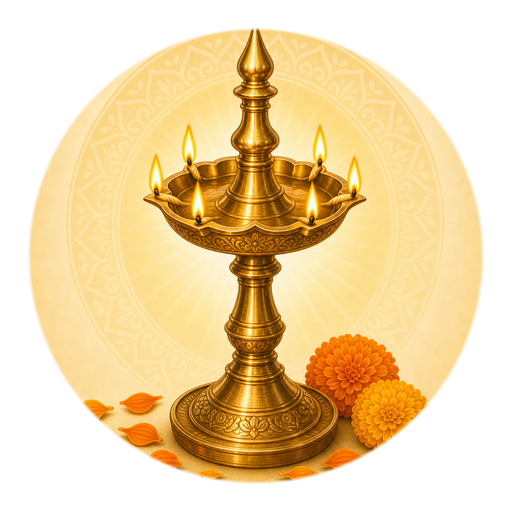 Samai (oil lamp)
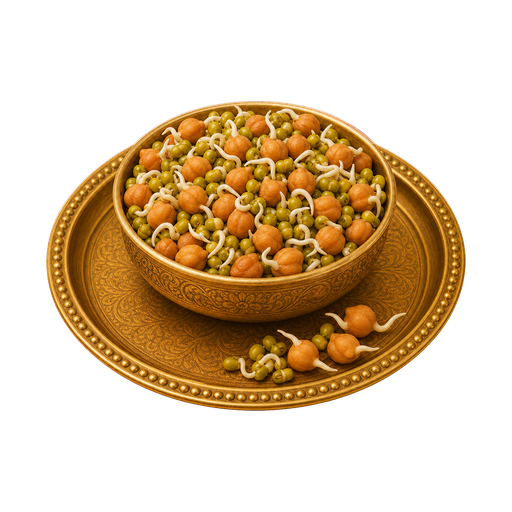 Sprouted green gram
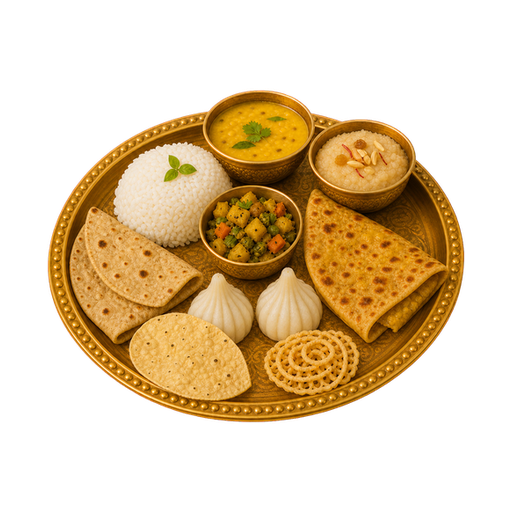 Sweet dish (puran-poli)
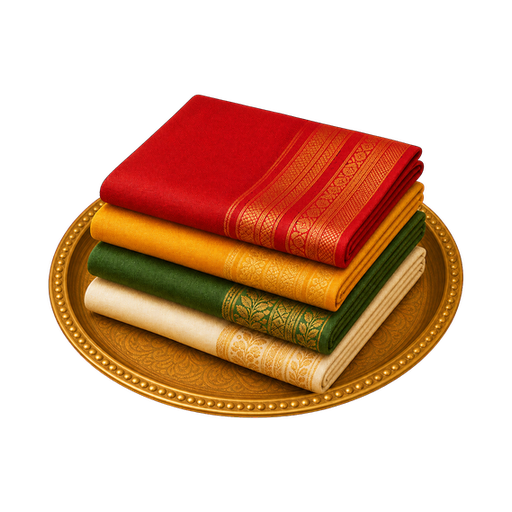 Cloth/decoration for the cow and calf
Fasting and dietary rules
There is a custom of avoiding wheat and wheat-based dishes, cow's milk and milk products (curd/ghee), and fried food on this day. The cow, however, is fed wheat/moong/chana (offered while abstaining from it oneself). Women typically break their fast with bajra bhakri and a gavar (cluster bean) curry. Some versions also mention avoiding heavy physical labour while observing the vrat.
The custom of avoiding wheat is tied to the Devadani legend — but this is not presented as a universal hard rule; it varies by tradition.
Mantra
There isn't a single standardised aarti or stotra tied to this festival; the worship is mainly cow-worship and a silent prayer.
Regional customs
Maharashtra: known as "Vasubaras"; the first day of Diwali; evening cow-calf worship, and rangoli begins. Married women commonly observe a voluntary single-meal vrat, with puran-poli as the offering.
Gujarat: "Vagh Baras" — Diwali begins there too; in some places, "Vagh" is linked instead to the meaning of clearing debts/closing accounts (merchant ledgers) — this differs from the Maharashtrian meaning and should not be conflated with it.
South India/wider: "Nandini Vrat" — worship of the Nanda/Nandini cow.
The exact offering/bhakri-curry details vary by household and district — understood as local tradition.
Good to know
- Don't force or distress the cow and calf during worship; if there's no cow in the city, visiting a goshala for worship is a practical option.
- The custom of avoiding wheat/milk/fried food is tradition-specific; adjust fasting according to health (diabetes, pregnancy, old age).
- Because of the Amanta/Purnimanta difference and sunrise-tithi timing, the date may appear a day earlier or later across different panchangs — this site's date is based on the panchang data (5 November).
- Vasubaras is not one of the Sade-Teen Muhurat (that belongs to Diwali Padwa) — this is a common misconception worth avoiding.
FAQ
- When is Vasubaras in 2026?
- Per the panchang data, 5 November 2026 (Thursday); Rama Ekadashi falls the same day. The first day of Diwali.
- What is Vasubaras?
- A grateful worship of the cow and calf on Ashwin Krishna Dwadashi; "Go" = cow + "vatsa" = calf → Govatsa Dwadashi.
- Why is it celebrated?
- The cow and bullock are the foundation of farming and dairy livelihood; this day expresses gratitude toward them, with a wish for prosperity and children's wellbeing.
- What offering is given to the cow?
- Sprouted moong, chana, a sweet dish/puran-poli, and in some places urad-dal fritters, on a banana leaf.
- Which foods are avoided?
- Wheat and wheat dishes, milk/curd/ghee, and fried food — this varies by tradition.
- Why do women fast?
- For the long life and wellbeing of their children (a single-meal vrat).
- What is Nandini Vrat?
- Worship of the Nanda/Nandini cow from the churning of the ocean; the wider/southern name for Govatsa Dwadashi.