Champa Shashti
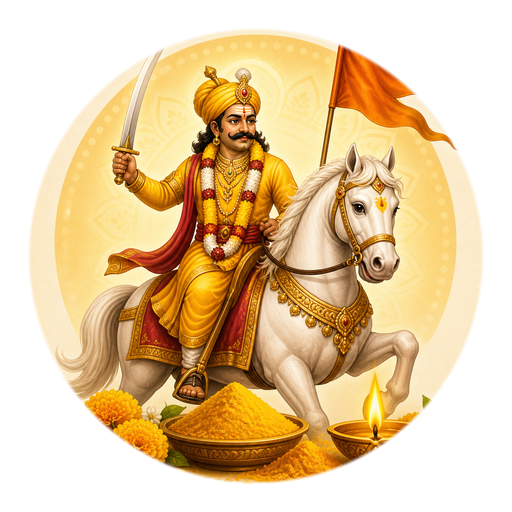
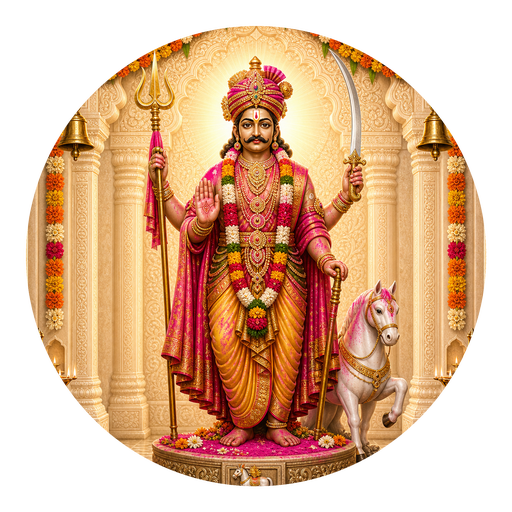
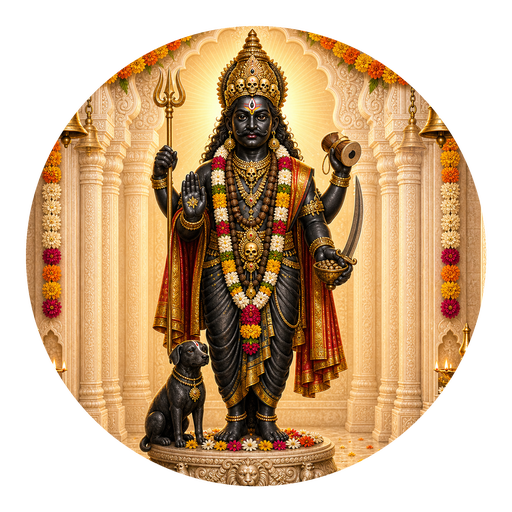
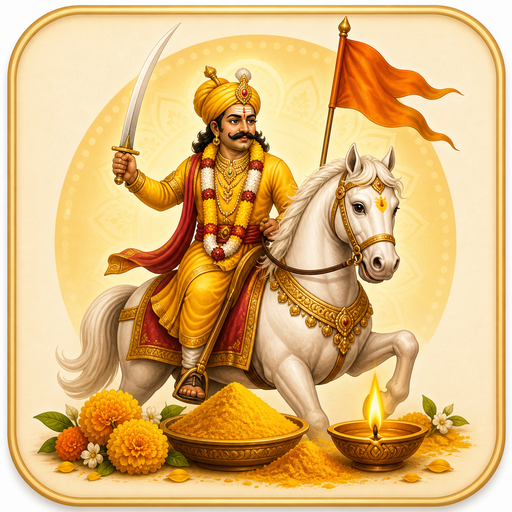
Champa Shashti is Margashirsh Shukla Shashti — the culmination of Khandoba's (Martand Bhairav) six-day Shadratra. This observance begins on Margashirsh Shukla Pratipada and concludes on Shashti. Khandoba is the kuladaivat (family deity) of millions of families across Maharashtra and Karnataka — regarded as a combined folk form of Shiva, Bhairava, and Surya. In 2026, the culmination falls on Tuesday, 15 December.
This year's dates (2026)
- Champa Shashti — the culmination; Tuesday; Skanda Shashti and Martand Bhairavotthapan also fall the same day15 Dec
- Start of the Martand Bhairav Shadratra — the six-day observance begins (for context)9 Dec
Significance
Margashirsh is considered the month of devotion to Datta and Mahalakshmi; within it, Champa Shashti is the principal festival for Khandoba devotees — the closing day of the Shadratra observance that begins on Margashirsh Shukla Pratipada.
Khandoba protected his devotees from the menace of the demon-brothers Mani and Malla — this is regarded as dharma's victory over adharma, faith's victory over crisis. Devotees consider this day one for worshipping their kuladaivat, fulfilling vows (navas), and purifying the home.
For many Marathi families, since Khandoba is their kuladaivat, Champa Shashti is the principal day for observing household kuldharma customs — ghatasthapana, the nandadeep lamp, tali bharane, and the kuldharma naivedya all centre around this festival. Details of the Jejuri temple structure and fair are on the Jejuri Khandoba page; Champa Shashti itself centres on the festival's legend, rituals, and household observance.
The legend
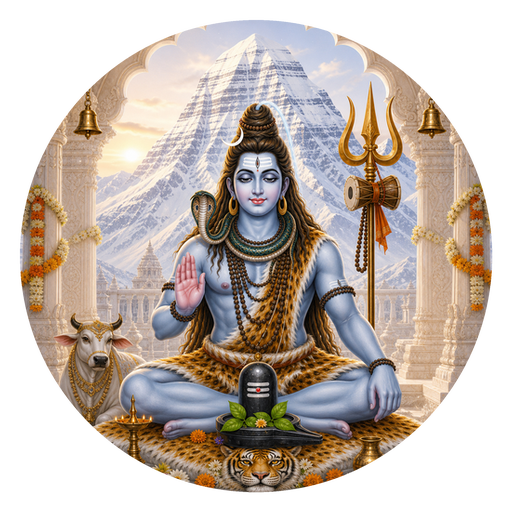
Mani and Malla, two demon brothers made arrogant by a boon, wreaked havoc across the region; sages and gods, distressed, sought refuge with Shiva. Shiva took the form of Martand Bhairav (Khandoba) and fought them; by one tradition, this battle lasted six days and ended with the demons' defeat on Margashirsh Shukla Shashti — hence the Shadratra and Champa Shashti. According to the Malhari Mahatmya text, "Mallari/Malhari" means "enemy of the demon Malla" — this is said to be the origin of Khandoba's name Malhari Martand.
Versions differ on the demons' fate. Some hold that both were slain; others say only Malla was killed, while Mani surrendered and offered his white horse to Khandoba, asking to be remembered at every Khandoba shrine — which folklore holds is why a horse and a dog appear near Khandoba's murti. One version also mentions Khandoba manifesting "in a dual-linga form."
Khandoba is also linked to Kartikeya/Skanda, and Skanda Shashti falls on this very tithi too — however, Champa Shashti and Skanda Shashti are companion observances sharing the same tithi, not the same or identical festival.
Who observes it
Families for whom Khandoba is the kuladaivat — Maratha, Kunbi, Dhangar, Ramoshi, and many other communities (across Maharashtra and northern Karnataka) — observe this festival as a household kuldharma custom. Devotees who have made vows to Khandoba, as well as those visiting Jejuri and local Khandoba temples, also observe this day. The form of observance varies by kul and village tradition.
Puja vidhi
Ghatasthapana is performed on Margashirsh Shukla Pratipada, and a nandadeep lamp is kept lit for six days. Some traditions add one flower to a garland each day — one flower on day one, six on the sixth day. On Panchami (the fifth day), some traditions and Jejuri itself observe telhanda (an oil ritual).
On Shashti — the culmination day — tali bharane and aarti are performed. In tali bharane, a betel leaf, a coin, betel nut, bhandara (turmeric), and coconut are placed in a plate and lifted three times while chanting "Yelkot Yelkot Jai Malhar" or "Sadanandacha Yelkot," with bhandara scattered. The festival concludes with breaking a coconut and distributing prasad. In some places, the dog — regarded as Khandoba's vahana — is also worshipped and offered food.
Some traditions observe a fast from Pratipada through Panchami, breaking it on Shashti — this is not universally observed; it varies by kul tradition.
What you need
A ghat/kalash, a nandadeep lamp kept lit for six days, bhandara (turmeric), flowers or a flower garland, a betel leaf, betel nut, coconut, turmeric-kumkum, and a plate and coin for tali bharane.
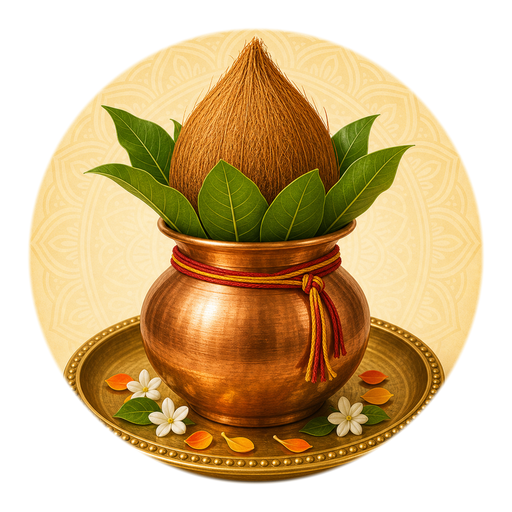 Ghat/kalash
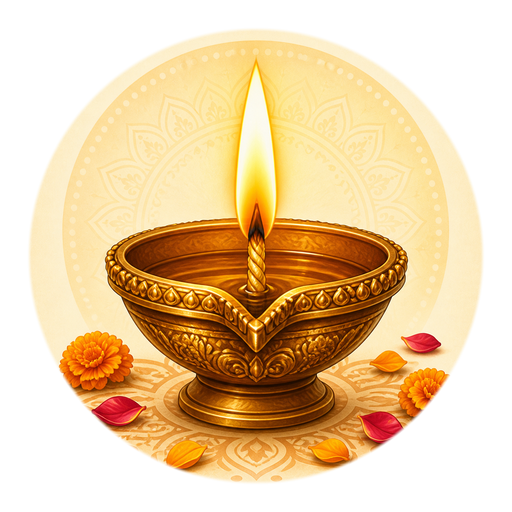 Nandadeep lamp
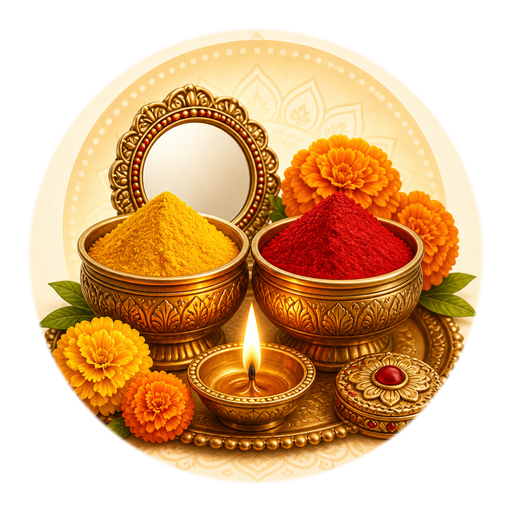 Bhandara (turmeric) / turmeric-kumkum
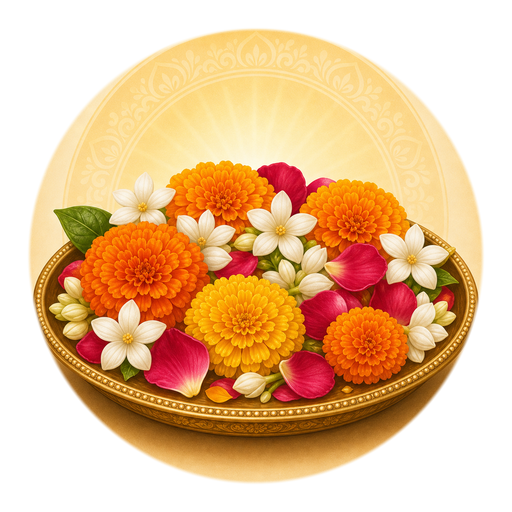 Flowers
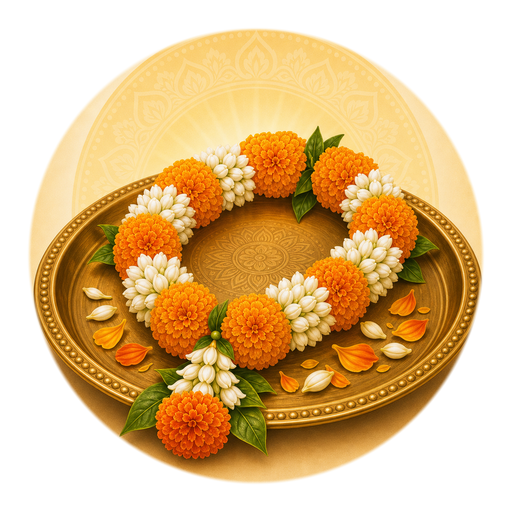 Flower garland
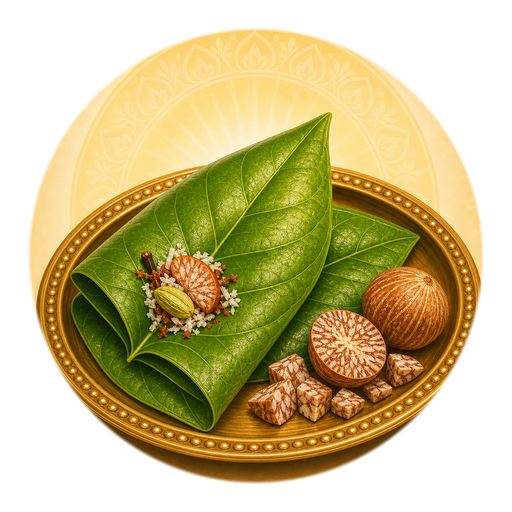 Betel leaf and betel nut
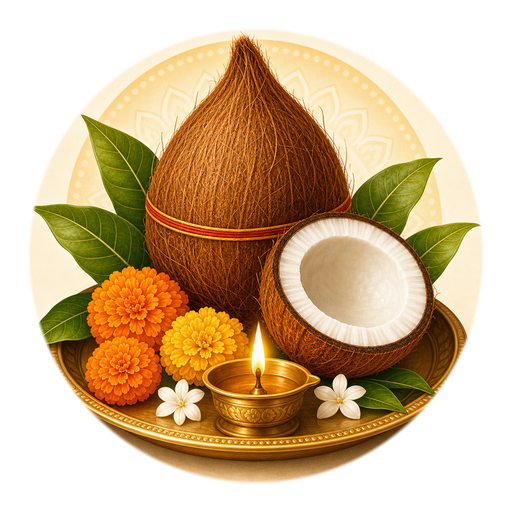 Coconut
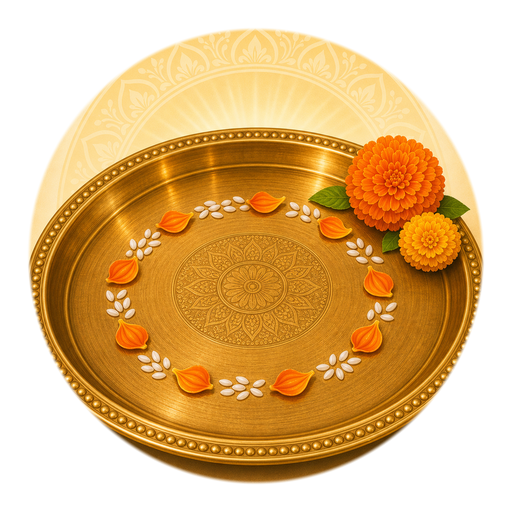 Plate (tamhan) for tali bharane
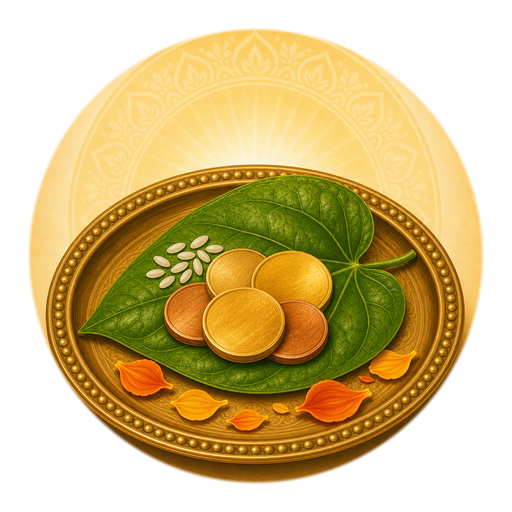 Coin
CoinNaivedya
Champa Shashti's naivedya is regarded as part of Khandoba's kuldharma — it varies by household and kul tradition. The main naivedya includes brinjal bharit, rodga (a thick flatbread of wheat or bajra flour), and kandyachi paat (spring onion greens), considered essential. Some families also prepare thombra (jowar cooked in curd and salt). Folk tradition holds that "onion is eaten only on Champa Shashti" — this is a kul-specific belief, not a universal rule.
Mantra & jaighosh
The main jaighosh (victory chant) is "Yelkot Yelkot Jai Malhar!" and "Sadanandacha Yelkot" — a chant of victory and devotion, recited during tali bharane and while scattering bhandara. Khandoba's aarti is popular.
Regional customs
This festival is widely observed among Khandoba devotees across Maharashtra and northern Karnataka; a large fair takes place in Jejuri on the culmination day (details on the Jejuri Khandoba page). Per the 2026 panchang, Khandoba festivities are recorded not only at Jejuri but also at Delwadi and Kiriwadi (Daund taluka), Shingve (Ambegaon taluka), and Revadi (Koregaon taluka) on this same day — meaning this is also a household kuldharma observed village to village, not confined to a single site.
Households for whom Khandoba is the kuladaivat perform ghatasthapana, tali bharane, kuldharma naivedya, and, depending on kul, jagran-gondhal/waghya-murali on this day — this varies by kul and tradition.
Some sources mention a "rare Champa Shashti, occurring roughly once every thirty years" when a specific weekday-nakshatra-yoga combination aligns, but this claim is unverified.
Good to know
- Naivedya (brinjal, onion, rodga), fasting, and rituals vary by kul and village — no single practice should be taken as universal; follow your own family's kuldharma.
- Jejuri sees large crowds on the culmination day — check the Jejuri Khandoba page for travel and darshan details.
- The Gregorian date changes every year — the tithi (Margashirsh Shukla Shashti) stays fixed.
FAQ
- What is Champa Shashti?
- Margashirsh Shukla Shashti — the culmination of Khandoba's (Martand Bhairav) six-day Shadratra, marking the victory over Mani and Malla.
- When is Champa Shashti in 2026?
- Tuesday, 15 December 2026.
- How many days does Khandoba's Navratra last?
- Actually six days (Shadratra) — from Margashirsh Shukla Pratipada to Shashti. It's colloquially called "Navratra," but it spans six tithis.
- What naivedya is offered on Champa Shashti?
- Brinjal bharit, rodga (wheat/bajra flatbread), and kandyachi paat (spring onion greens) are the main kuldharma naivedya; some families also prepare thombra, onion, and garlic.
- Are Champa Shashti and Skanda Shashti the same?
- No — these are companion observances sharing the same tithi. Khandoba is also linked to Kartikeya/Skanda, but the two are not identical.
- What is tali bharane?
- The ritual of placing a betel leaf, coin, betel nut, bhandara, and coconut in a plate and lifting it three times while chanting "Yelkot Yelkot Jai Malhar."
- What is the Mani-Malla legend?
- Khandoba defeated these two demon brothers to free devotees from their menace — the victory occurred on Shukla Shashti. Versions differ — some say both were slain, others that Mani surrendered and offered a horse.