Shravani Budhvar
Shravani Budhvar is the observance kept on every Wednesday of the month of Shravan — but it isn't a single deity's vrat. It's a blend of three distinct threads: the pan-Indian planet-Mercury (Budh) worship (alongside Ganesh), a Maharashtra-specific joint Budh-Brihaspati observance during Shravan, and the Warkari belief that "Wednesday is Vitthal's day." In 2026, there are four Shravani Wednesdays — 19 August, 26 August, 2 September, and 9 September.
This year's dates (2026)
- The first Shravani Wednesday — 2026 coincidence: Sitala Saptami19 Aug
- The second Shravani Wednesday — 2026 coincidence: Eid-e-Milad (a public holiday)26 Aug
- The third Shravani Wednesday2 Sep
- The fourth (last) Shravani Wednesday — 2026 coincidence: Masik Shivratri9 Sep
⚠️ This isn't a single, unified vrat. Unlike Monday's Shivamuth or Thursday's Brihaspati observance, there's no single deity-vidhi-katha template here — three distinct threads are set out separately below, not blended together.
Deity and significance
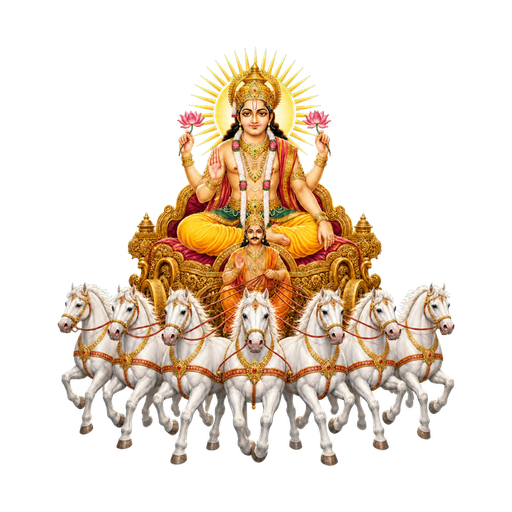
Budh, the planet (a pan-Indian, navagraha perspective): in astrology, Budh (Mercury) is regarded as the graha governing intellect, speech, trade, and education. There's a belief that joint worship of Budh and Ganesh on Wednesday helps intellect, communication skills, and business growth — this tradition is pan-Indian, not specific to Maharashtra or Shravan.
The joint Budh-Brihaspati observance (Maharashtra, specific to Shravan — the core of this page): at least three independent Marathi sources consistently record that "in Maharashtra, a Budh-Brihaspati puja is observed on every Wednesday of Shravan" — joint worship of Budh and Brihaspati (Guru), with a curd-rice offering. This observance is kept across Wednesday and Thursday together, which is why it's also directly connected to the Shravani Guruvar page — the same thread is recorded there too.
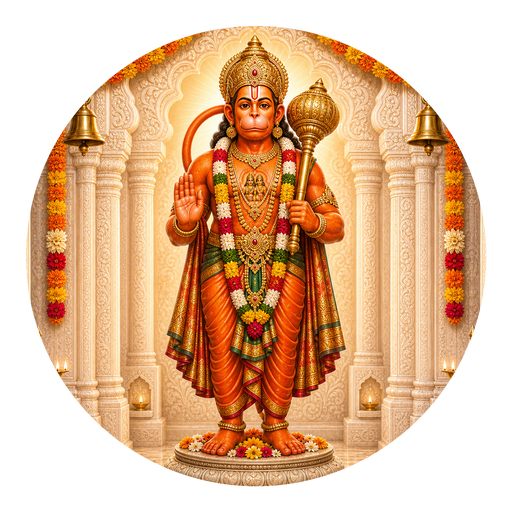
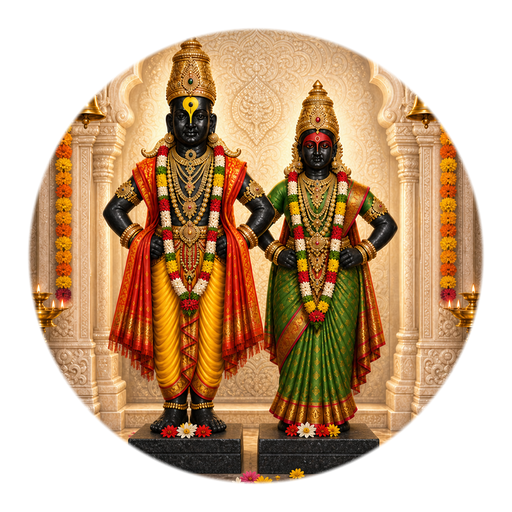
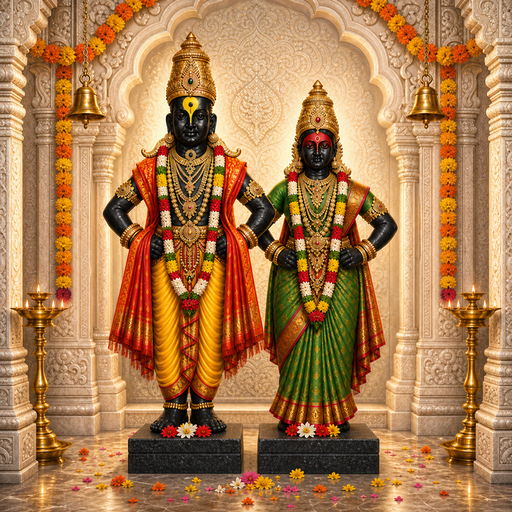
Vitthal — a day-of-the-week belief: the Marathi encyclopaedia (an official government reference) states plainly that "among Hindus, this is regarded as Vitthal's day." In the Warkari tradition, pilgrims avoid leaving Pandharpur on Wednesday, and women visiting their maternal home are said to avoid travel that day. The explanation that "this is the day for visiting one's maternal home, and Pandharpur is everyone's maternal home" traces back mainly to a single source lineage, so it is best read as a belief rather than an established explanation. No separate katha or structured puja vidhi was found for this thread — it exists only as a day-belief.
No separate traditional "katha" specific to Wednesday, Marathi, or Shravan (of the kind that exists for Monday, Friday, or Saturday) was found — the only "Wednesday vrat katha" that turned up is a general pan-Indian Ganesh-Budh story, unconnected to Shravan or Vitthal.
Who should observe it
Mainly homemakers and women observe the Budh-Brihaspati vrat during Shravan, for knowledge, wisdom, and family prosperity. Students or traders who believe they face Budh-related obstacles may also observe the general Wednesday vrat — this part is pan-Indian, with no restriction by age or gender. Warkari devotees chant Vitthal's name and read the Haripath on Wednesdays — this is regarded as regular devotional practice rather than a vrat as such. What exactly to do varies by household and local tradition.
Puja vidhi
The three threads are kept separate here, not blended together.
The Budh-Brihaspati vrat (the recommended core vidhi):
- Draw an image of Budh and Brihaspati (Guru) on a wooden plank using sandalwood paste, or use a ready-made picture.
- Worship them and offer white flowers.
- Offer curd-rice as naivedya.
- Udyapan (closing ritual): sources diverge here. Some traditions close the vrat after seven consecutive years; one source separately describes an eleven-plus-one Wednesday count, though that same page also covers a different Mahalakshmi vrat ("Pandhare Budhwar") — check local family practice.
The Budh graha/Ganesh vrat (pan-Indian, general):
- Bathe before sunrise and wear green clothing if possible (green is regarded as Budh's colour).
- Install an idol of Budh Dev or Ganesh in the northeast direction and worship it.
- Offer flowers, bel leaves, and incense with a lamp.
- Chant the Budh bija mantra 108 times (see the section below).
- Keep a sattvic, salt-free diet and close the vrat after seven or twenty-one consecutive Wednesdays.
Vitthal — a day's practice (not a structured vidhi): chanting the name ("Ram Krishna Hari"), reading the Haripath, and offering a tulsi leaf — no structured puja steps were found in any source for this thread.
The exact vidhi, materials, and closing details can vary by family and region — this shouldn't be taken as the one correct procedure.
Puja materials
- The Budh-Brihaspati thread: sandalwood paste (for the image on the plank), white flowers, curd-rice offering materials.
- The Budh graha thread: green clothing and flowers, bel leaves, incense, a ghee lamp.
- The Vitthal thread: a tulsi leaf, sandalwood paste and unbroken rice (general materials for daily worship).
(This list varies by thread and by tradition.)
 Sandalwood paste
 Flowers
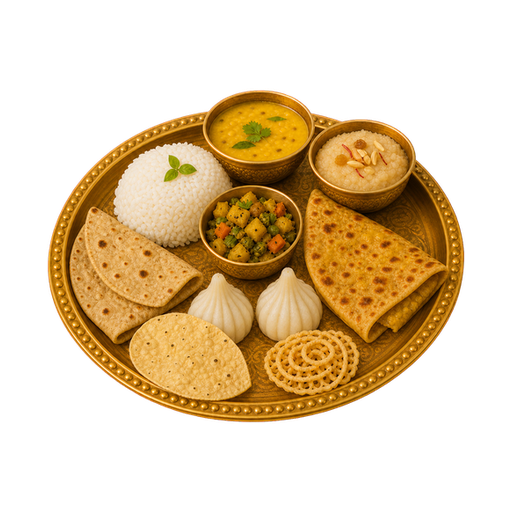 Curd-rice naivedya
 Green clothing
 Bel leaves
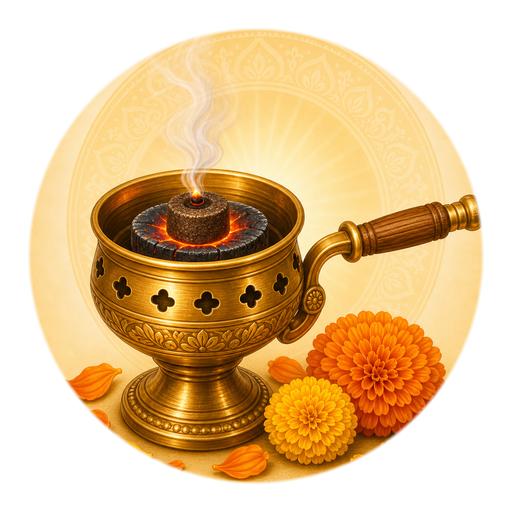 Dhoop (incense)
 Agarbatti
 Ghee lamp
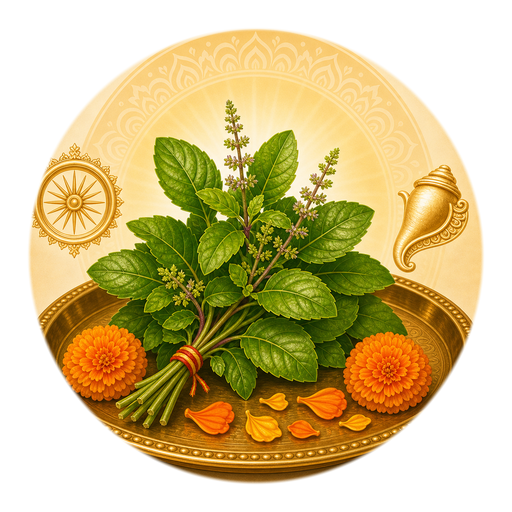 Tulsi leaf
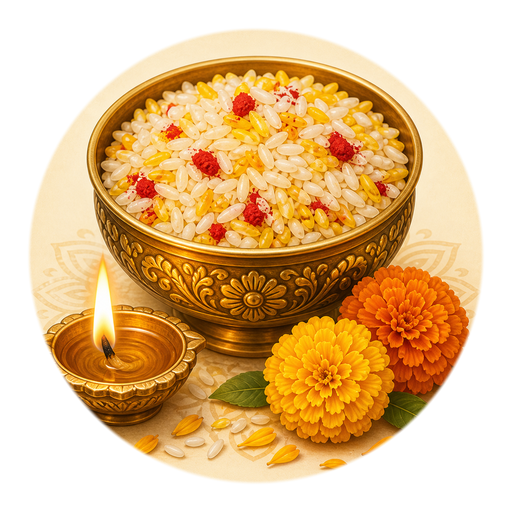 Unbroken rice (akshata)
Fasting and dietary rules
In the Budh-Brihaspati thread, curd-rice, milk-rice, or buttermilk-rice (unsalted) is the naivedya and the food eaten when breaking the fast. In the pan-Indian Budh vrat, a sattvic, salt-and-spice-free single meal or fruit diet is recommended. Strictness varies by individual and tradition — take medical advice if you have a health condition.
Mantra and chanting
Only the meaning and the recognisable opening line are given here — the full text and firm authorship aren't yet established.
- The Budh bija mantra (a salutation to the planet Budh): "Om Braam Breem Braum Sah Budhaya Namah".
- Vitthal's namajap (chanting the Lord's name): "Ram Krishna Hari" — the most common chant in the Warkari tradition.
Regional customs
The joint Budh-Brihaspati observance is a distinctly Maharashtrian identity — this thread rarely appears in pan-Indian "Wednesday vrat" discussions, which usually mention only Ganesh-Budh. The Vitthal day-belief is a Warkari-community, Pandharpur-centred identity of its own.
Shravani Budhvar is regarded as part of Shravan's weekly cycle of women's vrats — Monday (Shivamuth), Tuesday (Mangala Gauri), Wednesday (Budh-Brihaspati), Thursday (Brihaspati), Friday (Jivati), and Sunday (Aditya Ranubai). Shravani Shanivar is also part of this same weekly cycle.
Avoid confusing this with a separate vrat called "Pandhare Budhwar" — that one is dedicated to Mahalakshmi and can be observed in any month, not bound to Shravan; it's outside the scope of this page.
Duration can vary by family and region (particularly for the closing ritual — seven years versus eleven Wednesdays) — rather than stating one as universal, this is presented here as "in some traditions…".
2026 Shravani Wednesdays — dates
| # | Date | Tithi | Nakshatra | Note |
|---|---|---|---|---|
| 1 | 19 August | Shravan Shukla Saptami | Swati | The first Shravani Wednesday |
| 2 | 26 August | Shravan Shukla Trayodashi | Shravan | The second Shravani Wednesday |
| 3 | 2 September | Shravan Krishna Shashthi | Bharani | The third Shravani Wednesday |
| 4 | 9 September | Shravan Krishna Trayodashi | Ashlesha | The fourth (last) Shravani Wednesday |
Good to know for 2026
- The first Wednesday (19 August) coincides with Sitala Saptami; the second (26 August) with Eid-e-Milad — since it's a public holiday, banks and government offices may be closed, so plan accordingly; the fourth (9 September) coincides with Masik Shivratri. These are this year's coincidences — they change annually and aren't part of the vrat's own definition.
- Vitthal temples can see larger-than-usual crowds on Wednesdays even outside the main pilgrimage season — check local temple timings.
- A salt-free or single-meal fast doesn't suit everyone — those with diabetes, who are pregnant, or elderly should take an exemption on medical advice.
FAQ
- What is Shravani Budhvar?
- Every Wednesday of the month of Shravan — a day when the Maharashtra-specific joint Budh-Brihaspati puja and the belief that Wednesday is Vitthal's day both come together; it isn't a single, unified vrat.
- Which deity is Wednesday dedicated to?
- It depends on the thread — from a navagraha perspective, Budh (alongside Ganesh); during Shravan, Budh-Brihaspati; and in the Warkari tradition, Vitthal.
- Why is Wednesday regarded as Vitthal's day?
- The Marathi encyclopaedia records Wednesday as Vitthal's day; there's a belief that it's "the day for visiting one's maternal home, since Pandharpur is everyone's maternal home."
- When do the Shravan Wednesdays fall in 2026?
- Four — 19 August, 26 August, 2 September, and 9 September 2026.
- How is the Budh-Brihaspati vrat performed?
- An image of Budh and Brihaspati is drawn on a plank with sandalwood paste, white flowers and a curd-rice offering are given; sources diverge on the closing period (seven years versus eleven Wednesdays).
- What should be eaten while fasting on a Shravan Wednesday?
- Often curd-rice, milk-rice, or buttermilk-rice without salt; a sattvic diet is generally followed.
- When is the Budh-Brihaspati vrat closed?
- Sources diverge — some traditions say after seven consecutive years; one source gives a different, eleven-plus-one Wednesday count, but that same source also covers a different vrat (Pandhare Budhwar) — check local family practice.