Ekadashi Vrat
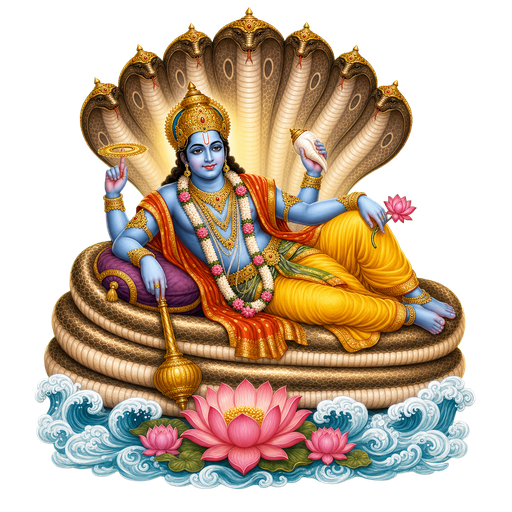
Ekadashi is the eleventh tithi of each lunar fortnight — it falls in both the Shukla and Krishna paksha, so twice a month, and about 24 times a year (26 in a year with an adhik masa). The tithi is dedicated to Lord Vishnu; devotees fast by avoiding grains and pulses, then break the fast (parana) the next day at the proper time.
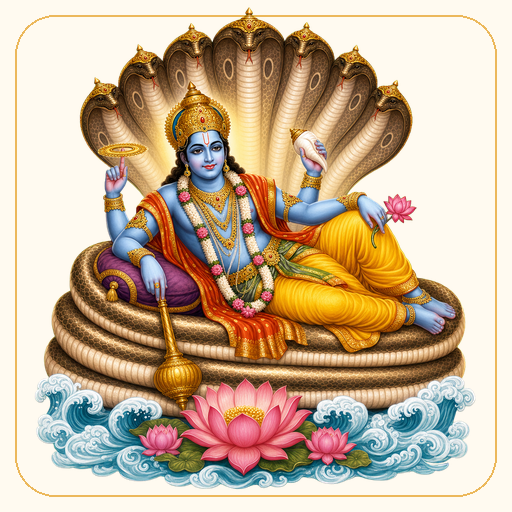
The site has a dedicated page for every named Ekadashi of the year, such as Jaya Ekadashi and Ashadhi Ekadashi, each with its own name, legend, and date. This page brings together the rules, fasting, and puja vidhi that are common to all of them.
Significance
In Hindu tradition, the Ekadashi vrat is regarded as the foremost of all vrats — it holds a special place in Vaishnav tradition and, in Maharashtra, in the Warkari sampradaya. Unlike a once-a-year festival, this vrat comes every fortnight, so it's seen as a regular practice of self-purification, restraint, and devotion.
As explained on the What is a tithi page, Ekadashi belongs to the "Nanda" group of tithis — traditionally regarded as auspicious. In the Warkari sampradaya, the Ekadashi fast is considered central to the way of life; by tradition, a fast kept with complete discipline, faith, and devotion is said to bear great merit — this is a matter of devotional belief, not a guarantee.
The legend
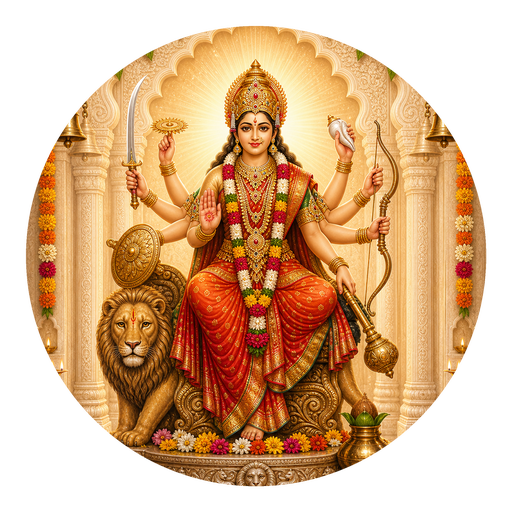
In the Satya Yuga, a powerful demon named Mura repeatedly defeated the devas through his illusory powers. Indra and the other devas went to Lord Vishnu for help, and a long war followed between Vishnu and Mura — Mura kept escaping through his deceptive tricks. Once, while Vishnu was resting in the Hemavati cave at Badrikashram, Mura tried to seize the moment and attack. At that very instant, a radiant goddess emerged from Vishnu's own splendour — she fought Mura and slew him instantly. Because she appeared on the Ekadashi tithi, she came to be known as "Ekadashi." A pleased Vishnu granted her a boon: this tithi would remain dear to him, and whoever observed it with a devoted fast would have their sins destroyed and gain spiritual merit.
Each named Ekadashi also carries its own additional legend — for instance, the Malyavan-Pushpavati story on the Jaya Ekadashi page.
Who should observe it
Generally, all devotees of Vishnu/Vitthal observe this vrat — particularly followers of the Warkari sampradaya, who keep the fortnightly Ekadashi regularly. Exactly how strict a fast to keep varies by tradition and health — it isn't a universal obligation.
Pan-Indian sources record that the general householder/devotee observes Smarta Ekadashi (the tithi prevailing at the moment of sunrise), while stricter Vishnu devotees and sanyasis observe Vaishnav Ekadashi (the criterion being that the Dashami tithi must have ended before arunodaya, the pre-dawn period) — so Vaishnav Ekadashi sometimes falls a day later. This difference is geographical and mathematical; both are considered equally valid. So if Ekadashi appears to fall on two different, adjacent dates, that isn't confusion — it reflects two consistent, different traditions.
Puja vidhi
A researched general sequence — details can vary by family and tradition:
- On the day before Ekadashi (Dashami), some traditions call for a light, sattvic meal in preparation.
- On the morning of Ekadashi, bathe and wear clean clothing.
- Worship Vishnu (or Vitthal) and offer tulsi leaves. Tulsi should be plucked the day before — by custom, its leaves aren't plucked on Ekadashi or Dwadashi.
- Chant the Vishnusahasranama or the "Om Namo Bhagavate Vasudevaya" mahamantra, and light a ghee lamp.
- Fast through the day (the strictness depends on your choice — see Fasting and food below).
- In some places, a custom of keeping a night vigil with bhajans and kirtan is observed.
- The next day, on Dwadashi, break the fast (parana) after sunrise, avoiding Hari Vasara (the first quarter of the Dwadashi tithi) — ideally in the early morning.
What you need (samagri)
Tulsi leaves (plucked the day before), a Vishnu/Vitthal murti or image, ghee and a lamp, incense, fruit-based naivedya, yellow cloth or flowers, and a Vishnusahasranama or stotra text. (This list can vary by tradition.)
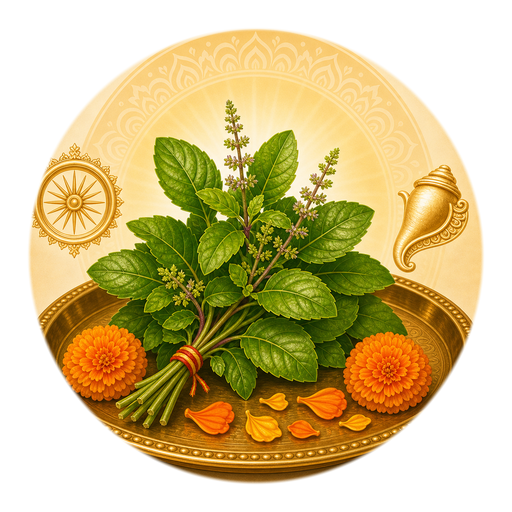 Tulsi leaves
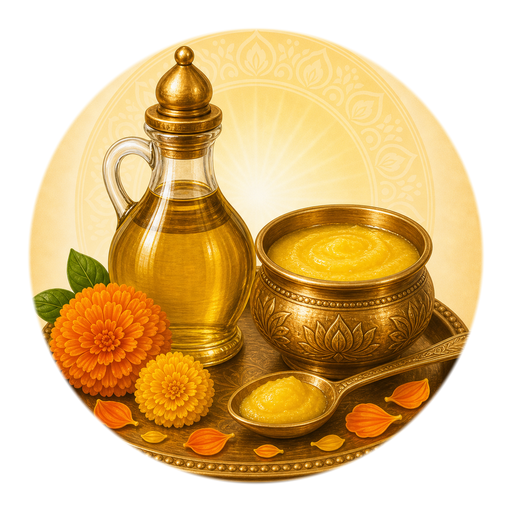 Ghee
Ghee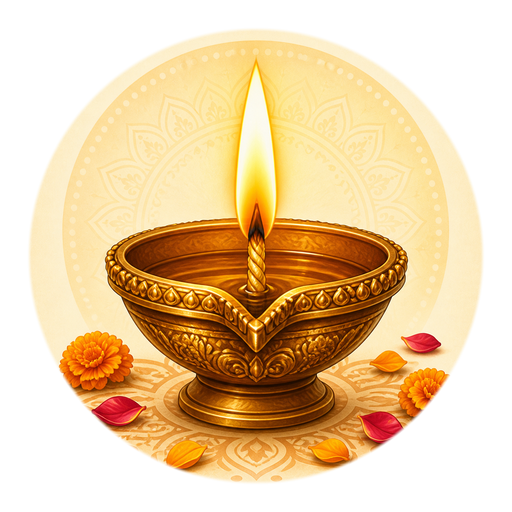 Lamp
Lamp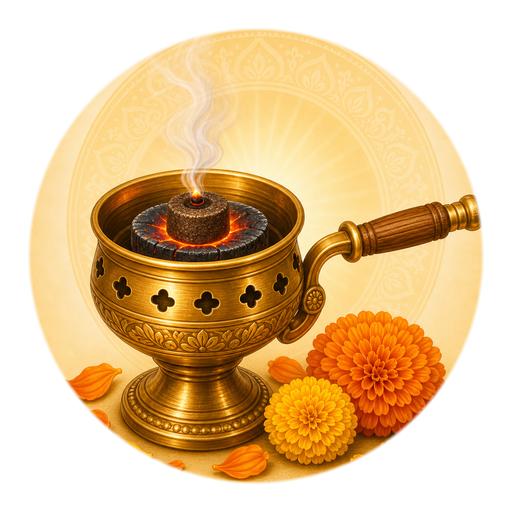 Incense
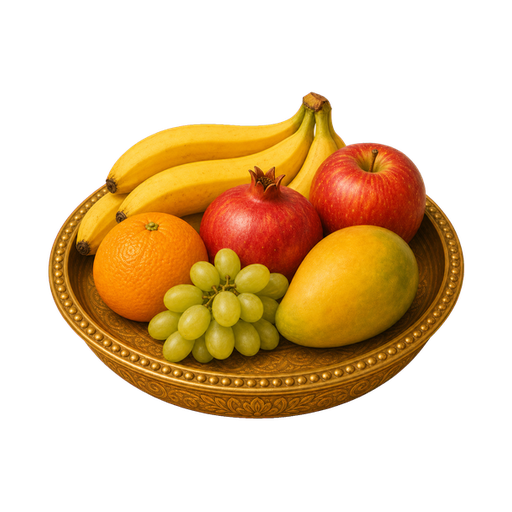 Fruit
Fruit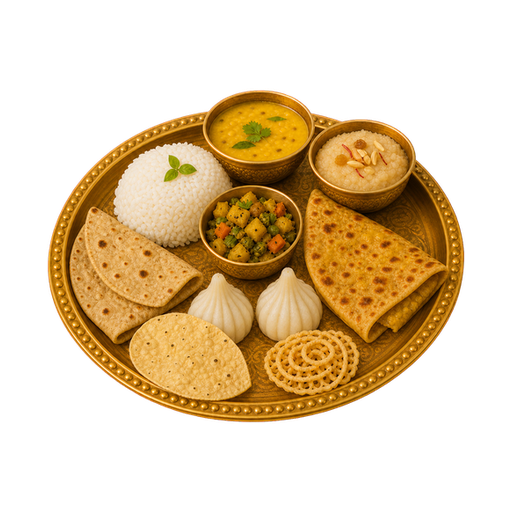 Naivedya
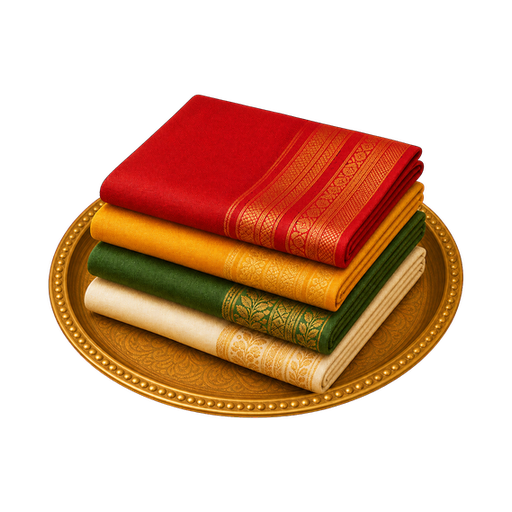 Yellow cloth
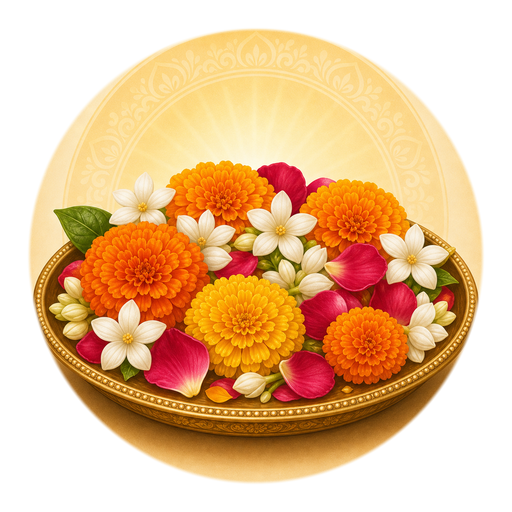 Flowers
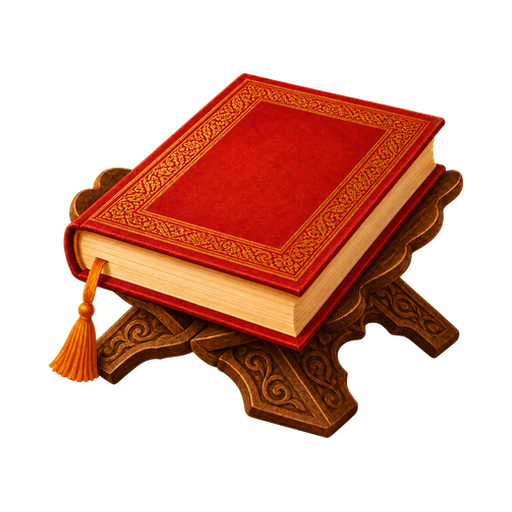 Stotra text
Fasting & food (upvas)
The central rule is to avoid all grains and pulses — rice, wheat, and every lentil — which is what sets the Ekadashi fast apart from other vrats. Rice in particular is avoided; onion and garlic are also excluded.
Three broad levels of strictness are found in tradition:
- Nirjala — a completely waterless fast (the strictest; Nirjala Ekadashi is named for exactly this).
- Ekahar/phalahar — one simple, sattvic, fruit-based meal a day (potato, pumpkin, fruit, milk, buckwheat or water-chestnut flour, sabudana, rock salt).
- Saalaj-phalahar — the mildest; eating vrat-permitted food freely through the day, with only grains and pulses avoided.
Parana should be done the next day, on Dwadashi, after sunrise, avoiding Hari Vasara — ideally in the early morning; breaking the fast at midday is considered inauspicious.
The elderly, pregnant women, young children, and those who are unwell or on regular medication should avoid a waterless or strict fast, and take the gentler phalahar or single-meal option instead — the fast isn't compulsory.
Mantra & aarti
- The 12-syllable mahamantra — "Om Namo Bhagavate Vasudevaya": a salutation to Vishnu, the most widely used mantra in Vaishnav tradition; it's chanted during Ekadashi puja.
- Vishnusahasranama: an ancient stotra (rooted in the Mahabharata) of Vishnu's thousand names, recited on Ekadashi.
- Warkari abhang/bhajan: Vitthal abhangs and kirtan are sung during the Ekadashi night vigil.
Regional customs
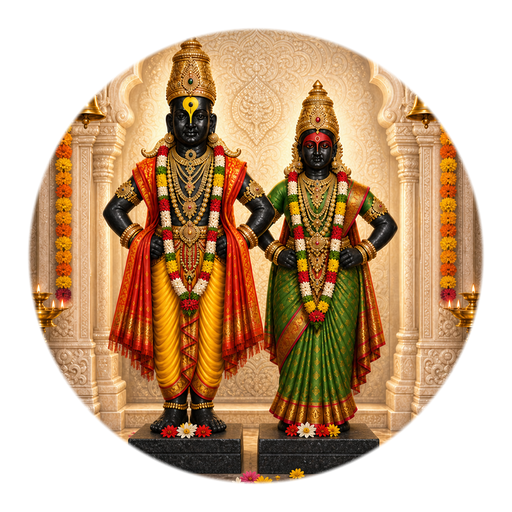
In Maharashtra, Ekadashi isn't just a tithi-vrat — it's central to the Warkari way of life. It carries especially great weight on two occasions, Ashadhi Ekadashi and Prabodhini (Kartiki) Ekadashi, when the wari (pilgrimage) to the Vitthal-Rukmini temple at Pandharpur takes on immense significance — the detail lives on those two pages. That said, every Ekadashi is regularly observed by Warkaris.
The Smarta vs. Vaishnav distinction is a general Indian tradition; how it's followed in Maharashtra can vary by family. Fasting strictness varies by family and region — some keep a waterless fast, some only phalahar, some just avoid grains.
This year's dates
This page isn't tied to any single date — Ekadashi comes roughly 24-26 times a year, every fortnight. Every Ekadashi in 2026 already has its own name and its own page — for example, Mokshada Ekadashi (linked to Geeta Jayanti), Putrada Ekadashi, and Vijaya Ekadashi. To find when the next Ekadashi falls, check today's panchang or the named pages above.
Good to know
- A waterless or strict fast doesn't suit everyone — the elderly, pregnant, unwell, or young should take the phalahar/single-meal option.
- Do parana after sunrise, avoiding Hari Vasara — check the local panchang for the exact window.
- Don't pluck tulsi leaves on Ekadashi or Dwadashi — pluck them the day before instead.
- Because of the Smarta vs. Vaishnav difference, Ekadashi can sometimes appear on two adjacent dates — rather than treating this as an error, it helps to check with family elders or a local temple about which date applies to your tradition.
- Each named Ekadashi has its own legend and significance — see that Ekadashi's own page for the detail.
FAQ
- What is the Ekadashi vrat?
- The eleventh tithi of the lunar fortnight, dedicated to Vishnu; it's observed twice a month, roughly 24-26 times a year.
- Why do people fast on Ekadashi?
- By legend, fasting on this tithi is believed to destroy sins and bring spiritual merit — the boon Vishnu granted the goddess Ekadashi.
- What should be eaten and avoided on Ekadashi?
- Grains, rice, and pulses are avoided; fruit, milk, buckwheat or water-chestnut flour, sabudana, and rock salt are permitted — the strictness depends on your chosen level (nirjala/phalahar/saalaj).
- When and how should the Ekadashi fast be broken?
- The next day, on Dwadashi, after sunrise, avoiding Hari Vasara — ideally in the early morning.
- What's the difference between Smarta and Vaishnav Ekadashi?
- It comes down to the tithi criterion — the tithi at the moment of sunrise vs. Dashami having ended before arunodaya; this geographical/mathematical difference sometimes causes a one-day gap.
- Who should observe the Ekadashi vrat?
- General devotees of Vishnu/Vitthal, especially followers of the Warkari sampradaya; exemptions can be taken based on health.
- Why are rice and grains avoided on Ekadashi?
- Avoiding grains and pulses is considered the central rule of the Ekadashi fast; rice in particular is traditionally avoided.
- How many times a year does Ekadashi come?
- About 24 times a year (Shukla and Krishna, twice a month); 26 in a year with an adhik masa.