Kalashtami (Kaal Bhairav)
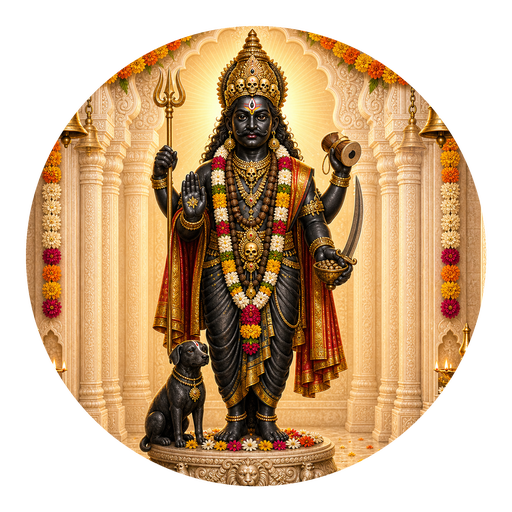
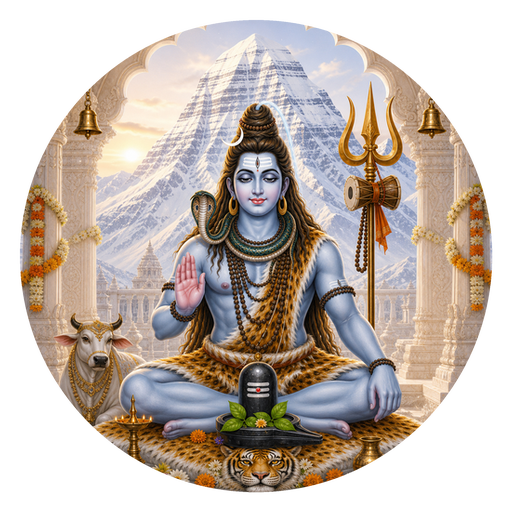
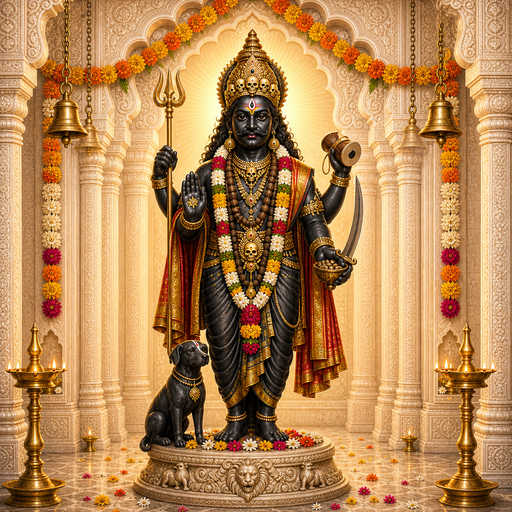
Kalashtami is the vrat of Kaal Bhairav (Shiva's fierce form, the "Kotwal of Kashi"), observed on Krishna Paksha Ashtami every month. Kalashtami falls roughly 12-13 times a year (depending on the adhik-masa cycle); the occurrence in the Margashirsha/Kartik month is the annual Kaal Bhairav Jayanti — the most significant of the year — while the remaining 11-12 are the regular monthly Kalashtami, observed in a lighter, more flexible form.
This year's dates (2026)
- Saturday; repo primaryLabel = 'Kalashtami'10 Jan
- Monday; repo primaryLabel = 'Kalashtami'9 Feb
- Wednesday; repo primaryLabel = 'Kalashtami'11 Mar
- Friday; repo primaryLabel = 'Kalashtami'10 Apr
- Saturday; repo primaryLabel = 'Kalashtami' (despite Saptami)9 May
- Monday; an adhik-masa occurrence — observance custom can vary by tradition8 Jun
- Tuesday; repo primaryLabel = 'Sant Tukaram Maharaj Palkhi Prasthan'; Kalashtami secondary7 Jul
- Wednesday; repo primaryLabel = 'Kalashtami' (despite Saptami)5 Aug
- Friday; repo primaryLabel = 'Shrikrishna Janmashtami'; Kalashtami secondary4 Sep
- Saturday; repo primaryLabel = 'Ashtami Mahalay'; Kalashtami secondary3 Oct
- Sunday; repo primaryLabel = 'Bhanu Saptami'; Kalashtami equally secondary1 Nov
- Tuesday; this is the annual Kaal Bhairav Jayanti (flagship) — full detail on the Kaal Bhairav Jayanti page1 Dec
- Wednesday; repo primaryLabel = 'Kalashtami' — an ordinary monthly occurrence, different from the 1 December Kaal Bhairav Jayanti30 Dec
Significance
Kaal Bhairav Jayanti comes only once a year (in Margashirsha); the monthly Kalashtami instead offers a Kaal-Bhairav-remembrance opportunity every month, for protection from fear, negativity, and misfortune — an easier rhythm for regular practice, just like Masik Shivratri and Durgashtami.
Kaal Bhairav is regarded as the presiding form of Shiva over fear, time (death), and justice — a protector/kotwal who punishes wrongdoing and shields devotees. Regular Ashtami worship is believed to dispel fear and misfortune.
Kaal Bhairav was released from the sin of Brahmahatya at Kashi, and from then on became its guardian — a centuries-old tradition holds that Kaal Bhairav should be visited before Kashi Vishwanath. The full legend is on the Kaal Bhairav Jayanti page.
In Maharashtra, Kaal Bhairav/Bhairavnath is the guardian deity (gramadaivat/kuladevata) of many villages and families (with many Bhairav temples around Satara, Ahmednagar, and Solapur) — the regular monthly Kalashtami keeps this bond alive every month.
The legend
Kalashtami has no separate, standalone legend of its own — it's part of Kaal Bhairav's own origin story, already told in detail on the Kaal Bhairav Jayanti page. In brief: Brahma grew arrogant and disrespected Shiva; to destroy this pride, Kaal Bhairav manifested from Shiva's wrath and severed Brahma's fifth head — this left Bhairav with the sin of Brahmahatya, the skull stuck to his hand. As he wandered and reached Kashi, the sin vanished, and from then on Kaal Bhairav became the guardian of Kashi.
Some versions hold that Kaal Bhairav manifested from Shiva's brow to destroy Brahma's pride, while others say he manifested from Shiva's blood to slay the demon Andhakasura — both traditions are current.
Who observes it
Shiva devotees and Kaal Bhairav worshippers — those seeking relief from fear, misfortune, or ill will; many families and villages in Maharashtra where Bhairavnath is the kuladevata/gramadaivat observe it with special devotion. It's open to everyone.
For regular devotees, this monthly vrat is less elaborate than Kaal Bhairav Jayanti, making it easier to observe through the year; some devotees take a vow of 40 consecutive days of temple visits.
Puja vidhi
The elaborate rites of Kaal Bhairav Jayanti aren't required for the monthly Kalashtami — that detailed vidhi belongs on the Kaal Bhairav Jayanti page itself. For monthly Kalashtami, the general sequence is:
- A bath is taken before sunrise, followed by a sankalp.
- An oil lamp is lit before the Kaal Bhairav murti/image (with a Shivling) — mustard or sesame oil, by family tradition.
- Sandal paste, flowers, bel leaves (21 leaves on the Shivling), incense-lamp, and naivedya are offered.
- The Shri Kalabhairava Ashtakam and Bhairav mantras are recited, with focus.
- A black dog (Kaal Bhairav's vahana) is fed milk, curd, and sweets — the special, distinctive act of this vrat.
- Worship is commonly done at night (during nishita kaal); in some traditions a morning rite is followed instead.
- Some devotees take a vow of 40 consecutive days of temple visits.
What you need
A Kaal Bhairav image/murti (and Shivling), oil and a lamp (mustard/sesame — varies by source), sandal paste-akshata-turmeric-kumkum, flowers and bel leaves, incense, camphor, naivedya (jaggery/sweets/fruit), milk-curd-sweets for the black dog, and the Kalabhairava Ashtakam/text. (This list can vary by tradition.)
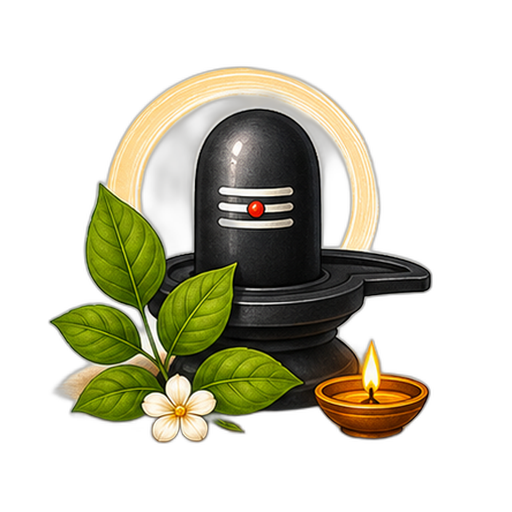 Shivling
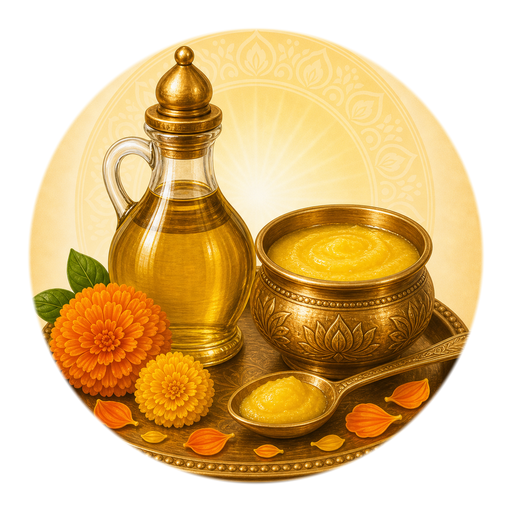 Oil
Oil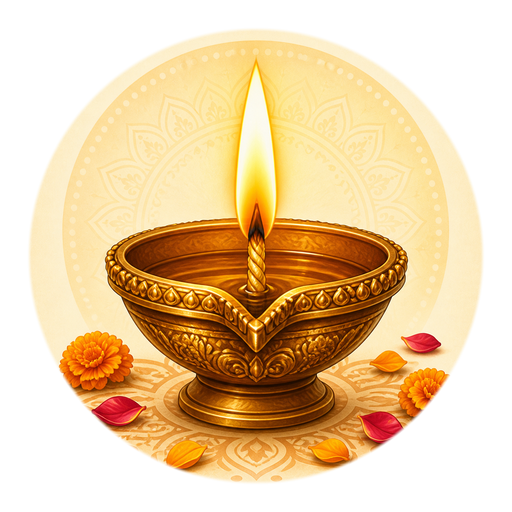 Lamp
Lamp Sandal paste
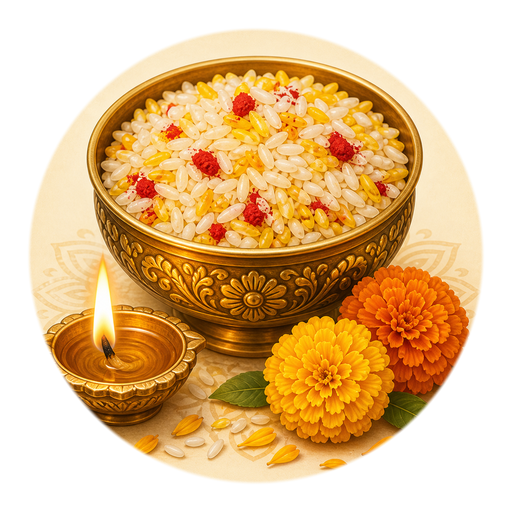 Akshata
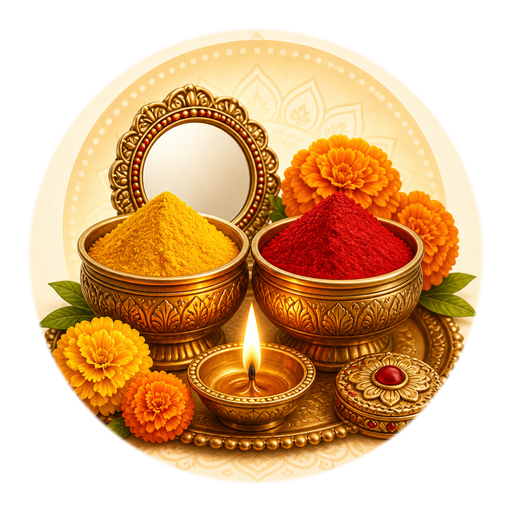 Turmeric-kumkum
 Flowers
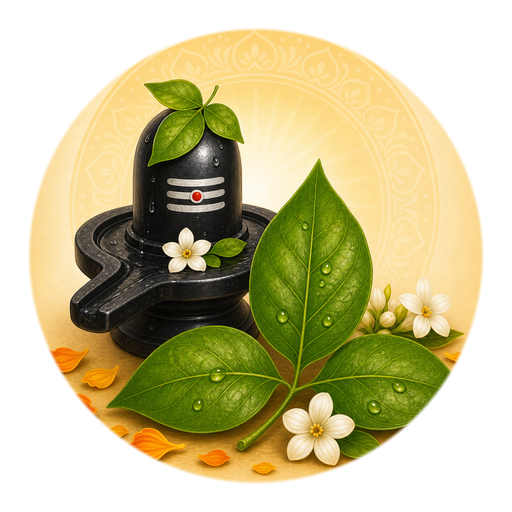 Bel leaves
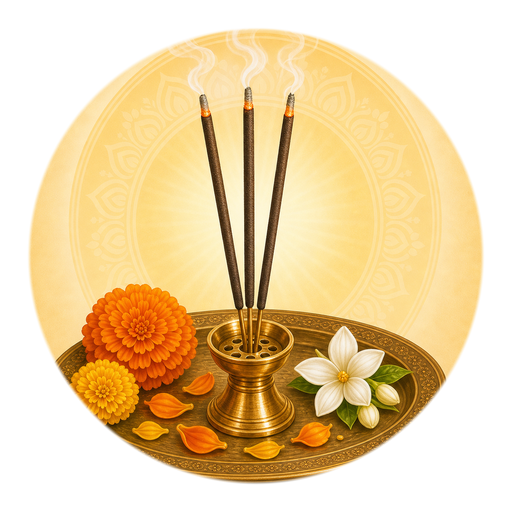 Incense stick
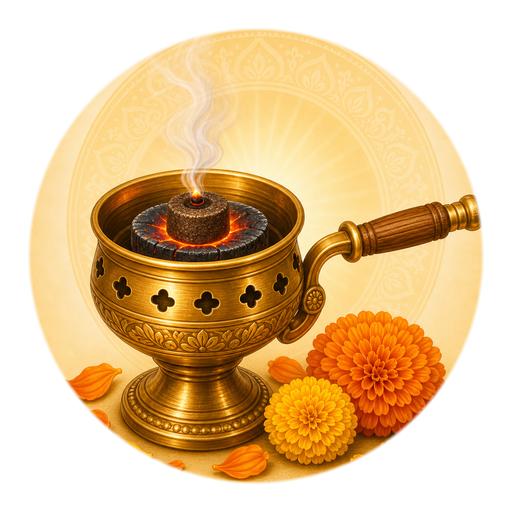 Dhoop (incense)
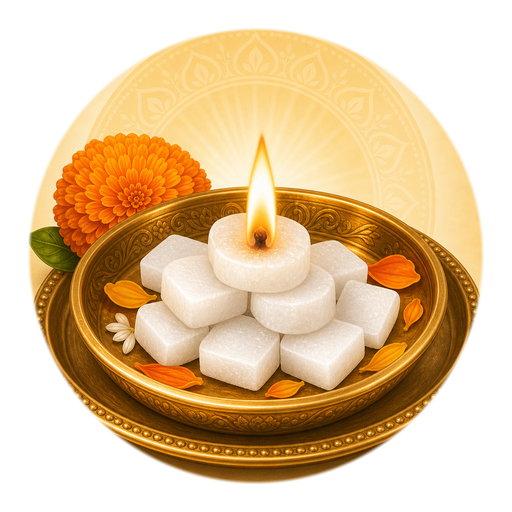 Camphor
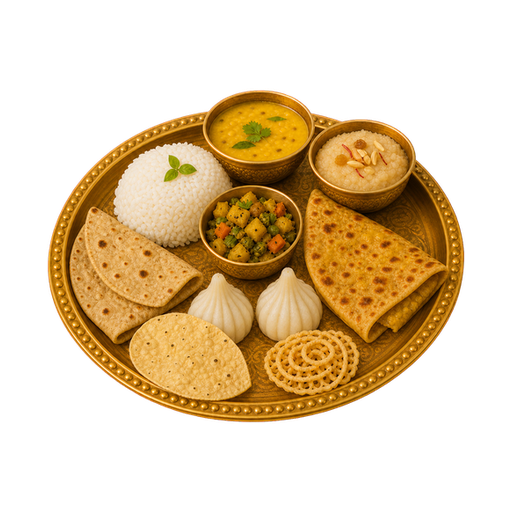 Naivedya
 Kalabhairava Ashtakam text
Fasting
Some devotees keep a strict fast, some eat only fruit, and others take one sattvik meal — according to capacity. The Kalashtami fast is generally considered milder/less strict than the Kaal Bhairav Jayanti fast, the same flexible-fasting approach as Durgashtami and Masik Shivratri.
Mantra & stotra
Shri Kalabhairava Ashtakam (opening line): "Devaraja-sevyamana-pavananghri-pankajam…" — an eight-verse stotra by Adi Shankaracharya; the refrain is "Kashikapuradhinatha-kalabhairavam bhaje." Meaning: salutations to Kaal Bhairav, lord of Kashi — recited for the removal of fear and sin, and equally applicable to the monthly Kalashtami.
Bij/naam-jap: "Om Kaal Bhairavaya Namah" — a simple chant.
Regional customs
Bhairavnath/Kaal Bhairav is the guardian deity of countless villages and families across Maharashtra (with many temples around Satara, Ahmednagar, and Solapur). These Bhairavnath yatras are local and scattered across the year on their own calendars — not tied to any specific Kalashtami date.
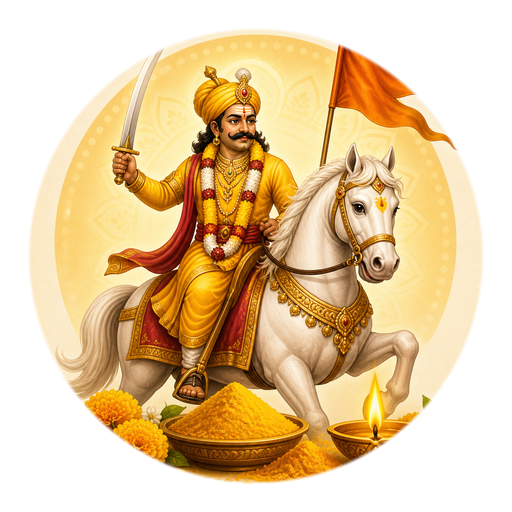
Maharashtra's popular kuladevata Khandoba is known by the classical name "Martanda Bhairava" — regarded as connected to Shiva's Bhairav form (more detail on the Champa Shashti page).
Marathi Wikipedia states that Kalashtami is traditionally observed only in the months of Ashwin, Kartik, and Bhadrapad — meaning only certain months. But most modern astrology/devotional portals treat every month's Krishna Ashtami as Kalashtami. Both traditions exist — in some traditions it carries special significance only in specific months, while modern practice observes it every month.
Date (2026) — 13 Kalashtami occurrences
| # | Date | Day | Tithi (at sunrise) | Nakshatra | Note |
|---|---|---|---|---|---|
| 1 | 10 January | Saturday | Krishna Saptami (Ashtami at night) | Hasta | Kalashtami |
| 2 | 9 February | Monday | Krishna Ashtami | Vishakha | Kalashtami |
| 3 | 11 March | Wednesday | Krishna Ashtami | Jyeshtha | Kalashtami |
| 4 | 10 April | Friday | Krishna Ashtami | Purvashadha | Kalashtami |
| 5 | 9 May | Saturday | Krishna Saptami (Ashtami at night) | Shravan | Kalashtami (despite Saptami) |
| 6 | 8 June | Monday | Adhik Jyeshtha Krishna Ashtami | Shatataraka | Adhik masa |
| 7 | 7 July | Tuesday | Krishna Saptami (Ashtami at night) | Uttara Bhadrapada | Main label 'Tukaram Palkhi Prasthan'; Kalashtami secondary |
| 8 | 5 August | Wednesday | Krishna Saptami (Ashtami at night) | Ashwini | Kalashtami (despite Saptami) |
| 9 | 4 September | Friday | Krishna Ashtami | Rohini | Main label 'Shrikrishna Janmashtami'; Kalashtami secondary |
| 10 | 3 October | Saturday | Krishna Saptami/Ashtami | Ardra | Main label 'Ashtami Mahalay'; Kalashtami secondary |
| 11 | 1 November | Sunday | Krishna Saptami (Ashtami at night) | Pushya | Main label 'Bhanu Saptami'; Kalashtami secondary |
| 12 | 1 December | Tuesday | Krishna Ashtami (ends 11:13 PM) | Magha | = Kaal Bhairav Jayanti (flagship) |
| 13 | 30 December | Wednesday | Krishna Saptami (Ashtami at night) | Uttara Falguni | Kalashtami — different from the 1 December Jayanti, an ordinary monthly occurrence |
These dates fall roughly once a month; the count of 13 is specific to 2026 — since 2026 is an adhik-masa year (Kalashtami falls in both Adhik Jyeshtha in June and Nij Jyeshtha in July), and two separate amanta lunar cycles (Kartik and Margashirsha) both have their Krishna Ashtami land in the same Gregorian month of December, the count comes to 13. Every year this count stays roughly 12-13.
Don't confuse 1 December with 30 December: 1 December is the Kalashtami of the Kartik (amanta) = Margashirsha (purnimanta) month — this is the annual flagship Kaal Bhairav Jayanti, whose full research is on that same page. 30 December is the Kalashtami of Margashirsha (amanta, one further lunar month in the panchang's own cycle) — this is an ordinary monthly Kalashtami, not the flagship.
Good to know
- Fasting is optional, not compulsory — if a full fast isn't manageable for health or medication reasons, follow your doctor's guidance rather than a fixed diet.
- In some months, the sunrise tithi reads Saptami even though that day is treated as Kalashtami, because Ashtami prevails at night/after pradosh.
- The Margashirsha/Kartik Kalashtami (1 December) is the annual Kaal Bhairav Jayanti; the 30 December Kalashtami is different, an ordinary occurrence.
- 7 July (Tukaram Palkhi), 4 September (Janmashtami), 3 October (Mahalay), 1 November (Bhanu Saptami) — Kalashtami falls on these days too, but each day's primary identity belongs to the other festival.
- Check your local Bhairav/Bhairavnath temple's timings before visiting.
FAQ
- What is Kalashtami?
- The vrat of Kaal Bhairav (Shiva's fierce form), observed on Krishna Paksha Ashtami every month — roughly 12-13 times a year.
- What's the difference between Kalashtami and Kaal Bhairav Jayanti?
- The Kalashtami in the Margashirsha/Kartik month is called Kaal Bhairav Jayanti — the most significant of the year; the remaining 11-12 are the regular monthly Kalashtami.
- Which tithi does Kalashtami fall on?
- Krishna Paksha Ashtami, in every amanta month; even if the sunrise tithi reads Saptami, the day counts as Kalashtami when Ashtami prevails at night.
- When does Kalashtami fall in 2026?
- 13 dates — from 10 January to 30 December (see the list above).
- How should the Kalashtami vrat be observed?
- Bathe, worship and offer to Kaal Bhairav, fast, recite the Kalabhairava Ashtakam, feed milk-curd to a black dog, and often a special night puja.
- Why is a black dog fed on Kalashtami?
- The dog is regarded as Kaal Bhairav's vahana; feeding it milk, curd, and sweets is the special, distinctive act of this vrat.
- Why is Kalashtami puja performed at night?
- Kaal Bhairav is regarded as the presiding deity of time (kaal); night (nishita-kaal) worship is believed to be especially auspicious for Kaal Bhairav puja.
- Who should observe Kalashtami?
- Shiva devotees and Kaal Bhairav worshippers; families in Maharashtra where Bhairavnath is the kuladevata/gramadaivat observe it with special devotion, but any devotee may observe it with faith.