Shanivar Vrat
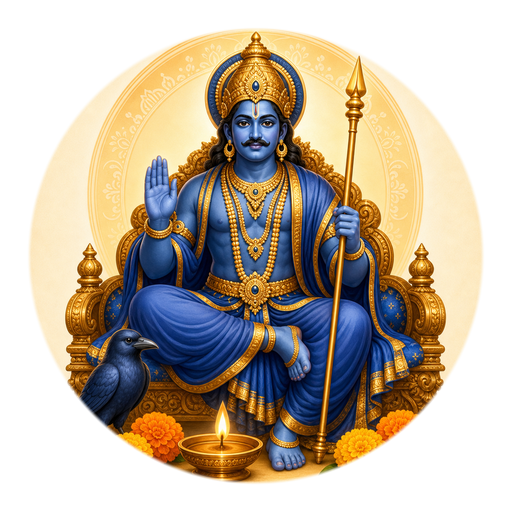
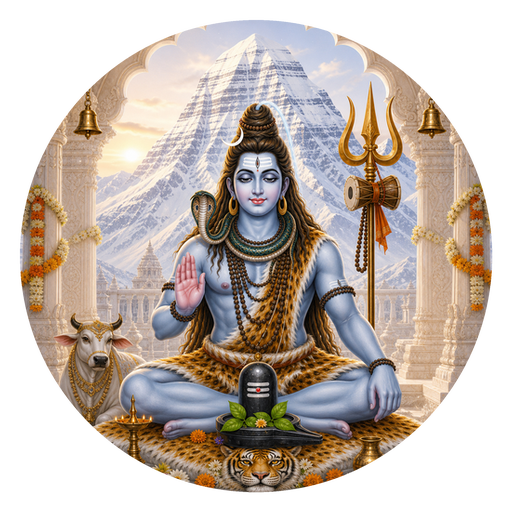
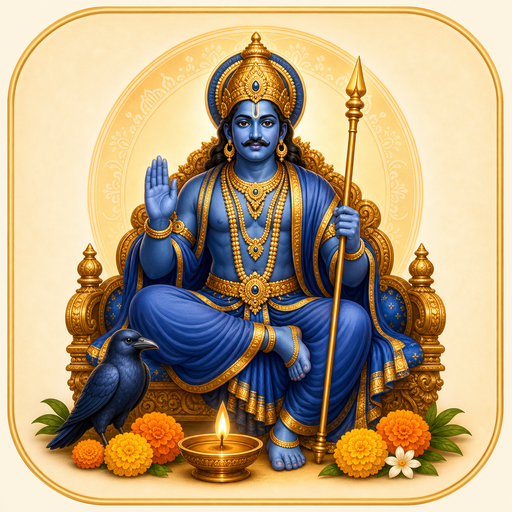
Saturday is regarded as Shani Dev's (Shanaishchar's) day — because Shani presides over the first hora of that day. At the same time, in Maharashtra, Saturday is also regarded as Maruti's (Hanuman's) day — a fact recorded independently by the state's official Marathi encyclopaedia. By one popular legend, Hanuman once rescued or overpowered Shani from trouble, and a grateful Shani promised protection to Hanuman's devotees from the hardship of sade-sati — which is why Shani and Maruti are worshipped together on Saturdays. This vrat isn't bound to a tithi or a masa — it applies on every Saturday of the year (52 Saturdays in all in 2026).
⚠️ Looking for Shani Jayanti, Shani Amavasya, or Shravani Shanivar? Those are three calendar-specific sibling pages, each falling only a handful of times a year — Shani Jayanti and Shani Amavasya are tithi-based, while Shravani Shanivar follows a masa-plus-weekday rule (the Saturdays that fall within Shravan). This page covers every Saturday of the year in general. The difference is set out in the Regional customs section below.
Deity and significance
Shani is the slowest-moving of the nine grahas — believed to reward honesty, discipline, and hard work, and to teach a lesson to injustice and arrogance. The Marathi encyclopaedia records that Saturday gets its name because Shani presides over the first hora of that day.
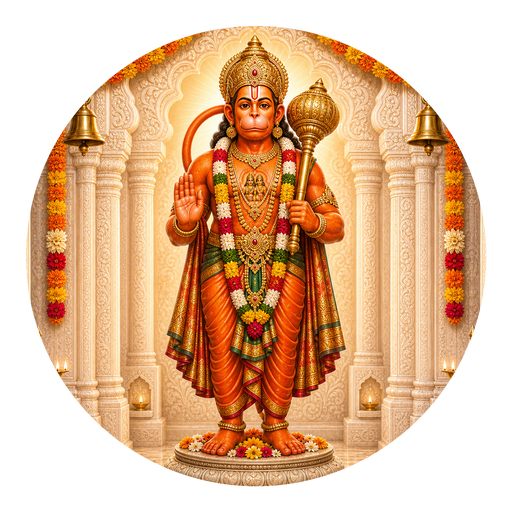
In Maharashtra, this same Saturday is also given equally important worship dedicated to Maruti (Hanuman) — Saturday is regarded as Maruti's day too, per the state's official Marathi encyclopaedia. By Maharashtrian popular belief, Hanuman is regarded as a deity capable of exerting influence over Shani himself, protecting devotees from Shani's afflictions — so worship of Maruti on Saturday is considered just as important as (in some households, even more important than) worship of Shani.
In astrology, Shani's sade-sati (roughly seven and a half years, counted from the moon sign) and dhaiya (two and a half years) are regarded as difficult periods; there's a widespread belief that Saturday worship eases this hardship — this is an astrological claim, not a scientific guarantee.
The Marathi encyclopaedia also records a general custom of an oil-massage bath (abhyangasnan) on Saturdays — this isn't limited to Shani worship specifically; it's a broader Ayurvedic and traditional health practice.
The vrat katha
Two distinct story threads are connected to Saturday worship — they're kept separate here, not blended together.
Shani Mahatmya — the story of King Vikramaditya: the nine grahas once argued over precedence among themselves; unable to settle it, they went to Indra, who sent them to the just king Vikramaditya for a decision. The king had nine thrones made, one each of gold, silver, bronze, brass, lead, tin, zinc, mica, and iron, arranged in order of rank — Shani was given the lowest, the iron throne. Insulted, Shani grew angry and vowed to show the king his power. Taking the form of a horse-trader, he gave the king a wondrous horse, which later vanished, leaving the king stranded in a distant land. There, falsely accused of theft, the king had his hands and feet cut off as punishment, and spent the sade-sati period — roughly seven years — labouring at an oil press in hardship. Eventually, moved by one kind person's compassion, Shani's heart softened; as the sade-sati ended, the king's prosperity and limbs were restored. The moral, as it's told, is that Shani puts faith and patience through a severe test, but grants justice and grace in the end.
The Hanuman-Shani relationship — the origin of why Saturday belongs to both: three different versions of this exist — none is presented here as the single "true" one. In one version, an arrogant Shani struck Hanuman on the head; Hanuman responded by overpowering him, and the defeated Shani accepted the custom of being offered oil, cotton, and urad dal. In another version, Shani tried to trouble a meditating Hanuman, who wrapped his tail around Shani from foot to neck and dragged him all the way to Ram Setu, at which point Shani begged forgiveness. In a third version, Ravana had imprisoned Shani in Lanka (holding him responsible for Meghnad's fate); while searching for Sita, Hanuman freed the imprisoned Shani, and a grateful Shani granted him a boon. The shared core across all three: in this encounter, Hanuman gets the upper hand over Shani, Shani becomes grateful or humbled, and promises protection to Hanuman's devotees from his own ill effects — which is why worshipping Hanuman on Saturday is considered especially effective against Shani-related troubles.
"Sampat Shanivar," a separate, Shravan-limited folk story connected to the Saturdays of that month, is a different story again — it isn't retold here, and belongs to the separate Shravani Shanivar page.
Who should observe it
General devotees of Shani and Maruti — those who worship both deities together on Saturday. Those who, by astrological belief, are going through sade-sati, dhaiya, or a Shani mahadasha, or believe Shani is weak or unfavourably placed in their horoscope, particularly observe this vrat. What exactly to do varies by tradition and belief — it isn't presented here as a universal obligation.
Puja vidhi
A researched sequence — details can vary by tradition:
- Bathe in the morning and wear clean black or blue clothing if possible.
- Anoint the Shani idol or stone with mustard oil; offer black sesame seeds and blue or black flowers.
- Offer oil and vermilion to a Maruti idol or the Maruti shrine beneath a peepal tree, and drape a cotton garland; break a coconut if possible.
- Recite the Shani Mahatmya, a Shani prayer, or the Shani-Ashtak, along with the Shani bija mantra; a Maruti stotra or the Hanuman Chalisa can also be recited.
- Perform the aarti, offer naivedya, and give charity (see below). The puja can be done in the morning or the evening.
Udyapan (closing ritual): once a chosen number of Saturdays is complete (sources disagree on the number — see below), the vrat is typically closed with a special puja, a havan, mantra chanting, and a meal or donation for Brahmins or those in need — this is a general pattern; no Marathi-specific detail was found.
The exact vidhi, materials, and closing details can vary by family and region — this shouldn't be taken as the one correct procedure.
Puja materials
- For Shani: an idol, image, or an iron/black stone; mustard oil; black sesame seeds; blue or black flowers; black cloth; iron.
- For Maruti: an idol or image; oil; vermilion; a cotton garland or cloth; a coconut.
- Shared: incense and a lamp, sandalwood paste and unbroken rice, naivedya, aarti materials, items for charity (urad dal, jaggery).
(This list can vary by tradition.)
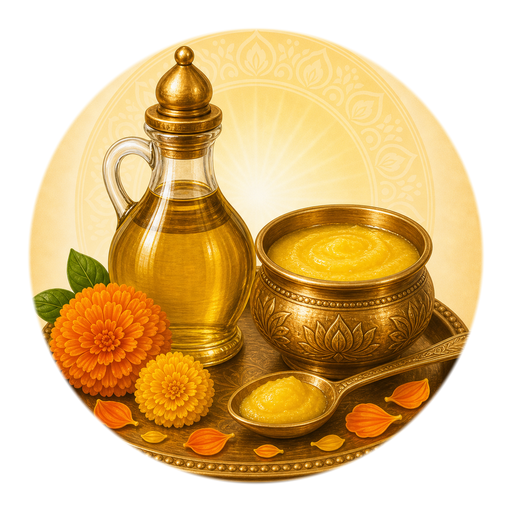 Mustard oil
 Blue/black flowers
 Black cloth
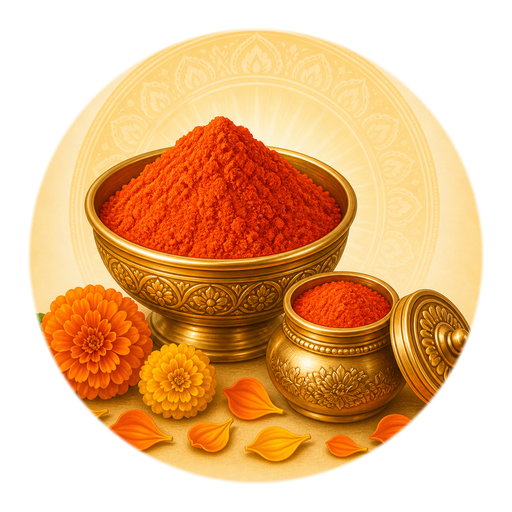 Vermilion
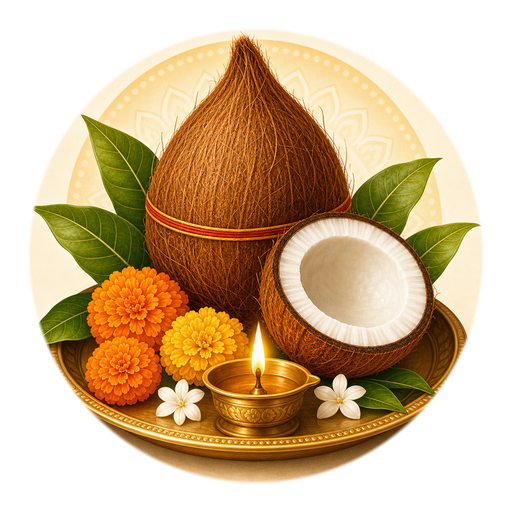 Coconut
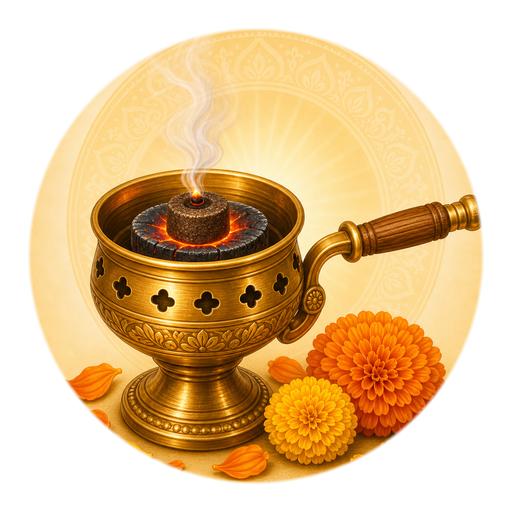 Incense
 Lamp
Lamp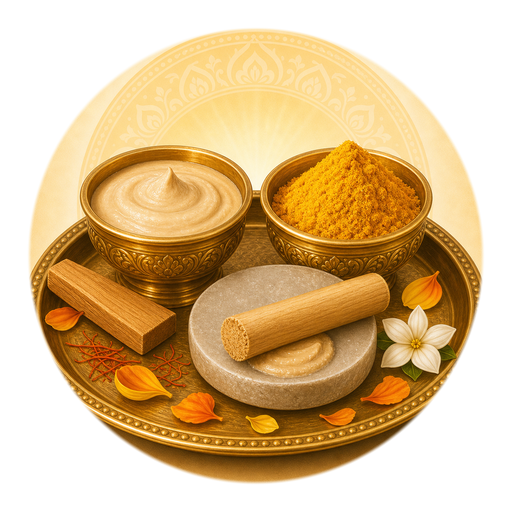 Sandalwood paste
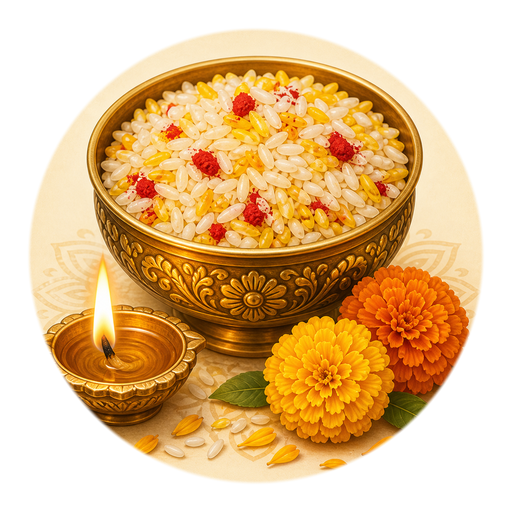 Unbroken rice
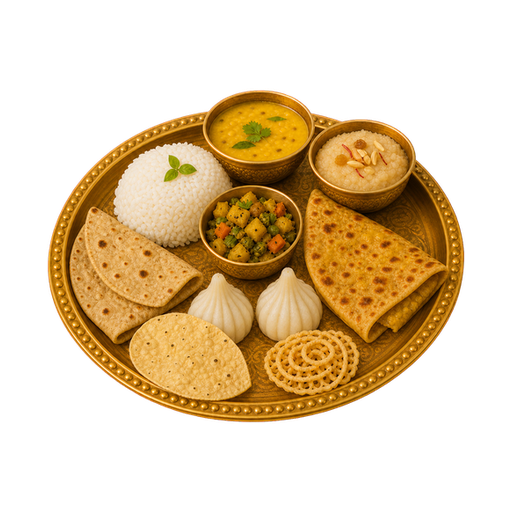 Naivedya
Fasting and dietary rules
A single meal a day — whether eaten in the morning or the evening, both are accepted according to sources. A sattvic diet is expected — salt, meat, alcohol, and onion-garlic are avoided; including black sesame, urad dal, and jaggery in the diet is considered auspicious.
Sources don't agree on how many Saturdays the vrat should be observed for — some traditions specify a fixed number of Saturdays, such as eleven, twenty-one, thirty-one, or fifty-one (similar to Solah Somvar), some suggest observing it continuously for a year, and others say "until the sade-sati or dhaiya period ends." No single number is presented here as the final word.
Those who are elderly, pregnant, unwell, or on regular medication should avoid a strict fast — observe it gently, according to your health.
Mantra and stotras
- Shani bija mantra: "Om Sham Shanaishcharaya Namah" — the root mantra of salutation and a prayer for Shani's grace.
- Dashrath's Shani Stotra — the recognisable opening: "Om Neelanjana-samabhasam ravi-putram yamagrajam, Chhayamartanda-sambhutam tam namami Shanaishcharam" — a salutation to Shanaishchar, described here as dark like blue collyrium, the son of the sun, and Yama's elder brother.
- Shani-Ashtak: this eight-verse stotra is recited as part of the puja.
- Maruti stotra — Satrane Uddane (Samarth Ramdas): this public-domain stotra describes Hanuman's immense strength and roar — it opens with "Satrane uddane hunkar vadanim, kari dalmal bhumandal sindhujal gagani". The full aarti is on the Mangalvar Vrat (Hanuman) page.
- Hanuman Chalisa: many sources recommend a daily reading as a remedy against Shani-related troubles.
Regional customs
The Maharashtrian emphasis on Saturday also being Maruti's day is a genuinely notable feature — recorded by the state's official Marathi encyclopaedia. Pan-Indian sources usually emphasise only the Shani side, without giving the Maruti side the same weight.
Most villages and neighbourhoods in Maharashtra have a Maruti temple; it's a general observation that these see larger-than-usual crowds for oil-and-vermilion offerings on Saturdays — no official association with any particular temple is assumed here.
In some traditions, and in much of the rest of India, Tuesday is also regarded as a major day for Hanuman — see Mangalvar Vrat (Hanuman), a separate, distinct page from this one.
Avoid confusing this with neighbouring Shani-related pages:
| Page | Scope | Primary deity |
|---|---|---|
| This page — Shanivar Vrat | Year-round, every Saturday (52) | Shani + Maruti |
| Shani Jayanti | Once a year (tithi) | Shani (birth anniversary) |
| Shani Amavasya | Amavasya + Saturday (2-3 times a year) | Shani |
| Shravani Shanivar (Sampat Shanivar) | Only the Saturdays within Shravan | Maruti (Ashwattha puja) |
In 2026, Shani Jayanti and Shani Amavasya both fall on the same Saturday, 16 May, and another Shani Amavasya falls on Saturday, 10 October — details for both dates are on the Shani Jayanti and Shani Amavasya pages respectively, and aren't repeated here. Shani Pradosh (a Trayodashi-based coincidence) falls on a Saturday on 14 February and 27 June — details are on the Pradosh family pages. None of these dates are part of the Shanivar Vrat's own definition — this vrat applies the same way on every Saturday; they're noted here only as a useful reference for readers.
Good to know
- Saturdays can bring larger crowds to Shani and Maruti temples, particularly at a site like Shani Shingnapur — it helps to plan your visit time in advance.
- Take general care about slipperiness when using mustard oil for the abhishek.
- A strict or waterless fast doesn't suit everyone — those with diabetes, who are pregnant, or elderly should take an exemption on medical advice.
- Sade-sati remedies should be understood as matters of belief — they aren't presented here as any kind of astrological guarantee; fear-based language ("something bad will happen if you don't observe this vrat") is best avoided.
FAQ
- What is the Shanivar Vrat?
- An observance kept every Saturday, involving joint worship of Shani Dev and Maruti, along with fasting.
- Why do people fast on Saturdays?
- Shani is regarded as the graha-deity of karmic justice; Saturday worship is considered especially effective for easing sade-sati or Shani-dosha, and for building discipline and patience.
- Why is Saturday regarded as Hanuman's day?
- By one popular legend, Hanuman once rescued or overpowered Shani from trouble, and a grateful Shani promised protection to his devotees — which is why Shani and Maruti are both worshipped on Saturday. Different versions of this story exist.
- Who should observe the Shanivar Vrat?
- General devotees of Shani and Maruti; particularly those who believe they're going through sade-sati, dhaiya, or a Shani mahadasha. Practice varies by tradition.
- What should be offered to Shani Dev on Saturday?
- Mustard oil, black sesame seeds, blue or black flowers, black cloth, and iron — the list can vary by tradition.
- How is the Shanivar Vrat puja performed?
- After bathing, an oil abhishek for Shani, an oil-and-vermilion offering for Maruti, chanting a mantra or stotra, the aarti and naivedya, and charity — along with a single-meal fast.
- How many Saturdays should the Shanivar Vrat be observed for?
- Sources don't agree — some suggest eleven, twenty-one, thirty-one, or fifty-one Saturdays, others a full year. There's no fixed number; it can be decided by tradition.
- What remedies are suggested on Saturday for sade-sati?
- Worship of Shani, an oil abhishek, charity (black sesame, urad dal, iron), and reading the Hanuman Chalisa are considered beneficial — this is an astrological claim, not a guarantee.
- What's the connection between Shani and Maruti?
- By legend, Hanuman once overpowered or rescued Shani in an encounter; a grateful Shani promised protection to Hanuman's devotees — which is why Saturday is regarded as belonging to both.
- What should be eaten when breaking the fast on Saturday?
- A sattvic diet — black sesame, urad dal, jaggery; salt, meat, alcohol, and onion-garlic are avoided. A single meal, in the morning or evening.