Shani Shingnapur
Shani Shingnapur is a village in Nevasa taluka, Ahilyanagar (formerly Ahmednagar) district, where Shanidev/Shaneshwar is worshipped in the form of a self-manifested black stone, standing on an open platform under the open sky — with no roof or temple structure at all. The village's distinctive feature is that no house, shop, or even the bank here has doors or locks — a belief that Shanidev himself protects the village; in January 2011, the country's first "lockless" UCO Bank branch opened here. The main crowd days are every Saturday, especially Shani Amavasya and Shaneshchar Jayanti (both falling on the same day, 16 May, in 2026).
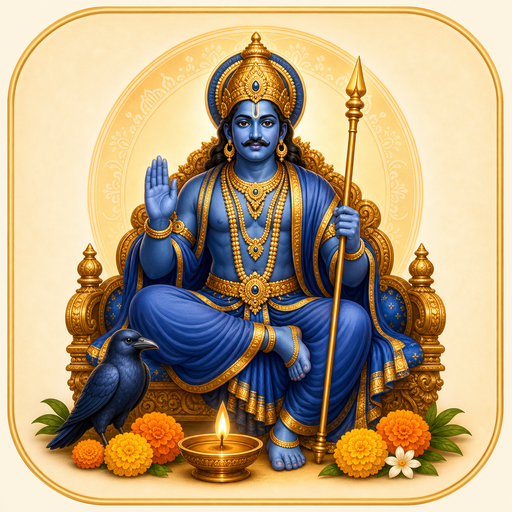
This year's dates (2026)
- Sant Eknath Shashthi (Nath Shashthi) — the panchang co-tags 'Shri Nath Shashthi Yatra - Paithan'; the claim of a walking dindi from Shingnapur to Paithan since 1991 rests on a single source9 Mar
- Gudi Padwa — tagged as a national festival in the panchang; a Shingnapur-specific claim of a walking pilgrimage carrying Ganga water19 Mar
- Start of a continuous namasmaran/Dnyaneshwari parayan — a date derived from tithi calculation, not panchang-tagged for Shingnapur, resting on a single source28 Mar
- Hanuman Jayanti/Chaitri Purnima — noted only as falling within the continuous-parayan period, no Shingnapur-specific tag2 Apr
- End of the continuous namasmaran/Dnyaneshwari parayan — a date derived from tithi calculation, resting on a single source3 Apr
- Shri Shaneshchar Jayanti — the panchang directly tags this day (high confidence, priority 9); coincides with a Shani Amavasya since it falls on a Saturday; the trust claims this is the year's biggest crowd day16 May
- Devshayani Ashadhi Ekadashi/Pandharpur Yatra — tagged as a national festival in the panchang; the claim of a walking Shaneshwar palkhi to Pandharpur since 1991 rests on a single source25 Jul
- The panchang's primary label is 'Shri Sarvapitri Darsh Amavasya'; since it falls on a Saturday, this is 2026's second Shani Amavasya, independently verified10 Oct
⚠️ Important note: there is another, entirely different temple also named "Shingnapur" — Shikhar Shingnapur (Satara district, the Shambhu Mahadev/Shiva temple). The two should never be confused; this page covers only Shani Shingnapur in Ahilyanagar district.
Deity and significance
Shanidev/Shaneshwar is regarded, among the Navagraha, as presiding over Shani (Saturn) and Saturday — the deity of karma's fruits and justice. The full birth story and form are covered on the Shani Jayanti page.
Self-manifested stone form: the Shani here was not carved by any sculptor — it is a natural black stone, about 5.5 feet tall (one source puts it at 5'9" x 1'6"), standing in the open on a marble platform, alongside images of a trishul and Nandi.
Many sources describe this as Maharashtra's largest center of Shani worship — thousands of devotees daily, with claims of far larger numbers on Amavasya.
Unlike most temples, where a priest performs the puja, devotees here commonly perform the abhishek themselves — a notable distinction.
History and legend (sthal-purana)
The account below rests on tradition — retold here in original words.
Long ago, the area is said to have experienced heavy rain and flooding. A large black stone is said to have come floating in the floodwaters, and in one telling, got caught against a ber (jujube) tree. Shepherds or villagers noticed the stone; when someone curiously prodded it with a stick, it is said to have bled. That same night, Shanidev is believed to have appeared in a villager's dream, identifying the stone as his own self-manifested form and directing that it be installed in the village — on the condition that no roof or temple ever be built over it, since the sky itself would be its roof. In exchange, he is believed to have promised that regular oil abhishek (especially on Saturdays) would earn the village his protection from thieves and robbers. Both the temple's roofless form and the village's doorless houses are said to originate from this promise.
The founding period varies widely across sources — some sources place it around 150 to 175 years ago (the mid-19th century), while general travel articles frequently give a figure of around 350 years ago (the Maratha era) — a gap of roughly 200 years.
Some sources name the nearby Pansanala river as where the stone was found, while others simply say "in a flood" without naming a river — since the river's name traces to only one cluster of sources, it isn't treated as settled here.
A separate, easily-confused story: a popular legend about offering oil to Shani also involves a battle between Hanuman and Shani (Shani was wounded, and mustard oil eased the pain) — but this is a general, pan-India legend, not specific to Shingnapur; it is already recorded on the Shani Jayanti page. Shingnapur's own story is the "self-manifested stone" account above.
A notable chapter in modern history — women's entry: for about 400 years, tradition barred women from entering the platform. On 26 January 2016, protesting women were stopped by police from entering. The Bombay High Court ruled that no law bars women from entering places of worship, and following this, the temple trust announced around 8 April 2016 that both men and women would be allowed onto the platform. However, sources disagree on the current status; check with the temple committee for the latest information before you travel.
Architecture
There is no traditional temple structure here at all — just an open marble platform, with the self-manifested black stone standing exposed under the sky. Beside the idol stand images of a trishul and Nandi (indicating a Shiva connection).
The village's extent: a village of around 3,000 people; within roughly a 1 km radius of the temple, all structures (homes, shops, the bank) have no doors or locks.
Main festivals and yatra
Dates are taken from the panchang; the claim of a "connection to Shingnapur," however, mostly rests only on the temple trust's own site — this distinction is kept clear below. Verify all yatra dates with the temple committee.
| Festival | Tithi | 2026 date | Source status for the Shingnapur connection |
|---|---|---|---|
| Sant Eknath Shashthi (Nath Shashthi) | Phalgun Krishna Shashthi | 9 March (Monday) | The panchang co-tags "Shri Nath Shashthi Yatra - Paithan"; the claim of a walking dindi from Shingnapur to Paithan since 1991 rests on a single source. |
| Gudi Padwa | Chaitra Shukla Pratipada | 19 March (Thursday) | Tagged as a national festival in the panchang. The claim of a vow-based walking pilgrimage carrying Ganga water (from the Pravara-Godavari confluence, about 42 km away) rests on a single source, though a second, independent source separately notes it as a "major pilgrimage." See Gudi Padwa for more. |
| Continuous namasmaran/Dnyaneshwari parayan | Chaitra Shukla Dashami to Chaitra Krishna Pratipada | 28 March to 3 April (by tithi calculation) | No Shingnapur tag in the panchang for these dates (they're derived by tithi calculation). The claim of a continuous namasmaran and Dnyaneshwari parayan rests on a single source. |
| Shri Shaneshchar Jayanti (+ Shani Amavasya) | Vaishakh Krishna Amavasya | 16 May (Saturday) | The panchang directly tags this as "Shri Shaneshchar Jayanti." The trust claims this is the year's biggest crowd day, with five days of rituals. |
| Devshayani Ashadhi Ekadashi | Ashadh Shukla Ekadashi | 25 July (Saturday) | Tagged as a national festival in the panchang. The claim of a walking Shaneshwar palkhi to Pandharpur since 1991 rests on a single source, though a second, independent source partly corroborates the temple's status as a stop on the Wari route. See Ashadhi Ekadashi for more. |
| Shani Amavasya (the second, coinciding with Sarvapitri Amavasya) | Bhadrapad Krishna Amavasya | 10 October (Saturday) | The panchang's primary label is "Shri Sarvapitri Darsh Amavasya"; 2026's second Shani Amavasya, independently verified. |
| Weekly Saturday | Every Saturday | No fixed date | Regular large crowds and oil abhishek. |
Excluded: no verified source connects Somvati Amavasya to Shingnapur — even the temple trust's own festivals page makes no mention of it (only "Shani Amavasya," meaning a Saturday-Amavasya). The link to Somvati Amavasya is provided only for general reference. General Shani-themed days such as Shani Pradosh and Shani Margi are also not Shingnapur-specific yatras.
Darshan and aarti timings
Source: Shri Shaneshwar Devasthan Shanishingnapur (a site that describes itself as the official devasthan). An unofficial site (which itself declares "we are not affiliated with the official trust") gives different timings — the discrepancy is noted below. Verification is needed before publishing.
- Temple hours (per the trust): 4:00 AM to 10:30 PM.
- Aarti (per the trust): 4:30 AM, 12:00 PM, and sunset — three times.
- Prasad: 10:00 AM to 3:00 PM and 6:00 to 9:00 PM, from the prasad hall.
- Discrepancy: one unofficial information site states the temple is open 24x7, with aarti at 5:30 AM and 7:00 PM — this doesn't match the trust's claim; verify with the temple committee before your visit.
Special rituals here
Tailabhishek (oil abhishek) — the main form of worship — pouring oil over the stone; devotees often perform the abhishek themselves rather than through a priest, a distinguishing feature of this temple.
The doorless tradition: homes, shops, and the bank within about a 1 km radius of the temple have no doors or locks — based on the belief that Shanidev himself protects them.
The UCO Bank lockless branch (January 2011): the country's first — though in practice, the bank moves its cash to the neighboring Sonai branch every evening. The "zero crime" claim also calls for some caution: records exist of a vehicle theft in 2010 and a theft from a former trustee's home in 2011; this is best understood as a local belief.
Women's entry (current status): as noted in the history section above, sources disagree on this — check the current status before you travel.
The Ganga-water pilgrimage (Gudi Padwa): a vow-based tradition of walking to fetch Ganga water from the Pravara-Godavari confluence.
General Shani mantras are covered on the Shani Jayanti page.
How to reach
By road: Maharashtra State Transport (ST) buses are available; there is road connectivity from Shirdi, Ahmednagar, and Chhatrapati Sambhajinagar (formerly Aurangabad).
By rail: Ahmednagar (Ahilyanagar) is the nearest railway station, per the official district site.
By air: the nearest airports are Chhatrapati Sambhajinagar and Pune; Shirdi also has limited flights.
Distances (approximate, verify before you travel): about 35 km from Ahmednagar city; about 74 km from Shirdi; about 84 km from Chhatrapati Sambhajinagar.
Nearby places
- Shirdi (Sai Baba) — about 74 km; the region's biggest pilgrimage center, and most devotees visit Shirdi and Shingnapur together.
- Nevasa (Khurd) — in the same taluka as Shingnapur; Sant Dnyaneshwar composed the Dnyaneshwari here, near the "Pais Khamb," around 1290 CE. This may resonate culturally with Shingnapur's own Chaitra "Dnyaneshwari parayan" tradition, but no source gives a direct causal link between the two.
- Sonai — a village adjoining Shingnapur; one source says the stone was found near this village; the UCO Bank branch's cash is moved here every evening.
- ⚠️ Shikhar Shingnapur (Satara district) is an entirely different place — the Shambhu Mahadev/Shiva temple, unrelated to this page. Given the similarity in name, this note is included here to avoid confusion.
Good to know before you go
- Many travel articles note a custom/expectation of walking barefoot around the temple premises — follow local conventions.
- While "no theft occurs here" is a local belief, take the usual general precautions with valuables.
- Expect enormous crowds on Saturdays, especially on Shani Amavasya and Shaneshchar Jayanti — plan ahead for parking, water, and queues.
- The platform can get slippery from the oil abhishek — take extra care with senior citizens and small children.
- Darshan/aarti timings and yatra arrangements can change — check the latest information with the Shanidev trust/temple committee.
FAQ
- Why don't the houses in Shani Shingnapur village have doors?
- Local belief holds that Shanidev himself protects the village, so doors and locks aren't needed — a tradition that extends to homes, shops, and even the bank within about a 1 km radius of the temple. This is a belief-based practice; some theft has, in fact, been recorded here.
- Where is Shani Shingnapur?
- In Nevasa taluka, Ahilyanagar (formerly Ahmednagar) district, Maharashtra.
- How far is Shani Shingnapur from Shirdi?
- About 74 km (a single-source estimate; verify before you travel).
- How was the idol at the Shani Shingnapur temple found?
- Legend holds that a black stone came floating in a flood, bled when touched, and Shanidev appeared in a dream directing its installation. The founding year varies across sources from about 150 to 350 years ago.
- Are women allowed onto the platform at Shani Shingnapur?
- The temple trust announced in 2016 that both men and women would be allowed onto the platform (following a Bombay High Court ruling). However, sources disagree on the situation today — verify the current status with the temple committee before you travel.
- What are the darshan timings at Shani Shingnapur?
- Per the trust: 4:00 AM to 10:30 PM, with aarti at 4:30 AM, 12:00 PM, and sunset. Other sources give different timings — check with the temple committee.
- What is the nearest railway station to reach Shani Shingnapur?
- Ahmednagar (Ahilyanagar).
- Is it true that no theft happens in Shani Shingnapur?
- "Zero crime" is a local belief and reputation, but thefts were, in fact, recorded in 2010 and 2011 — so this cannot be stated as an absolute claim.
- When is Shani Amavasya at Shani Shingnapur in 2026?
- 16 May and 10 October 2026, both Saturdays.
- Are Shani Shingnapur and Shikhar Shingnapur the same place?
- No, they are two entirely different places. Shani Shingnapur (Ahilyanagar district, Shanidev) and Shikhar Shingnapur (Satara district, Shambhu Mahadev/Shiva) — only the name is similar.
Related Info
 Shani Jayanti16 May
- Shani Amavasya16 May
 Gudi Padwa19 Mar
 Ashadhi Ekadashi25 Jul
 Sarvapitri Amavasya10 Oct
- Pitru Paksha (Mahalaya)27 Sep
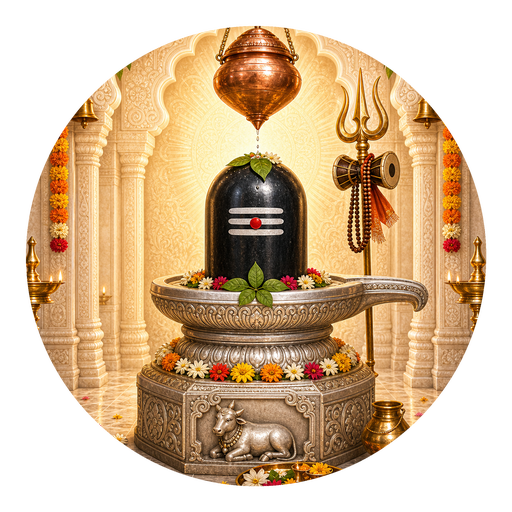 Somvati Amavasya16 Feb
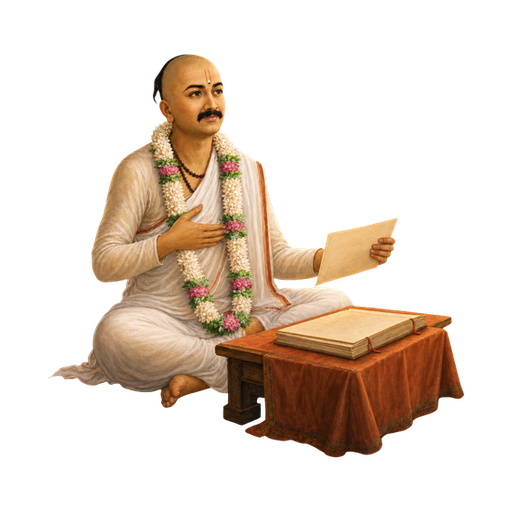 Paithan — Sant Eknath Maharaj Samadhi Mandir9 Mar
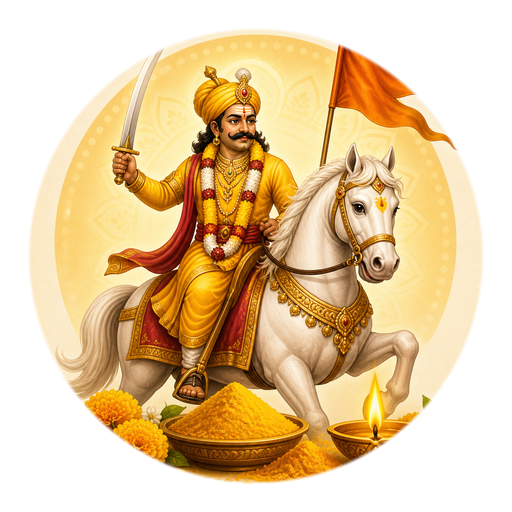 Jejuri Khandoba (Martand Bhairav)1 Feb
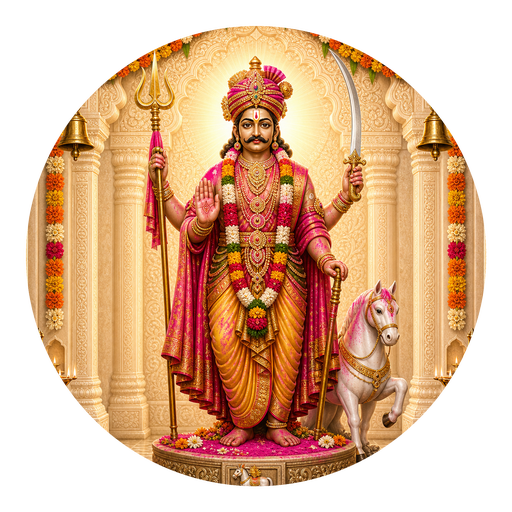 Jyotiba (Wadi Ratnagiri, Kolhapur)8 Feb
 Shirdi Sai Baba26 Mar